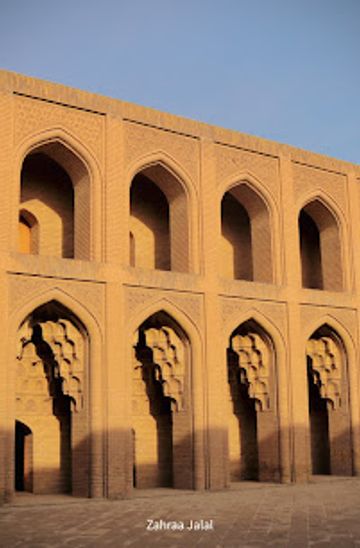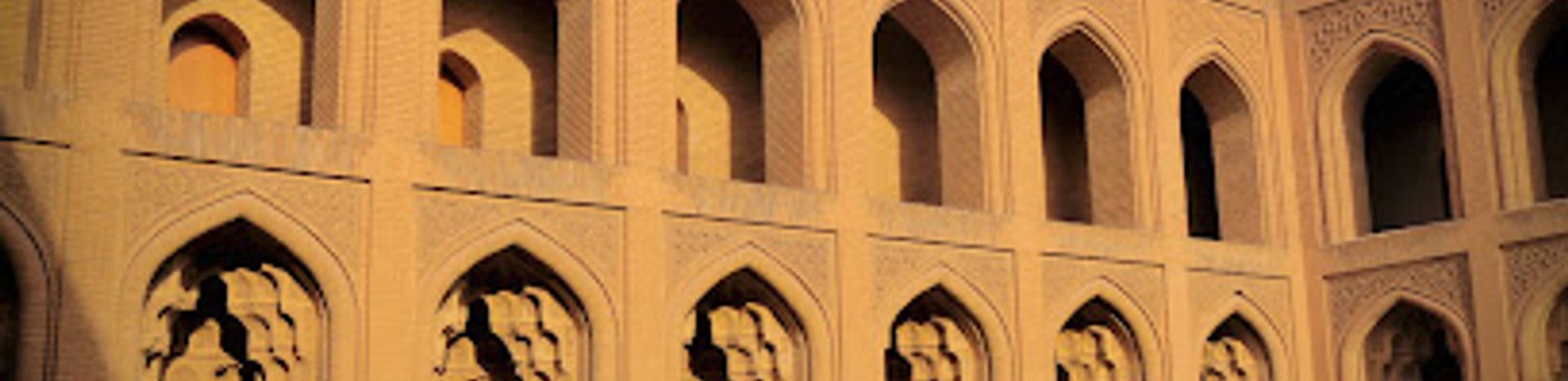
Abbasid Palace: A Window into Baghdad's Golden Age
Explore the Abbasid Palace in Baghdad, a historic gem showcasing Islamic architecture from the Golden Age.
The Abbasid Palace, located in Baghdad's Al Rasheed district, stands as a remarkable testament to the city's rich history during the Abbasid Caliphate. Dating back to the 12th century, this well-preserved palace showcases intricate Islamic architecture and offers visitors a glimpse into the opulence and intellectual vibrancy of the era.
A brief summary to Abbasid Palace
- القصر العباسي, Maidan Square, Baghdad, Al Rasheed, Baghdad Governorate, IQ
- Monday 9 am-1 pm
- Tuesday 9 am-1 pm
- Wednesday 9 am-1 pm
- Thursday 9 am-1 pm
- Friday 9 am-1 pm
- Saturday 9 am-1 pm
- Sunday 9 am-1 pm

Know before you go
Hi, I'm Eve. Here are a few practical things to know before exploring Abbasid Palace.
- Visit early in the morning to avoid crowds and experience the palace in a more peaceful atmosphere.
- Consider hiring a local guide to gain deeper insights into the history and architectural significance of the palace.
- Dress modestly to respect local customs when visiting the palace.
Do you manage this location?
Take control to get all the benefits, like improved information, better appearance, and stronger visibility across AI-powered discovery. Learn more
Activate your presence
Getting There
-
Walking
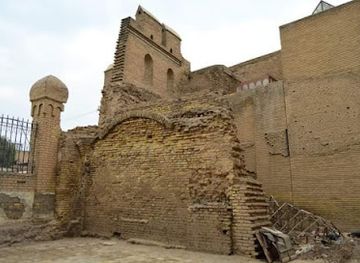
From Mutanabbi Street, walk north towards Maidan Square. The Abbasid Palace is located on the square, a short walk from the street. Look for the distinctive brick structure with arched entrances.
-
Public Transport
Take a local bus or shared taxi to Al Rasheed area in Baghdad. Ask the driver to drop you off at Maidan Square (القصر العباسي). From there, the palace is a short walk. Bus/taxi fare: 1,000 - 3,000 IQD.
-
Taxi
Hire a taxi to the Abbasid Palace in Maidan Square. Negotiate the fare beforehand or ensure the meter is used. A short taxi ride within Baghdad should cost approximately 5,000 - 10,000 IQD.
Discover more about Abbasid Palace
Explore the best of what Abbasid Palace has to offer













More about Baghdad Belts
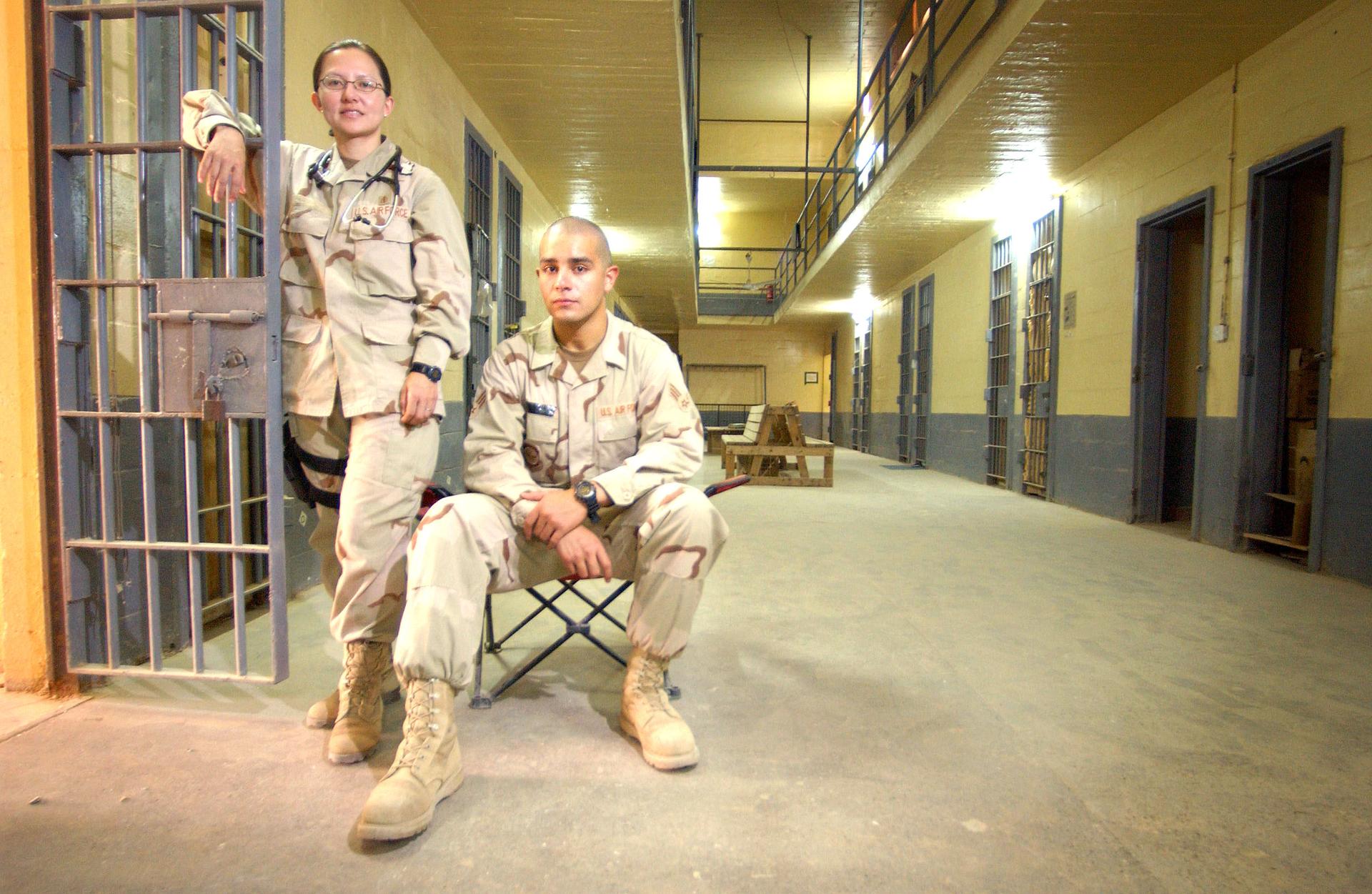
Explore the Baghdad Belts: A captivating blend of ancient history, vibrant culture, and natural beauty surrounding Iraq's capital city.
Tell me more about Baghdad Belts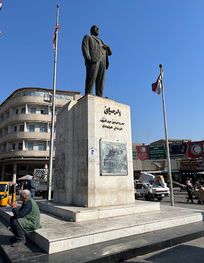
Visit Al-Rasafi Square in Baghdad, a cultural landmark honoring the life and legacy of the renowned Iraqi poet and social critic, Ma'ruf al-Rasafi.
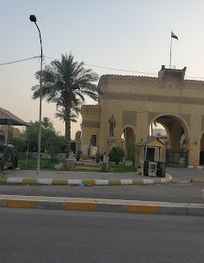
Discover Baghdad's historic Gate of the Old Ministry of Defense, a landmark showcasing Iraq's rich heritage and architectural grandeur.