

Kalar Travel Guide - Free Web & App
Your ultimate guide to Kalar. Discover top landmarks, proposed trips, and local tips. Free on the web or via the Evendo companion app.


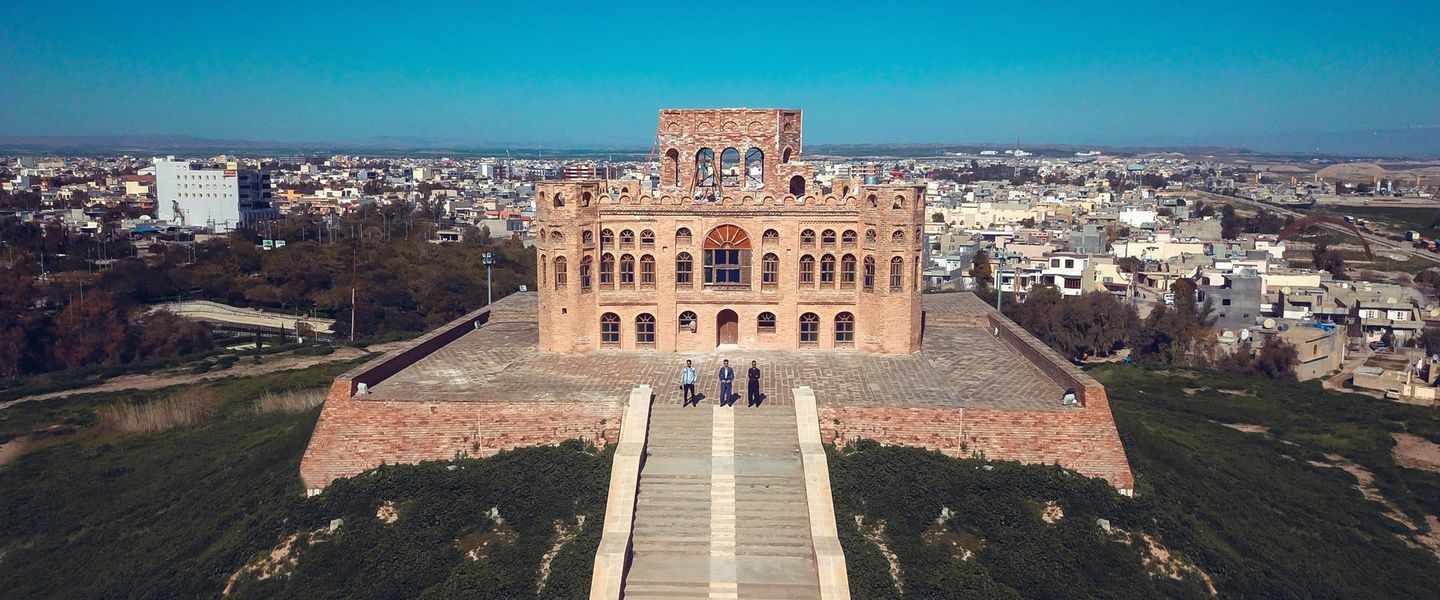


Discover Kalar: A blend of ancient history, scenic beauty, and vibrant Kurdish culture in the heart of Iraq.
Read more about Kalar
When is the best time to visit Kalar?
Best: December–February · 20–25°C| Month | High (°C) | Rainfall (mm) |
|---|---|---|
| January (best) | 20 | 33 |
| February (best) | 24 | 30 |
| March | 32 | 26 |
| April | 40 | 16 |
| May | 48 | 10 |
| June | 56 | 5 |
| July | 60 | 2 |
| August | 59 | 2 |
| September | 52 | 6 |
| October | 42 | 14 |
| November | 34 | 24 |
| December (best) | 25 | 31 |
Getting to and around Kalar
How to get there
Transportation
Best attractions in Kalar
Kalar, in Iraq, offers visitors a unique blend of history, culture, and natural beauty. Tourists can explore ancient ruins dating back to the Assyrian and Babylonian empires, visit the vibrant local markets, and sample delicious Kurdish cuisine. The stunning landscapes surrounding Kalar, including the picturesque Darbandikhan Lake and the scenic mountains, provide opportunities for hiking and outdoor adventures. With its rich history and warm hospitality, Kalar is a must-visit destination for any traveler looking to experience the best of Iraq.
-
Park
پارکی پشوو / rest park
Escape to Peshw Park in Kalar for a refreshing retreat amidst nature's beauty, perfect for relaxation and family fun in Sulaymaniyah.
-
Tourist attraction
Darbandikhan Plant Nursery
Discover a peaceful escape at Darbandikhan Plant Nursery, a green haven promoting environmental awareness and showcasing diverse plant life in the Sulaymaniyah Governorate.
-
Park
bazar Park / پارکی ناو بازاڕی کەلار
Escape to Bazar Park in Kalar: A tranquil green space for relaxation, picnics, and cultural experiences in the heart of Sulaymaniyah.
-
Park
پارکی بنگرد bngrd park
Escape to nature in Kalar at پارکی بنگرد bngrd park, a local green space perfect for relaxation and recreation with family and friends.

Best landmarks in Kalar
Kalar, Iraq offers visitors a rich tapestry of historical and cultural landmarks to explore. From the ancient ruins of the Citadel of Kalar to the stunning views from the top of Mount Korek, there is something for everyone. Wander through the bustling bazaars filled with local crafts and authentic Kurdish cuisine, or step back in time at the Qaysari Bazaar, a centuries-old market brimming with history. Don't miss the opportunity to visit the beautiful Darbandikhan Lake, where you can relax by the water or take a boat ride to explore the surrounding mountains. With its blend of ancient history and natural beauty, Kalar is a destination not to be missed.
-
Castle
Sherwana Castle قەڵای شێروانە
Explore Sherwana Castle in Kalar: A historic Kurdish fortress with stunning views and a glimpse into the region's rich cultural heritage.
-
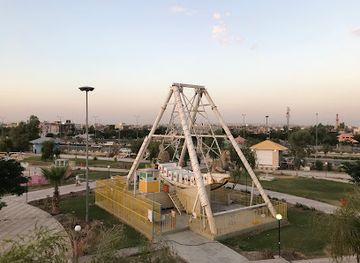
Amusement park
Kalar Amusment Park شاری یاری كەلار مدينة العاب كلار
Experience fun and excitement at Kalar Amusement Park, a perfect family destination in the heart of Kalar, Sulaymaniyah Governorate.
-
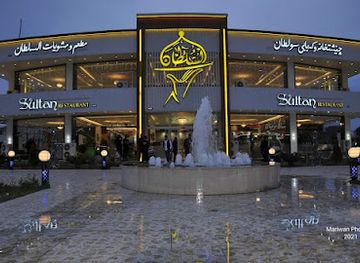
Restaurant
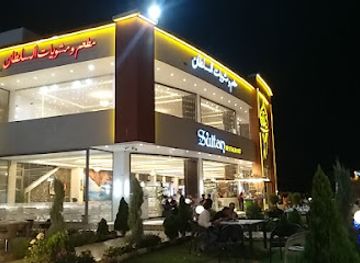
Sultan Restaurant
Experience authentic Middle Eastern and Kurdish cuisine at Sultan Restaurant in the heart of Kalar's Shahidan bazaar.
-
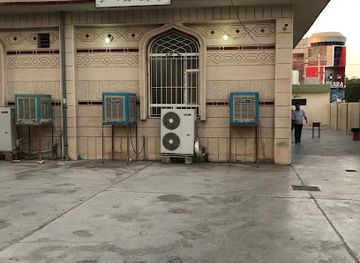
Mosque
Kalar Central Mosque
Discover the serene beauty and cultural significance of Kalar Central Mosque, a spiritual and community landmark in the heart of Iraqi Kurdistan.

Explore Kalar on the map
Plan your trip on one map. See where the top attractions, landmarks, restaurants and hotels are, and book hotels and experiences in a few clicks.
Best hotels in Kalar
Best restaurants in Kalar
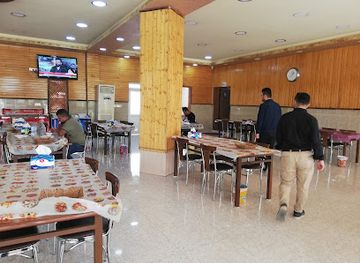
Kalar offers a diverse dining scene that caters to all tastes and preferences. From traditional Kurdish cuisine showcasing rich flavors and spices to international dishes with a local twist, visitors can indulge in a culinary adventure like no other. Whether you choose to dine in charming local eateries, bustling street food stalls, or upscale restaurants, you are guaranteed to experience the warmth and hospitality of the Kurdish people through their delicious food. Don't miss trying specialties like kebabs, biryani, and baklava while enjoying the vibrant atmosphere of Kalar's dining establishments.
-
Restaurant
Soran Restaurant
Discover authentic Iraqi flavors at Soran Restaurant in Sulaymaniyah Governorate - a culinary delight for every traveler.
-
Restaurant
Sultan Restaurant
Experience the authentic flavors of Iraqi cuisine at Sultan Restaurant in Sulaymaniyah – where tradition meets taste.
-
Restaurant
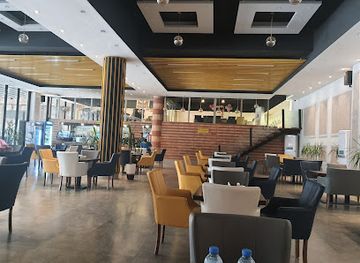
Umbrella Rest & Caffe
Discover delicious Iraqi cuisine at Umbrella Rest & Caffe in Kalar – where traditional flavors meet modern dining.
-
Pizza
Pizza Pariya
Experience the best pizza in Kalar at Pizza Pariya—where every slice is a celebration of flavor and tradition.
Best bars in Kalar
The nightlife scene in Kalar offers a vibrant and lively atmosphere for visitors to enjoy. From trendy bars serving up delicious cocktails to bustling nightclubs with live music and dancing, there is something for everyone to experience. Local DJs spin a mix of traditional Kurdish music and contemporary hits, creating a unique and exciting ambiance. Visitors can mingle with locals and fellow travelers, immersing themselves in the lively nightlife culture of Kalar. Whether you're looking for a relaxing evening sipping drinks or a night of dancing and fun, Kalar's nightlife scene has it all.
-
Restaurant
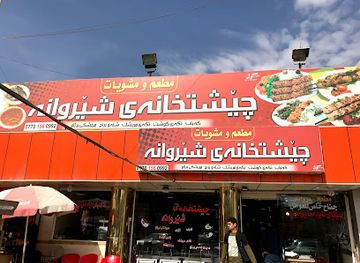
Sherwana Restaurant چێشتخانەی شێروانە
Experience authentic Kurdish cuisine at Sherwana Restaurant in Kalar, where rich flavors and warm hospitality create an unforgettable dining experience.
-
Restaurant
Umbrella Rest & Caffe
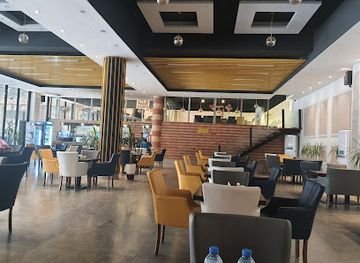
Experience the rich flavors of Iraqi cuisine at Umbrella Rest & Caffe, a must-visit dining destination in Kalar, Sulaymaniyah Governorate.
-
Restaurant
Darya Restaurant
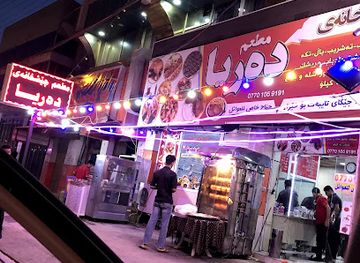
Experience the rich flavors of traditional Kurdish cuisine at Darya Restaurant in Kalar, a must-visit destination for food lovers.
-
Fast Food
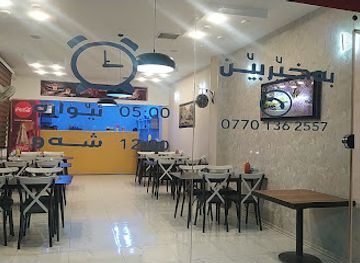
Yar Rest & Cafe
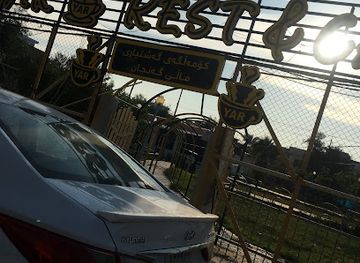
Experience the best of fast food and café culture at Yar Rest & Cafe in Kalar, a must-visit for food lovers exploring Sulaymaniyah Governorate.
Best shops in Kalar
In Kalar, visitors can expect a vibrant and bustling shopping scene filled with traditional markets, local artisans, and unique handicrafts. From colorful bazaars selling spices, textiles, and jewelry, to modern shopping centers offering a variety of goods, there is something for every shopper. Don't miss the opportunity to haggle with vendors for the best price and immerse yourself in the rich culture and history of the region through its shopping experiences.
-
Supermarket
Harzan Bazary Shar هەرزان بازاڕی شار
Discover the vibrant local flavors and products at Harzan Bazary Shar, Kalar's premier supermarket for an authentic shopping experience.
-
Supermarket
Soran Market
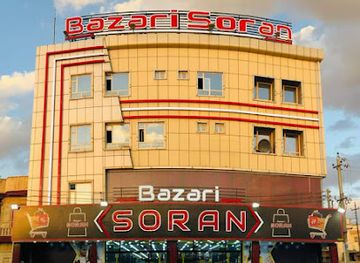
Explore Soran Market: A vibrant supermarket in Kalar offering fresh produce, local delicacies, and an authentic immersive experience into Kurdish culture.
-
Shopping mall
diwan mall
Experience the vibrant shopping and dining scene at Diwan Mall in Kalar, where local culture meets modern retail.
-
Supermarket
سوپەرمارکێتی دوبەی 2
Discover the vibrant offerings of سوپەرمارکێتی دوبەی 2 in Kalar, where fresh produce and local goods create an authentic shopping experience.


Get your free copy of our complete guide to Kalar, delivered straight to you.
Everything on this page, from attractions and restaurants to essentials and local phrases, in one PDF you can read offline, print or share.
Already have an account? Sign in
Your Kalar guide is ready.
We'll send it to · Not you? Sign out

Getting your guide ready…
We are putting together a fresh copy of the Kalar guide. This can take up to a minute.
This can take a few moments. If your browser asks, choose Allow so the download can start. You'll find the guide in your Downloads folder.
Nothing happened? Download it again
Sorry, the guide is taking longer than usual. Please try again in a minute, or get it by email instead.
Kalar essentials
Currency and Payment
Safety
Emergency Situations
Do's and Don'ts
Local Tips
From Eve
Local phrases worth knowing
You don't need to get them perfect. A few words go a long way, and locals appreciate the effort.
Basics
| English | Local | Say it |
|---|---|---|
| Hello | سڵاو | [Slaaw] |
| Goodbye | باشترین | [Bashtrean] |
| Yes | بەڵێ | [Belle] |
| No | نەخێر | [Nekher] |
| Please/You're welcome | تکایە | [Tekaye] |
| Thank you | سوپاس | [Sopas] |
| Excuse me/Sorry | ببورە | [Bbure] |
| How are you? | چۆنیەتی؟ | [Choneta?] |
| Fine. And you? | باشە. ئەوەم؟ | [Bashe. Awam?] |
| Do you speak English? | ئینگلیزی دەتوانیت بەکات؟ | [Ingilizi detwanit bekat?] |
| I don't understand | نەفەهمم | [Nefehmem] |
Eating & Drinking
| English | Local | Say it |
|---|---|---|
| I'd like to see the menu, please | دەتەوێت دەستی مێنیو بکەیت، تکایە | [Detewet desti menu bekeyt, tekaye] |
| I don't eat meat | مێنە خوارم | [Menekhwaram] |
| Cheers! | سوپاس | [Sopas] |
| I would like to pay, please | دەتەوێت پارە بدەیت، تکایە | [Detewet pare bedeyt, tekaye] |
Emergencies
| English | Local | Say it |
|---|---|---|
| Help! | یارمەتی! | [Yarmeti!] |
| Go away! | دەرەوە! | [Derewe!] |
| Call the Police! | پۆلیس بپێیە! | [Polis bpeye!] |
| Call a doctor! | دۆکتۆر بپێیە! | [Doktor bpeye!] |
| I'm lost | گمکراوم | [Gumkrawam] |
| I'm ill | تەنگیم | [Tangim] |
Shopping
| English | Local | Say it |
|---|---|---|
| I'd like to buy... | دەتەوێت بخریت... | [Detewet bokhreyt...] |
| I'm just looking | تەنها دەچمت | [Tenha dechmat] |
| How much is it? | چەقدەیە؟ | [Cheqdeya?] |
| That's too expensive | بەرزییە | [Brezie] |
| Can you lower the price? | دەتوانیت قەیڵی بەرزی بکەیت؟ | [Detwanit qeyli brezi bekeyt?] |
Time & Numbers
| English | Local | Say it |
|---|---|---|
| What time is it? | کاتێکی چییە؟ | [Kateki chiye?] |
| It's one o'clock | یەکەم کاتەوە | [Yekem katewe] |
| Half past (10) | نیمەی چوار | [Nimeyi chwar] |
| Morning | صبح | [Sobh] |
| Afternoon | دوپەیین | [Dupayin] |
| Evening | ئێوارە | [Eware] |
| Yesterday | دیروز | [Diroz] |
| Today | ئەمڕوز | [Emrooz] |
| Tomorrow | سەلە | [Sela] |
| 1 | یەک | [Yek] |
| 2 | دوو | [Dow] |
| 3 | سێ | [Se] |
| 4 | چوار | [Chwar] |
| 5 | پێنج | [Penj] |
| 6 | شەش | [Shesh] |
| 7 | حەوت | [Hewt] |
| 8 | هەشت | [Hasht] |
| 9 | نۆ | [No] |
| 10 | دە | [De] |
Transport & Directions
| English | Local | Say it |
|---|---|---|
| Where's a/the...? | لە کوێیە... | [Le kwaye...] |
| What's the address? | ناونیشانی چییە؟ | [Navnishani chiye?] |
| Can you show me (on the map)? | دەتوانیت وەریگەریم بدەیت؟ | [Detwanit wergaraym bedeyt?] |
| When's the next (bus)? | کاتێک دواتریەکە؟ | [Kateki dwatereke?] |
| A ticket (to ....) | بلیت (بۆ ...) | [Bilete (bo ...)] |
History of Kalar
Ancient Beginnings
Kalar, located in the Garmian region of Iraq, has a rich history that traces back to ancient Mesopotamian civilizations. The area was part of the broader Mesopotamian cradle of civilization, where early human settlements flourished due to the fertile lands between the Tigris and Euphrates rivers.
Islamic Golden Age
During the Islamic Golden Age, Kalar experienced significant cultural and economic development. The spread of Islamic culture and learning reached Kalar, contributing to the region's importance in trade and scholarship. The remnants of early Islamic architecture in the area reflect this prosperous era.
Ottoman Period
Kalar became part of the Ottoman Empire in the 16th century, which brought new administrative structures and cultural influences. This period saw the construction of several key infrastructures, including caravanserais and mosques, which facilitated trade and travel across the region.
World War I and the British Mandate
During World War I, Kalar and the surrounding regions were significant battlegrounds. After the defeat of the Ottoman Empire, Kalar came under British control as part of the British Mandate of Mesopotamia. This period marked a transition towards modern statehood for Iraq and brought new political dynamics to Kalar.
Modern Iraqi State
In the 20th century, Kalar became part of the newly established Iraqi state. It played a role in the various political and social changes that swept through the country, including the 1958 revolution that overthrew the monarchy. Kalar's strategic location made it a vital area during these transformative years.
Kurdish Struggle and Autonomy
Kalar is located in the Kurdistan region of Iraq, which has experienced significant political strife and struggle for autonomy. The area has been a focal point for Kurdish identity and resistance, especially during the late 20th century and early 21st century. The establishment of the Kurdistan Regional Government brought a new era of self-governance and development to Kalar.
Cultural Heritage and Festivals
Kalar is known for its rich cultural heritage and vibrant festivals. The region celebrates traditional Kurdish festivals such as Newroz, which marks the Kurdish New Year and the arrival of spring. These celebrations are characterized by music, dance, and elaborate festivities that highlight the cultural uniqueness of Kalar.
Kalar in Photos
Browse through our photo collection highlighting the charm and character of the destination.
Neighbouring destination travel guides
The closest destinations to Kalar, if you have time for more than one.
-

-

-

-

-


Swipe for more destinations
Explore more

Explore more of Diyala Region
Explore the Diyala Region in Iraq: A blend of ancient history, natural beauty, and vibrant local culture awaits you.
Explore Diyala Region
Explore more of Iraq
Explore the cradle of civilization in Iraq, where ancient history, rich culture, and diverse landscapes create an unforgettable travel experience.
Explore Iraq