Halamata Cave: Echoes of Assyrian Kings
Discover ancient Assyrian carvings at Halamata Cave near Duhok, a window into Mesopotamia's rich history and cultural heritage.
Halamata Cave, near Duhok, Iraq, is an archaeological site featuring the Maltai reliefs, Neo-Assyrian carvings dating back to 704-681 BC. These well-preserved carvings offer a glimpse into the religious and political landscape of the Assyrian Empire and its connection to the region's ancient canal system.
A brief summary to Halamata cave
- RWPR+W83, Duhok, Duhok Governorate, IQ

Know before you go
Hi, I'm Eve. Here are a few practical things to know before exploring Halamata cave.
- Wear sturdy shoes for better grip while exploring the cave and navigating the mountain terrain.
- Bring water and snacks, as facilities are limited near the cave.
- Visit early in the morning or late afternoon for the best light for photography and to avoid crowds.
- Consider hiring a local guide to enhance your understanding of the cave's history and significance.
- Check the weather forecast before your visit, as rain can affect accessibility.
Do you manage this location?
Take control to get all the benefits, like improved information, better appearance, and stronger visibility across AI-powered discovery. Learn more
Activate your presence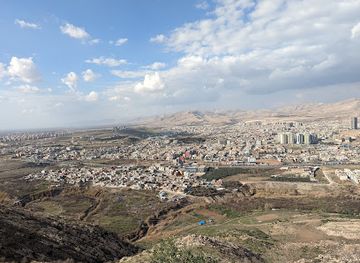
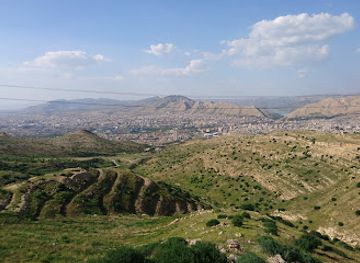
Getting There
-
Taxi
From Duhok city center, the most convenient way to reach Halamata Cave is by taxi. Negotiate the fare beforehand, with a typical cost ranging from 10,000 to 15,000 IQD. The journey takes approximately 30 minutes. Ensure the driver knows the location or provide the coordinates (36.8372579, 42.940795). The taxi will drop you off near the trailhead.
-
Walking
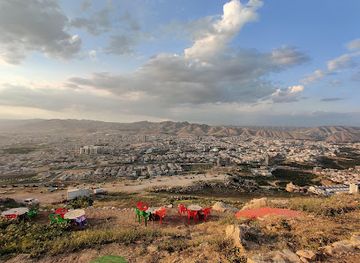
From the taxi drop-off point near the Zawa Mountain crest, follow the red arrows painted on a metal post to find the trailhead. The path descends into a small ravine, requiring a scramble down a rocky section. Continue along the path, following the signs, until you reach Halamata Cave. Be aware that the ground can be slippery after rainfall, so wear appropriate footwear.
Discover more about Halamata cave
Explore the best of what Halamata cave has to offer













More about Nineveh Plains
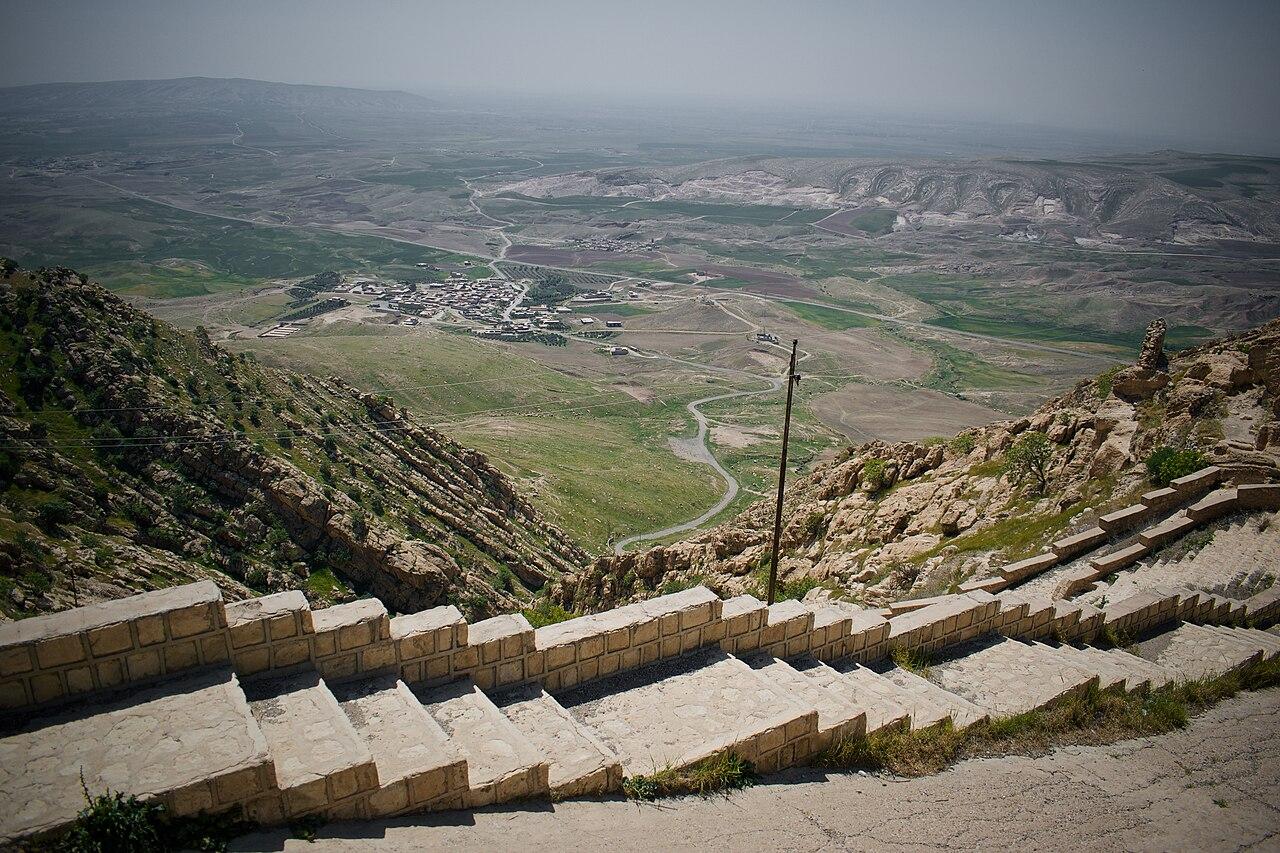
Explore the ancient ruins and rich cultural heritage of the Nineveh Plains in Iraq, a region steeped in history and natural beauty.
Tell me more about Nineveh Plains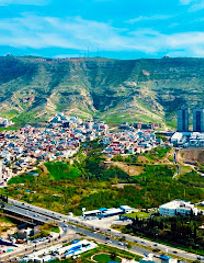
Experience European charm in the heart of Kurdistan: picturesque architecture, serene gardens, and a tranquil escape in French Village Duhok.
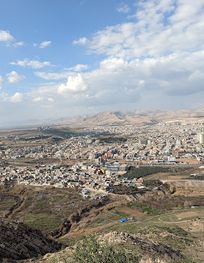
Explore ancient Assyrian art at Halamata Cave near Duhok, home to the remarkable Maltai reliefs dating back to King Sennacherib.