Connolly's Folly: A Whimsical Landmark
Discover Connolly's Folly: An 18th-century Irish monument built during famine, blending architectural whimsey with a poignant history of philanthropy.
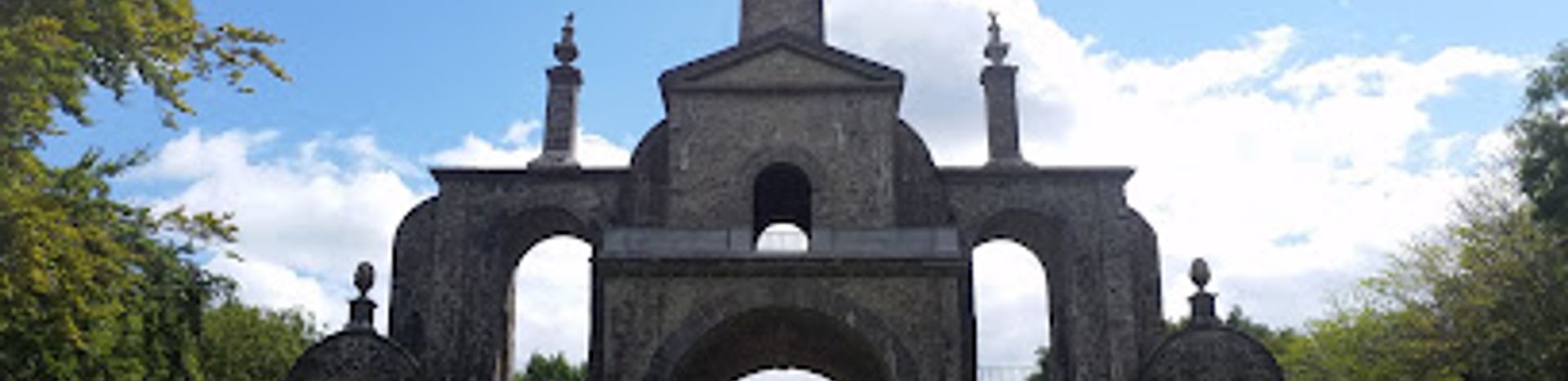
Connolly's Folly is a striking 18th-century obelisk located in County Kildare, Ireland. Commissioned by Katherine Conolly, the widow of William Conolly, it provided employment during the famine of 1740-41. The 140-foot structure, adorned with arches, pineapples, and eagles, stands as a testament to both philanthropy and architectural eccentricity.
A brief summary to Connolly's Folly
- Barrogstown West, Co. Kildare, IE
- Visit website
- Monday 12 am-12 am
- Tuesday 12 am-12 am
- Wednesday 12 am-12 am
- Thursday 12 am-12 am
- Friday 12 am-12 am
- Saturday 12 am-12 am
- Sunday 12 am-12 am
Local tips
- Wear comfortable shoes, as the paths around the folly can be uneven.
- Check the weather forecast before visiting, as the views are best on a clear day.
- Bring a camera to capture the unique architecture and surrounding landscape.

Getting There
-
Walking
From the Celbridge Village, walk towards Castletown House. Enter the grounds and follow the signs for Connolly's Folly, approximately a 20-minute walk. The path is well-marked and offers scenic views of the estate.
-
Public Transport
Take the C4 or 120 bus from Dublin City Centre to Celbridge. Alight at the stop closest to Castletown House. From there, follow the walking directions to Connolly's Folly. A single bus fare within Dublin is approximately €1.50 - €3.00 with a Leap Card.
-
Taxi
From Celbridge, a taxi to Connolly's Folly is a short ride. Expect to pay around €10-€17 for the trip, depending on the taxi company and traffic. Taxis are readily available in Celbridge.
Discover more about Connolly's Folly
Iconic landmarks you can’t miss

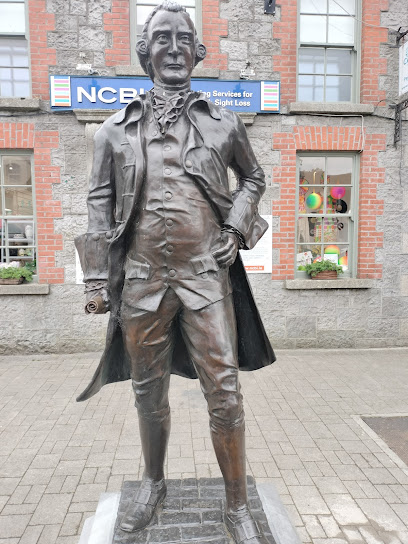
Arthur Guinness Statue
3.5 km
Explore the Arthur Guinness Statue in Celbridge, a historical landmark celebrating Ireland's brewing heritage and the legacy of its iconic founder.
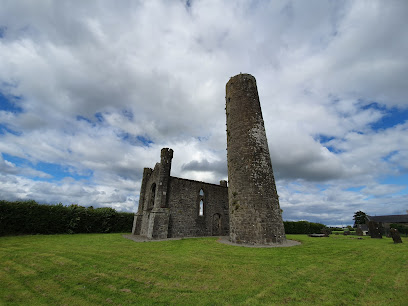
Tagdahoe Chapel
4.0 km
Explore the enchanting Tagdahoe Chapel in County Kildare, a historical landmark embodying Ireland's rich cultural and ecclesiastical heritage.
Rodanstown Motte Heritage Site
7.8 km
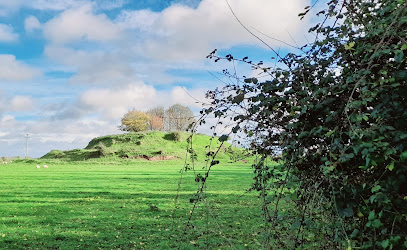
Explore the captivating Rodanstown Motte, a historical landmark in County Meath, and immerse yourself in Ireland's rich medieval heritage.
The Phoenix Monument
15.6 km
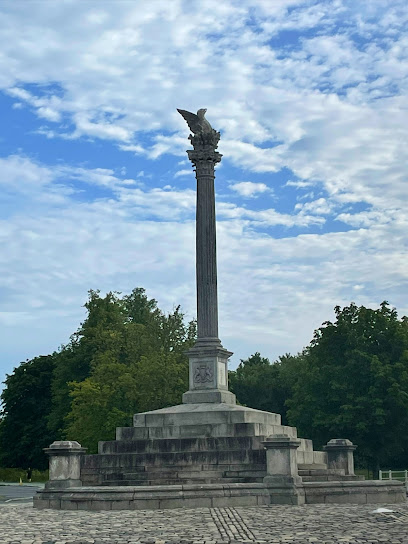
Explore The Phoenix Monument in Dublin's Phoenix Park, a historical landmark that offers rich history, stunning views, and a serene park experience.
Dunfierth Chapel Ruins
18.3 km
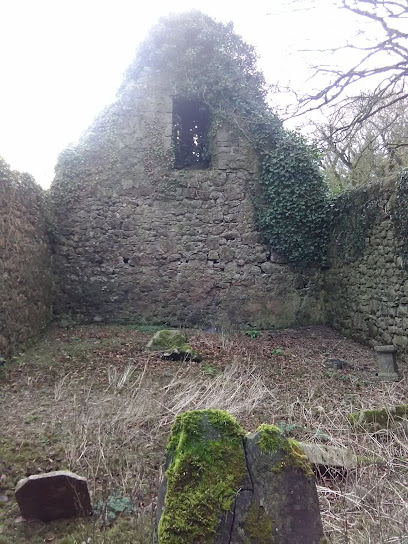
Discover the historic charm of Dunfierth Chapel Ruins, a serene escape in County Kildare showcasing Ireland's rich ecclesiastical heritage.
The Brindley Memorial
18.3 km
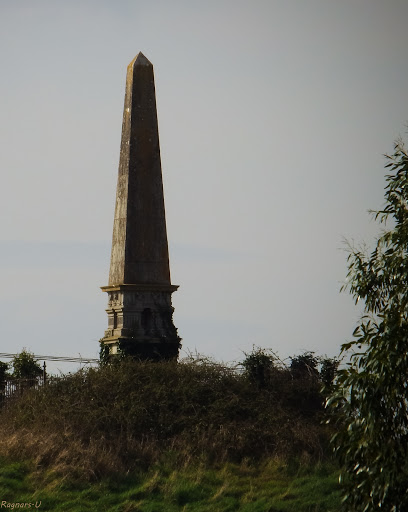
Explore the rich history of The Brindley Memorial, a serene landmark in Co. Meath, perfect for travelers seeking cultural depth and tranquility.
Guinness Storehouse
18.4 km
Discover the rich heritage of Guinness at the iconic Storehouse in Dublin, where brewing tradition meets modern-day enjoyment.
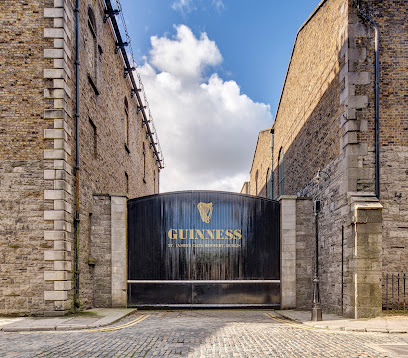
Sarsfield Quay
18.4 km
Explore the beauty and vibrancy of Sarsfield Quay in Dublin, a riverside gem filled with scenic views, rich culture, and exciting nightlife.

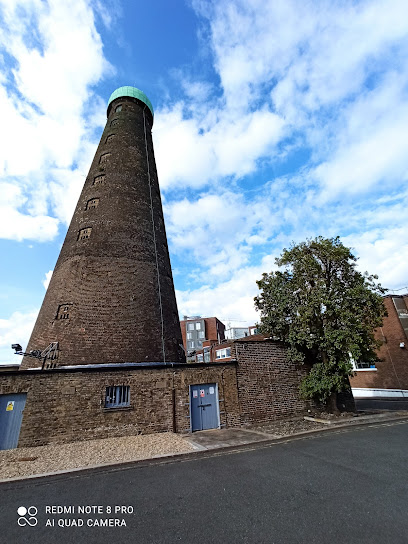
St. Patrick's Tower at The Digital Hub
18.5 km
Discover the historical significance of St. Patrick's Tower, a striking landmark in Dublin's vibrant Liberties district, blending history and modernity.
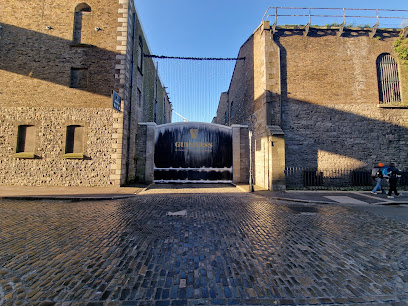
Stone Upon Stone
18.6 km
Explore Dublin's Stone Upon Stone, a historic attraction steeped in charm and rich cultural heritage in the heart of the Liberties.
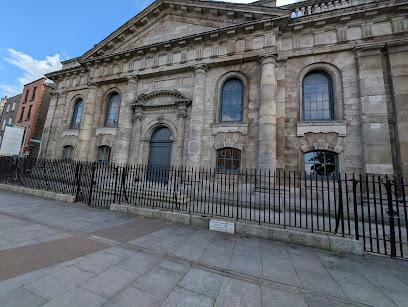
St. Catherine's Church of Ireland
18.7 km
Discover the architectural beauty and serene atmosphere of St. Catherine's Church of Ireland, a hidden gem in Dublin's historic Liberties district.
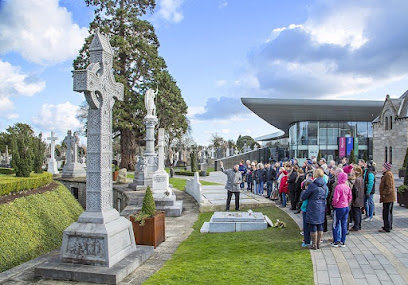
Experience Glasnevin - Ireland's National Cemetery
18.8 km
Explore the rich history and serene landscapes of Glasnevin Cemetery, Ireland's National Cemetery, a unique tourist attraction in Dublin.
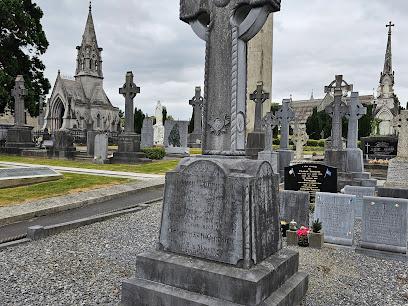
Glasnevin Cemetery
18.8 km
Explore the deep roots of Irish history at Glasnevin Cemetery, a serene and historic tribute to the nation's remarkable figures.
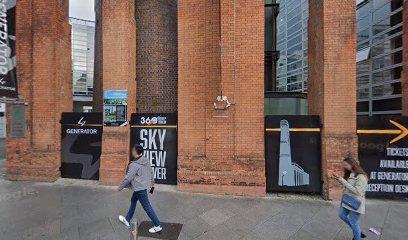
Chimney Viewing Tower
18.9 km
Explore Dublin's Chimney Viewing Tower, a historical landmark that showcases the city's industrial past and offers stunning views of the Northside skyline.
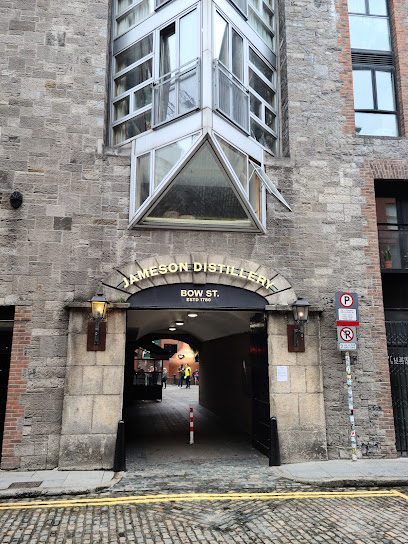
Jameson Distillery Bow St.
18.9 km
Explore the rich heritage of Irish whiskey at Jameson Distillery Bow St., Dublin's iconic distillery known for its immersive tours and tastings.
Unmissable attractions to see

Maynooth Castle
2.6 km
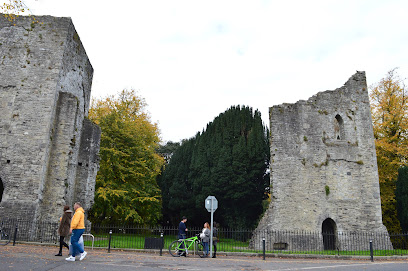
Explore the historic Maynooth Castle, a symbol of Ireland's rich heritage and a captivating destination for tourists seeking a glimpse into the past.
Castletown House
3.0 km
Explore the exquisite Castletown House, a historical landmark in Co. Kildare, showcasing Georgian architecture and rich cultural heritage.
Irish Lost Places
3.4 km
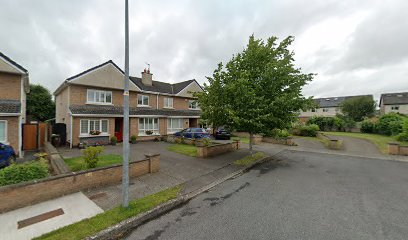
Explore the hidden stories of Ireland's forgotten locations at Irish Lost Places, a cultural center in Maynooth, Co. Kildare.
The Wonderful Barn
3.5 km
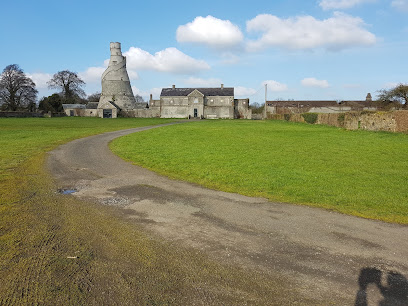
Explore The Wonderful Barn, an iconic historical landmark in County Kildare, showcasing unique architecture and rich agricultural heritage.
Statue
3.5 km
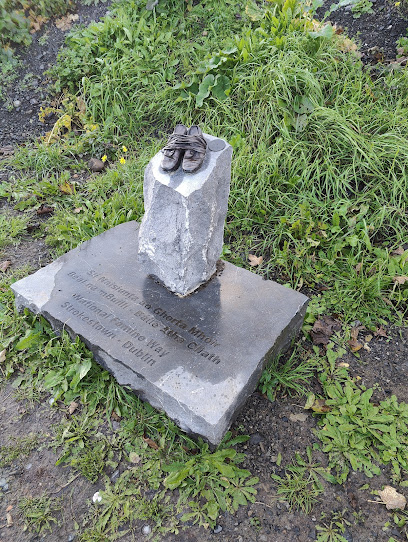
Explore the iconic statue in Leixlip, Co. Kildare, a beautiful symbol of local heritage surrounded by charming landscapes.
Kildrought House
3.5 km
Explore the historical charm and picturesque gardens of Kildrought House in Celbridge, Co. Kildare, a must-visit for history and nature lovers.
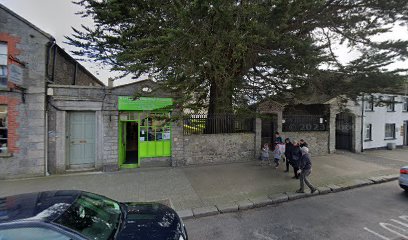
18th Century Spa
3.6 km
Discover the historical Leixlip Spa, a mineral spring retreat from the 1700s, nestled beside the scenic Royal Canal in County Kildare.
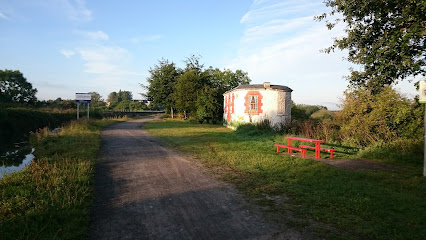
The Steam Museum & Lodge Park Walled Garden
6.8 km
Experience the magic of steam power and the beauty of nature at The Steam Museum & Lodge Park Walled Garden in Co. Kildare.
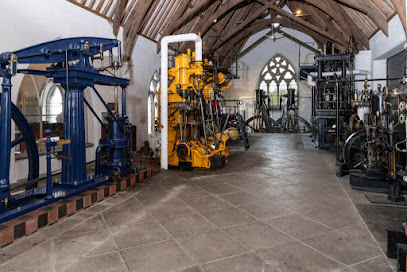
Clonfert Farm
7.7 km
A family-run farm and zoo in County Kildare offering a fun-filled day with animals, playgrounds, and indoor activities for all ages.
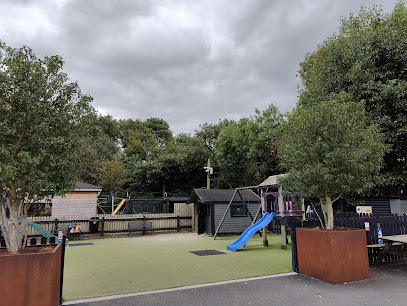
Kilgar House Gardens
11.9 km
Immerse yourself in the tranquility of Kilgar House Gardens, a serene escape filled with vibrant flora and captivating wildlife in Kilcock, County Meath.
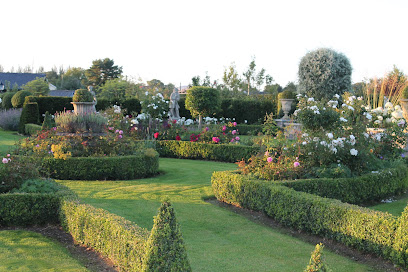
Donadea Forest Park
12.6 km
Discover history and nature in County Kildare's Donadea Forest Park: trails, castle ruins, a serene lake, and a 9/11 memorial await.
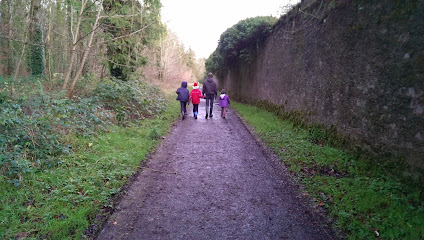
Donadea Castle
12.8 km
Discover the historic ruins of Donadea Castle within a beautiful forest park, offering walking trails, a lake, and a glimpse into Ireland's past.
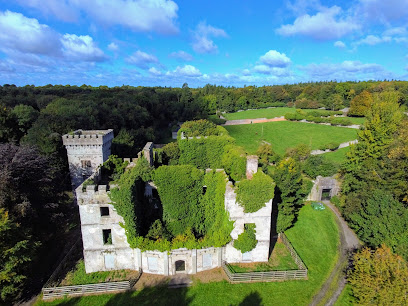
Farmleigh Clock Tower
13.1 km
Admire the Victorian-era Farmleigh Clock Tower in Dublin's Phoenix Park, a Guinness-era landmark blending beauty and practical function.
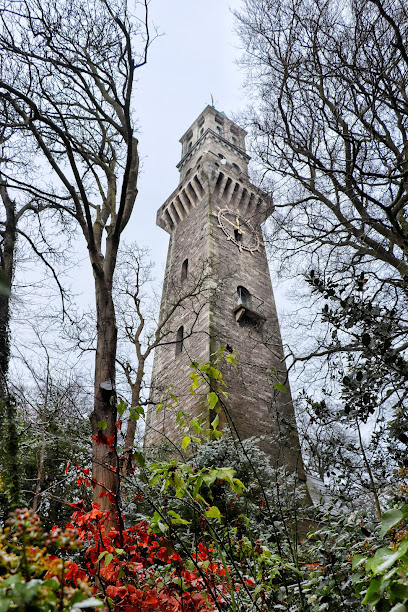
Farmleigh House & Estate
13.3 km
Discover the historic charm and natural beauty of Farmleigh House & Estate in Dublin's Phoenix Park, a perfect retreat for culture and nature lovers.
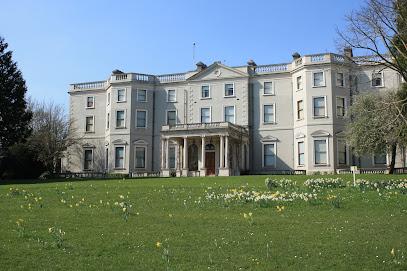
Extreme Ireland Tour Operator
13.8 km
Explore the beauty of Ireland through guided adventures with Extreme Ireland Tour Operator in Dublin, where every tour promises unforgettable experiences.
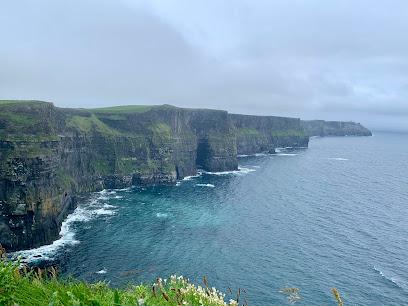
Essential places to dine

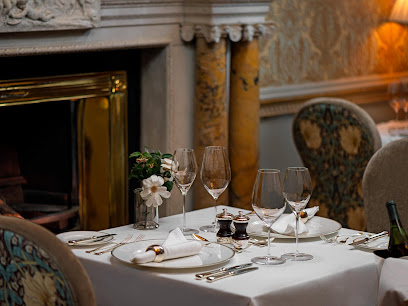
The Morrison Room at Carton House, A Fairmont Managed Hotel
2.4 km
Experience exquisite fine dining at The Morrison Room in Carton House, where culinary artistry meets historic elegance in Ireland.
Outdoor Dining
7.6 km
Experience exquisite outdoor dining in Dunboyne amidst breathtaking views and fresh local flavors.
The Ivy Restaurant
7.6 km
Experience culinary excellence at The Ivy Restaurant in Dunboyne – where traditional flavors meet modern cuisine in a warm atmosphere.
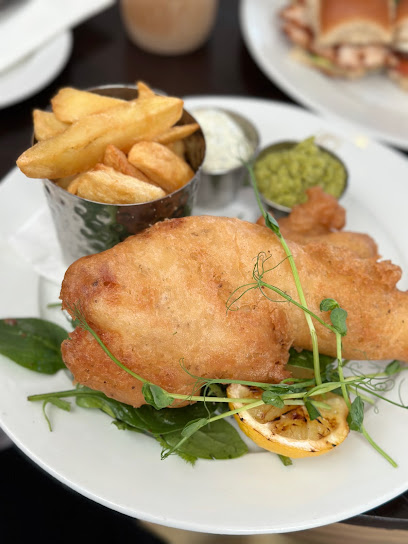
The Mill Restaurant and Terrace
7.7 km
Discover exquisite dining at The Mill Restaurant and Terrace in Co. Kildare – where tradition meets contemporary culinary artistry.
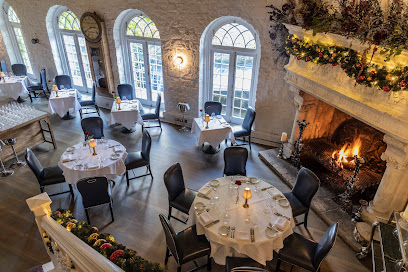
Aimsir Restaurant
7.7 km
Discover exquisite fine dining at Aimsir Restaurant in Kildare, where innovative dishes celebrate local ingredients and culinary artistry.
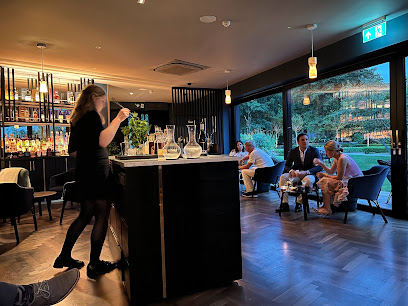
The Palmer Restaurant
7.9 km
Discover exquisite Irish cuisine at The Palmer Restaurant within The K Club—where local flavors meet elegant dining.
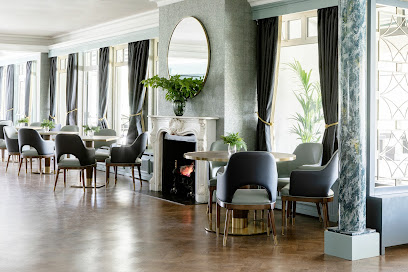
The Canvas Restaurant
8.0 km
Experience exquisite dining at The Canvas Restaurant in Kilcock, where traditional flavors meet contemporary culinary art.
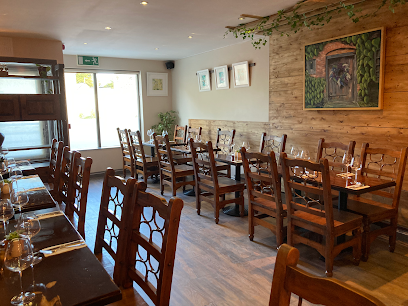
South Bar & Restaurant
8.3 km
Experience culinary excellence at South Bar & Restaurant in The K Club, where local flavors meet international cuisine in an elegant setting.
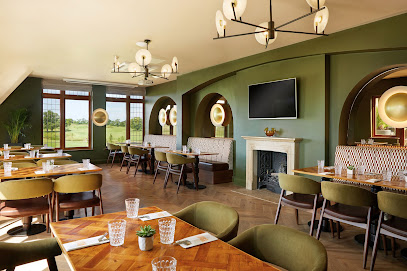
Rugged Lane Restaurant
9.6 km
Experience the charm of Irish cuisine at Rugged Lane Restaurant within Luttrellstown Castle Resort—where culinary artistry meets breathtaking scenery.
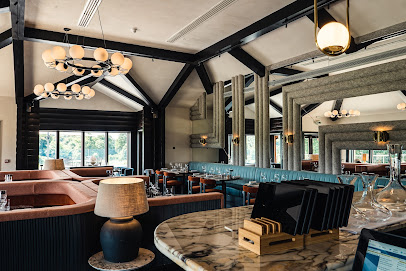
Caffrey's
11.1 km
Discover authentic Irish cuisine at Caffrey's in Rathregan—where tradition meets taste in every delightful dish.
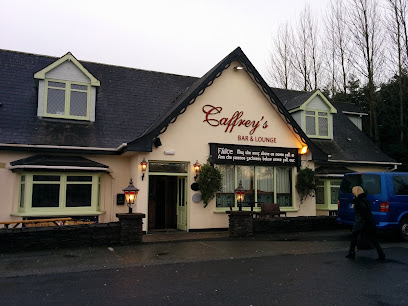
The Dew Drop Inn & Brewhouse
13.7 km
Discover the charm of The Dew Drop Inn & Brewhouse in Kill - where tradition meets taste in an inviting gastropub atmosphere.
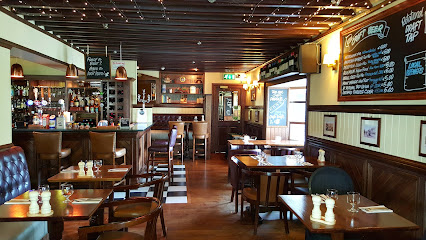
La Bucca Ratoath
16.7 km
Experience authentic Italian and Mediterranean flavors at La Bucca Ratoath, where every dish tells a story.
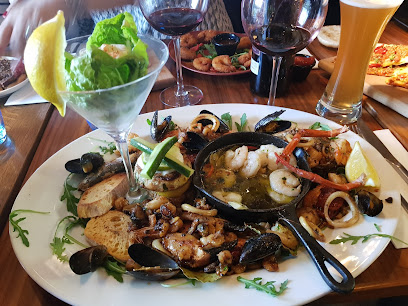
Butt Mullins
17.9 km
Experience authentic European cuisine at Butt Mullins in Naas - perfect for families seeking delicious meals in a warm atmosphere.
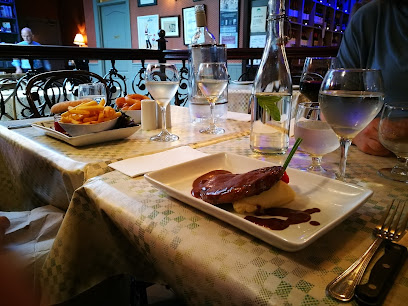
Bouchon
18.3 km
Experience authentic Irish cuisine at Bouchon in Naas - where seasonal flavors meet culinary artistry.
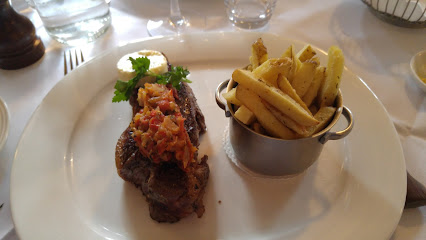
Vie De Chateaux - Restaurant Naas
18.4 km
Indulge in modern French cuisine at Vie De Chateaux - where culinary artistry meets an exquisite seafood selection in Naas.
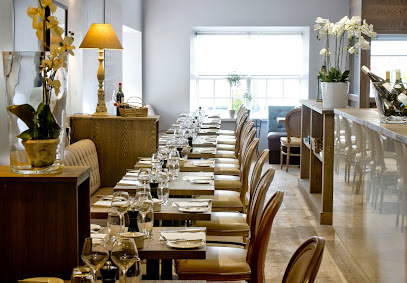
Markets, malls and hidden boutiques

Straffan Antiques
6.0 km
Explore a unique collection of antique furniture and pianos in the heart of Straffan, Co. Kildare, where history meets craftsmanship.
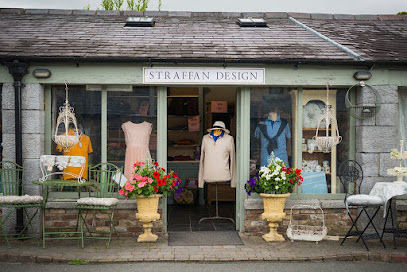
Liffey Valley Shopping Centre
11.3 km
Explore Liffey Valley Shopping Centre, Dublin's ultimate shopping destination, featuring top brands, dining options, and entertainment for all ages.
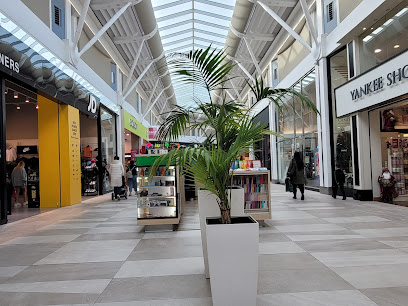
Bob & Kate's Gift and Home
12.0 km
Discover unique gifts and charming home décor at Bob & Kate's Gift and Home in Clane, where every item tells a story.
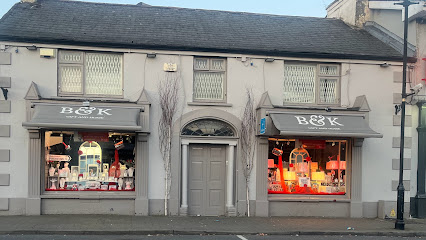
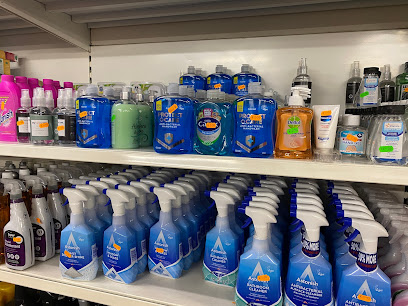
Country Market Discount Store
12.1 km
Explore the Country Market Discount Store in Clane for unique finds and local flavors at unbeatable prices, perfect for budget-friendly travel.
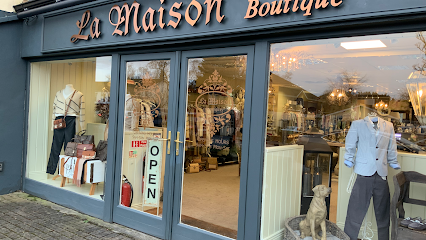
La Maison Boutique Ltd
12.2 km
Explore La Maison Boutique Ltd for unique home improvement essentials in Clane, Co. Kildare, perfect for enhancing your living space.
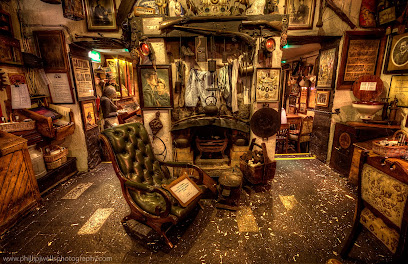
Rare Irish Stuff
14.9 km
Explore a treasure trove of unique Irish antiques and artifacts at Rare Irish Stuff, a must-visit for every traveler in Dublin.
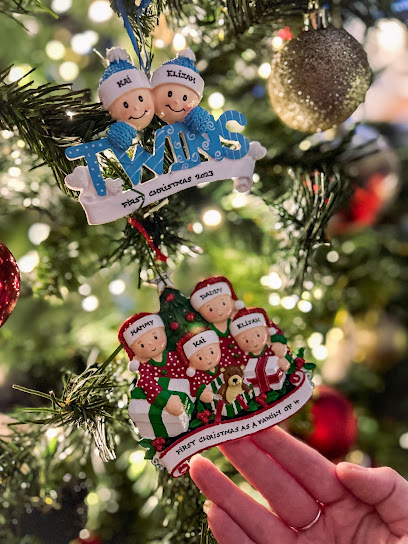
Trim The Tree
15.9 km
Discover unique gifts and local crafts at Trim The Tree, the charming gift shop in Dunshaughlin, Co. Meath, where every item tells a story.
Pink Door Gifts
16.7 km
Explore Pink Door Gifts in Ratoath for unique souvenirs and local artistry that capture the essence of Ireland.
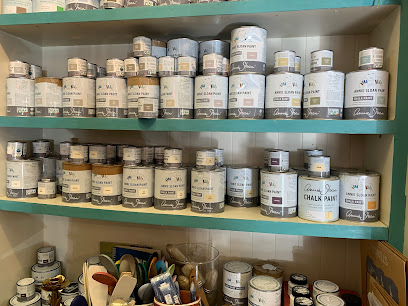
Gift Emporium
17.4 km
Explore the Gift Emporium in Charlestown, Dublin, for unique souvenirs, beautiful home goods, and charming gifts that capture the essence of Ireland.
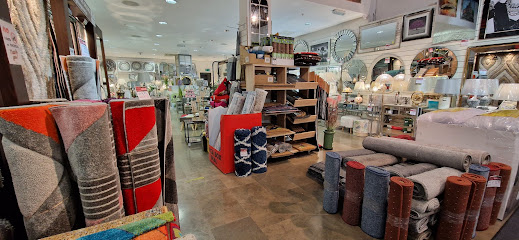
High Street Ashbourne
18.9 km
Experience the best of shopping and dining at High Street Ashbourne, the ultimate outlet mall in Co. Meath for tourists and locals alike.
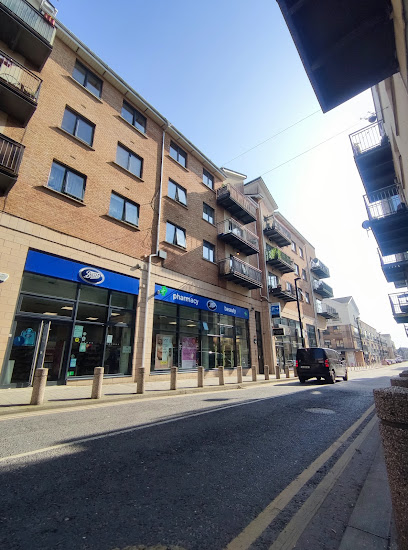
Vintage Shop
19.1 km
Uncover timeless treasures and unique collectibles at Vintage Shop in Phibsborough, Dublin, a must-visit destination for antique lovers.
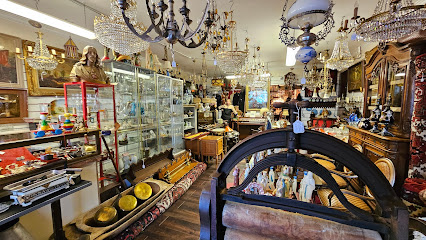
Jenny's Boutique
19.2 km
Explore Jenny's Boutique in Ashbourne for unique fashion finds and personalized shopping experiences that reflect local style.
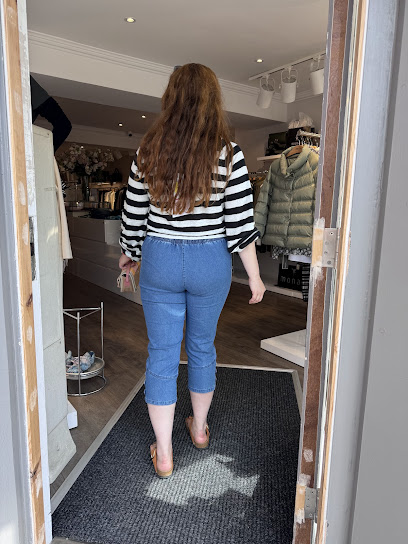
Space Out Sister | vintage shop Dublin
19.2 km
Explore Space Out Sister, Dublin's premier vintage shop, where unique clothing and accessories celebrate the charm of retro fashion in The Liberties.
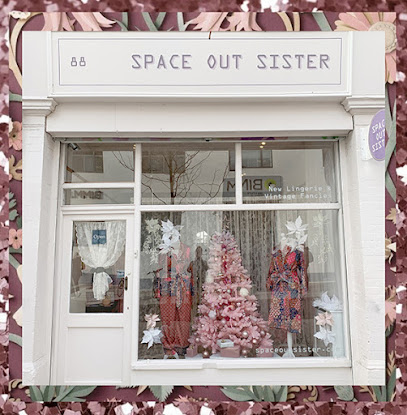
Monto
19.5 km
Explore the charm of vintage fashion at Monto, Dublin's premier destination for unique retro clothing and sustainable style.
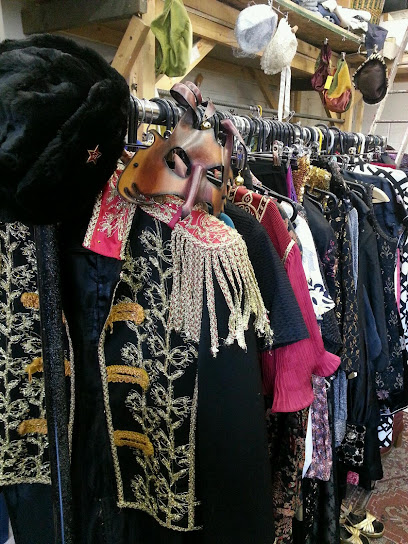
Tamp & Stitch
19.5 km
Discover unique gifts, stylish clothing, and a cozy coffee nook at Tamp & Stitch, the heart of Dublin's vibrant shopping scene.
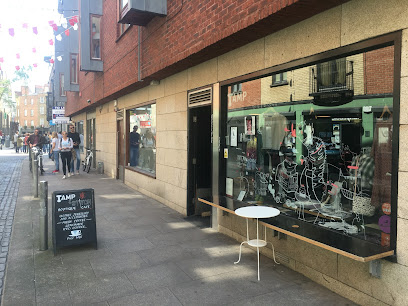
Essential bars & hidden hideouts

Brady's Clockhouse
2.4 km
Discover the vibrant atmosphere of Brady's Clockhouse in Maynooth, where delightful dining meets lively nightlife in a charming Irish pub.
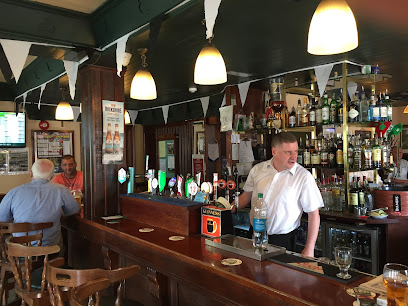
The Roost Maynooth
2.5 km
Experience the vibrant atmosphere, live music, and delicious cuisine at The Roost Maynooth, the heart of nightlife in Co. Kildare.
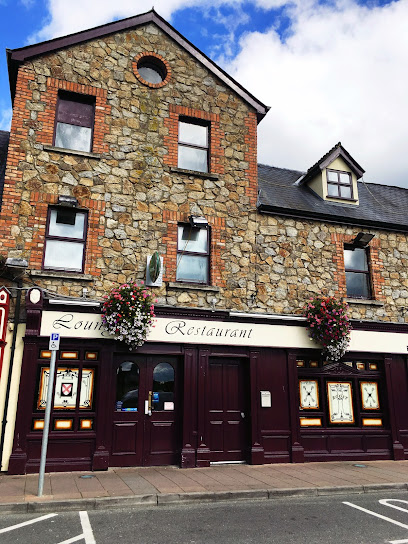
O'Connor Bar Kildrought Lounge
3.6 km
Experience the vibrant atmosphere of O'Connor Bar Kildrought Lounge in Celbridge, where traditional Irish hospitality meets contemporary style.
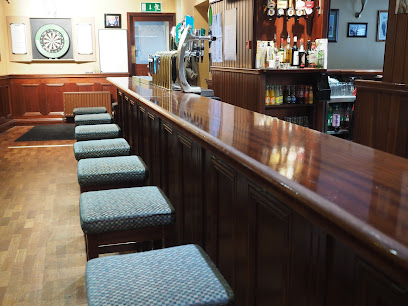
Jas Manzor The Village Inn
12.0 km
Discover the vibrant atmosphere and traditional Irish hospitality at Jas Manzor The Village Inn in Clane, Co. Kildare.
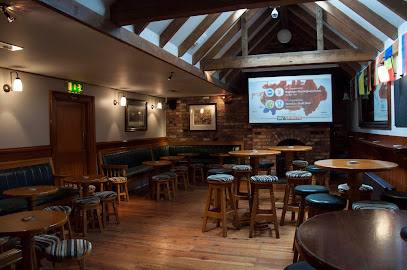
Jones Bar
12.1 km
Experience the best of Irish cuisine and hospitality at Jones Bar, a charming gastropub in Clane, Co. Kildare.
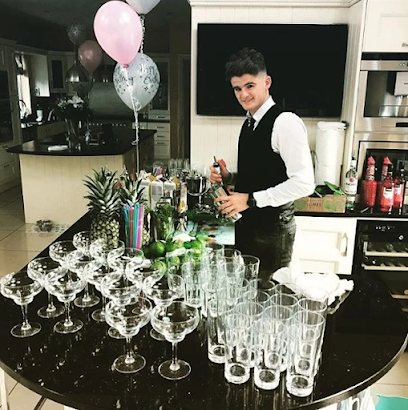
Cocktails In a Click
13.1 km
Experience the best cocktails in Dublin at Cocktails In a Click, where every drink tells a story and every visit creates a memory.
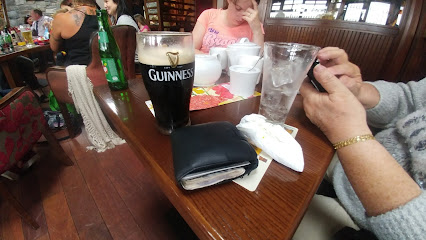
The Old House
13.5 km
Experience the charm of The Old House in Kill, Co. Kildare, where hearty meals and local brews meet Irish hospitality.
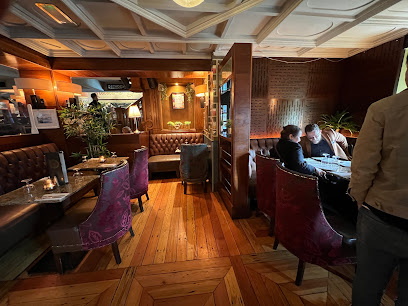
Lock 13 Gastropub & Brewpub
15.0 km
Experience the best of local cuisine and craft beers at Lock 13 Gastropub & Brewpub in Sallins, Co. Kildare, surrounded by scenic canals.
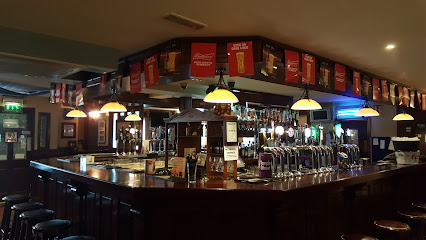
Christys Bar and Lounge
15.6 km
Experience the cozy charm of Christys Bar and Lounge in Curryhills, Co. Kildare, where great drinks and local flavors await you.
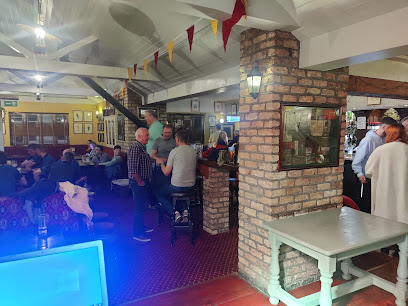
The Brazen Head
19.0 km
Discover the historical charm of The Brazen Head, Dublin's oldest pub, where tradition meets vibrant culture in a cozy Irish setting.
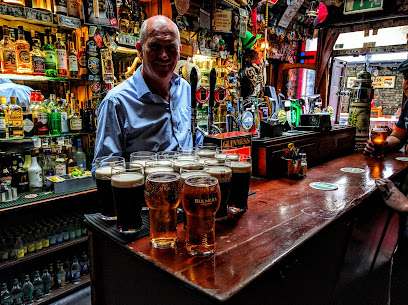
John Kavanagh The Gravediggers
19.1 km
Experience the unique ambiance of John Kavanagh The Gravediggers, a historic pub in Dublin, next to the iconic Glasnevin Cemetery.
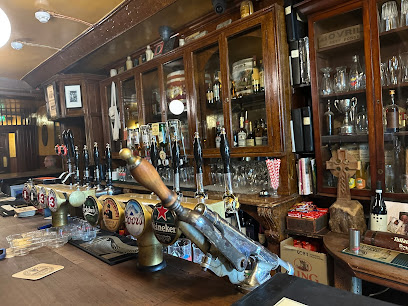
The Stags Head
19.1 km
Discover the essence of Irish pub culture at The Stags Head in Ashbourne, where tradition meets modernity in a cozy atmosphere.
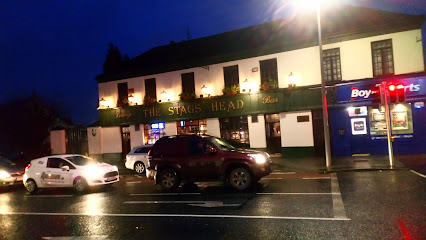
BAR 1661
19.3 km
Experience the best of Dublin's cocktail scene at Bar 1661, where unique flavors and vibrant atmosphere meet.
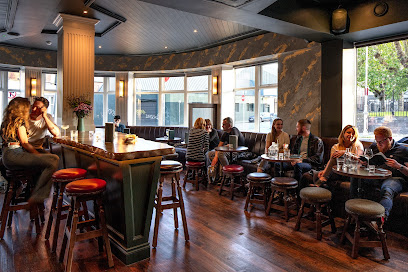
Craft Cocktails X Cuckoo Lane
19.3 km
Experience Dublin's cocktail culture at Craft Cocktails X Cuckoo Lane, where creativity meets quality in every sip.

The Hacienda Bar
19.4 km
Discover the vibrant atmosphere and unique charm of The Hacienda Bar, a must-visit spot in the heart of Dublin's nightlife.
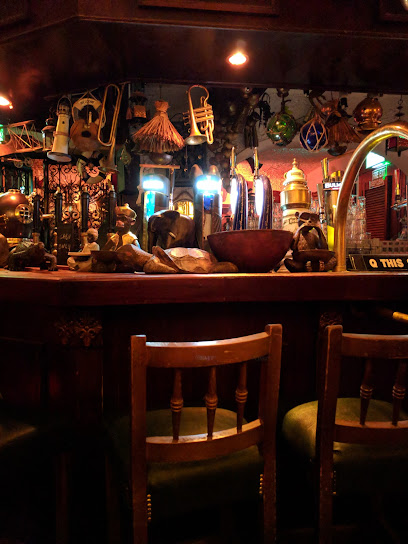
Nightclubs & after hour spots

The Henry Lounge
8.2 km
Experience elegance and relaxation at The Henry Lounge in Co. Kildare, a hidden gem within The K Club's picturesque setting.

Buzz Late Night Venue
14.2 km
Discover the vibrant nightlife at Buzz Late Night Venue, Dublin's premier spot for live music, dancing, and a fun-filled atmosphere.

Core Junior Nights
18.1 km
Experience the vibrant nightlife at Core Junior Nights in Dublin 6W, where music, dance, and fun come together for an unforgettable evening.
Encore Nightclub
18.5 km
Experience the vibrant nightlife at Encore Nightclub in Naas, Co. Kildare, where music and dancing unite for unforgettable nights.
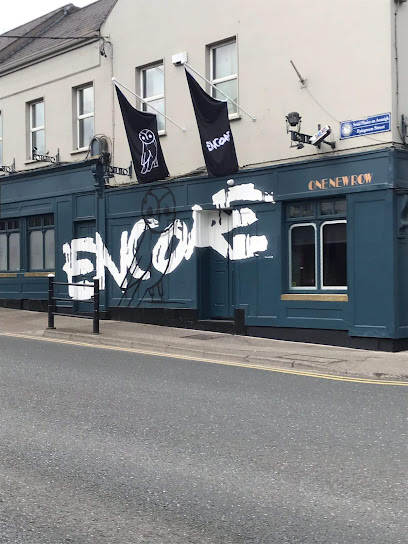
One New Row
18.5 km
Discover the vibrant nightlife at One New Row - a premier bar in Naas West, perfect for drinks, music, and socializing.
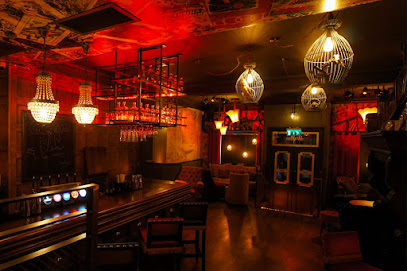
Temple Bar Emporium Casino and Lapdancing club
19.6 km
Unleash the thrill of Dublin's nightlife at Temple Bar Emporium, where casino excitement meets alluring entertainment.
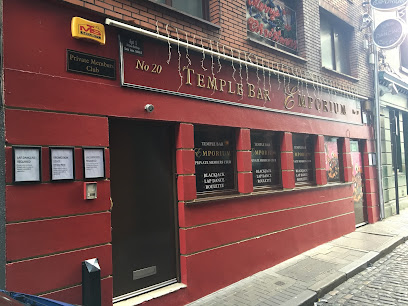
The Workman's Club
19.7 km
Experience the vibrant nightlife of Dublin at The Workman's Club, where live music and a welcoming bar atmosphere come together.
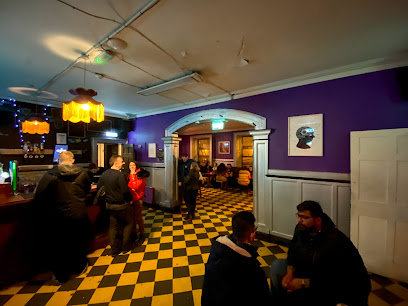
Fumar nocturno(index)
19.7 km
Discover Dublin's nightlife at Fumar Nocturno, where music, cocktails, and vibrant atmospheres create unforgettable nights.
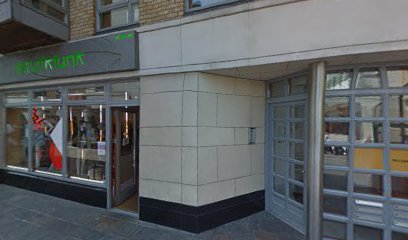
Fitzsimons Temple Bar
19.7 km
Experience Dublin's nightlife at Fitzsimons Temple Bar, where vibrant music, delicious food, and unforgettable memories await.
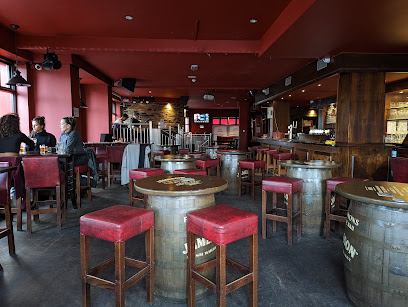
EUPHORIA
19.8 km
Experience the vibrant nightlife of Dublin at Euphoria, the premier gay nightclub in Temple Bar, perfect for dancing and celebrating inclusivity.

Centre Point
19.8 km
Discover the vibrant nightlife of Dublin at Centre Point, the ultimate destination for dancing and entertainment in Temple Bar.
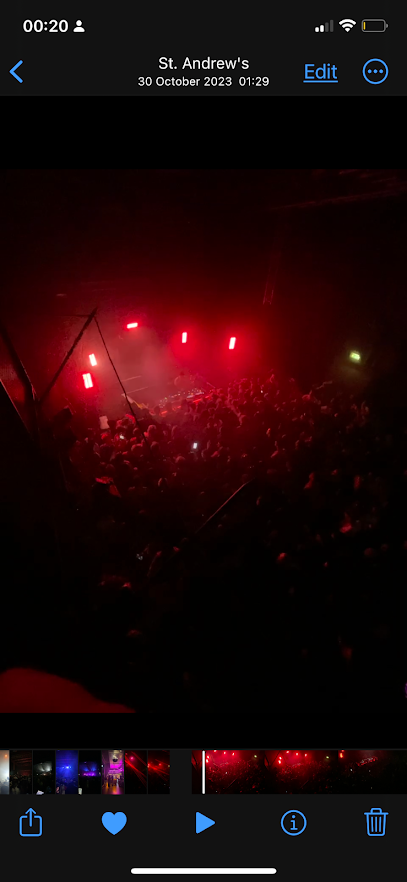
Yamamori Tengu
19.8 km
Experience Dublin's nightlife at Yamamori Tengu, a vibrant night club offering great music and an inclusive atmosphere for unforgettable evenings.
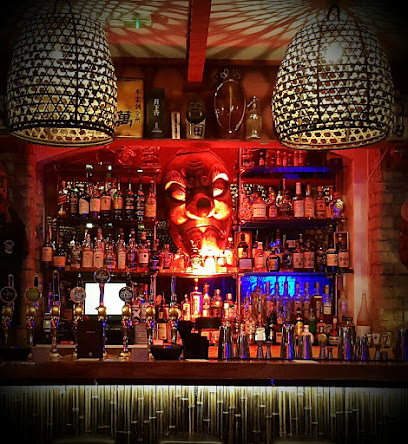
The George
19.8 km
Discover The George, Dublin's iconic gay nightclub, where vibrant nightlife, stunning performances, and a welcoming atmosphere await every visitor.
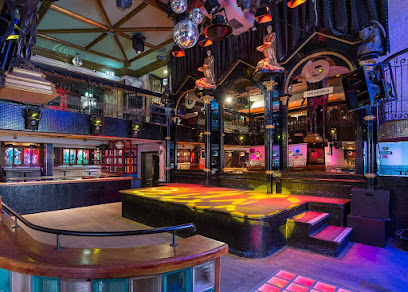
Havana Nightclub
19.9 km
Experience the pulse of Dublin's nightlife at Havana Nightclub, where music, dance, and fun come together in a vibrant setting.
Club M
19.9 km
Dive into Dublin's nightlife at Club M, a vibrant night club in Temple Bar offering eclectic music and an unforgettable dance experience.