

Free County Kildare Travel Guide & Mobile App
Explore County Kildare with free travel guides. Discover regional history, expert tips, proposed trips, and audio guides on web or mobile app.


Explore County Kildare for Irish horse country, grand estates, ancient religious heritage, canal paths, wetlands and welcoming market towns.
Read more about County Kildare
When is the best time to visit County Kildare?
Best: June–August · 18–20°C| Month | High (°C) | Rainfall (mm) |
|---|---|---|
| January | 8 | 70 |
| February | 8 | 60 |
| March | 10 | 65 |
| April | 13 | 60 |
| May | 15 | 65 |
| June (best) | 18 | 70 |
| July (best) | 20 | 75 |
| August (best) | 20 | 80 |
| September | 17 | 75 |
| October | 14 | 80 |
| November | 10 | 80 |
| December | 9 | 80 |
Getting to and around County Kildare
How to get there
Transportation
Top city travel guides in County Kildare
The cities of County Kildare, and the easiest places to base yourself.
-

-


Swipe for more cities
Destinations in County Kildare
Resorts, valleys and scenic spots worth a trip of their own.
-

-


Swipe for more destinations
Best attractions in County Kildare
County Kildare’s attractions combine landed estates, religious heritage, horse culture and accessible countryside. At Celbridge, Castletown House introduces visitors to Ireland’s Palladian country-house tradition, with gardens, parkland and restored estate buildings forming part of the wider experience. Near Maynooth, Carton House and its demesne illustrate the scale of an aristocratic landscape, while Maynooth Castle and the Royal Canal add medieval and industrial-history context. Kildare town brings together Saint Brigid associations, the cathedral precinct and the Irish National Stud, whose Japanese Gardens are among the county’s most distinctive horticultural attractions. The Curragh offers a very different encounter: an open limestone plain shaped by grazing, training and racing. Nature-focused visits can include Pollardstown Fen, an important wetland habitat, Donadea Forest Park and the peatland landscapes of western Kildare. Lullymore Heritage and Discovery Park provides a family-oriented introduction to local history, gardens and bog environments. Canal towpaths, forest trails and estate walks broaden the choice of outdoor activities, although access, terrain and opening arrangements vary between sites.
-
Park
Killiney Hill Park
Experience the breathtaking vistas and serene landscapes at Killiney Hill Park, a natural gem in Dublin perfect for relaxation and exploration.
-
Horsestable studfarm
Irish National Stud & Gardens
Explore the Irish National Stud & Gardens, a stunning blend of equestrian heritage and breathtaking gardens in the heart of County Kildare.
-
Garden
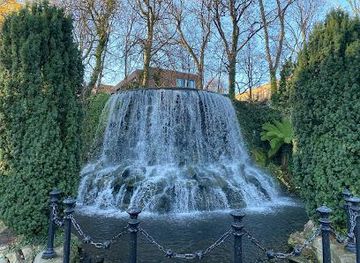
Iveagh Gardens
Discover the serene beauty of Iveagh Gardens, a hidden gem in Dublin, offering lush landscapes, historical features, and a peaceful retreat from the city.
-
Historical landmark
Castletown House
Discover Ireland's grandest Palladian house, a testament to power, architecture, and history, nestled in the scenic Kildare countryside.



Best landmarks in County Kildare
Kildare town’s cathedral and round tower form the county’s most recognisable historic group, recalling the importance of the early Christian settlement associated with Saint Brigid. The round tower is a particularly visible medieval landmark, while the cathedral precinct shows how religious buildings were repeatedly adapted over time. At Celbridge, Castletown House is a landmark of Irish Palladian architecture: its formal composition and extensive demesne express the political and social ambitions of eighteenth-century landed society. Maynooth Castle, with its surviving keep, marks the former power of the FitzGerald earls and remains a central feature of the town. Carton House and its wooded parkland provide another major architectural and landscape reference near Maynooth. The Curragh is a landmark on a different scale, an unusually open limestone plain whose identity is bound to horse training, racing and grazing. Pollardstown Fen is an important natural landmark, demonstrating the interaction of limestone groundwater, wetland ecology and long-term land use. Together these places show Kildare as a county defined by religious foundations, aristocratic estates, equestrian landscapes and distinctive inland habitats.
-
Tourist attraction
Irish National Stud & Gardens
Discover the beauty and heritage of the Irish National Stud & Gardens, where equine excellence meets stunning landscapes in Kildare.
-
Historical landmark
Castletown House
Explore the stunning Castletown House, Ireland's grand Palladian-style estate, rich in history and set amidst beautiful gardens, perfect for a cultural getaway.
-
Historical landmark
The Hell Fire Club
Discover the haunting allure of the Hell Fire Club in Dublin Mountains, a historical landmark rich in mystery and breathtaking landscapes.
-
Cemetery
Glasnevin Cemetery
Explore the deep roots of Irish history at Glasnevin Cemetery, a serene and historic tribute to the nation's remarkable figures.


Explore County Kildare on the map
Plan your trip on one map. See where the top cities, national parks and sights are, and book hotels and experiences in a few clicks.
Best hotels in County Kildare
Best restaurants in County Kildare
Dining in County Kildare reflects its farming hinterland and its close relationship with Dublin. Towns such as Maynooth, Naas, Celbridge, Newbridge and Kildare offer cafés, bakeries, gastropubs and contemporary restaurants, while rural districts are known for country inns and pub kitchens. Menus commonly draw on Irish beef, lamb, dairy produce, seasonal vegetables, breads and seafood brought inland from elsewhere in Ireland; the emphasis is usually on well-sourced produce rather than a single dish identified exclusively with the county. Farmers’ markets and farm shops provide opportunities to buy cheeses, preserves, baked goods and other products for a picnic or self-catering stay. Estate and racecourse areas may have cafés or hospitality linked to visitor facilities, but opening patterns can be seasonal. Traditional pub meals, a substantial breakfast and locally made cakes or breads remain useful ways to experience the everyday food culture of the region, while the larger towns provide the broadest choice for evening dining.
-
Restaurant
Silken Thomas
Discover Silken Thomas: A charming restaurant and gastropub in Kildare offering authentic Irish cuisine and lively entertainment.
-
Restaurant
The Dining Room at Fallon & Byrne
Elegant contemporary Irish dining in a heritage building with seasonal menus and exceptional wine.
-
American
Judge Roy Beans
Experience vibrant American cuisine at Judge Roy Beans in Newbridge – where flavor meets fun in a lively setting.
-
Gastropub
Hartes of Kildare
Discover Hartes of Kildare: A culinary gem in Market Square blending traditional Irish flavors with modern gastropub vibes.



Best bars in County Kildare
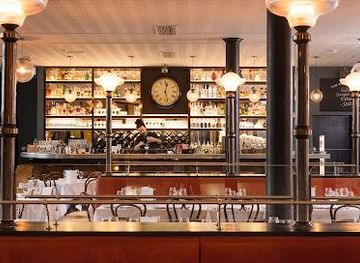
Evening life in County Kildare is centred on traditional pubs, restaurants, hotel bars and live music rather than a single large nightlife district. Maynooth has the strongest student influence, with pubs and casual venues around the university and town centre, while Naas and Newbridge provide broader choices for dining, drinks and occasional live entertainment. Kildare town and smaller market towns offer a more local pub scene, often focused on conversation, sport and music. Some larger hotels and hospitality venues associated with the county’s racing and estate traditions provide bars or evening events, but arrangements change over time. Nightclubs exist in the wider county scene but are not its defining feature, and rural visitors should not assume that venues remain open late or that public transport will run after evening activities. A planned taxi or accommodation-based journey is sensible outside the main towns.
-
 Restaurant
Silken Thomas
Discover Silken Thomas - A vibrant Irish pub and gastropub in Kildare offering delicious food, live music, and a cozy atmosphere.
-
Pub
The Roost Maynooth
Experience the vibrant atmosphere, live music, and delicious cuisine at The Roost Maynooth, the heart of nightlife in Co. Kildare.
-
Gastropub
Hartes of Kildare
Discover the true taste of Ireland at Hartes of Kildare, a top gastropub blending traditional flavors with modern flair in a vibrant atmosphere.
-
Pub
Brady's Clockhouse
Discover the vibrant atmosphere of Brady's Clockhouse in Maynooth, where delightful dining meets lively nightlife in a charming Irish pub.


Best nightclubs in County Kildare
Evening life in County Kildare is centred on traditional pubs, restaurants, hotel bars and live music rather than a single large nightlife district. Maynooth has the strongest student influence, with pubs and casual venues around the university and town centre, while Naas and Newbridge provide broader choices for dining, drinks and occasional live entertainment. Kildare town and smaller market towns offer a more local pub scene, often focused on conversation, sport and music. Some larger hotels and hospitality venues associated with the county’s racing and estate traditions provide bars or evening events, but arrangements change over time. Nightclubs exist in the wider county scene but are not its defining feature, and rural visitors should not assume that venues remain open late or that public transport will run after evening activities. A planned taxi or accommodation-based journey is sensible outside the main towns.
-
Pub
The Roost Maynooth
Experience the vibrant nightlife and delicious culinary offerings at The Roost Maynooth, a premier pub and live music venue in Co. Kildare.
-
Bar
One New Row
Discover the vibrant nightlife at One New Row - a premier bar in Naas West, perfect for drinks, music, and socializing.
-
Sports bar
Mc Gowan's Newbridge
Discover Mc Gowan's Newbridge, a lively sports bar known for its great food, drinks, and vibrant nightlife in the heart of Co. Kildare.
-
Bar
Christys Bar and Lounge
Discover the heart of Irish hospitality at Christys Bar and Lounge in Co. Kildare, where good company and great drinks await.


Best shops in County Kildare
Shopping in County Kildare is spread across market towns, suburban centres, estate-linked retail and rural food businesses rather than concentrated in one historic shopping quarter. Maynooth and Naas offer the widest everyday choice, with high-street shops, cafés, services and independent businesses, while Newbridge has a strong retail presence and is associated with jewellery, fashion and the Newbridge Silverware visitor and retail complex. Kildare Village, near Kildare town, is a designer outlet outside the traditional town-centre pattern and is useful for visitors seeking branded fashion, though it should be treated as a separate commercial destination. Farmers’ markets, farm shops and local food producers are better places to look for preserves, baked goods, cheeses and seasonal produce. Independent galleries, craft shops, bookshops and antique businesses appear in the larger towns, while heritage attractions often stock Irish-made gifts, books and garden-related products. Visitors interested in regional character should prioritise food, craft and equestrian-themed items over generic souvenirs, and check market days or seasonal retail arrangements before making a special journey.
-
Shopping mall
Kildare Village
Explore Kildare Village, Ireland's premier outlet mall, featuring luxury brands, charming boutiques, and delightful dining experiences in a picturesque setting.
-
Shopping mall
Whitewater Shopping Centre
Experience the best of shopping, dining, and entertainment at Whitewater Shopping Centre, Newbridge's vibrant retail hub.
-
Farm
Kildare Farm Foods, Open Farm & Shop
Discover the charm of Kildare Farm Foods: an open farm, delightful café, and unique farm shop experience in the heart of Ireland.
-
Gift shop
Newbridge Silverware
Explore Newbridge Silverware in Kildare - where elegant craftsmanship meets delightful dining and rich cultural experiences.


Get your free copy of our complete guide to County Kildare, delivered straight to you.
Everything on this page, from attractions and restaurants to essentials and local phrases, in one PDF you can read offline, print or share.
Already have an account? Sign in
Your County Kildare guide is ready.
We'll send it to · Not you? Sign out

Getting your guide ready…
We are putting together a fresh copy of the County Kildare guide. This can take up to a minute.
This can take a few moments. If your browser asks, choose Allow so the download can start. You'll find the guide in your Downloads folder.
Nothing happened? Download it again
Sorry, the guide is taking longer than usual. Please try again in a minute, or get it by email instead.
County Kildare essentials
Currency and Payment
Safety
Emergency Situations
Do's and Don'ts
Local Tips
From Eve
Local phrases worth knowing
You don't need to get them perfect. A few words go a long way, and locals appreciate the effort.
Basics
| English | Local | Say it |
|---|---|---|
| Hello | Hello | [həˈloʊ] |
| Goodbye | Goodbye | [ɡʊdˈbaɪ] |
| Yes | Yes | [jɛs] |
| No | No | [noʊ] |
| Please/You're welcome | Please/You're welcome | [pliz/jʊər ˈwɛlkəm] |
| Thank you | Thank you | [θæŋk ju] |
| Excuse me/Sorry | Excuse me/Sorry | [ɪkˈskjus mi/ˈsɔri] |
| How are you? | How are you? | [haʊ ɑr ju] |
| Fine. And you? | Fine. And you? | [faɪn. ənd ju] |
| Do you speak English? | Do you speak English? | [du ju spik ˈɪŋɡlɪʃ] |
| I don't understand | I don't understand | [aɪ doʊnt ˌʌndərˈstænd] |
Eating & Drinking
| English | Local | Say it |
|---|---|---|
| I'd like to see the menu, please | I'd like to see the menu, please | [aɪd laɪk tə si ðə ˈmɛnju, pliz] |
| I don't eat meat | I don't eat meat | [aɪ doʊnt it miːt] |
| Cheers! | Cheers! | [ʧɪrz] |
| I would like to pay, please | I would like to pay, please | [aɪ wəd laɪk tə peɪ, pliz] |
Emergencies
| English | Local | Say it |
|---|---|---|
| Help! | Help! | [hɛlp] |
| Go away! | Go away! | [ɡoʊ əˈweɪ] |
| Call the Police! | Call the Police! | [kɔl ðə pəˈlis] |
| Call a doctor! | Call a doctor! | [kɔl ə ˈdɑktər] |
| I'm lost | I'm lost | [aɪm lɔst] |
| I'm ill | I'm ill | [aɪm ɪl] |
Shopping
| English | Local | Say it |
|---|---|---|
| I'd like to buy... | I'd like to buy... | [aɪd laɪk tə baɪ...] |
| I'm just looking | I'm just looking | [aɪm dʒʌst ˈlʊkɪŋ] |
| How much is it? | How much is it? | [haʊ mʌʧ ɪz ɪt] |
| That's too expensive | That's too expensive | [ðæts tu ɪkˈspɛnsɪv] |
| Can you lower the price? | Can you lower the price? | [kən ju ˈloʊər ðə praɪs] |
Time & Numbers
| English | Local | Say it |
|---|---|---|
| What time is it? | What time is it? | [wʌt taɪm ɪz ɪt] |
| It's one o'clock | It's one o'clock | [ɪts wʌn əˈklɒk] |
| Half past (10) | Half past (10) | [hæf pæst (10)] |
| Morning | Morning | [ˈmɔrnɪŋ] |
| Afternoon | Afternoon | [ˌæftərˈnun] |
| Evening | Evening | [ˈivnɪŋ] |
| Yesterday | Yesterday | [ˈjɛstərdeɪ] |
| Today | Today | [təˈdeɪ] |
| Tomorrow | Tomorrow | [təˈmɑroʊ] |
| 1 | 1 | [wʌn] |
| 2 | 2 | [tu] |
| 3 | 3 | [θri] |
| 4 | 4 | [fɔr] |
| 5 | 5 | [faɪv] |
| 6 | 6 | [sɪks] |
| 7 | 7 | [sɛvən] |
| 8 | 8 | [eɪt] |
| 9 | 9 | [naɪn] |
| 10 | 10 | [tɛn] |
Transport & Directions
| English | Local | Say it |
|---|---|---|
| Where's a/the...? | Where's a/the...? | [wɛrz ə/ðə...?] |
| What's the address? | What's the address? | [wʌts ðə əˈdrɛs] |
| Can you show me (on the map)? | Can you show me (on the map)? | [kən ju ʃoʊ mi (ɑn ðə mæp)?] |
| When's the next (bus)? | When's the next (bus)? | [wɛn z ðə nɛkst (bʌs)?] |
| A ticket (to ....) | A ticket (to ....) | [ə ˈtɪkɪt (tə ....)] |
History of County Kildare
Early Christianity and Saint Brigid
Kildare town grew around an early Christian foundation traditionally associated with Saint Brigid, one of Ireland’s most important saints. The monastery became a major religious centre, and its memory remains closely connected with the cathedral precinct, the round tower and the enduring traditions surrounding Brigid. The precise details of the early foundation belong partly to medieval tradition, but Kildare’s religious importance is firmly reflected in its surviving ecclesiastical landscape and in the county’s continued cultural association with Saint Brigid.
Anglo-Norman Settlement and Medieval Kildare
From the late twelfth century, Anglo-Norman settlement reshaped parts of Kildare. Castles, manorial centres and religious houses were established across the fertile lands west of Dublin, while towns such as Naas and Maynooth developed greater administrative and economic importance. The FitzGerald family, later Earls of Kildare, became particularly influential. Their power connected Kildare to the political affairs of the lordship and later kingdom of Ireland, leaving a legacy visible in estates, ecclesiastical sites and castle remains.
The FitzGeralds and Renaissance Maynooth
Maynooth Castle was a principal stronghold of the FitzGeralds, Earls of Kildare, whose political influence reached its height in the fifteenth and early sixteenth centuries. The castle became an important centre of authority before the family’s fortunes changed during the Tudor period. Although much of the medieval complex is ruinous, the surviving keep and associated structures provide a tangible reminder of the family’s role in Irish politics and of Maynooth’s importance as a strategic settlement close to Dublin.
Canals, Estates and Eighteenth-Century Improvement
The eighteenth century brought major changes to Kildare’s transport network, agriculture and landed estates. The Grand Canal reached the county, while the Royal Canal later passed through the north-east, improving movement between Dublin and the inland regions. At the same time, wealthy landowners developed formal houses, landscaped demesnes and planned improvements. Castletown House at Celbridge and the evolving estate at Carton near Maynooth are among the clearest architectural expressions of this period, when Palladian design and ordered landscapes signalled status and ambition.
The Curragh and the Rise of Irish Racing
The open grasslands of the Curragh have long been used for grazing and military purposes, but their distinctive association with horse racing and training developed over centuries. The Curragh Racecourse became a major venue for Irish racing, while nearby breeding operations helped make Kildare a centre of the thoroughbred industry. The landscape’s racing history is inseparable from its physical openness: it provides training ground, pasture and a nationally important sporting setting rather than a conventional enclosed park.
The Great Famine and Rural Change
Kildare experienced the population loss, hardship and economic disruption that affected Ireland during the Great Famine of the 1840s. The county’s agricultural economy, market towns and canal and railway connections shaped how food, labour and people moved through the region. Later nineteenth-century improvements in rail transport strengthened links with Dublin and supported the growth of towns such as Naas, Newbridge and Maynooth. These changes contributed to the modern pattern of commuter settlements alongside large rural estates and farming districts.
Peatlands, Industry and Modern Kildare
The peatlands of western and central Kildare formed part of the wider Bog of Allen, where turf cutting and later industrial peat extraction became important sources of fuel and employment. Peatland use also left a complex environmental legacy, prompting greater attention to habitats such as Pollardstown Fen and to the conservation of bog landscapes. In the later twentieth and early twenty-first centuries, Kildare’s proximity to Dublin encouraged rapid residential, commercial and transport development, while horse breeding, agriculture, heritage tourism and wetland conservation remained important parts of its identity.
County Kildare in Photos
Browse through our photo collection highlighting the charm and character of the destination.
Neighbouring regions of County Kildare
The closest regions to County Kildare, if you have time for more than one.
-

-

-

-
-


Swipe for more regions
Explore more
Explore more of Ireland
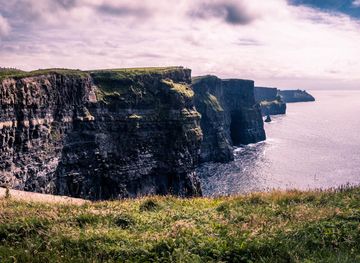
Discover Ireland: A land of enchanting landscapes, rich history, and vibrant culture, where every corner tells a story and every visit feels like coming home.
Explore Ireland