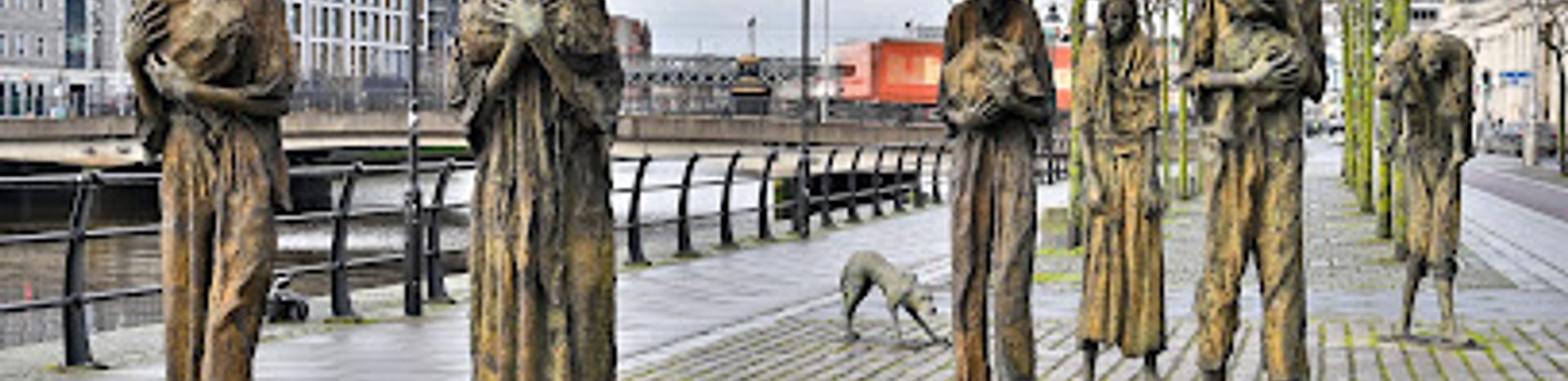
The Famine Memorial: A Tribute to Resilience
Explore The Famine Memorial in Dublin, a poignant sculpture reflecting the resilience of the Irish people during the Great Famine.
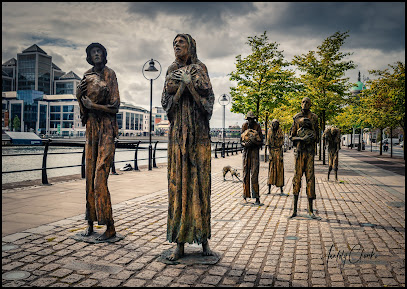
Nestled along Custom House Quay in Dublin, The Famine Memorial stands as a poignant tribute to the great Irish Famine of the 19th century. This striking sculpture, created by the renowned artist Rowan Gillespie, depicts emaciated figures that evoke deep emotions and reflection on Ireland's history. As you stroll along the river, take a moment to contemplate the stories and struggles of those who suffered during this tragic period, making it a must-visit for anyone seeking to understand the heart of Irish culture.
A brief summary to The Famine Memorial
- Custom House Quay, Dublin, North Wall, IE
- Visit website
- Monday 12 am-12 am
- Tuesday 12 am-12 am
- Wednesday 12 am-12 am
- Thursday 12 am-12 am
- Friday 12 am-12 am
- Saturday 12 am-12 am
- Sunday 12 am-12 am
Local tips
- Visit early in the morning or late afternoon for a quieter experience.
- Take time to read the accompanying plaques for deeper insights into the history.
- Bring a camera for stunning river views, especially during sunset.
- Pair your visit with a walk along the river to enjoy other historical landmarks nearby.

Getting There
-
Car
If you're traveling by car from any location in the Wicklow Mountains, head towards the N11 road. Take the N11 towards Dublin and continue until you reach the junction with the M50 motorway. Merge onto the M50 and follow the signs for the city center. Take exit 9 for the N4 towards the city center. Continue straight until you reach Custom House Quay, where The Famine Memorial is located. There are parking options nearby, but expect to pay for parking in the city.
-
Public Transportation (Bus)
To reach The Famine Memorial via public transportation, take a bus from the Wicklow Mountains to Dublin. Look for services such as the 133 or the 185, which connect to Dublin city center. Once in Dublin, disembark at the nearest stop to Custom House Quay. From there, it's a short walk to The Famine Memorial. Ensure you check the latest bus schedules, and note that fares may vary, so have some cash or a Leap Card ready for payment.
-
Public Transportation (Train)
Another option is to take a train from Wicklow to Dublin. Board a train at Wicklow Station heading towards Dublin. Once you arrive at Dublin's Pearse Station, exit the station and walk towards Custom House Quay. This is approximately a 15-20 minute walk. As with bus travel, ensure you check the train schedules ahead of time and purchase a ticket before boarding.
Discover more about The Famine Memorial
Iconic landmarks you can’t miss

Custom House Quay
0.0 km
Experience the vibrant atmosphere and historical charm of Custom House Quay, Dublin's iconic waterfront location along the River Liffey.
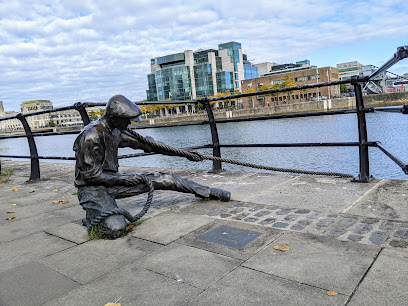
The Linesman
0.1 km
Discover The Linesman, a captivating sculpture in Dublin Docklands, celebrating maritime heritage and artistry amidst the vibrant waterfront.
Patrick Sheahan Memorial
0.5 km
Explore the Patrick Sheahan Memorial in Dublin, a historical landmark honoring heritage and culture amidst the vibrant cityscape.
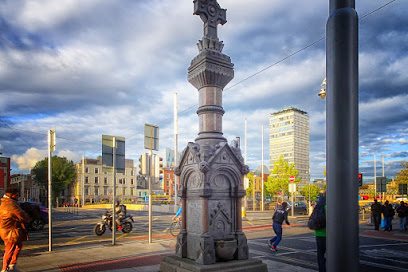
Trinity College Dublin
0.6 km
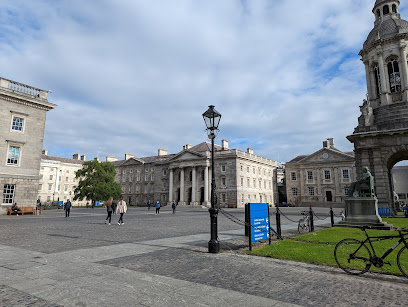
Discover Trinity College Dublin, a historic university brimming with academic excellence, stunning architecture, and cultural treasures like the Book of Kells.
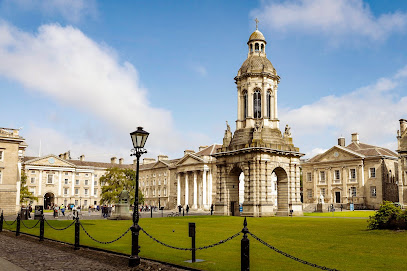
Museum Building (Geology, Geography and Civil Engineering)
0.6 km
Uncover the geological treasures and architectural beauty of Trinity College Dublin's Museum Building, a highlight for any visitor in Ireland's capital.
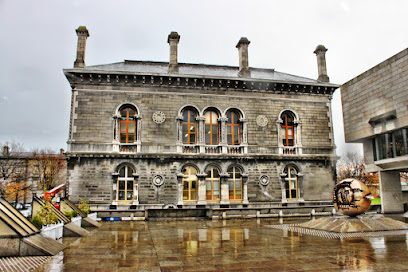
The National Wax Museum Plus
0.6 km
Experience the magic of lifelike figures at The National Wax Museum Plus in Dublin, where history, culture, and fun come together.
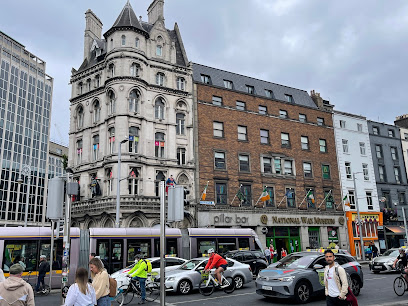
Ecological Museum at Trinity College
0.6 km
Explore the Ecological Museum at Trinity College Dublin for an enriching journey through natural history and biodiversity.
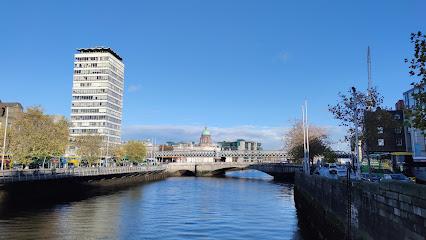
O'Connell Bridge
0.6 km
Explore O'Connell Bridge in Dublin, a historic and lively landmark connecting the city with stunning views and cultural experiences.
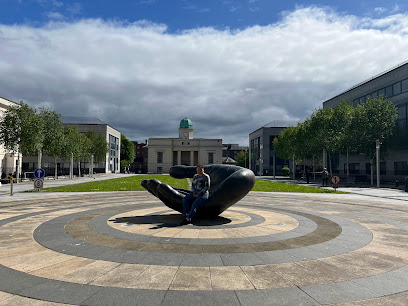
The Wishing Hand
0.6 km
Discover the enchanting charm and historical significance of The Wishing Hand, a must-visit tourist attraction in the heart of Dublin.
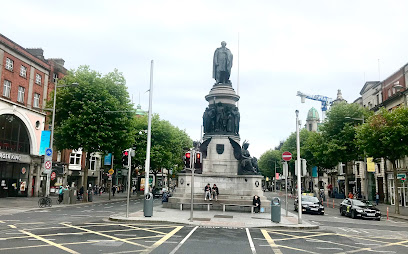
O'Connell Monument
0.6 km
Explore the O'Connell Monument, a majestic tribute to Irish history nestled in the vibrant heart of Dublin, surrounded by culture and charm.
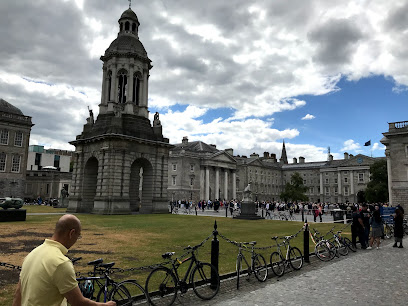
The Campanile of Trinity College
0.6 km
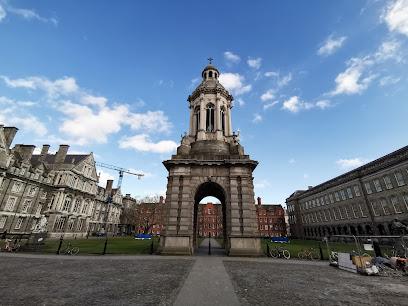
Discover the Campanile of Trinity College, Dublin's iconic monument blending history, architecture, and scholarly tradition in a tranquil setting.
William Smith O'Brien Statue
0.6 km
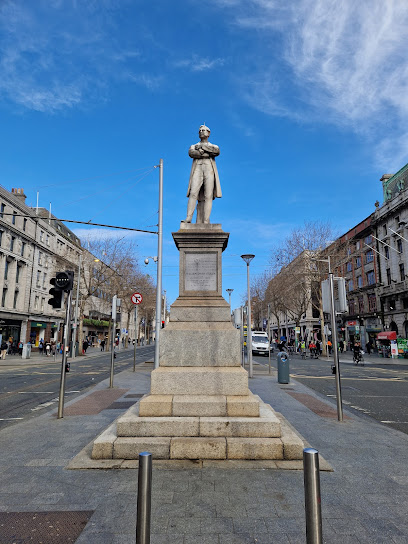
Discover the William Smith O'Brien Statue in Dublin, a significant monument reflecting Ireland's rich heritage and historical struggles for independence.
The Book of Kells Experience
0.6 km
Discover the artistry and history of the Book of Kells at Trinity College Dublin, a captivating journey into Ireland's medieval literary heritage.
Jim Larkin Statue
0.7 km
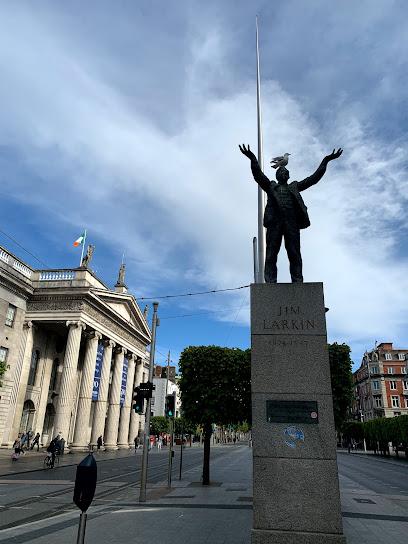
Explore the Jim Larkin Statue in Dublin, a powerful monument celebrating the legacy of Irish labor rights and social justice.
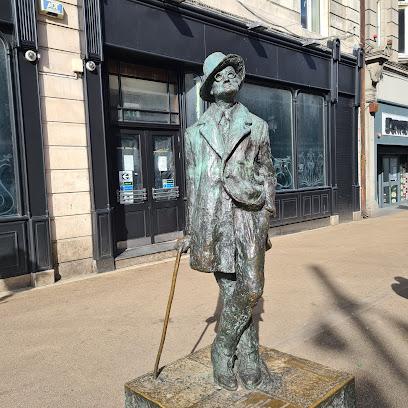
James Joyce Statue
0.7 km
Discover the heart of Dublin's literary heritage at the James Joyce Statue, a must-see for all book lovers and cultural enthusiasts.
Unmissable attractions to see

World Poverty Stone
0.0 km
Discover the World Poverty Stone in Dublin, a poignant monument at North Wall that highlights the global fight against poverty amidst stunning riverside views.
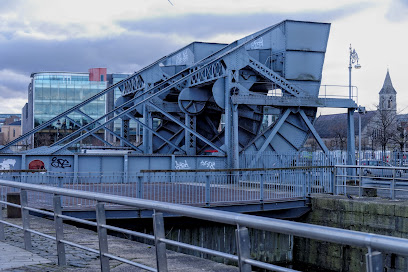
Scherzer Rolling Lift Bridges
0.1 km
Experience the architectural wonder of Scherzer Rolling Lift Bridges in Dublin, a blend of beauty and functionality on the River Liffey.
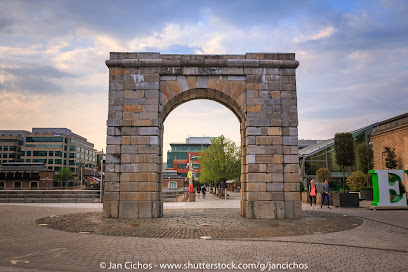
Triumphal Arch
0.1 km
Discover Dublin's Triumphal Arch, a stunning historical landmark that reflects the city's rich heritage and architectural beauty.
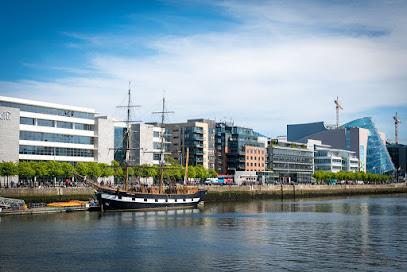
The Jeanie Johnston: An Irish Famine Story
0.1 km
Explore the moving story of the Jeanie Johnston, a symbol of hope during the Irish Famine, at this engaging museum in Dublin.
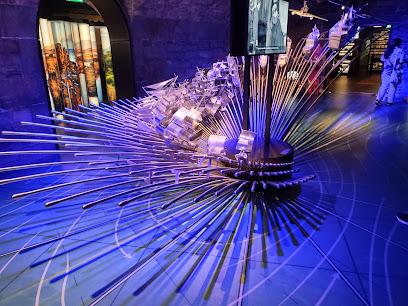
EPIC The Irish Emigration Museum
0.1 km
Explore the captivating story of the Irish diaspora at EPIC The Irish Emigration Museum in Dublin, a journey through history and identity.
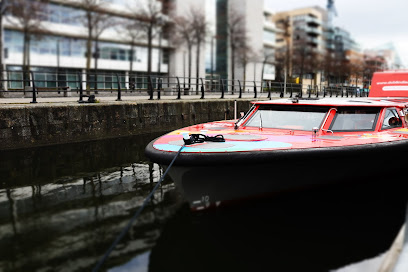
Dublin Discovered Boat Tours
0.1 km
Explore Dublin's iconic sights from a unique vantage point on the River Liffey with Dublin Discovered Boat Tours, your gateway to the city's rich heritage.
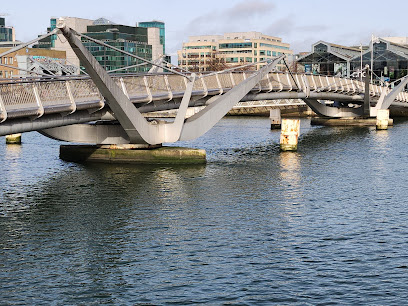
Seán O'Casey Bridge
0.2 km
Discover the Seán O'Casey Bridge, a stunning pedestrian bridge in Dublin that offers breathtaking views and a taste of the city's vibrant culture.
CHQ Dublin
0.2 km
Discover the cultural heartbeat of Dublin at CHQ, where history meets modernity with exceptional dining, shopping, and events along the River Liffey.
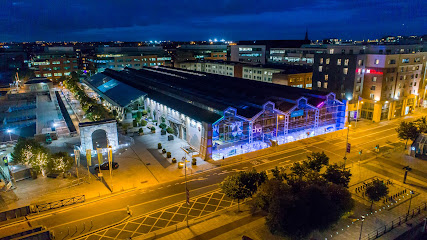
Irish Seaman's National Memorial (1990) by Niall Montgomery
0.2 km
Explore the Irish Seaman's National Memorial in Dublin, a heartfelt tribute to maritime heroes showcasing Ireland's rich seafaring history.
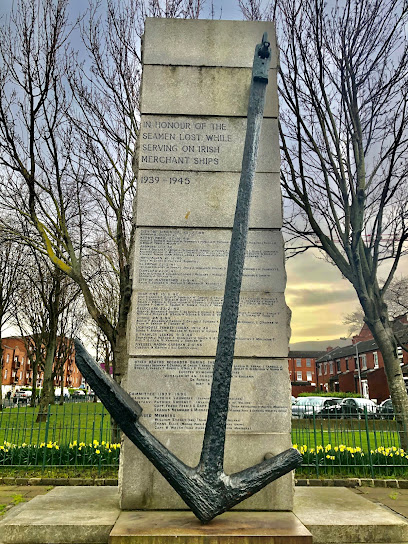
Custom House Visitor Centre
0.2 km
Discover the architectural beauty and historical significance of Dublin at the Custom House Visitor Centre, an essential stop for history lovers.
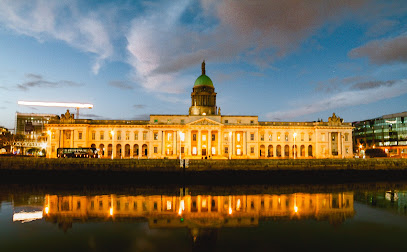
The Custom House
0.3 km
Discover the architectural beauty and historical significance of The Custom House, a must-visit landmark in Dublin that reflects Ireland's rich heritage.
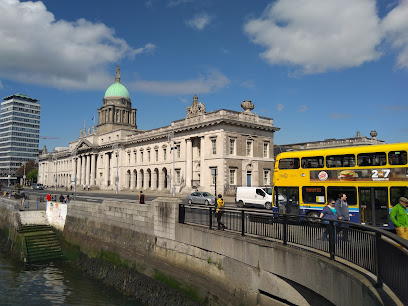
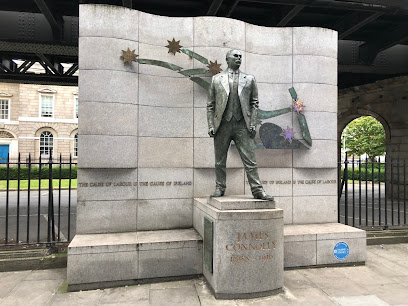
James Connolly Memorial
0.3 km
Explore the James Connolly Memorial in Dublin, a poignant tribute to Ireland's revolutionary spirit and a reflection of the fight for social justice.
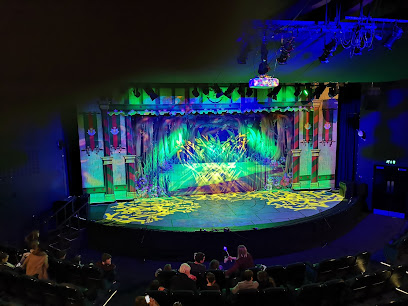
Liberty Hall Theatre
0.4 km
Discover the heart of Dublin's performing arts at Liberty Hall Theatre, an iconic venue offering diverse shows and unforgettable experiences.
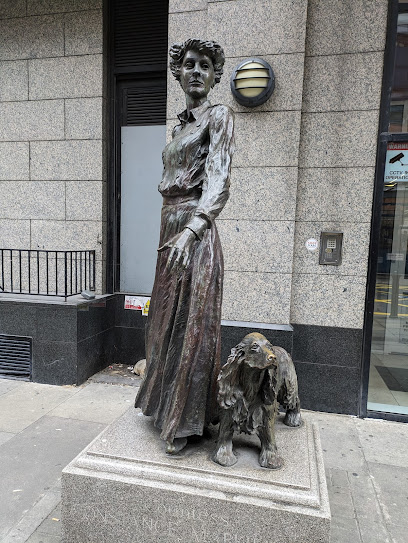
Constance Markievicz and Poppet (1998) by Elizabeth McLaughlin
0.4 km
Explore the Constance Markievicz and Poppet sculpture in Dublin, a tribute to a pioneering figure in Irish history and women's rights.
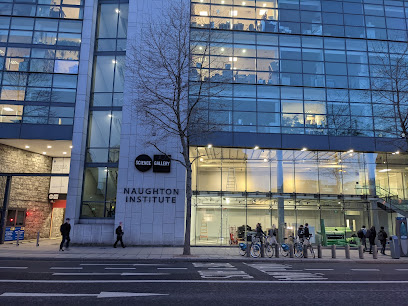
Science Gallery Dublin
0.4 km
Explore the intersection of art and science at Science Gallery Dublin, a dynamic cultural center within Trinity College that inspires curiosity and creativity.
Essential places to dine

The Vintage Kitchen
0.4 km
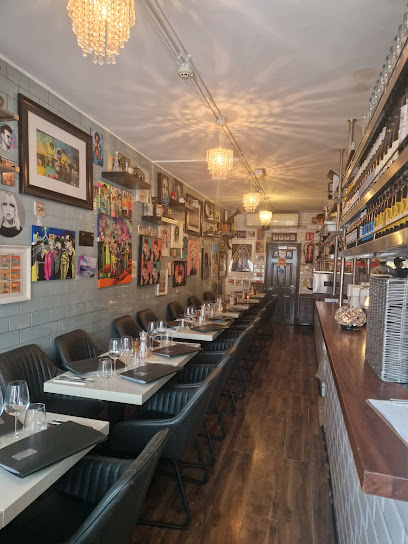
Discover authentic Irish flavors at The Vintage Kitchen in Dublin, where local ingredients meet warm hospitality.
Courtyard Restaurant
0.4 km
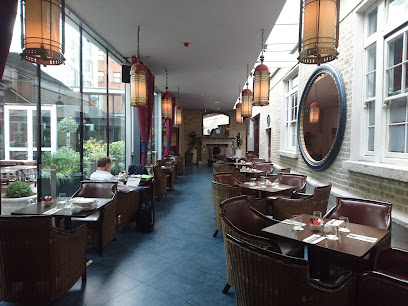
Experience authentic Irish cuisine at the Courtyard Restaurant in Dublin's vibrant heart; savor tradition in every bite.
D'Olier Street Restaurant
0.5 km
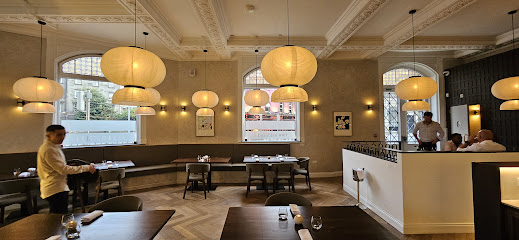
Discover exquisite Irish cuisine at D'Olier Street Restaurant in Dublin - where fine dining meets exceptional service.
101 Talbot
0.5 km
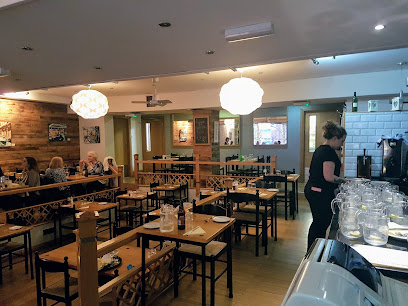
Discover the flavors of Europe at 101 Talbot, Dublin's premier restaurant offering a delightful dining experience in a warm atmosphere.
The Buttery
0.6 km
Experience authentic Irish cuisine at The Buttery - a cozy restaurant in Dublin known for its friendly service and budget-friendly prices.
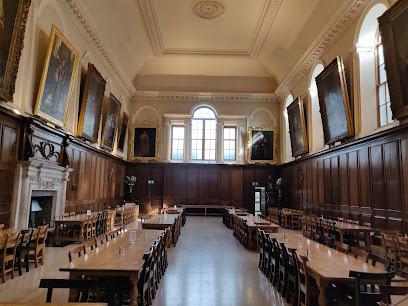
The 1592 Restaurant
0.6 km
Experience exquisite Irish cuisine at The 1592 Restaurant in Trinity College Dublin - where history meets culinary delight.
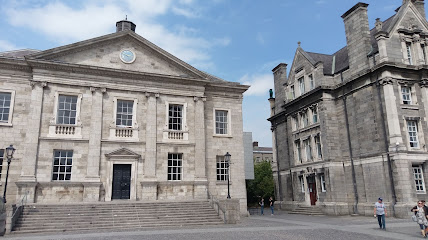
The East Dining Hall
0.6 km
Experience authentic Irish cuisine at The East Dining Hall in Dublin Southside - where tradition meets flavor.
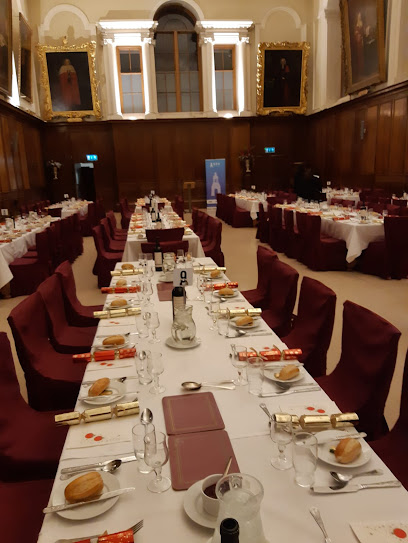
Lotus Eaters
0.7 km
Experience exquisite Asian fusion cuisine at Lotus Eaters in Dublin - where local Irish ingredients meet innovative culinary artistry.
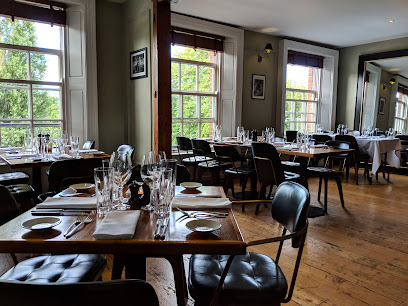
The Pig's Ear
0.7 km
Experience modern Irish cuisine at The Pig's Ear, where local ingredients meet culinary creativity in Dublin’s vibrant dining scene.
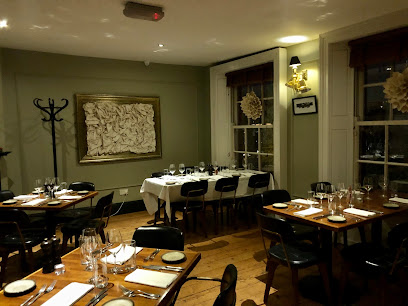
Note Dublin
0.7 km
Experience innovative Spanish cuisine at Note Dublin – where every dish tells a story in the heart of Ireland's vibrant capital.
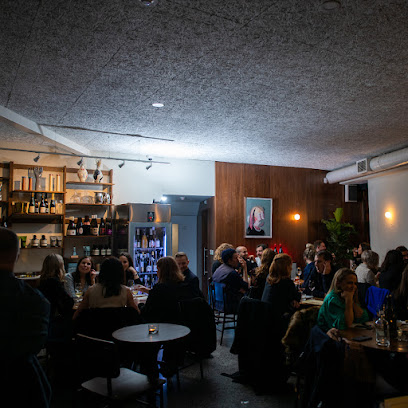
Speranza Restaurant @ The Mont
0.7 km
Experience authentic Italian flavors in the heart of Dublin at Speranza Restaurant – where every dish tells a story.
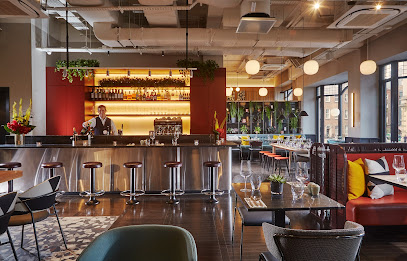
Kilkenny Café
0.8 km
Discover Kilkenny Café at Trinity College Dublin - where delightful flavors meet historical charm in every bite.
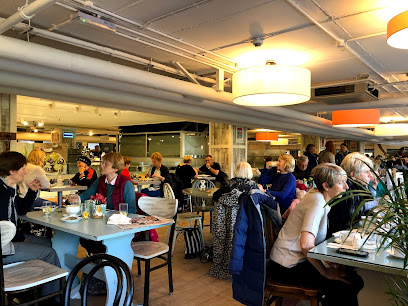
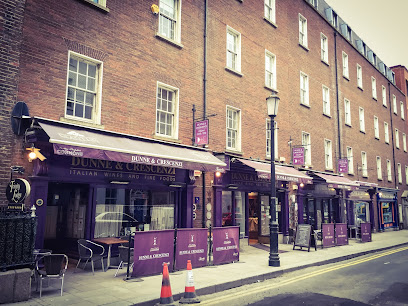
Dunne and Crescenzi
0.8 km
Experience authentic Italian flavors at Dunne and Crescenzi in Dublin – where culinary tradition meets modern dining.
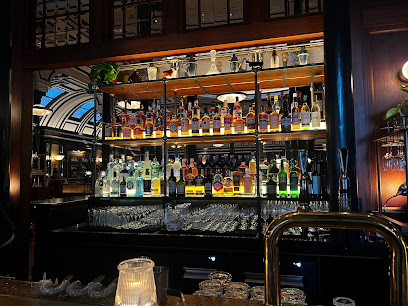
Hawksmoor Dublin
0.8 km
Experience culinary excellence at Hawksmoor Dublin - where premium steaks meet delightful cocktails in a stunning setting.
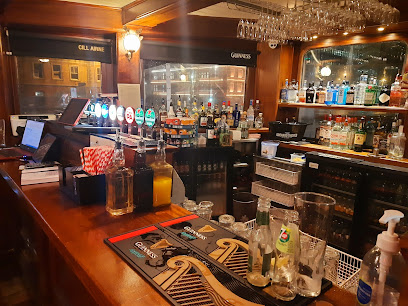
MV Cill Airne
0.8 km
Discover the essence of modern European cuisine at MV Cill Airne – where exceptional flavors meet breathtaking riverside views in Dublin.
Markets, malls and hidden boutiques

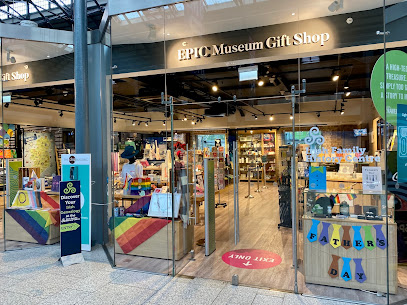
EPIC Museum Gift Shop
0.1 km
Explore the EPIC Museum Gift Shop for unique Irish gifts and souvenirs that showcase the rich heritage of Ireland.
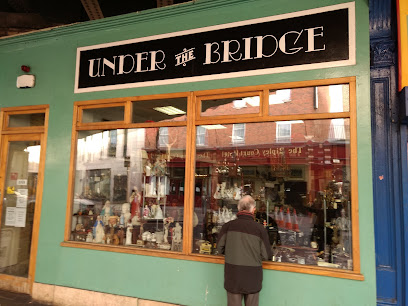
Under The Bridge
0.3 km
Explore Under The Bridge, Dublin’s charming antique store, where unique vintage treasures await every curious traveler.
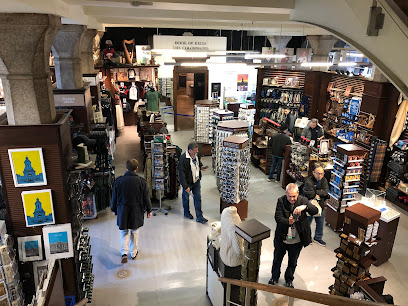
Trinity Gift Shop
0.6 km
Discover unique Irish gifts and souvenirs at Trinity Gift Shop, nestled in the historic Trinity College Dublin, a must-visit for every traveler.
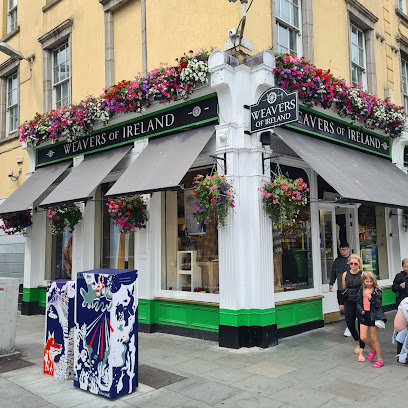
The Irish Store
0.7 km
Discover The Irish Store in Dublin, where authentic Irish goods, clothing, and jewelry await to enrich your travel experience.
The shop of nice things
0.7 km
Explore The Shop of Nice Things in Dublin, where unique gifts and home goods embody the charm and creativity of Irish craftsmanship.
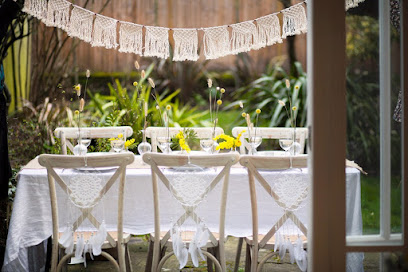
Bears and Co
0.7 km
Explore the charm of Dublin through unique souvenirs and local artisan treasures at Bears and Co, your go-to gift shop in North City.

The Gallery Shop
0.7 km
Explore The Gallery Shop in Dublin for unique gifts and art-inspired treasures that reflect Ireland's rich cultural heritage.
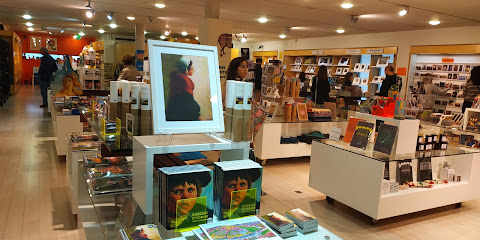
Kilkenny Design
0.7 km
Explore Kilkenny Design, Dublin's premier destination for authentic Irish goods, delightful café experiences, and unique local craftsmanship.
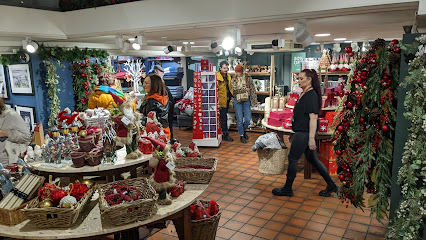
Carrolls Irish Gifts
0.8 km
Explore Carrolls Irish Gifts in Dublin for an unparalleled selection of authentic Irish souvenirs and gifts, capturing the heart of Ireland.
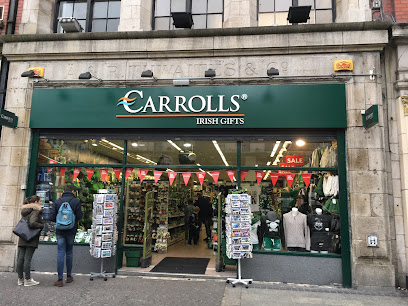
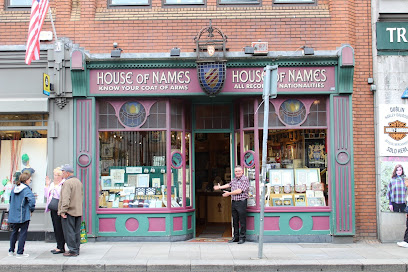
The House of Names
0.8 km
Explore your heritage at The House of Names, a unique gift shop in Dublin offering personalized family crests and Irish heritage gifts.
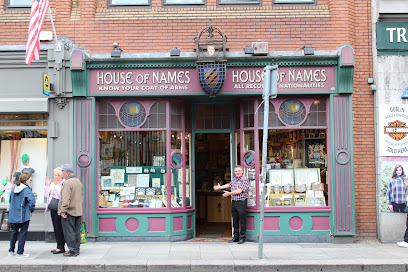
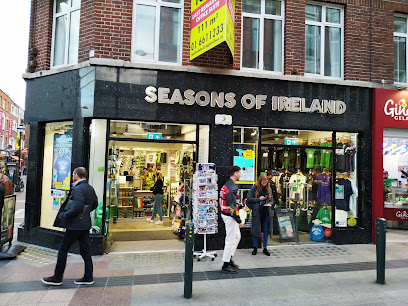
Seasons of Ireland
0.8 km
Explore authentic Irish gifts and souvenirs at Seasons of Ireland, a charming gift shop in the heart of Dublin's Grafton Street.
House of Names
0.8 km
Explore your heritage and find unique family crests at the House of Names in Dublin's historic Temple Bar district.
The Angel of Grafton Street
0.9 km
Explore the enchanting Angel of Grafton Street, a stunning statue that embodies Dublin's rich cultural heritage amidst the vibrant atmosphere of Grafton Street.
Golly Gosh Vintage Boutique Dublin
0.9 km
Discover unique vintage treasures at Golly Gosh Vintage Boutique in Dublin's vibrant Temple Bar, a must-visit for fashion lovers and treasure hunters.
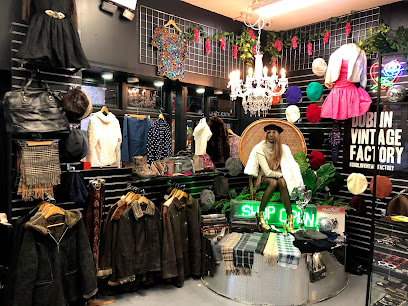
dublin vintage factory
0.9 km
Explore Dublin Vintage Factory for an unforgettable shopping experience filled with unique vintage clothing and accessories in the heart of Temple Bar.
Essential bars & hidden hideouts

O'Neills Victorian Pub & Townhouse
0.4 km
Discover the vibrant spirit of Dublin at O'Neills Victorian Pub & Townhouse, where traditional Irish cuisine meets lively entertainment.
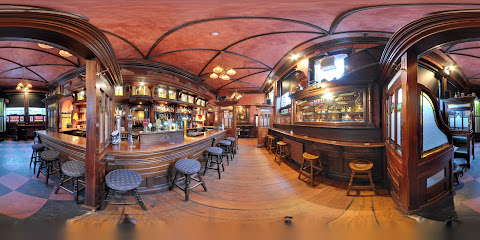
Doyle's
0.6 km
Experience the essence of Dublin's pub culture at Doyle's - a lively haven for food, drinks, and unforgettable memories.
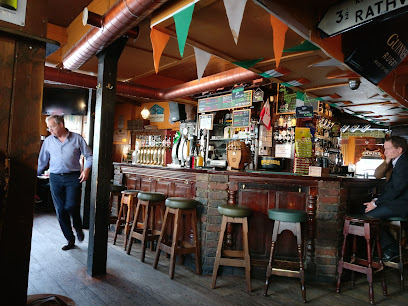
Pavilion Bar
0.6 km
Discover the vibrant Pavilion Bar in Dublin, where affordable drinks and a lively atmosphere await in the heart of the city.
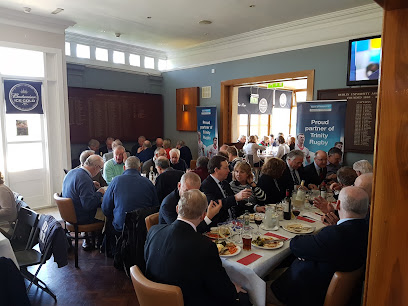
The Palace Bar
0.7 km
Experience the charm and warmth of The Palace Bar, a historic Irish pub in Dublin's vibrant Temple Bar district, perfect for locals and travelers alike.
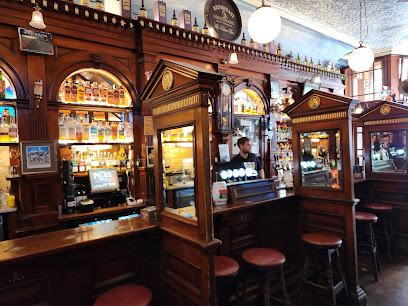
The Sin Bin
0.7 km
Experience Dublin's vibrant sports culture at The Sin Bin, where delicious food, refreshing drinks, and live sports create an unforgettable atmosphere.
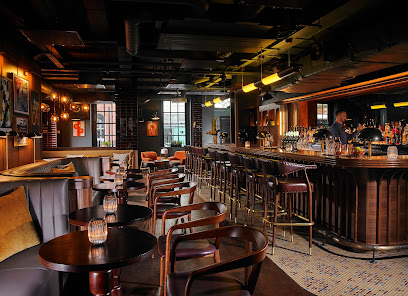
r.i.o.t.
0.8 km
Discover the lively atmosphere of r.i.o.t. in Dublin’s Temple Bar, where vibrant nightlife meets delicious drinks in a stylish setting.
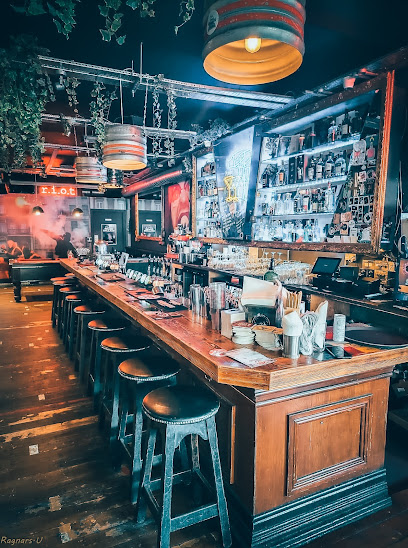
Tapped Late Bar
0.8 km
Discover the lively Tapped Late Bar in Dublin, where great drinks and vibrant ambiance meet for an unforgettable night out.
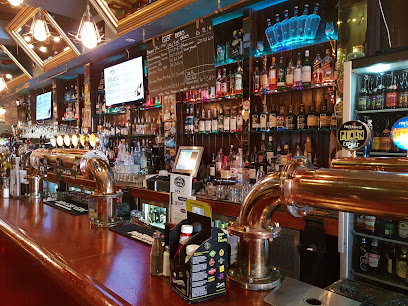
O'Donoghue's Bar
0.8 km
Experience the heart of Dublin at O'Donoghue's Bar, where traditional Irish hospitality meets vibrant live music and delicious cuisine.
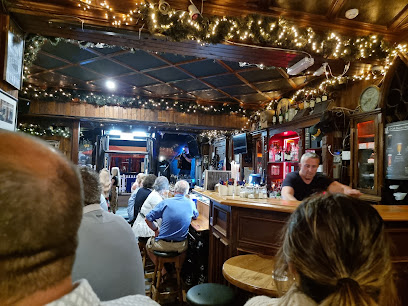
Oliver St. John Gogartys
0.8 km
Discover the essence of Irish culture at Oliver St. John Gogartys, where live music, great food, and friendly vibes await you in Dublin's Temple Bar.
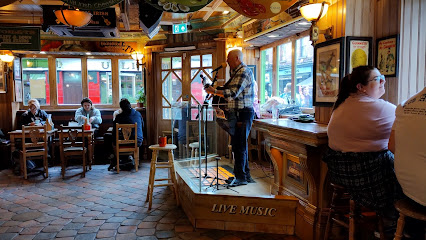
The Auld Dubliner
0.8 km
Discover the authentic Irish pub experience at The Auld Dubliner in Dublin's vibrant Temple Bar district, where live music and warm hospitality await.
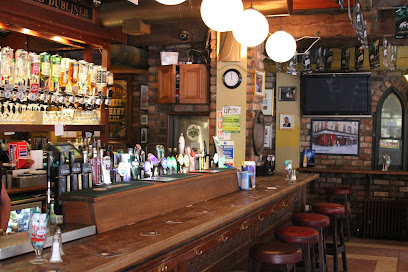
LoSt LaNe
0.8 km
Discover the heart of Dublin's nightlife at LoSt LaNe, a vibrant bar offering live music and an eclectic atmosphere.
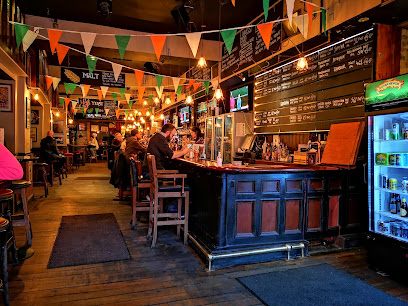
The Blind Pig Speakeasy
0.8 km
Experience the charm of the 1920s at The Blind Pig Speakeasy, Dublin's premier cocktail bar known for its innovative drinks and vibrant atmosphere.
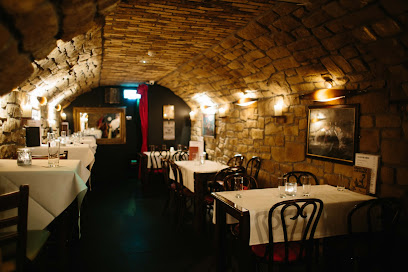
O'Neills Pub & Kitchen
0.8 km
Discover the heart of Dublin at O'Neills Pub & Kitchen, where traditional Irish cuisine meets a vibrant atmosphere in the city's cultural hub.
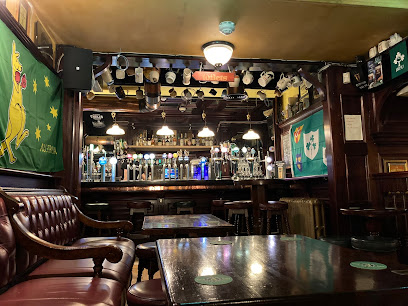
The Big Romance
0.9 km
Experience Dublin's nightlife at The Big Romance, a cocktail bar with live music, eclectic vibes, and an unforgettable atmosphere.
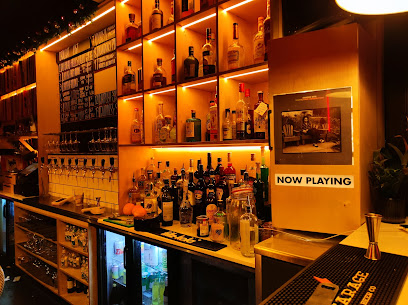
Gin Palace Dublin
0.9 km
Discover the vibrant atmosphere and unique gin selection at Gin Palace Dublin, where traditional pub culture meets modern taste.