

Galilee Region Travel Guide - Free Web & App
Your ultimate guide to Galilee Region. Discover top landmarks, proposed trips, and local tips. Free on the web or via the Evendo companion app.


Galilee Region, Israel blends mountain trails, the Sea of Galilee, historic villages, sacred sites, Arab cuisine and rich cultural landscapes for curious travellers.
Landscape and Regional Character
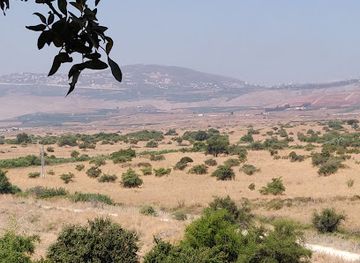
The Galilee occupies northern Israel between the Mediterranean coast, the Lebanese border and the Jordan Valley, and is best understood as a varied region rather than a single town or attraction. The Lower Galilee rolls towards the Sea of Galilee in wooded hills and open farmland, while the Upper Galilee rises into steeper ridges, deeply cut valleys and forested slopes. Around the Sea of Galilee, the landscape changes again to dry hills, freshwater shoreline and fertile agricultural settlements. The lake's eastern shore belongs to the Golan Heights, a distinct neighbouring region rather than part of the Galilee itself.Read more about Galilee Region
History and Living Culture
Exploring the Region
When is the best time to visit Galilee Region?
Best: April, October–November · 23–29°C| Month | High (°C) | Rainfall (mm) |
|---|---|---|
| January | 16 | 115 |
| February | 16 | 100 |
| March | 20 | 90 |
| April (best) | 25 | 45 |
| May | 31 | 15 |
| June | 36 | 0 |
| July | 38 | 0 |
| August | 38 | 0 |
| September | 35 | 0 |
| October (best) | 29 | 15 |
| November (best) | 23 | 45 |
| December | 20 | 90 |
Getting to and around Galilee Region
How to get there
Transportation
Best attractions in Galilee Region
The Galilee's attractions range from the freshwater shores of the Sea of Galilee to the high ridges of the Upper Galilee. Tiberias provides access to lakeside viewpoints, pilgrimage sites and boat-based excursions where conditions and operators permit, while nearby Mount Arbel is known for its dramatic cliffs and views across the lake. In the Lower Galilee, Mount Tabor rises above agricultural plains and is associated with the Church of the Transfiguration. Nazareth offers major Christian sites and a lively Arab cultural setting, and Safed combines hilltop lanes, galleries and Jewish mystical heritage. Further north, the Hula Valley is important for wetland restoration and migratory bird observation, while Nahal Amud and the Mount Meron area offer marked walking landscapes. Ancient Hazor, Sepphoris and Bar'am reveal the region's long archaeological history, and Montfort Castle adds a medieval layer in the Western Galilee.
-
Tourist attraction
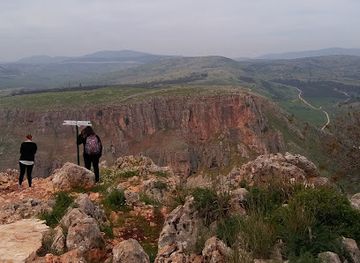
Majrase Nature Reserve
Explore the breathtaking Majrase Nature Reserve, where lush landscapes, diverse wildlife, and serene hiking trails await you in a tranquil setting.
-
Tourist attraction
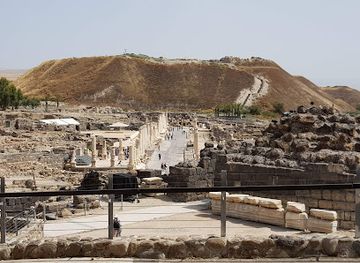
Beit She'an National Park
Discover the historical marvels and natural beauty of Beit She'an National Park, a premier archaeological site in Israel showcasing ancient Roman ruins.
-
Tourist attraction
Achziv National Park
Discover Achziv National Park - a stunning coastal escape with rich history, diverse wildlife, and beautiful beaches in the heart of Nahariyya.
-
Historical landmark
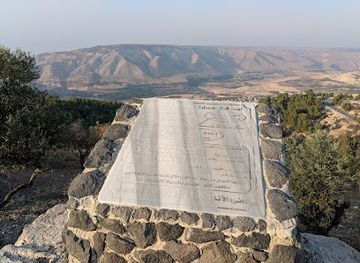
Umm Qays
Discover the ancient city of Umm Qays, a breathtaking historical landmark in Jordan with stunning Roman ruins and panoramic views of the Sea of Galilee.

Best landmarks in Galilee Region
The Sea of Galilee is the Galilee's defining natural landmark, a freshwater lake set within the Jordan Rift Valley and associated with both ancient settlement and Christian pilgrimage. Mount Arbel forms a prominent limestone escarpment above its western shore, while Mount Tabor is an isolated, historically significant hill in the Lower Galilee. In the Upper Galilee, Mount Meron and the deep channel of Nahal Amud express the region's hill country, forests and seasonal waterways. The ancient city of Hazor illustrates the importance of Bronze and Iron Age urban power, and Sepphoris preserves remains linked to Roman and Jewish Galilee. Nazareth's Basilica of the Annunciation, Safed's historic synagogue quarter and Montfort Castle provide important religious, cultural and medieval landmarks, while the restored wetlands of the Hula Valley represent a modern conservation landmark rather than an ancient monument.
-
National park
Gan HaShlosha National Park
Explore Gan HaShlosha National Park, a captivating oasis of natural hot springs, lush landscapes, and rich biodiversity in northern Israel.
-
Church
Church of the Annunciation
Discover the spiritual and cultural heart of Nazareth at the Church of the Annunciation, a breathtaking site steeped in history and devotion.
-
Religious destination
Yardenit
Immerse yourself in spirituality at Yardenit, the serene baptismal site along the Jordan River, steeped in history and natural beauty.
-
National park
Tel Dan Nature Reserve
Discover the breathtaking landscapes of Tel Dan Nature Reserve, a national park rich in biodiversity and ancient history in Israel's Upper Galilee.


Explore Galilee Region on the map
Plan your trip on one map. See where the top attractions, landmarks, restaurants and hotels are, and book hotels and experiences in a few clicks.
Best hotels in Galilee Region
Best restaurants in Galilee Region
Galilean food reflects the region's mixed communities, fertile valleys and long agricultural history. In Nazareth and Arab villages, visitors can find dishes such as hummus, falafel, grilled meats, salads, stuffed vegetables, pastries and other Levantine specialities, while local olive oil, herbs, fruit and cheeses appear widely in home-style cooking. Tiberias and lakeside settlements have restaurants serving regional food for visitors, although dining choices become more dispersed in the Upper Galilee. Safed and nearby villages combine cafés, bakeries and restaurants with markets selling produce and prepared foods. Farm shops, wineries and small food producers are found in parts of the wider northern region, but their opening arrangements vary. In rural areas, it is sensible to plan meals around the larger towns rather than expect restaurants beside every trail or nature reserve.
-
Seafood
Uri Buri
Experience the freshest seafood dishes at Uri Buri in Acre – where Mediterranean flavors meet stunning views.
-
Restaurant
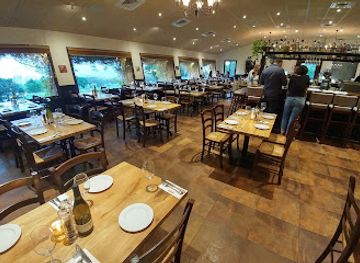
Moshbutz
Discover Moshbutz: A culinary treasure in Ramot offering stunning views and authentic Israeli flavors by the Sea of Galilee.
-
Italian
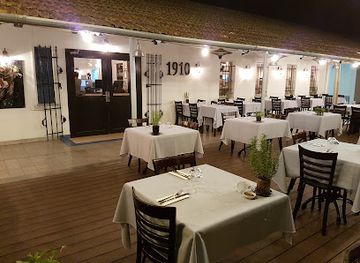
מסעדת 1910
Savor authentic Italian dishes at Restaurant 1910 while enjoying stunning views of the Sea of Galilee.
-
Restaurant
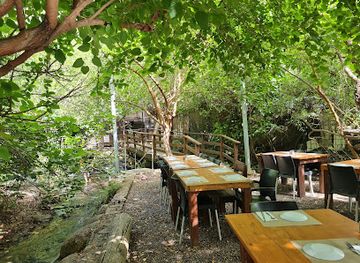
Dag Al Dan
Experience culinary excellence at Dag Al Dan by the Snir River—where delicious meals meet breathtaking natural beauty.

Best bars in Galilee Region
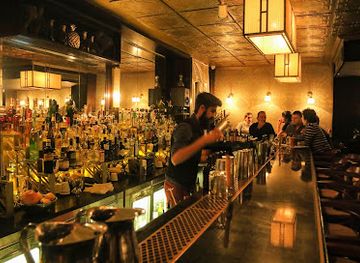
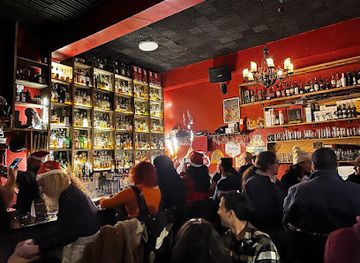
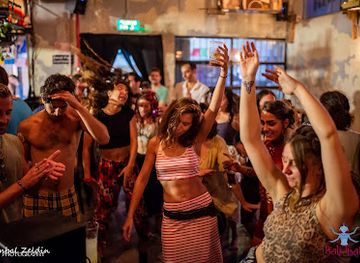
Nightlife in the Galilee is generally quiet and concentrated in established towns rather than spread through the countryside. Tiberias has the region's most recognisable tourist-oriented evening scene, with restaurants, hotel bars and occasional lakeside entertainment, while Nazareth offers cafés and restaurants where evenings are shaped more by food, conversation and local culture than by nightclubs. Safed has a relaxed atmosphere of small cafés and cultural venues, but evening activity can be limited outside busy periods. Village pubs, winery tasting rooms and hotel lounges occur in parts of the wider region, subject to local operating arrangements. Remote mountain areas and nature reserves have no nightlife infrastructure, so visitors staying in rural accommodation should not assume late transport or a choice of venues after dark.
-
Cocktail bar
Gatsby Cocktail Room
Experience the allure of Gatsby Cocktail Room in Jerusalem, where every sip is a celebration of mixology and style.
-
Bar
Minzar
Experience the vibrant nightlife and delicious cuisine at Minzar, a must-visit bar in the heart of Tel Aviv.
-
Live music bar
Mazkeka
Discover Mazkeka, Jerusalem's lively live music bar blending vibrant performances with delicious cuisine in an artistic atmosphere.
-
Bar
Glen Whisk(e)y bar
Discover Glen Whisk(e)y Bar in Jerusalem, where a vast selection of whiskies and craft beers meet a vibrant nightlife atmosphere.


Best nightclubs in Galilee Region
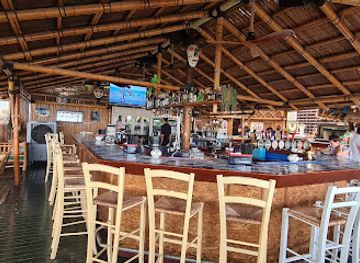
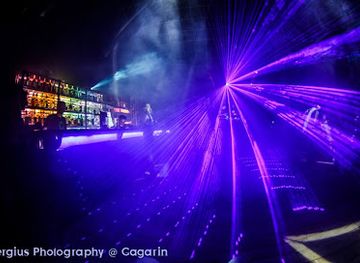
Nightlife in the Galilee is generally quiet and concentrated in established towns rather than spread through the countryside. Tiberias has the region's most recognisable tourist-oriented evening scene, with restaurants, hotel bars and occasional lakeside entertainment, while Nazareth offers cafés and restaurants where evenings are shaped more by food, conversation and local culture than by nightclubs. Safed has a relaxed atmosphere of small cafés and cultural venues, but evening activity can be limited outside busy periods. Village pubs, winery tasting rooms and hotel lounges occur in parts of the wider region, subject to local operating arrangements. Remote mountain areas and nature reserves have no nightlife infrastructure, so visitors staying in rural accommodation should not assume late transport or a choice of venues after dark.
-
Night club
Bora Bora
Discover Bora Bora, a vibrant night club and restaurant by the Sea of Galilee, perfect for unforgettable evenings filled with delicious food and lively entertainment.
-
Night club
Gagarin Club TLV
Gagarin Club TLV: Dive into Tel Aviv's electrifying nightlife with live music and vibrant dance floors, a perfect blend of local and global beats.
-
Night club
Cactus9
Experience the vibrant nightlife at Cactus9, a premier night club in Jerusalem, offering an electric atmosphere, great music, and an unforgettable evening.
-
Bar
Bavel TLV
Experience the vibrant nightlife of Tel Aviv at Bavel TLV, where the music is lively, the drinks are refreshing, and the atmosphere is electric.

Best shops in Galilee Region
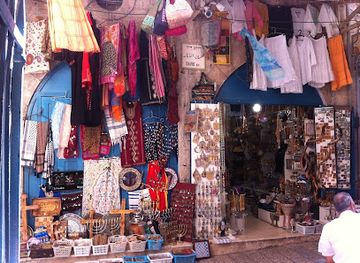
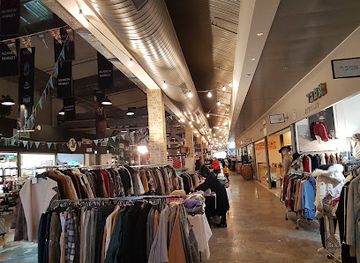
Shopping in the Galilee is centred on towns, village markets and small producers rather than large retail districts. Nazareth is a useful place for Arab sweets, spices, coffee, embroidered goods, religious items and everyday market produce, while Safed is associated with galleries, Judaica, paintings and handmade arts in its old quarter. Tiberias offers visitor-oriented shops and local food products, and towns such as Karmiel and Nahariya provide more conventional retail services for regional residents. Across the countryside, olive oil, honey, wine, dates, herbs, cheeses and preserves may be sold by farms or small businesses, though availability and opening arrangements vary. Visitors should distinguish genuinely local produce from generic souvenirs and ask about ingredients, provenance and transport restrictions before buying food or fragile crafts.
-
Shopping mall
Alrov Mamilla Avenue
Explore Alrov Mamilla Avenue, Jerusalem's luxurious shopping mall blending modern boutiques with historical charm for an unforgettable experience.
-
Shopping mall
Agamon market
Discover Agamon Market, where shopping meets culture in a vibrant atmosphere filled with local flavors and unique finds.
-
Shopping mall
In front of Galilee - Jordan Valley
Discover a vibrant shopping experience at the Galilee in the Jordan Valley, where local charm meets international brands and delightful dining.
-
Shopping mall
Harim Mall
Discover the vibrant shopping scene at Harim Mall in Nof HaGalil, where retail therapy meets delightful dining and entertainment options.
Get your free copy of our complete guide to Galilee Region, delivered straight to you.
Everything on this page, from attractions and restaurants to essentials and local phrases, in one PDF you can read offline, print or share.
Already have an account? Sign in
Your Galilee Region guide is ready.
We'll send it to · Not you? Sign out

Getting your guide ready…
We are putting together a fresh copy of the Galilee Region guide. This can take up to a minute.
This can take a few moments. If your browser asks, choose Allow so the download can start. You'll find the guide in your Downloads folder.
Nothing happened? Download it again
Sorry, the guide is taking longer than usual. Please try again in a minute, or get it by email instead.
Galilee Region essentials
Currency and Payment
Safety
Emergency Situations
Do's and Don'ts
Local Tips
From Eve
Local phrases worth knowing
You don't need to get them perfect. A few words go a long way, and locals appreciate the effort.
Basics
| English | Local | Say it |
|---|---|---|
| Hello | שלום | [Shalom] |
| Goodbye | להתראות | [Lehitraot] |
| Yes | כן | [Ken] |
| No | לא | [Lo] |
| Please/You're welcome | בבקשה | [Bevakasha] |
| Thank you | תודה | [Toda] |
| Excuse me/Sorry | סליחה | [Slicha] |
| How are you? | איך אתה? | [Eich Ata?] |
| Fine. And you? | טוב. ואתה? | [Tov. Ve'ata?] |
| Do you speak English? | האם אתה מדבר אנגלית? | [Ha'em Ata Medaber Anglit?] |
| I don't understand | אני לא מבין | [Ani Lo Mevin] |
Eating & Drinking
| English | Local | Say it |
|---|---|---|
| I'd like to see the menu, please | אשמח לראות את התפריט, בבקשה | [Eshmach lir'ot et hataprit, bevakasha] |
| I don't eat meat | אני לא אוכל בשר | [Ani lo ochel basar] |
| Cheers! | לחיים! | [Lachaim!] |
| I would like to pay, please | אשמח לשלם, בבקשה | [Eshmach leshalem, bevakasha] |
Emergencies
| English | Local | Say it |
|---|---|---|
| Help! | עזרה! | [Ezra!] |
| Go away! | לך לעבור! | [Lech le'avor!] |
| Call the Police! | התקשר למשטרה! | [Hatkasher lameshetera!] |
| Call a doctor! | התקשר לרופא! | [Hatkasher larofe!] |
| I'm lost | אני אבוד | [Ani avud] |
| I'm ill | אני חולה | [Ani holeh] |
Shopping
| English | Local | Say it |
|---|---|---|
| I'd like to buy... | אשמח לקנות... | [Eshmach liknot...] |
| I'm just looking | רק מסתכל | [Rak mistakel] |
| How much is it? | כמה עולה זה? | [Kama ole ze?] |
| That's too expensive | זה יקר מדי | [Ze yakar midei] |
| Can you lower the price? | האם אתה יכול להוריד את המחיר? | [Ha'em Ata yachol lehorid et hamachir?] |
Time & Numbers
| English | Local | Say it |
|---|---|---|
| What time is it? | מה השעה? | [Ma hasha'a?] |
| It's one o'clock | זה השעה אחת | [Ze hasha'aachat] |
| Half past (10) | חצי (עשר) | [Chatzi (eser)] |
| Morning | בוקר | [Boker] |
| Afternoon | צהריים | [Tzohorayim] |
| Evening | ערב | [Erev] |
| Yesterday | אתמול | [Etmol] |
| Today | היום | [Hayom] |
| Tomorrow | מחר | [Mahar] |
| 1 | אחד | [Echad] |
| 2 | שניים | [Shnayim] |
| 3 | שלושה | [Shlosha] |
| 4 | ארבעה | [Arba'a] |
| 5 | חמישה | [Chamisha] |
| 6 | שישה | [Shisha] |
| 7 | שבעה | [Sheva'a] |
| 8 | שמונה | [Shmone] |
| 9 | תשעה | [Tisha'a] |
| 10 | עשרה | [Esera] |
Transport & Directions
| English | Local | Say it |
|---|---|---|
| Where's a/the...? | איפה נמצא... | [Eifo nimtza...] |
| What's the address? | מה הכתובת? | [Ma hakatovet?] |
| Can you show me (on the map)? | האם אתה יכול להראות לי (על המפה)? | [Ha'em Ata yachol leharot li (al hamapa)?] |
| When's the next (bus)? | מתי האוטובוס הבא? | [Matai ha'otobus haba?] |
| A ticket (to ....) | כרטיס (ל....) | [Kartis (le....)] |
History of Galilee Region
An Ancient Mediterranean Landscape
The Galilee's hills and valleys were formed through long geological processes associated with the tectonic rift system that runs through the Jordan Valley, while volcanic landscapes lie nearby in the Golan Heights rather than in most of the Galilee. Human settlement developed around springs, cultivable valleys and trade routes linking the Mediterranean coast with inland Syria and the Jordan Valley. The region's combination of limestone hills, fertile basins and freshwater resources helped support agriculture and dense settlement over many centuries.
Canaanite, Israelite and Biblical Galilee
Galilee appears in the Hebrew Bible and became an important area of the ancient Kingdom of Israel, although political boundaries changed repeatedly. Archaeological sites such as Hazor, north of the Sea of Galilee, reflect the importance of fortified urban centres and regional trade in the Bronze and Iron Ages. Many modern place names preserve older geographical associations, while ancient agricultural terraces, rock-cut features and village remains illustrate how communities adapted to the region's hills and valleys.
Roman and Byzantine Transformations
After the Roman incorporation of the area, Galilee became a landscape of towns, farms and roads connecting the interior with the coast. Nazareth is central to Christian history through its association with the life of Jesus, and the Sea of Galilee is linked to numerous events in the New Testament. Jewish scholarship also flourished after the destruction of the Second Temple, with towns including Sepphoris and Tiberias becoming important centres of learning. The Mishnah was compiled at the beginning of the third century, and later rabbinic traditions developed in Galilee.
Medieval Fortresses and Communities
The medieval Galilee was shaped by successive Muslim, Crusader and later regional powers. Fortifications such as Montfort Castle, set in the Western Galilee, reflect the strategic importance of routes between the coast and the interior. Acre became a major Mediterranean port and administrative centre, while rural communities continued cultivating olives, vines, grains and fruit. Jewish, Christian and Muslim communities lived through changing political conditions, leaving a layered religious and architectural heritage rather than a single historical narrative.
Modern Settlement and Conservation
During the late Ottoman period and the British Mandate, the Galilee retained a predominantly rural character, with Arab towns and villages alongside Jewish agricultural settlements and older communities. After 1948, population patterns and political boundaries changed substantially, while new towns, kibbutzim and moshavim developed across northern Israel. Modern conservation has protected important landscapes including Mount Meron, Nahal Amud and the Hula Valley, where wetland restoration supports migratory birds. Tourism now combines pilgrimage, hiking, archaeology, food and village culture, although access to some northern areas can change with security conditions.
Galilee Region in Photos
Browse through our photo collection highlighting the charm and character of the destination.
Cities in Galilee Region
The towns and cities of Galilee Region, and the easiest places to base yourself.
-

-

-

-

-

-


Swipe for more cities
Neighbouring destination travel guides
The closest destinations to Galilee Region, if you have time for more than one.
-

-

-

-

-


Swipe for more destinations
Explore more

Explore more of Galilee
Discover the scenic beauty, rich history, and culinary delights of Galilee, Israel's northern gem, offering an unforgettable blend of nature and culture.
Explore Galilee
Explore more of Israel
Discover Israel, a country where ancient history and modern culture meet, offering a rich tapestry of religious significance, vibrant cities, and diverse landscapes.
Explore Israel