

Jezzine District Travel Guide - Free Web & App
Your ultimate guide to Jezzine District. Discover top landmarks, proposed trips, and local tips. Free on the web or via the Evendo companion app.


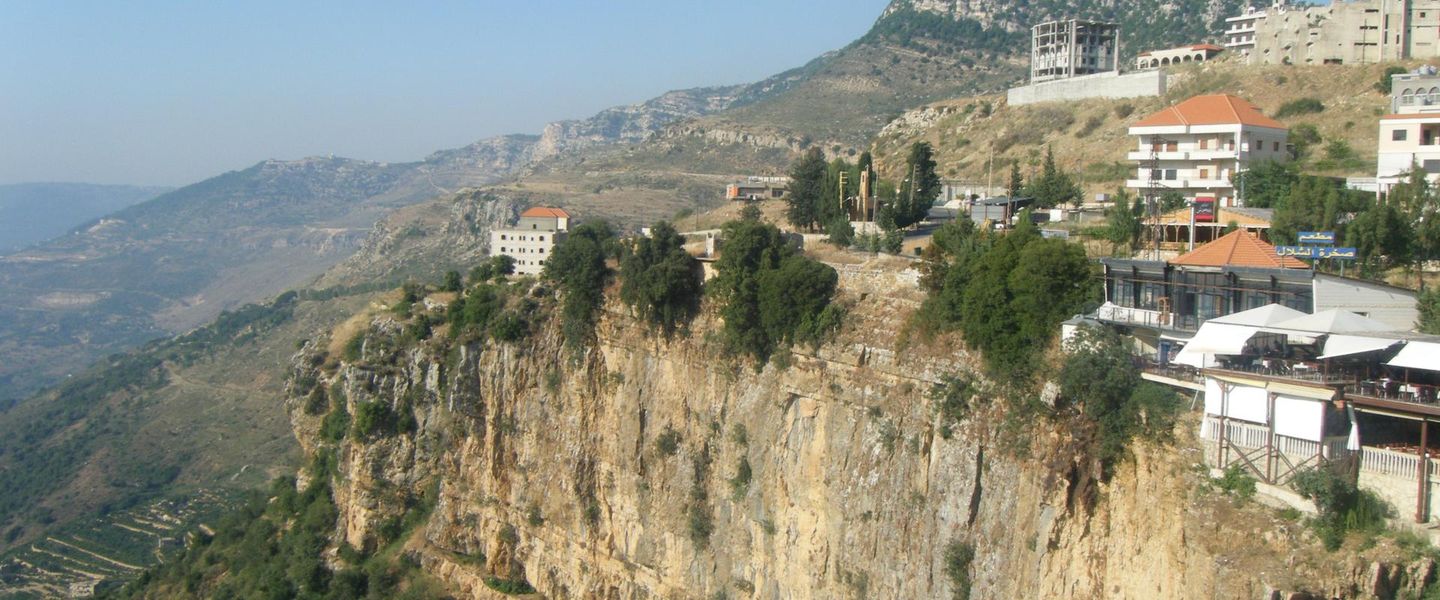


Jezzine District, Lebanon combines pine forests, mountain villages, waterfalls, traditional cutlery and scenic southern landscapes for rewarding rural exploration.
Mountain Landscape and Local Character
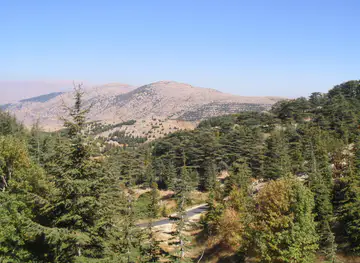
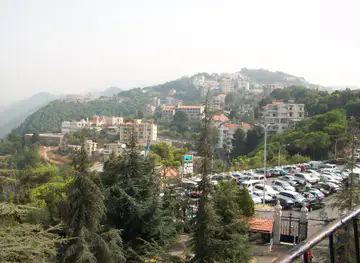
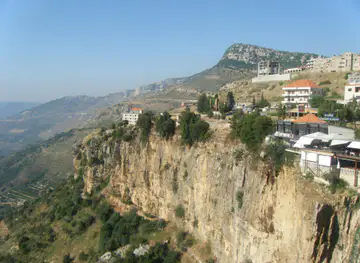
Jezzine District occupies a rugged upland area of south Lebanon, where the slopes of Mount Lebanon descend towards the upper Litani valley and the less densely settled landscapes of the South. Its principal town, Jezzine, stands on a wooded plateau surrounded by villages, orchards, rocky ravines and long views across the southern mountains. The district is best known for the Jezzine waterfall, the Bkassine pine forest and a tradition of fine metalwork that has made the town's knives and decorative cutlery part of Lebanon's craft heritage.Read more about Jezzine District
Forests, Valleys and Water
Villages, Crafts and Exploration
When is the best time to visit Jezzine District?
Best: May, September–October · 25–30°C| Month | High (°C) | Rainfall (mm) |
|---|---|---|
| January | 15 | 150 |
| February | 15 | 120 |
| March | 17 | 100 |
| April | 21 | 80 |
| May (best) | 26 | 50 |
| June | 30 | 20 |
| July | 33 | 0 |
| August | 33 | 0 |
| September (best) | 30 | 20 |
| October (best) | 25 | 50 |
| November | 21 | 80 |
| December | 16 | 120 |
Getting to and around Jezzine District
How to get there
Transportation
Best attractions in Jezzine District
Jezzine's most recognisable attraction is the waterfall beside the town, where water descends through the limestone landscape and is especially associated with wetter periods. Nearby Bkassine provides the district's broadest natural setting: a large Aleppo-pine woodland spread across hills above Jezzine, with rural roads, forest scenery and opportunities for quiet walking where local access permits. The town itself is worth exploring for its mountain setting, traditional craft workshops and views over the surrounding valleys. Beyond these headline sights, the district is made up of villages, orchards, churches and cultivated slopes that reward slower road exploration. The upper Litani landscape and the valleys around the Jezzine area add geological and scenic variety, although access can be seasonal and facilities are limited away from the town. Visitors should treat viewpoints, forest tracks and waterfall edges according to current local conditions rather than assuming that every attractive location is formally developed for tourism.
-
Museum
Farid Serhal Museum
Explore Lebanese art and history at the Farid Serhal Museum in Biyyadah, a cultural haven showcasing tradition and modernity.
-
Hiking area
CHMYSE
Discover CHMYSE in Jezzine: Hike scenic trails and camp under the stars in Lebanon's beautiful natural landscape.
-
Garden
Jezzine Garden
Discover Jezzine Garden: A serene escape in South Lebanon with lush greenery, vibrant flowers, and stunning mountain views. Perfect for nature lovers!
-
Tourist attraction
Louaize Square، ساحة اللويزة
Experience the heart of Al-Lwaiza at Louaize Square: a blend of culture, community, and captivating scenery in a traditional Lebanese setting.


Best landmarks in Jezzine District
The Jezzine waterfall is the district's signature natural landmark, dropping through the rocky terrain immediately associated with the town and helping shape its long-standing identity as a mountain resort. The Bkassine pine forest is the principal landscape landmark: its extensive Aleppo pines form a recognisable green mantle over the hills and connect scenery with local forestry, agriculture and community life. Jezzine's churches, stone buildings and village streets provide a quieter architectural record of the Christian mountain communities that have shaped the area, while traditional cutlery workshops represent a living cultural landmark rather than a single monument. Across the district, limestone ravines, orchards and elevated viewpoints show how geology and settlement interact, but individual natural sites should be approached according to current access arrangements and weather.
-
Resort hotel
La Maison de la Forêt
Experience a tranquil retreat at La Maison de la Forêt, where nature meets luxury in the heart of Jezzine, Lebanon.
-
Tourist attraction
Jezzine Waterfall
Experience the breathtaking beauty of Jezzine Waterfall, a natural wonder in Lebanon offering serene landscapes and thrilling adventures for all nature lovers.
-
Historical landmark
Khan El Franj
Explore the architectural beauty and rich history of Khan El Franj, a stunning historical landmark in Sidon's Historic District.
-
Historical landmark
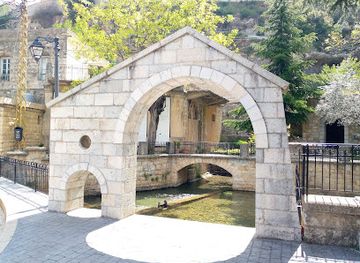
Jezzine Water Source
Discover the serene beauty and historical significance of Jezzine Water Source, a must-see natural landmark in Lebanon's picturesque landscape.


Explore Jezzine District on the map
Plan your trip on one map. See where the top attractions, landmarks, restaurants and hotels are, and book hotels and experiences in a few clicks.
Best hotels in Jezzine District
Best restaurants in Jezzine District
Dining in Jezzine District is centred on Jezzine town and the surrounding villages rather than on a large restaurant scene within the countryside. Visitors can expect Lebanese home-style cooking built around mezze, grilled meats, salads, pulses, flatbreads, seasonal vegetables, olives and fruit, with village kitchens and small eateries reflecting the agricultural character of the mountains. Local produce may include olives, olive oil, honey, preserves and fruit from nearby orchards, while coffee and simple pastries are part of the region's everyday hospitality. Traditional restaurants, cafés and family-run establishments are more likely to be found in Jezzine and larger gateway settlements than beside forest tracks or remote viewpoints. Opening arrangements and payment methods can be variable, particularly outside busy periods, so accommodation hosts or local residents are useful sources for current dining information.
-
Lebanese
Al Mokhtar Restaurant
Savor the rich flavors of Lebanon at Al Mokhtar Restaurant – where tradition meets taste in every dish.
-
Restaurant
Blue Jay Valley
Experience top-notch dining and serene accommodations at Blue Jay Valley in Azour, Lebanon - where culinary excellence meets hospitality.
-
Lebanese
Al Chalouf Restaurant مطعم الشالوف
Discover authentic Lebanese flavors at Al Chalouf Restaurant in Jezzine—where every meal is a celebration of culinary heritage.
-
Restaurant
L'Os Bkassine
Discover the best of Lebanese cuisine at L'Os Bkassine, where every meal is paired with stunning views and rich cultural flavors.


Best bars in Jezzine District
Jezzine District does not have a major nightclub or late-night entertainment scene. Evenings are generally quiet and social, with cafés, restaurants and village hospitality providing the main options around Jezzine town and other settled areas. Seasonal celebrations, family gatherings and religious or cultural events may create a livelier atmosphere, but dates and programmes vary and should be confirmed locally. In the forest and rural villages, darkness arrives quickly and there are few reasons to expect commercial nightlife, so evenings are better suited to conversation, Lebanese food and views from a settled base than to clubbing. Visitors seeking a broader choice of bars and late venues will generally need to travel towards larger towns beyond the district, including Sidon, while taking account of transport and current local conditions.
-
Lebanese
Al Chalouf Restaurant مطعم الشالوف
Experience the rich flavors of Lebanese cuisine with stunning views at Al Chalouf Restaurant in Jezzine.
-
Restaurant
L'Os Bkassine
Discover authentic Lebanese cuisine at L'Os Bkassine, where breathtaking views and local flavors unite for an unforgettable dining experience.
-
Lebanese
Les Caves Roum
Experience authentic Lebanese cuisine in the heart of Roum, where rich flavors meet warm hospitality at Les Caves Roum.
-
Restaurant
Jannat al sanawbar Restaurant
Savor the authentic taste of Lebanon at Jannat al Sanawbar Restaurant, a culinary haven with stunning views in Jezzine.


Best nightclubs in Jezzine District
Jezzine District does not have a major nightclub or late-night entertainment scene. Evenings are generally quiet and social, with cafés, restaurants and village hospitality providing the main options around Jezzine town and other settled areas. Seasonal celebrations, family gatherings and religious or cultural events may create a livelier atmosphere, but dates and programmes vary and should be confirmed locally. In the forest and rural villages, darkness arrives quickly and there are few reasons to expect commercial nightlife, so evenings are better suited to conversation, Lebanese food and views from a settled base than to clubbing. Visitors seeking a broader choice of bars and late venues will generally need to travel towards larger towns beyond the district, including Sidon, while taking account of transport and current local conditions.
-
Restaurant
Onyx Winehouse
Experience the perfect blend of fine dining and live jazz at Onyx Winehouse in Salhiyeh, where every evening is a celebration of taste and music.
-
Lounge
Ashtar Hall
Discover the vibrant atmosphere of Ashtar Hall in Mazboud, a premier lounge offering delightful drinks and a unique social experience.
-
Bar
Idyll Bar
Discover the vibrant atmosphere of Idyll Bar, a perfect blend of relaxation and nightlife by the beautiful Jezzine Lake in Lebanon.
-
Night club
livtheclub
Discover the pulse of Saida's nightlife at livtheclub, where unforgettable nights and vibrant memories come to life.


Best shops in Jezzine District
Shopping in Jezzine is closely associated with its traditional cutlery, including handcrafted knives and decorated utensils produced by local makers. These objects are valued as practical goods and souvenirs of the town's craft identity, and visitors should look for established workshops or reputable local sellers rather than assuming that every displayed item is made locally. Jezzine and nearby villages also offer the sort of small-scale regional products found across Lebanon's mountain communities, such as olive oil, honey, preserves, herbs and seasonal produce, although availability changes with the season. Retail choice is limited outside the town, with no extensive shopping district in the Bkassine forest or rural valleys. Larger supermarkets and a wider range of everyday goods are more likely in the regional gateway towns beyond the district.
-
Tourist attraction
Jezzine Waterfall
Experience the breathtaking beauty of Jezzine Waterfall, a natural gem in Lebanon surrounded by lush landscapes and rich cultural heritage.
-
Historical landmark
Jezzine Water Source
Explore the historic Jezzine Water Source, a serene landmark in Lebanon known for its breathtaking views and cultural heritage.
-
 Hotel
L'etoile du loup
Discover tranquility and stunning vistas at L'etoile du loup, a perfect getaway in the scenic hills of Jezzine, Lebanon.
-
Farm
Keif Jezzine
Experience the serene beauty of Keif Jezzine – a unique farm destination in the heart of Lebanon's breathtaking landscapes.


Get your free copy of our complete guide to Jezzine District, delivered straight to you.
Everything on this page, from attractions and restaurants to essentials and local phrases, in one PDF you can read offline, print or share.
Already have an account? Sign in
Your Jezzine District guide is ready.
We'll send it to · Not you? Sign out

Getting your guide ready…
We are putting together a fresh copy of the Jezzine District guide. This can take up to a minute.
This can take a few moments. If your browser asks, choose Allow so the download can start. You'll find the guide in your Downloads folder.
Nothing happened? Download it again
Sorry, the guide is taking longer than usual. Please try again in a minute, or get it by email instead.
Jezzine District essentials
Currency and Payment
Safety
Emergency Situations
Do's and Don'ts
Local Tips
From Eve
Local phrases worth knowing
You don't need to get them perfect. A few words go a long way, and locals appreciate the effort.
Basics
| English | Local | Say it |
|---|---|---|
| Hello | مرحبا | [marhaba] |
| Goodbye | وداعا | [wada'an] |
| Yes | نعم | [naam] |
| No | لا | [la] |
| Please/You're welcome | من فضلك | [min fadlak] |
| Thank you | شكرا | [shukran] |
| Excuse me/Sorry | عذرا | [udhran] |
| How are you? | كيف حالك؟ | [kayf halak?] |
| Fine. And you? | بخير. وأنت؟ | [bukhayr. wa'ant?] |
| Do you speak English? | هل تتحدث الإنجليزية؟ | [hal tatahadath al'injlizia?] |
| I don't understand | أنا لا أفهم | [ana la afham] |
Eating & Drinking
| English | Local | Say it |
|---|---|---|
| I'd like to see the menu, please | أريد أن أرى القائمة، من فضلك | [urid an ara alqaima, min fadlak] |
| I don't eat meat | أنا لا آكل اللحم | [ana la aakol allahm] |
| Cheers! | في صحتك! | [fi sahtak!] |
| I would like to pay, please | أود أن أدفع، من فضلك | [awad an adfa', min fadlak] |
Emergencies
| English | Local | Say it |
|---|---|---|
| Help! | النجدة! | [annajda!] |
| Go away! | انصرف! | [ansraf!] |
| Call the Police! | اتصل بالشرطة! | [atassal bialshurta!] |
| Call a doctor! | اتصل بطبيب! | [atassal bitalib!] |
| I'm lost | لقد ضللت الطريق | [laqad dalalt altariq] |
| I'm ill | أنا مريض | [ana mareed] |
Shopping
| English | Local | Say it |
|---|---|---|
| I'd like to buy... | أود أن أشتري... | [awad an ashtari...] |
| I'm just looking | أنا فقط أتطلع | [ana faqat atatala] |
| How much is it? | كم هو ثمنه؟ | [kam hu thamanuh?] |
| That's too expensive | هذا غالي جدا | [hatha ghali jiddan] |
| Can you lower the price? | هل يمكنك تخفيض السعر؟ | [hal yumkinuk takhfid alsir?] |
Time & Numbers
| English | Local | Say it |
|---|---|---|
| What time is it? | كم الساعة؟ | [kam alsaa'a?] |
| It's one o'clock | الساعة الواحدة | [alsaa'a alwahida] |
| Half past (10) | العاشرة والنصف | [al'ashira walnisf] |
| Morning | صباح | [sabah] |
| Afternoon | مساء | [masa] |
| Evening | مساء | [masa] |
| Yesterday | أمس | [ams] |
| Today | اليوم | [alyawm] |
| Tomorrow | غدا | [ghadan] |
| 1 | واحد | [wahid] |
| 2 | اثنان | [ithnan] |
| 3 | ثلاثة | [thalatha] |
| 4 | أربعة | [arba'a] |
| 5 | خمسة | [khamsa] |
| 6 | ستة | [sitta] |
| 7 | سبعة | [sab'a] |
| 8 | ثمانية | [thamania] |
| 9 | تسعة | [tesa'a] |
| 10 | عشرة | [ashra] |
Transport & Directions
| English | Local | Say it |
|---|---|---|
| Where's a/the...? | أين...؟ | [ayn...?] |
| What's the address? | ما هو العنوان؟ | [ma hu al'anaan?] |
| Can you show me (on the map)? | هل يمكنك أن تريني (على الخريطة)؟ | [hal yumkinuk an tureeni (ala alkhareeta)?] |
| When's the next (bus)? | متى القادم (الحافلة)؟ | [mata alqadim (alhafilah)?] |
| A ticket (to ....) | تذكرة (إلى ....) | [tazkirah (ila ....)] |
History of Jezzine District
Limestone Uplands and Early Settlement
Jezzine District's physical history begins with the limestone uplands and deeply cut valleys of Mount Lebanon, landscapes that have long influenced settlement, cultivation and movement. The region lies within the broad historical sphere of southern Mount Lebanon, where communities used mountain terraces, springs and wooded slopes for agriculture and seasonal grazing. Evidence of earlier occupation exists across Lebanon's upland villages and valleys, but individual archaeological claims should be treated carefully unless identified at a specific site. The district's enduring character was shaped less by a single ancient urban centre than by dispersed villages connected to the surrounding mountain environment.
Christian Mountain Communities
Over the medieval and early modern periods, Jezzine developed within the complex religious and social landscape of Mount Lebanon. Christian communities established and maintained villages, churches and monasteries across the uplands, while agricultural life remained tied to smallholdings, orchards and woodland resources. Jezzine became an important local centre for the surrounding settlements, providing markets, religious institutions and craft production. The area's identity was therefore formed through a network of villages rather than an isolated town, and its stone churches, domestic architecture and local traditions reflect the continuity of mountain community life.
Village Economy and Craftsmanship
For generations, the district's economy combined farming with small-scale manufacture and trade. Jezzine became particularly associated with handcrafted knives, forks and other metal objects, often distinguished by decorated handles made from materials such as wood or bone. The craft developed into one of the town's most recognisable cultural signatures and connected local workshops with visitors and merchants beyond the district. Agriculture also remained important, with olives, fruit and other crops produced on mountain land where terrain and water allowed. These activities helped preserve a practical relationship between village households, cultivated slopes and surrounding forests.
The Modern Town and Changing Access
During the nineteenth and twentieth centuries, improved roads and growing links with Beirut, Sidon and other parts of Lebanon made Jezzine more accessible as a mountain resort and regional market town. Visitors were drawn by the waterfall, cooler upland climate, woodland scenery and village atmosphere. At the same time, migration, changing agricultural practices and Lebanon's political instability altered the population and economy of many mountain settlements. The district's built environment and social history consequently include both long-established village traditions and the effects of modern mobility, conflict and reconstruction.
Forest Stewardship and Rural Tourism
In recent decades, the Bkassine pine forest and the wider Jezzine landscape have gained importance as environmental and rural-tourism assets. Local initiatives have sought to protect woodland, support community livelihoods and present the district's scenery and crafts to visitors without turning the area into a large resort. The forest remains a working cultural landscape as well as a natural one, and its future depends on careful management of fire risk, development, water and visitor pressure. Jezzine's appeal today lies in this combination of mountain environment, village heritage and living craftsmanship.
Jezzine District in Photos
Browse through our photo collection highlighting the charm and character of the destination.
Cities in Jezzine District
The towns and cities of Jezzine District, and the easiest places to base yourself.
-

-

-

-


Swipe for more cities
Neighbouring destination travel guides
The closest destinations to Jezzine District, if you have time for more than one.
-

-

-
-

-


Swipe for more destinations
Explore more
Explore more of Jezzine
Discover Jezzine, Lebanon's enchanting mountain retreat, known for its stunning waterfalls, lush forests, and rich cultural heritage. A perfect blend of nature and tradition.
Explore Jezzine
Explore more of Lebanon
Discover Lebanon: A land of ancient history, vibrant culture, stunning landscapes, and delicious cuisine, nestled on the Mediterranean coast.
Explore Lebanon