

Free Golan Heights Travel Guide & Mobile App
Explore Golan Heights with free travel guides. Discover regional history, expert tips, proposed trips, and audio guides on web or mobile app.


Explore Israel-administered Golan Heights landscapes, volcanic plateaus, Druze villages, ancient ruins, waterfalls, vineyards and Mount Hermon.
Read more about Golan Heights
When is the best time to visit Golan Heights?
Best: May–June, October · 25–29°C| Month | High (°C) | Rainfall (mm) |
|---|---|---|
| January | 11 | 80 |
| February | 13 | 70 |
| March | 16 | 60 |
| April | 20 | 30 |
| May (best) | 25 | 10 |
| June (best) | 29 | 1 |
| July | 31 | 1 |
| August | 31 | 1 |
| September | 29 | 10 |
| October (best) | 25 | 30 |
| November | 18 | 50 |
| December | 13 | 70 |
Getting to and around Golan Heights
How to get there
Transportation
Top city travel guides in Golan Heights
The cities of Golan Heights, and the easiest places to base yourself.
-

-


Swipe for more cities
Best attractions in Golan Heights
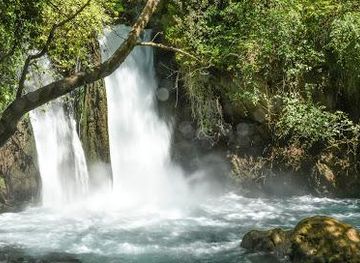
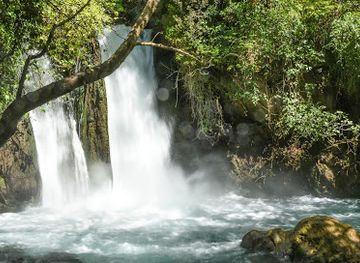
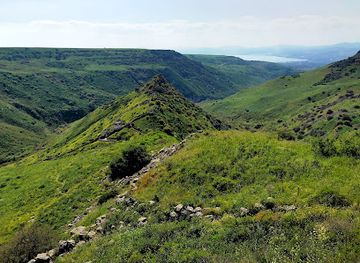
The Golan’s attractions range from volcanic landscapes and flowing streams to archaeological sites and agricultural experiences. Banias Nature Reserve follows one of the Jordan River’s principal sources through a wooded gorge with waterfalls and remains associated with the ancient sanctuary of Pan. Gamla Nature Reserve combines the ruins of a Jewish town destroyed during the Roman siege with dramatic canyon scenery and opportunities to observe birds of prey. In the north, the slopes around Mount Hermon offer summer walks and winter snow-based activities when conditions and access permit. Central Golan attractions include the reconstructed ancient village at Katzrin and a network of volcanic cones, reservoirs, orchards and vineyards. The southern plateau leads towards Hamat Gader, where thermal springs and Roman remains provide a different landscape from the highlands. Hiking, birdwatching, cycling, scenic driving and food-and-wine visits are all possible, but many experiences are seasonal or require advance arrangements.
-
National park
Tel Dan Nature Reserve
Discover the breathtaking landscapes and historical treasures of Tel Dan Nature Reserve, where nature and history intertwine in a stunning national park.
-
National park
Hermon Stream Nature Reserve
Explore the lush landscapes and serene waters of Hermon Stream Nature Reserve, a stunning national park in Israel perfect for nature lovers and adventurers.
-
Nahal Snir Nature Preserve
Explore the tranquil beauty of Nahal Snir Nature Preserve, a stunning nature oasis with hiking trails, picnic spots, and diverse wildlife in Israel.
-
Historical landmark
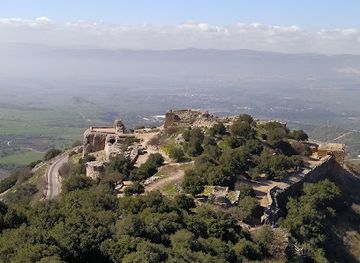
Nimrod Fortress National Park
Discover the majestic Nimrod Fortress National Park, where history and nature intertwine amidst breathtaking landscapes in northern Israel.


Best landmarks in Golan Heights
Nimrod Fortress is the Golan’s most commanding medieval landmark, occupying a rocky spur below Mount Hermon and overlooking routes through the northern hills. The ancient settlement of Gamla, set on a narrow ridge within the reserve of the same name, is both an archaeological landmark and a place associated with the Roman siege of 67 CE. Katzrin’s reconstructed Talmudic-period village provides a tangible view of basalt construction and rural Jewish life in late antiquity. In the north, Mount Hermon is the region’s dominant natural landmark, while Mount Bental, a volcanic cone near the Syrian frontier, is recognised for its elevated panorama and military history. The basalt escarpments above the Sea of Galilee and the Yarmouk Valley define the southern Golan’s visual character. Hamat Gader adds Roman thermal architecture and hot springs to the region’s landmark landscape, although its setting is lower, warmer and markedly different from the plateau.
-
National park
Hermon Stream Nature Reserve
Discover the enchanting beauty of Hermon Stream Nature Reserve, a national park in northern Israel, perfect for nature lovers and adventure enthusiasts.
-
National park
Majrase Nature Reserve
Discover the breathtaking beauty of Majrase Nature Reserve, a hidden gem in Israel's natural landscape, perfect for hiking and wildlife watching.
-
Historical landmark
Nimrod Fortress National Park
Explore the breathtaking Nimrod Fortress National Park, where history and nature intertwine in the stunning Golan Heights of Israel.
-
National park
Gamla Nature Reserve
Explore the breathtaking landscapes and rich history of Gamla Nature Reserve, a top destination for nature lovers and adventure seekers in Israel.
Explore Golan Heights on the map
Plan your trip on one map. See where the top cities, national parks and sights are, and book hotels and experiences in a few clicks.
Best hotels in Golan Heights
Best restaurants in Golan Heights
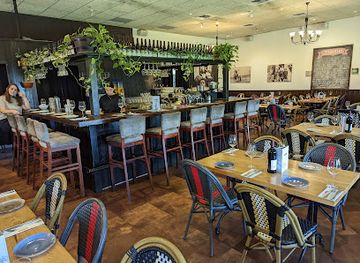
Food in the Golan reflects both the region’s agricultural economy and the traditions of its communities. Northern Druze towns are known for home-style cooking and dishes such as stuffed vegetables, flatbreads, salads, labneh and sambusak, although recipes and restaurant availability vary from one family business to another. Across the plateau, rural cafés, kibbutz dining rooms, wineries and destination restaurants make use of apples, cherries, honey, herbs, dairy products and locally raised meat. Farm shops and roadside stalls may sell seasonal fruit, preserves and baked goods, while winery visits often pair tastings with small plates rather than full meals. In the southern Golan, food businesses may be linked to bathing and countryside visits around Hamat Gader. Opening days can be limited, especially in smaller villages, so do not rely on finding a late meal in remote areas.
-
Restaurant
Moshbutz
Experience exquisite dining at Moshbutz in Ramot – where fresh ingredients meet gourmet cuisine in an inviting atmosphere.
-
Kosher
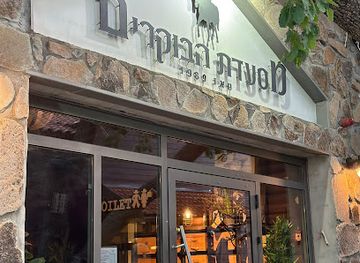
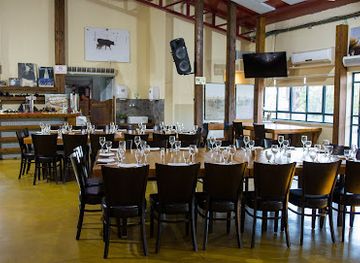
Habokrim Restaurant
Discover Habokrim Restaurant: A premier kosher chophouse in Merom Golan offering delectable meat dishes amidst stunning landscapes.
-
Restaurant
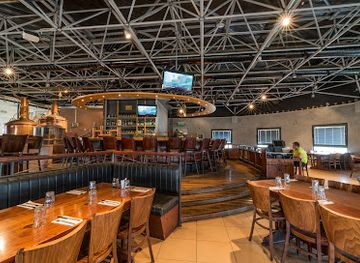
Golan Brewery
Discover Golan Brewery: Where Craft Beer Meets Culinary Delights in Katzrin's Scenic Golan Heights.
-
Kosher
Gillis - Beit Midrash meat, Golan Heights
Discover culinary excellence at Gillis in the Golan Heights – home to Israel's finest kosher meats and breathtaking views.
Best bars in Golan Heights
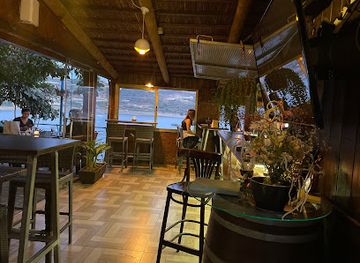
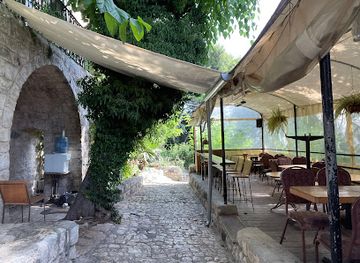
The Golan does not have a concentrated nightclub scene; evenings are more commonly spent in restaurants, rural guesthouses, wineries, pubs and small community venues. Wine-tasting rooms and brewery-style establishments provide a regional focus on local agriculture, while some kibbutzim and larger settlements offer relaxed evening dining. In northern Druze towns, cafés and restaurants are more significant than clubs, and the atmosphere is generally social and food-centred. Outdoor events and cultural programmes may take place seasonally, but schedules change and should be checked locally. Because distances are considerable and roads can be dark or winding, arrange transport before drinking and avoid assuming that taxis or late-night public transport will be readily available in rural districts.
-
Restaurant
Golan Brewery
Discover the Golan Brewery: Craft beer, delicious food, and a vibrant atmosphere in the heart of the Golan Heights.
-
Bar
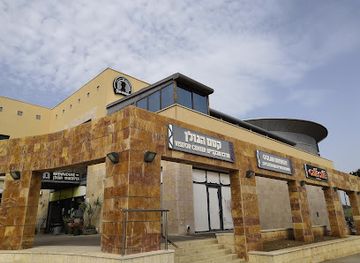
Green Apple Pub Restaurant
Discover the vibrant atmosphere and eclectic menu at Green Apple Pub Restaurant in Majdal Shams, a unique dining experience amidst stunning scenery.
-
Bar
טי בון T-bone
Discover T-bone, a vibrant chophouse restaurant and bar in Israel, known for its exceptional steaks, lively atmosphere, and delightful cocktails.
-
Tapas Bar
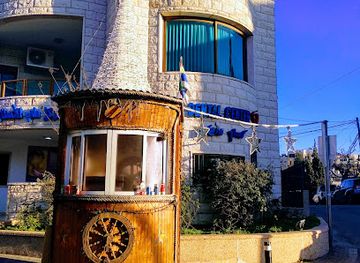
Tangerine Bar
Discover the vibrant flavors of Rosh Pinna at Tangerine Bar, your ultimate tapas and cocktail destination in Israel.
Best nightclubs in Golan Heights
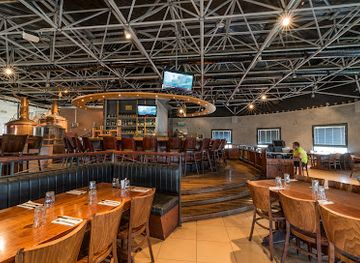
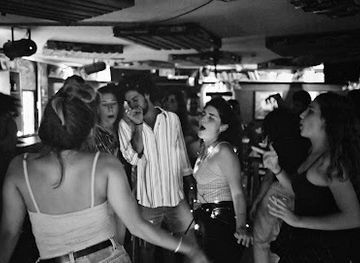
The Golan does not have a concentrated nightclub scene; evenings are more commonly spent in restaurants, rural guesthouses, wineries, pubs and small community venues. Wine-tasting rooms and brewery-style establishments provide a regional focus on local agriculture, while some kibbutzim and larger settlements offer relaxed evening dining. In northern Druze towns, cafés and restaurants are more significant than clubs, and the atmosphere is generally social and food-centred. Outdoor events and cultural programmes may take place seasonally, but schedules change and should be checked locally. Because distances are considerable and roads can be dark or winding, arrange transport before drinking and avoid assuming that taxis or late-night public transport will be readily available in rural districts.
-
Restaurant
Golan Brewery
Discover the flavors of Golan Brewery, where craft beer and gourmet dining come together in a picturesque setting.
-
Bar
פאב הדורבן The porcupine pub
Experience vibrant nightlife at The Porcupine Pub in الروم, Northern Israel, where locals and tourists gather for unforgettable evenings filled with great drinks and lively atmosphere.
-
Pub
Pub Kfar Hanassi
Experience the lively ambiance and diverse drink selection at Pub Kfar Hanassi, a favorite local haunt in the heart of Kfar Hanassi.
-
Pub
-
Discover the charm of Kibbutz Gadot's pub, where local flavors meet stunning Galilee views in a vibrant and welcoming atmosphere.

Best shops in Golan Heights
Shopping in the Golan is centred on local produce, village businesses and farm outlets rather than large retail districts. In northern Druze communities, visitors may find food shops and small restaurants selling regional pastries, spice blends, preserves, olive products and seasonal fruit, while orchard areas are associated with apples and cherries. Wineries offer bottles and tasting-related products, and rural producers may sell honey, cheese, herbs, jams and locally made delicacies. Katzrin, the regional administrative centre, provides everyday shops and services, but it is not a major shopping destination. Independent craft, art and agricultural outlets appear irregularly along rural roads, so opening arrangements should be confirmed before making a special journey. Choose products responsibly, respect agricultural property and remember that some border-area roads and settlements may have access restrictions.
-
Orchard
Levi Farm - Self Picking
Discover the joy of self-picking fresh fruits and vegetables at Levi Farm in Sha'al, a delightful experience for all nature enthusiasts.
-
Winery
Assaf winery
Discover the exquisite wines and breathtaking views of Assaf Winery in the heart of Golan Heights, a must-visit for all wine lovers.
-
Winery
Bazelet HaGolan Winery
Experience the essence of Golan Heights at Bazelet HaGolan Winery, where exquisite wines meet delightful cuisine in a picturesque setting.
-
Natural goods store
The Olive Press of the Golan Heights
Explore the art of olive oil production and savor the flavors of the Golan Heights at The Olive Press, a must-visit destination for food enthusiasts.
Get your free copy of our complete guide to Golan Heights, delivered straight to you.
Everything on this page, from attractions and restaurants to essentials and local phrases, in one PDF you can read offline, print or share.
Already have an account? Sign in
Your Golan Heights guide is ready.
We'll send it to · Not you? Sign out

Getting your guide ready…
We are putting together a fresh copy of the Golan Heights guide. This can take up to a minute.
This can take a few moments. If your browser asks, choose Allow so the download can start. You'll find the guide in your Downloads folder.
Nothing happened? Download it again
Sorry, the guide is taking longer than usual. Please try again in a minute, or get it by email instead.
Golan Heights essentials
Currency and Payment
Safety
Emergency Situations
Do's and Don'ts
Local Tips
From Eve
Local phrases worth knowing
You don't need to get them perfect. A few words go a long way, and locals appreciate the effort.
Basics
| English | Local | Say it |
|---|---|---|
| Hello | مرحبا | [Marhaba] |
| Goodbye | وداعا | [Wada'an] |
| Yes | نعم | [Na'am] |
| No | لا | [La] |
| Please/You're welcome | من فضلك | [Min fadlik] |
| Thank you | شكرا | [Shukran] |
| Excuse me/Sorry | عفوا | [Afwan] |
| How are you? | كيف حالك؟ | [Kayfa halak?] |
| Fine. And you? | بخير. وأنت؟ | [Bikhayr. Wa anta?] |
| Do you speak English? | هل تتحدث الإنجليزية؟ | [Hal tatahadath al-inglizia?] |
| I don't understand | لا أفهم | [La afham] |
Eating & Drinking
| English | Local | Say it |
|---|---|---|
| I'd like to see the menu, please | أود رؤية القائمة، من فضلك | [Awad ru'yat al-qaimah, min fadlik] |
| I don't eat meat | لا آكل اللحم | [La akul al-lahm] |
| Cheers! | في صحتك! | [Fi sihtak!] |
| I would like to pay, please | أود الدفع، من فضلك | [Awad al-daf', min fadlik] |
Emergencies
| English | Local | Say it |
|---|---|---|
| Help! | مساعدة! | [Musa'ada!] |
| Go away! | ابتعد! | [Ibt'id!] |
| Call the Police! | اتصل بالشرطة! | [Ittasil bil-shurta!] |
| Call a doctor! | اتصل بطبيب! | [Ittasil bi-tabeeb!] |
| I'm lost | أنا ضائع | [Ana da'i'] |
| I'm ill | أنا مريض | [Ana marid] |
Shopping
| English | Local | Say it |
|---|---|---|
| I'd like to buy... | أود شراء... | [Awad shira'...] |
| I'm just looking | أنا فقط أتطلع | [Ana faqat atatall] |
| How much is it? | كم ثمنه؟ | [Kam thamanuh?] |
| That's too expensive | هذا غالي جدا | [Hatha ghali jidan] |
| Can you lower the price? | هل يمكنك تخفيض السعر؟ | [Hal yumkinuka takhfid al-si'r?] |
Time & Numbers
| English | Local | Say it |
|---|---|---|
| What time is it? | كم الساعة؟ | [Kam al-saa'a?] |
| It's one o'clock | الساعة الواحدة | [Al-saa'a al-wahidah] |
| Half past (10) | العاشرة والنصف | [Al-'ashirah wa al-nisf] |
| Morning | صباحا | [Sabahan] |
| Afternoon | بعد الظهر | [Ba'd al-zuhur] |
| Evening | مساء | [Masa'a] |
| Yesterday | أمس | [Ams] |
| Today | اليوم | [Al-yawm] |
| Tomorrow | غدا | [Ghadan] |
| 1 | واحد | [Wahid] |
| 2 | اثنان | [Ithnan] |
| 3 | ثلاثة | [Thalatha] |
| 4 | أربعة | [Arba'a] |
| 5 | خمسة | [Khamsa] |
| 6 | ستة | [Sitta] |
| 7 | سبعة | [Sab'a] |
| 8 | ثمانية | [Thamaniya] |
| 9 | تسعة | [Tis'a] |
| 10 | عشرة | [Ashra] |
Transport & Directions
| English | Local | Say it |
|---|---|---|
| Where's a/the...? | أين...؟ | [Ayn...?] |
| What's the address? | ما هو العنوان؟ | [Ma huwa al-'unwan?] |
| Can you show me (on the map)? | هل يمكنك أن تظهر لي (على الخريطة)؟ | [Hal yumkinuka an tuzhir li (ala al-kharita)?] |
| When's the next (bus)? | متى يأتي (الباص) التالي؟ | [Mata yati (al-bus) al-tali?] |
| A ticket (to ....) | تذكرة (إلى ....) | [Tadhkirah (ila ....)] |
History of Golan Heights
Volcanic Landscapes and Early Settlement
The Golan’s distinctive terrain was formed by successive basaltic eruptions, leaving broad lava fields, cones and dark stone used extensively in local construction. Archaeological evidence records settlement from prehistoric periods, including stone structures and burial monuments scattered across the plateau. Later communities took advantage of fertile volcanic soils, springs and grazing land. The physical environment shaped both movement and settlement: escarpments offered natural defence, while the plateau’s watercourses connected upland communities with the Jordan Valley and the Yarmouk basin.
Hellenistic and Roman Gaulanitis
In antiquity, the region was associated with Gaulanitis, a name linked to the wider Golan area. It came under Hellenistic influence after the conquests of Alexander the Great and later formed part of the Roman sphere. Settlements expanded, roads connected the plateau with Galilee and Syria, and agricultural production became more organised. The remains at Gamla are particularly important for understanding Jewish life in the late Second Temple period and the Roman siege of the town during the First Jewish–Roman War in the first century CE.
Byzantine Villages and Religious Communities
During the Byzantine period, the Golan supported villages, farms and religious buildings within a prosperous eastern Mediterranean economy. Basalt was used for houses, presses and public structures, and archaeological remains show the importance of agriculture and trade. Christian communities established churches and other religious sites, while Jewish settlements also continued in parts of the region. The later transition from Byzantine to early Islamic rule altered political structures but did not erase the long-established pattern of farming and village life.
Medieval Fortifications and Changing Rule
The Golan occupied a strategic position between the inland Levant and routes linking Galilee with Damascus. Nimrod Fortress, originally developed in the medieval period and subsequently modified, controlled approaches through the northern hills and reflects the region’s military importance. The plateau passed through the authority of successive Islamic dynasties, including the Ayyubids and Mamluks, while rural communities continued to use its grazing lands and water sources. Earthquakes, political change and shifts in trade gradually affected the prominence of individual settlements.
Ottoman Administration and Late-Ottoman Settlement
Under Ottoman rule, the Golan was administered within the empire’s Syrian provinces and remained predominantly rural, with pastoralism, grain cultivation and village agriculture central to the economy. Population patterns changed over time as local communities, including Druze groups, established or strengthened settlements in the area. Roads and administrative links connected the plateau to towns in the wider region, although much travel remained seasonal and difficult. The Ottoman legacy is visible less through monumental architecture than through enduring settlement patterns, agricultural practices and the region’s connections with southern Syria.
The Mandate, Syria and Frontier Development
After the First World War, the Golan became part of the territory administered under the French Mandate for Syria and Lebanon, and later the independent Syrian state. The frontier with British-controlled Palestine and, subsequently, Israel gave the plateau heightened strategic importance. Syrian villages, farms and military positions formed part of the landscape before 1967. The region’s location above the Sea of Galilee and its control of approaches towards Damascus meant that water, agriculture and security were closely connected in modern political planning.
The 1967 War and Israeli Administration
Israel took control of most of the Golan Heights from Syria during the Six-Day War in June 1967. Much of the pre-war Syrian population was displaced, while the remaining Druze communities were concentrated in several northern towns. Israel subsequently established settlements and developed agriculture, roads and tourism infrastructure. In 1981, Israel extended its law, jurisdiction and administration to the Golan; this action is not broadly recognised internationally, and the area’s status remains disputed. Military boundaries, minefields and abandoned structures remain important features of the modern landscape.
Contemporary Golan Communities and Agriculture
Since the late twentieth century, the Golan has developed a mixed economy based on agriculture, tourism, nature conservation and food production. Israeli communities cultivate vineyards, apples, cherries and other crops, while northern Druze towns maintain distinctive culinary and cultural traditions. Archaeological conservation, hiking trails and visitor centres have made the region more accessible, but tourism operates alongside an active military presence and the unresolved consequences of the Syrian-Israeli conflict. The resulting landscape is neither solely rural nor solely historic: it is a living borderland shaped by several communities and contested narratives.
Golan Heights in Photos
Browse through our photo collection highlighting the charm and character of the destination.
Neighbouring regions of Golan Heights
The closest regions to Golan Heights, if you have time for more than one.
-

-

-

-

-


Swipe for more regions
Explore more

Explore more of Israel
Discover Israel, a country where ancient history and modern culture meet, offering a rich tapestry of religious significance, vibrant cities, and diverse landscapes.
Explore Israel