

Free Galilee Travel Guide & Mobile App
Explore Galilee with free travel guides. Discover regional history, expert tips, proposed trips, and audio guides on web or mobile app.


Explore Israel's Galilee for forested hills, sacred towns, the Sea of Galilee, ancient ruins, village cuisine and varied outdoor journeys.
Read more about Galilee
When is the best time to visit Galilee?
Best: May–June, October · 27–31°C| Month | High (°C) | Rainfall (mm) |
|---|---|---|
| January | 14 | 140 |
| February | 16 | 120 |
| March | 19 | 100 |
| April | 23 | 50 |
| May (best) | 27 | 20 |
| June (best) | 31 | 5 |
| July | 33 | 0 |
| August | 34 | 0 |
| September | 32 | 10 |
| October (best) | 27 | 40 |
| November | 21 | 80 |
| December | 17 | 110 |
Getting to and around Galilee
How to get there
Transportation
Top city travel guides in Galilee
The cities of Galilee, and the easiest places to base yourself.
-

-

-

-

-

-


Swipe for more cities
Destinations in Galilee
Resorts, valleys and scenic spots worth a trip of their own.
-

-


Swipe for more destinations
Best attractions in Galilee
Galilee's attractions combine archaeology, religious heritage, nature and living cultural landscapes. Nazareth's churches and old streets introduce the region's Christian history, while Tiberias provides access to the Sea of Galilee and its shoreline sites. In Lower Galilee, the archaeological park at Sepphoris reveals a Roman and Byzantine city known for fine mosaics, while Mount Arbel offers marked walks, dramatic cliffs and wide views across the lake. Upper Galilee is suited to streams, woodland walks and protected landscapes around Mount Meron, with the Hula Valley providing a recognised setting for observing migrating birds. Tel Hazor presents the remains of a major ancient city, and the old city of Acre adds Crusader, Ottoman and maritime history on the western edge of the region. Visitors can also explore Druze and Arab villages, agricultural farms, craft workshops and small cultural museums, although opening arrangements vary. The result is a varied attraction landscape in which a sacred site, an archaeological tell and a mountain trail can often be combined within one carefully planned district.
-
Historical place
Archaeological Site of Jerash
Discover the majestic ruins of Jerash, a stunning archaeological site in Jordan that showcases the glory of the Roman Empire and its rich heritage.
-
Tourist attraction
Rosh HaNikra Grottoes
Discover the breathtaking beauty of Rosh HaNikra Grottoes, where stunning sea caves meet rich history on the Mediterranean coast.
-
Animal park
Hai Park Kiryat Motzkin
Explore Hai Park Kiryat Motzkin—an enchanting animal park perfect for families, featuring fun exhibits, playgrounds, and engaging activities for all ages.
-
Historical landmark
Knights' Halls, Old Akko
Explore the Knights' Halls in Old Akko, a historical marvel that showcases medieval architecture and the enchanting history of the Crusader era.


Best landmarks in Galilee
The Sea of Galilee is Galilee's defining natural landmark, a freshwater lake framed by the hills of Lower Galilee and associated with central episodes in Christian history. Mount Arbel, rising above its western shore, is notable for sheer cliffs, caves and panoramic views across the lake. In Upper Galilee, Mount Meron is the region's highest mountain and a prominent landscape feature surrounded by wooded slopes and walking routes. The old city of Acre is an important architectural landmark, with sea-facing walls, Ottoman markets and substantial Crusader undercrofts preserving the history of a major port. Safed's stone lanes, synagogues and hillside position reflect its long Jewish religious importance, while Nazareth's Basilica of the Annunciation is a prominent modern religious building on a site associated with the Annunciation. The archaeological remains of Sepphoris, including civic structures and mosaics, mark the former urban importance of Lower Galilee. Tel Hazor, with its ancient gates and upper-city remains, represents the region's earlier strategic role in the northern Levant.
-
Tourist attraction
Rosh HaNikra Grottoes
Explore the breathtaking Rosh HaNikra Grottoes, where natural beauty meets rich history along Israel's stunning Mediterranean coastline.
-
Pilgrimage place
Kever Rashbi (Tomb of Rabbi Shimon bar Yochai)
Explore Kever Rashbi in Meron, a revered pilgrimage site that blends rich history, spirituality, and cultural significance for an unforgettable experience.
-
Church
Church of the Annunciation
Discover the spiritual and architectural wonders of the Church of the Annunciation in Nazareth, a must-visit destination for every traveler.
-
Religious destination
Yardenit
Explore Yardenit, the serene baptismal site on the Jordan River, a must-visit destination for spiritual seekers and travelers alike.

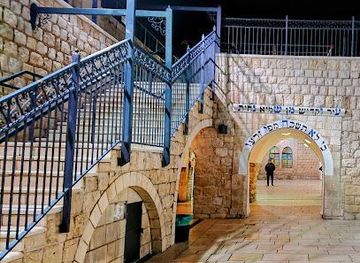


Explore Galilee on the map
Plan your trip on one map. See where the top cities, national parks and sights are, and book hotels and experiences in a few clicks.
Best hotels in Galilee
Best restaurants in Galilee
Galilean dining draws on Arab, Druze, Jewish and broader Mediterranean traditions, with menus shaped by olive oil, herbs, vegetables, legumes, fruit and locally produced dairy. Hummus, labneh, falafel, grilled meats, stuffed vegetables and flatbreads are widely encountered, while village restaurants may offer home-style dishes that vary between communities. Seasonal ingredients include olives, figs, dates, citrus, pomegranates and almonds, and the region has a growing reputation for small farms, boutique wineries and artisan food producers. Around the Sea of Galilee, fish is available, but menus and provenance vary, so it should not be assumed that every dish is locally caught. Nazareth, Acre, Tiberias and Safed provide the broadest choice of cafés and restaurants; rural areas are more likely to centre on family-run establishments, guesthouse meals, bakeries and roadside produce. Markets and farm shops are useful for tasting cheeses, olive oil, honey, spices and fresh fruit between meals.
-
Restaurant
Moshbutz
Discover Moshbutz: A delightful dining experience featuring fresh local ingredients near the breathtaking Sea of Galilee.
-
Italian
מסעדת 1910
Savor authentic Italian cuisine by the Sea of Galilee at Restaurant 1910 – where every meal is a celebration of flavor.
-
Restaurant
Dag Al Dan
Discover culinary excellence at Dag Al Dan, where exquisite dishes meet stunning views by Nahal Snir.
-
Mediterranean
Restaurant Doniana
Discover Mediterranean culinary treasures at Restaurant Doniana in Acre - where every dish tells a story of tradition and flavor.


Best bars in Galilee
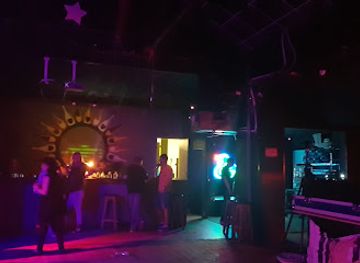
Galilee's evening culture is more varied than its nightclub provision. Nazareth, Acre, Tiberias and Safed have cafés, restaurants and small bars, while many smaller communities favour family gatherings, coffeehouses and early-evening dining. Tiberias has the most recognisable resort-style evening scene around the lakeside, though activity is seasonal and changes over time. Acre combines restaurants and traditional cafés with occasional cultural programming in and around the old city. Safed's artistic character is reflected in intimate cafés and venues linked to music or local culture rather than large clubs. In Upper Galilee, evenings often centre on a pub, guesthouse, winery or restaurant, with rural distances making taxis or a designated driver important. Alcohol is not necessary to experience the region's nightlife, and visitors should respect the different religious customs of Jewish, Muslim, Christian and Druze communities when choosing where and when to socialise.
-
Chophouse restaurant
Bat-Ya'ar Farm
Indulge in exquisite flavors and stunning landscapes at Bat-Ya'ar Farm, a premier chophouse and event venue in Amuka, Israel.
-
Brewpub
BeerBazaar Jerusalem
Discover the heart of Jerusalem's craft beer scene at BeerBazaar, where flavor and fun come together in an inviting atmosphere.
-
Restaurant
Bora Bora
Discover the vibrant atmosphere of Bora Bora in Tiberias – a unique restaurant, cocktail bar, and night club offering unforgettable experiences and stunning views.
-
Cocktail bar
Gatsby Cocktail Room
Experience the art of cocktail making at Gatsby Cocktail Room, Jerusalem's premier cocktail bar for a memorable night out.


Best nightclubs in Galilee
Galilee's evening culture is more varied than its nightclub provision. Nazareth, Acre, Tiberias and Safed have cafés, restaurants and small bars, while many smaller communities favour family gatherings, coffeehouses and early-evening dining. Tiberias has the most recognisable resort-style evening scene around the lakeside, though activity is seasonal and changes over time. Acre combines restaurants and traditional cafés with occasional cultural programming in and around the old city. Safed's artistic character is reflected in intimate cafés and venues linked to music or local culture rather than large clubs. In Upper Galilee, evenings often centre on a pub, guesthouse, winery or restaurant, with rural distances making taxis or a designated driver important. Alcohol is not necessary to experience the region's nightlife, and visitors should respect the different religious customs of Jewish, Muslim, Christian and Druze communities when choosing where and when to socialise.
-
Night club
Bora Bora
Discover the vibrant nightlife of Bora Bora, a premier night club and cocktail bar by the beautiful Sea of Galilee, perfect for socializing and relaxation.
-
Night club
Gagarin Club TLV
Experience the electrifying nightlife at Gagarin Club TLV, where music, dance, and unforgettable moments await in the heart of Tel Aviv.
-
Night club
Cactus9
Discover Cactus9, a lively night club in Jerusalem offering a unique blend of dance, lounge, and bar vibes for an unforgettable nightlife experience.
-
Night club
Havana Music Club
Discover the heart of Tel Aviv's nightlife at Havana Music Club, where vibrant dance and live music create unforgettable nights.



Best shops in Galilee
Shopping in Galilee ranges from urban high streets to village produce stalls and craft workshops. Nazareth and Acre have traditional markets where visitors can browse spices, sweets, coffee, textiles, household goods and souvenirs, while Safed is known for galleries, Judaica, ceramics, jewellery and works by local artists. Tiberias offers lakeside and town-centre shops aimed partly at visitors, including religious items, beach goods and regional food products. In rural districts, farm shops and roadside stalls sell olive oil, honey, dates, herbs, cheeses, wine and seasonal fruit; product quality and opening days vary, so packaging and payment arrangements are worth checking. Arab and Druze villages may have distinctive food and craft traditions, but visitors should shop respectfully rather than treating communities as displays. For durable souvenirs, locally made ceramics, embroidered textiles, olive-wood objects, spice blends and labelled agricultural products are generally more meaningful than generic tourist merchandise.
-
Shopping mall
Alrov Mamilla Avenue
Experience luxury shopping, exquisite dining, and captivating views at Alrov Mamilla Avenue, Jerusalem's premier shopping destination.
-
Shopping mall
BIG Krayot
Discover the ultimate shopping experience at BIG Krayot in Haifa, where fashion, food, and fun come together for an unforgettable visit.
-
Shopping mall
Big Carmiel
Discover Big Carmiel: A premier shopping destination in Karmiel, Israel, offering diverse stores, dining, and entertainment for a perfect day out.
-
Shopping mall
Big Fashion Tiberias
Discover retail bliss at Big Fashion Tiberias, an exciting shopping mall offering diverse stores, delightful dining, and endless entertainment options.


Get your free copy of our complete guide to Galilee, delivered straight to you.
Everything on this page, from attractions and restaurants to essentials and local phrases, in one PDF you can read offline, print or share.
Already have an account? Sign in
Your Galilee guide is ready.
We'll send it to · Not you? Sign out

Getting your guide ready…
We are putting together a fresh copy of the Galilee guide. This can take up to a minute.
This can take a few moments. If your browser asks, choose Allow so the download can start. You'll find the guide in your Downloads folder.
Nothing happened? Download it again
Sorry, the guide is taking longer than usual. Please try again in a minute, or get it by email instead.
Galilee essentials
Currency and Payment
Safety
Emergency Situations
Do's and Don'ts
Local Tips
From Eve
Local phrases worth knowing
You don't need to get them perfect. A few words go a long way, and locals appreciate the effort.
Basics
| English | Local | Say it |
|---|---|---|
| Hello | Shalom | [Sha-lom] |
| Goodbye | Lehitraot | [Leh-ee-tra-ot] |
| Yes | Ken | [Ken] |
| No | Lo | [Lo] |
| Please/You're welcome | Bevakasha | [Be-va-ka-sha] |
| Thank you | Toda | [To-da] |
| Excuse me/Sorry | Sliha | [Sli-ha] |
| How are you? | Ma nishma? | [Ma neesh-ma?] |
| Fine. And you? | Tov. Ve'ata? | [Tov. Ve-ata?] |
| Do you speak English? | Atah medaber anglit? | [A-ta me-da-ber an-glit?] |
| I don't understand | Ani lo mevin | [A-nee lo me-veen] |
Eating & Drinking
| English | Local | Say it |
|---|---|---|
| I'd like to see the menu, please | Ani rotzeh lir'ot et ha-menu, bevakasha | [A-nee ro-tzeh leer-ot et ha-me-nu, be-va-ka-sha] |
| I don't eat meat | Ani lo ochel basar | [A-nee lo o-chel ba-sar] |
| Cheers! | L'chaim! | [Le-chai-im] |
| I would like to pay, please | Ani rotzeh leshalem, bevakasha | [A-nee ro-tzeh le-sha-lem, be-va-ka-sha] |
Emergencies
| English | Local | Say it |
|---|---|---|
| Help! | Ezra! | [Ez-ra!] |
| Go away! | Leich le'chutz! | [Leich le-chutz!] |
| Call the Police! | Tzeva le-police! | [Tze-va le-po-lice!] |
| Call a doctor! | Tzeva le-rofe! | [Tze-va le-ro-fe!] |
| I'm lost | Ani avud | [A-nee a-vud] |
| I'm ill | Ani choleh | [A-nee cho-leh] |
Shopping
| English | Local | Say it |
|---|---|---|
| I'd like to buy... | Ani rotzeh liknot... | [A-nee ro-tzeh leek-not...] |
| I'm just looking | Ani rak me'abe | [A-nee rak me-a-be] |
| How much is it? | Kama ze ole? | [Ka-ma ze o-le?] |
| That's too expensive | Ze yoter yakar | [Ze yo-ter ya-kar] |
| Can you lower the price? | Atah yachol lehakot et hamitzah? | [A-ta ya-chol le-ha-kot et ha-mitz-ah?] |
Time & Numbers
| English | Local | Say it |
|---|---|---|
| What time is it? | Ma ha-sha'a? | [Ma ha-sha-a?] |
| It's one o'clock | Ze sha'a achat | [Ze sha-a a-chat] |
| Half past (10) | Chatzot le-eser | [Cha-tzot le-e-ser] |
| Morning | Boker | [Bo-ker] |
| Afternoon | Acharayim | [A-cha-ra-yim] |
| Evening | Erev | [E-rev] |
| Yesterday | Etmol | [Et-mol] |
| Today | Hayom | [Ha-yom] |
| Tomorrow | Machar | [Ma-char] |
| 1 | Echad | [E-chad] |
| 2 | Shnayim | [Sh-na-yim] |
| 3 | Shlosha | [Sh-lo-sha] |
| 4 | Arba'a | [Ar-ba-a] |
| 5 | Chamisha | [Cha-mi-sha] |
| 6 | Shisha | [Shi-sha] |
| 7 | Sheva | [She-va] |
| 8 | Shmona | [Sh-mo-na] |
| 9 | Tisha | [Ti-sha] |
| 10 | Asara | [A-sa-ra] |
Transport & Directions
| English | Local | Say it |
|---|---|---|
| Where's a/the...? | Eifo yesh...? | [Ey-fo yesh...?] |
| What's the address? | Ma ha-address? | [Ma ha-ad-dress?] |
| Can you show me (on the map)? | Atah yachol leharot li (al ha-map)? | [A-ta ya-chol le-ha-rot lee (al ha-map)?] |
| When's the next (bus)? | Matai ha-bus ha-next? | [Ma-tai ha-bus ha-next?] |
| A ticket (to ....) | Karta (le....) | [Kar-ta (le....)] |
History of Galilee
Prehistoric Galilee and Early Settlements
Galilee contains important evidence of some of the earliest human activity in the Levant. Caves and open-air sites around the Upper Galilee and the Sea of Galilee preserve remains associated with prehistoric hunter-gatherers and early settlement. The region's springs, fertile valleys and access routes between the coast and inland Syria helped make it attractive to successive communities. Archaeological work has revealed changing practices in stone technology, burial and agriculture, showing that Galilee was part of wider transformations in the eastern Mediterranean rather than an isolated landscape.
Canaanite and Israelite Kingdoms
During the Bronze and Iron Ages, Galilee consisted of settlements linked to the political and trading networks of the southern Levant. Fortified towns, agricultural villages and highland communities occupied the region's valleys and ridges. The area later became associated with the northern Kingdom of Israel, whose political centre lay farther south in Samaria, before conquest by the Assyrian Empire in the eighth century BCE. Population movements and imperial administration altered the region, but its roads, springs and agricultural capacity continued to give it strategic importance.
Hellenistic, Hasmonean and Roman Galilee
After the campaigns of Alexander the Great, Galilee entered a Hellenistic political and cultural world, followed by Hasmonean expansion and Roman rule. Towns such as Sepphoris and Tiberias developed as administrative and commercial centres, while rural villages supported intensive agriculture. The first century CE saw Galilee become closely associated with the life and teaching of Jesus, and it later played a central role in the Jewish revolt against Rome. The destruction of Sepphoris and the fall of nearby Gamla in the first century changed the political landscape, although urban life subsequently revived.
Rabbinic Centres after the Second Temple
Following the destruction of the Jerusalem Temple in 70 CE, Galilee became a major centre of Jewish religious and intellectual life. Rabbinic communities flourished in towns including Sepphoris, Tiberias and later Safed, while synagogues and study houses shaped settlement life. The Jerusalem Talmud was compiled in the wider Galilean environment during the late Roman and Byzantine periods. Archaeological remains, including synagogue mosaics and village streets, reveal a society where Jewish institutions existed alongside Christian, Samaritan and other communities.
Byzantine, Islamic and Crusader Galilee
Christian authority expanded during the Byzantine period, leaving churches and pilgrimage traditions in places associated with the New Testament. From the seventh century, Muslim rule brought Galilee into the political sphere of successive Islamic dynasties, while Arabic became increasingly important. The Crusader period introduced new fortifications and military routes, particularly around Acre and the northern approaches. Acre became a major Mediterranean port and the principal Crusader stronghold in the Holy Land before the city was captured by the Mamluks in 1291.
Ottoman Rule and Rural Communities
Under the Ottoman Empire, Galilee was governed through districts centred on towns such as Acre, Safed and Tiberias. Agriculture, pastoralism, trade and local tax arrangements shaped village life, while religious communities maintained distinct institutions. The region experienced periods of prosperity and decline, and earthquakes affected several settlements, including Safed and Tiberias. Ottoman buildings, market streets and agricultural terraces remain visible in parts of Galilee, particularly in Acre's old city and in historic town centres.
Modern Transformation of Northern Israel
The late nineteenth and twentieth centuries brought new forms of settlement, transport, land cultivation and political organisation to Galilee. Jewish communities, Arab towns and villages, Druze communities, kibbutzim and moshavim developed within a changing landscape shaped by the end of Ottoman rule, the British Mandate and the establishment of Israel in 1948. Roads, reservoirs, plantations and tourism altered the rural economy, while Nazareth, Acre, Safed and Tiberias grew as cultural and service centres. Contemporary Galilee still reflects the interaction of these communities and historical layers.
Galilee in Photos
Browse through our photo collection highlighting the charm and character of the destination.
Neighbouring regions of Galilee
The closest regions to Galilee, if you have time for more than one.
-

-
-
-

-


Swipe for more regions
Explore more

Explore more of Israel
Discover Israel, a country where ancient history and modern culture meet, offering a rich tapestry of religious significance, vibrant cities, and diverse landscapes.
Explore Israel