

Free Northern District Travel Guide & Mobile App
Explore Northern District with free travel guides. Discover regional history, expert tips, proposed trips, and audio guides on web or mobile app.


Explore Israel's Northern District through Galilean villages, Acre's historic harbour, Golan landscapes, sacred sites and rich regional food.
Read more about Northern District
When is the best time to visit Northern District?
Best: May–June, October · 25–29°C| Month | High (°C) | Rainfall (mm) |
|---|---|---|
| January | 14 | 100 |
| February | 15 | 90 |
| March | 19 | 70 |
| April | 22 | 30 |
| May (best) | 25 | 10 |
| June (best) | 29 | 0 |
| July | 32 | 0 |
| August | 32 | 0 |
| September | 30 | 10 |
| October (best) | 26 | 30 |
| November | 21 | 60 |
| December | 16 | 80 |
Getting to and around Northern District
How to get there
Transportation
Top city travel guides in Northern District
The cities of Northern District, and the easiest places to base yourself.
-

-

-

-

-

-


Swipe for more cities
Destinations in Northern District
Resorts, valleys and scenic spots worth a trip of their own.
-

-


Swipe for more destinations
Best attractions in Northern District
The Northern District offers an unusually broad mixture of archaeological, religious, cultural and natural attractions. Acre's old city presents Crusader halls, Ottoman markets, sea walls and a working harbour, while Nazareth brings together churches, pilgrimage traditions, Arab cafés and the remains of ancient settlements. In the Upper Galilee, visitors can explore the nature reserves of Nahal Dan, Banias and Nahal Snir, where springs, woodland and waterfalls mark the headwaters of the Jordan. The Hula Valley is important for wetland habitats and migratory birds. Around the Sea of Galilee, sites such as Capernaum, Tabgha and Mount of Beatitudes are associated with Christian history, while Hamat Tiberias and nearby ruins illuminate Roman and rabbinic life. The Golan contributes basalt landscapes, streams, viewpoints, ancient villages and archaeological remains, although access can be affected by security restrictions. Megiddo, Beit She'arim and Zippori provide major archaeological perspectives, and the region's rural roads lead to olive groves, vineyards, Druze villages and highland scenery. Activities range from short family walks and birdwatching to longer hikes, cycling and seasonal water sports.
-
National park
Gan HaShlosha National Park
Explore the serene beauty of Gan HaShlosha National Park, a nature lover's paradise filled with crystal-clear springs, lush landscapes, and rich history.
-
Religious destination
Yardenit
Discover the serene beauty and spiritual significance of Yardenit, the traditional baptismal site on the banks of the Jordan River, a must-visit for every pilgrim.
-
Religious destination
Tomb of Rabbi Meir
Discover the spiritual essence of Tiberias at the revered Tomb of Rabbi Meir, a must-visit pilgrimage site steeped in Jewish history and tradition.
-
Tourist attraction
Park Hama'ayanot
Experience the beauty and tranquility of Park Hama'ayanot, an oasis of lush landscapes and family-friendly amenities in Israel.


Best landmarks in Northern District
Acre's sea walls, harbour and vaulted Crusader structures are among the district's most recognisable built landmarks, representing the city's role as a Mediterranean port and former Crusader capital. In Safed, the old stone lanes, historic synagogues and hilltop setting express the city's importance in Jewish religious and mystical history. Nazareth's Basilica of the Annunciation is a major Christian landmark, while nearby churches and older streets reveal the town's long pilgrimage tradition. The Sea of Galilee is itself a defining natural landmark, enclosed by hills and associated with religious narratives, ancient settlements and modern lakeside communities. At Megiddo, monumental gates, water systems and successive settlement layers stand above the Jezreel Valley, a strategic corridor since antiquity. Beit She'arim's catacombs document an important Jewish necropolis, and Zippori's mosaics preserve the sophistication of Roman and late-antique Galilean urban culture. In the Golan, basalt is the dominant visual signature, seen in old village remains, walls and built structures, while Mount Hermon provides the district's highest and most alpine landscape. The status and access arrangements of some eastern landmarks require particular care because the Golan is internationally disputed and security conditions can change.
-
Historical landmark
Masada National Park
Explore Masada National Park, a UNESCO World Heritage Site showcasing ancient ruins, breathtaking views, and rich history in the heart of the Judean Desert.
-
Pilgrimage place
Baháʼí Garden Haifa
Explore the breathtaking Bahá'í Gardens in Haifa, a UNESCO World Heritage site blending stunning landscapes with deep spiritual significance.
-
National park
Gan HaShlosha National Park
Discover the beauty and history of Gan HaShlosha National Park, an oasis of nature and tranquility in Israel's landscape.
-
Religious destination
Yardenit
Discover Yardenit, a serene religious destination on the banks of the Jordan River, ideal for spiritual reflection and baptismal ceremonies.


Explore Northern District on the map
Plan your trip on one map. See where the top cities, national parks and sights are, and book hotels and experiences in a few clicks.
Best hotels in Northern District
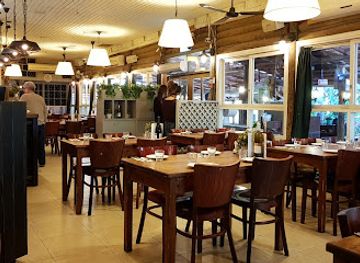
Best restaurants in Northern District
Northern District dining reflects the Galilee's agricultural produce and its mixture of Jewish, Arab, Christian and Druze communities. In Nazareth and towns across the Galilee, menus commonly feature hummus, labneh, salads, grilled meats, stuffed vegetables, breads and pastries, with olive oil, herbs and seasonal fruit central to the table. Druze villages are known for distinctive home-style dishes and flatbreads, while village restaurants and rural inns often focus on local vegetables, cheeses and preserved foods. Acre combines seafood and Levantine cooking with cafés and market stalls in and around the old city, although availability varies by day and season. Around Tiberias, fish and lakeside dining have a long association with the Sea of Galilee, but menus also reflect wider Israeli cuisine. The Upper Galilee and Golan are prominent for vineyards, olive oil, honey, cheeses, apples, cherries and other orchard produce. Markets, bakeries, wineries and farm shops are useful places to understand the region's food culture; kosher, halal and other dietary practices should be checked when choosing a restaurant.
-
Seafood
Uri Buri
Experience exquisite seafood dining at Uri Buri in Acre - where Mediterranean flavors meet stunning coastal views.
-
Restaurant
Moshbutz
Experience authentic Israeli flavors at Moshbutz - where fresh ingredients meet culinary creativity in Ramot.
-
Restaurant
Nimer restaurant
Experience authentic Israeli cuisine at Nimer Restaurant in Mitzpe Tzuran - where flavors come alive in every dish.
-
Restaurant
Tzel Tamar
Experience culinary excellence at Tzel Tamar in Ashdot Ya'akov Ihud – where local flavors meet international cuisine amidst breathtaking views.


Best bars in Northern District
Nightlife in the Northern District is generally social and informal rather than club-centred. Acre and Nazareth have cafés, restaurants and a small selection of evening venues, with activity concentrated in the old city, central streets and cultural spaces rather than a large dedicated nightlife district. Tiberias offers lakeside restaurants, hotel bars and seasonal evening activity, while Safed is better suited to galleries, cafés, live music and quiet drinks than late-night dancing. In the Upper Galilee and Golan, evenings often centre on rural restaurants, brewery or winery visits, guesthouse gatherings and pubs in the larger towns. Kiryat Shmona and other northern centres have a modest local bar scene, but opening patterns can change and religious holidays affect public life. Visitors should not assume that entertainment continues late in small villages, and should arrange transport in advance when staying outside an urban centre.
-
Bar
Rai Winery & Restaurant מסעדת ויקב ראי
Discover the perfect blend of gourmet dining and exquisite wines at Rai Winery & Restaurant in Rameh.
-
Brewpub
galil brewery-מבשלת הגליל-BEREZ
Discover the art of craft brewing at Galil Brewery, where local flavors and a vibrant atmosphere await every visitor.
-
Pub
Pub Morgan
Discover the lively nightlife of Haifa at Pub Morgan, a hotspot for cocktails, live music, and unforgettable evenings.
-
Bar
Eli's Pub-אליס פאב
Discover Eli's Pub in Haifa – a lively cocktail bar and hamburger haven with live music that guarantees a memorable night out.


Best nightclubs in Northern District
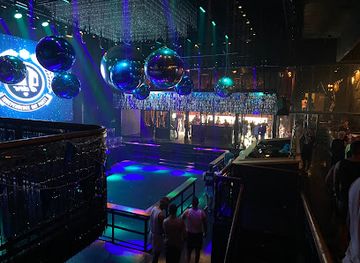
Nightlife in the Northern District is generally social and informal rather than club-centred. Acre and Nazareth have cafés, restaurants and a small selection of evening venues, with activity concentrated in the old city, central streets and cultural spaces rather than a large dedicated nightlife district. Tiberias offers lakeside restaurants, hotel bars and seasonal evening activity, while Safed is better suited to galleries, cafés, live music and quiet drinks than late-night dancing. In the Upper Galilee and Golan, evenings often centre on rural restaurants, brewery or winery visits, guesthouse gatherings and pubs in the larger towns. Kiryat Shmona and other northern centres have a modest local bar scene, but opening patterns can change and religious holidays affect public life. Visitors should not assume that entertainment continues late in small villages, and should arrange transport in advance when staying outside an urban centre.
-
Night club
Haoman 17
Experience the electric nightlife of Tel Aviv at Haoman 17, the ultimate destination for music, dance, and unforgettable moments.
-
Night club
Gagarin Club TLV
Experience the electrifying nightlife at Gagarin Club TLV, a premier dance and live music venue in the heart of Tel Aviv.
-
Night club
Wunderbar
Discover Haifa's nightlife at Wunderbar, a dynamic venue featuring live music, vibrant atmosphere, and unforgettable events for music lovers and party-goers.
-
Night club
Desire Club
Discover the heartbeat of Tel Aviv's nightlife at Desire Club, where music, dancing, and excitement come together in a vibrant atmosphere.


Best shops in Northern District
Shopping in the Northern District ranges from old-city markets and town-centre high streets to farm shops and small craft studios. Acre's market streets are suited to spices, sweets, coffee, household goods and Levantine food products, while Nazareth offers traditional foods, religious items, clothing and locally oriented shops around its historic centre. Safed is associated with galleries, Judaica, paintings, ceramics, jewellery and handmade objects, although quality and provenance vary between shops. In villages and rural districts, visitors may find olive oil, honey, herbs, cheeses, fruit, wine and preserves sold directly by producers or through visitor centres. Druze communities are known for hospitality, food products and craft-oriented businesses, but individual villages have different retail offerings. Tiberias provides practical shopping, souvenirs and lakeside retail rather than a specialist luxury scene. Market days and opening arrangements can change, particularly around Shabbat and religious holidays, so smaller businesses may accept cash even where larger retailers take cards. Choose archaeological replicas and religious handicrafts from legitimate sellers, and avoid buying antiquities whose provenance or export status is unclear.
-
Shopping mall
Azrieli Mall
Discover the vibrant Azrieli Mall in Tel Aviv, where shopping meets dining and entertainment in a stunning architectural masterpiece.
-
Shopping mall
Grand Canyon Haifa
Experience the charm of shopping, dining, and entertainment at Grand Canyon Haifa, the ultimate shopping destination in Israel.
-
Shopping mall
Ir Yamim Mall
Explore the vibrant shopping scene at Ir Yamim Mall in Netanya, where fashion, food, and fun blend seamlessly for an unforgettable experience.
-
Shopping mall
BIG Krayot
Discover the ultimate shopping experience at BIG Krayot in Haifa, featuring diverse shops, dining, and entertainment for the whole family.


Get your free copy of our complete guide to Northern District, delivered straight to you.
Everything on this page, from attractions and restaurants to essentials and local phrases, in one PDF you can read offline, print or share.
Already have an account? Sign in
Your Northern District guide is ready.
We'll send it to · Not you? Sign out

Getting your guide ready…
We are putting together a fresh copy of the Northern District guide. This can take up to a minute.
This can take a few moments. If your browser asks, choose Allow so the download can start. You'll find the guide in your Downloads folder.
Nothing happened? Download it again
Sorry, the guide is taking longer than usual. Please try again in a minute, or get it by email instead.
Northern District essentials
Currency and Payment
Safety
Emergency Situations
Do's and Don'ts
Local Tips
From Eve
Local phrases worth knowing
You don't need to get them perfect. A few words go a long way, and locals appreciate the effort.
Basics
| English | Local | Say it |
|---|---|---|
| Hello | שלום | [Shalom] |
| Goodbye | להתראות | [Lehitra'ot] |
| Yes | כן | [Ken] |
| No | לא | [Lo] |
| Please/You're welcome | בבקשה | [Bevakasha] |
| Thank you | תודה | [Toda] |
| Excuse me/Sorry | סליחה | [Slicha] |
| How are you? | מה שלומך? | [Ma shlomecha? (to male) / Ma shlomech? (to female)] |
| Fine. And you? | בסדר. ואתה? | [Beseder. Ve'ata? (to male) / Ve'at? (to female)] |
| Do you speak English? | אתה מדבר אנגלית? | [Ata medaber Anglit? (to male) / At medaberet Anglit? (to female)] |
| I don't understand | אני לא מבין | [Ani lo mevin (to male) / Ani lo mevina (to female)] |
Eating & Drinking
| English | Local | Say it |
|---|---|---|
| I'd like to see the menu, please | אני רוצה לראות את התפריט, בבקשה | [Ani rotzeh lirot et ha-tafri't, bevakasha] |
| I don't eat meat | אני לא אוכל בשר | [Ani lo ochel basar (to male) / Ani lo ochelet basar (to female)] |
| Cheers! | לחיים! | [Lechayim!] |
| I would like to pay, please | אני רוצה לשלם, בבקשה | [Ani rotzeh leshalem, bevakasha] |
Emergencies
| English | Local | Say it |
|---|---|---|
| Help! | עזרה! | [Ezra!] |
| Go away! | לך מפה! | [Lech mipoh!] |
| Call the Police! | תקרא למשטרה! | [Tikra la-mish'tara!] |
| Call a doctor! | תקרא לרופא! | [Tikra la-rofe!] |
| I'm lost | אני אבוד | [Ani avud (to male) / Ani avuda (to female)] |
| I'm ill | אני חולה | [Ani choleh (to male) / Ani cholah (to female)] |
Shopping
| English | Local | Say it |
|---|---|---|
| I'd like to buy... | אני רוצה לקנות... | [Ani rotzeh liknot...] |
| I'm just looking | אני רק מסתכל | [Ani rak mistakel (to male) / Ani rak mistakelet (to female)] |
| How much is it? | כמה זה עולה? | [Kama ze oleh?] |
| That's too expensive | זה יקר מדי | [Ze yakar midai] |
| Can you lower the price? | אפשר להוריד את המחיר? | [Efshar lehorid et ha-mechir?] |
Time & Numbers
| English | Local | Say it |
|---|---|---|
| What time is it? | מה השעה? | [Ma ha-sha'ah?] |
| It's one o'clock | שעה אחת | [Sha'ah achat] |
| Half past (10) | חצי אחרי 10 | [Chatzi acharei 10] |
| Morning | בוקר | [Boker] |
| Afternoon | אחר הצהריים | [Achar ha-tzohorayim] |
| Evening | ערב | [Erev] |
| Yesterday | אתמול | [Etmol] |
| Today | היום | [Hayom] |
| Tomorrow | מחר | [Machar] |
| 1 | 1 | [Echad] |
| 2 | 2 | [Shnayim] |
| 3 | 3 | [Shlosha] |
| 4 | 4 | [Arba'a] |
| 5 | 5 | [Chamisha] |
| 6 | 6 | [Shisha] |
| 7 | 7 | [Shiv'a] |
| 8 | 8 | [Shmona] |
| 9 | 9 | [Tesha] |
| 10 | 10 | [Asara] |
Transport & Directions
| English | Local | Say it |
|---|---|---|
| Where's a/the...? | איפה ה...? | [Eifo ha...?] |
| What's the address? | מה הכתובת? | [Ma ha-ketovet?] |
| Can you show me (on the map)? | אתה יכול להראות לי (על המפה)? | [Ata yachol leharot li (al ha-mapa)? (to male) / At yacholah leharot li (al ha-mapa)? (to female)] |
| When's the next (bus)? | מתי אוטובוס הבא? | [Matai otobus haba?] |
| A ticket (to ....) | כרטיס (ל...) | [Kartis (le...)] |
History of Northern District
Prehistoric Settlements and Early Agriculture
The Northern District contains some of the most important archaeological evidence for early human settlement in the Levant. The Carmel and Galilee landscapes preserve caves and open-air sites associated with prehistoric communities, while fertile valleys such as the Hula and Jezreel supported increasingly settled agriculture. At Gesher Benot Ya'aqov near the Jordan Valley, evidence of very early human activity includes controlled use of fire and stone tools. Later Neolithic and Chalcolithic communities established villages, cultivated crops and developed systems of exchange that connected the inland valleys with the Mediterranean coast.
Canaanite, Israelite and Phoenician Kingdoms
During the Bronze and Iron Ages, northern Palestine was organised around fortified towns, agricultural settlements and trading networks. Hazor in Upper Galilee became a major Canaanite and later Israelite centre, while Megiddo controlled routes across the Jezreel Valley and the Carmel approaches. Coastal Acre and other western settlements were connected to Phoenician maritime culture. Assyrian expansion in the eighth century BCE transformed the political landscape, bringing the northern Israelite kingdom under imperial rule and contributing to large-scale population movements documented in the region's archaeological record.
Hellenistic and Roman Galilee
After the conquests of Alexander the Great, northern Palestine entered the Hellenistic political world and later became part of the Roman sphere. Towns such as Sepphoris, near Nazareth, and Tiberias developed as centres of administration, commerce and urban culture. Roman roads, theatres, baths, aqueducts and mosaics reshaped the landscape, while Jewish villages continued to flourish in the hills and valleys. The period is also central to the history of early Christianity, whose traditions are strongly associated with Nazareth, the Sea of Galilee and northern pilgrimage routes.
Rabbinic Galilee and Late Antiquity
After the destruction of the Second Temple in Jerusalem and the upheavals of the second and third centuries, Galilee became a major centre of Jewish religious scholarship. The Sanhedrin and leading rabbis were associated at different times with towns including Usha, Shfar'am, Sepphoris and Tiberias. The Jerusalem Talmud was compiled in the broader Galilean environment during late antiquity, and synagogue remains at places such as Bar'am, Chorazin and Hamat Tiberias reveal the religious and artistic life of Jewish communities. Christian, Jewish and later Samaritan traditions also intersected across the region.
Acre, the Crusades and Mamluk Rule
Acre grew into a major Mediterranean port and became the principal capital of the Crusader Kingdom of Jerusalem after the fall of much of the kingdom's inland territory. Its harbour connected the eastern Mediterranean with European military and commercial networks. In 1291, the Mamluk conquest of Acre ended Crusader rule in the Holy Land, but the city remained important within regional trade. The surviving walls, vaulted spaces and urban archaeology reflect successive Crusader, Mamluk and Ottoman layers rather than a single historical period.
Ottoman Towns, Agriculture and Religious Communities
The Ottoman Empire ruled the region from the early sixteenth century until the end of the First World War. Acre served as an important provincial centre, while Safed was a significant Jewish centre of learning and Jewish mystical thought in the sixteenth century. Tiberias, Nazareth and numerous rural villages developed within an economy based on agriculture, crafts and regional trade. Druze communities became established in parts of northern Galilee and the Golan, and the district's present cultural variety reflects the long coexistence and interaction of Arab, Jewish, Druze and other communities.
Mandate Infrastructure and the Creation of Israel
Under the British Mandate, roads, railways, ports and administrative institutions altered the region's connections with Haifa, Damascus and the wider eastern Mediterranean. The 1948 war brought the Northern District within the State of Israel and caused major changes in the population and political geography of towns and villages. Acre, Nazareth, the Galilee and the northern borderlands developed within Israel's new state framework, while the Golan Heights remained under Syrian control until Israel captured the area during the 1967 war.
Modern Northern Israel and the Golan
Since the mid-twentieth century, the district has combined agricultural development, immigration, tourism, conservation and expanding urban centres. Kibbutzim and moshavim shaped parts of the Galilee and Golan, while towns such as Karmiel, Kiryat Shmona and Upper Nazareth, now known as Nof HaGalil, grew through state planning and migration. Israel extended its law, jurisdiction and administration to the Golan Heights in 1981, a move not recognised internationally. Today the region's tourism, farming and daily life continue to be influenced by its borders with Lebanon and Syria and by periodic security changes.
Northern District in Photos
Browse through our photo collection highlighting the charm and character of the destination.
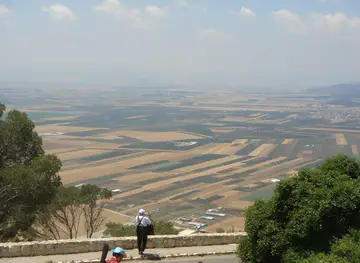
Neighbouring regions of Northern District
The closest regions to Northern District, if you have time for more than one.
-

-
-
-

-


Swipe for more regions
Explore more

Explore more of Israel
Discover Israel, a country where ancient history and modern culture meet, offering a rich tapestry of religious significance, vibrant cities, and diverse landscapes.
Explore Israel