

Jaffa (Tel Aviv) Travel Guide - Free
Explore Jaffa in Tel Aviv with Evendo's free guide. Find the best shops, historic streets, restaurants, and gems on web or mobile.


Jaffa, Tel Aviv’s ancient port, combines Ottoman lanes, Arab-Christian heritage, the flea market, coastal walks, galleries and celebrated local food.
Old Port and Historic Streets
Jaffa occupies the southern end of Tel Aviv-Yafo, where a low limestone hill rises above the Mediterranean and the shoreline opens towards the old port. Its historic core is a compact maze of lanes, stairways, courtyards and vaulted passages, centred on Kikar Kedumim and the hilltop church of St Peter. Below, the port and promenade connect the old city to the sea, while the nearby Jaffa Flea Market spreads through a lively network of streets filled with furniture, antiques, clothing, cafés and small workshops.Read more about Jaffa
A City of Many Communities
Sea, Markets and Everyday Life
Best attractions in Jaffa
Jaffa's principal attractions are concentrated within a walkable historic area above the Mediterranean. The Old Jaffa Visitors Centre provides context for the town's archaeology and stories, while Kikar Kedumim leads through restored lanes towards St Peter's Church and viewpoints over the port. The Jaffa Port, still associated with fishing as well as leisure, opens onto the sea and connects with the promenade. Nearby, the Jaffa Flea Market offers a more commercial and everyday experience, with stalls, workshops, cafés and second-hand goods spread through narrow streets. The Ilana Goor Museum occupies a historic building in Old Jaffa and combines the building's character with a collection of contemporary art and design. Jaffa Slope Park and the southward shoreline provide open space and changing views back towards the old hill, while the Clock Tower marks the district's busy meeting point with modern Tel Aviv.
-
Tourist attraction
Abrasha Park
Explore Abrasha Park in Tel Aviv-Yafo: a serene urban oasis with breathtaking views, lush gardens, and cultural vibrancy, perfect for relaxation and recreation.
2 min walk · 0.2 km from neighbourhood centre
-
Tourist attraction
תמונות יפואיות - מרכז מבקרים
Explore Kikar Kdumim in Tel Aviv-Yafo, a vibrant square rich in history and culture, offering art, music, and enchanting local cuisine.
2 min walk · 0.2 km from neighbourhood centre
-
Tourist attraction
Kdumim Square
Explore the vibrant energy and historical charm of Kdumim Square, a must-visit tourist attraction in Tel Aviv-Yafo.
2 min walk · 0.2 km from neighbourhood centre


Best landmarks in Jaffa
The Clock Tower is Jaffa's most familiar civic landmark, standing at the junction between the historic town, Yefet Street and modern traffic routes; its construction in 1906 reflects the late Ottoman town's administrative importance. Above the harbour, the Old Jaffa quarter preserves a dense network of stone lanes and vaulted buildings, with Kikar Kedumim forming its principal public space. St Peter's Church, associated with the Christian pilgrimage tradition of Jaffa, is one of the hill's most prominent religious buildings. The Mahmoudiya Mosque, with its minaret visible above the surrounding streets, represents the continuing Islamic heritage of the town. Below them, Jaffa Port and its working maritime setting connect the historic hill with the Mediterranean, while the Flea Market occupies a later commercial landscape shaped by trade, reuse and urban restoration.
-
Historical landmark
The Clock Tower
Discover the enchanting history and vibrant atmosphere of The Clock Tower, a must-visit landmark in the heart of Tel Aviv-Yafo.
6 min walk · 0.5 km from neighbourhood centre
-
Tourist attraction
נמל יפו
Explore the enchanting Nemal Yafo, a waterfront hub of culture, cuisine, and captivating views in Tel Aviv-Yafo.
4 min walk · 0.4 km from neighbourhood centre
-
Historical landmark
Old Jaffa
Explore the rich history and vibrant culture of Old Jaffa, a captivating blend of ancient architecture, art, and culinary delights along the Mediterranean coast.
3 min walk · 0.3 km from neighbourhood centre
-
Historical landmark
Jaffa Light
Discover the historical Jaffa Light, a stunning lighthouse offering breathtaking views and a glimpse into Tel Aviv's maritime history.
2 min walk · 0.2 km from neighbourhood centre


Explore Jaffa on the map
A handpicked selection of must-see spots in Jaffa, mapped for you.
Best hotels in Jaffa
Best restaurants in Jaffa
Eating in Jaffa reflects the district's Arab, Jewish, Mediterranean and coastal influences. Around the Flea Market and Old Jaffa, visitors find restaurants and cafés in converted stone buildings, with menus that may include hummus, grilled meats, seafood, salads, pastries and contemporary interpretations of local ingredients. Long-established names such as Abu Hassan are associated with Jaffa's hummus culture, while the market area includes casual eateries suited to browsing between shops. The port and promenade bring a stronger emphasis on fish, seafood and sunset dining, whereas Yefet Street and Ajami offer more everyday local choices alongside newer venues. Arabic coffee, sweet pastries and small plates provide useful pauses during a walking day, and the district's food scene is best understood through its mix of neighbourhood institutions, family businesses and newer restaurants rather than through a single signature cuisine.
-
Restaurant
The Old Man and the Sea
Experience authentic Mediterranean flavors at The Old Man and the Sea – Tel Aviv's premier seafood restaurant known for fresh ingredients and delightful dishes.
15 min walk · 1.2 km from neighbourhood centre
-
Restaurant
Cafe Puaa
Discover Cafe Puaa in Tel Aviv-Yafo: A unique blend of local flavors and vibrant atmosphere perfect for any foodie.
5 min walk · 0.4 km from neighbourhood centre
-
Restaurant
Onza
Discover Onza in Tel Aviv: where innovative cuisine meets vibrant nightlife in an unforgettable dining experience.
4 min walk · 0.4 km from neighbourhood centre
-
Restaurant
Faruk BaShuk
Discover the vibrant tastes of Tel Aviv-Yafo at Faruk BaShuk - where traditional meets modern in every dish.
5 min walk · 0.4 km from neighbourhood centre


Best bars in Jaffa
Jaffa's evenings are generally more varied than club-centred: the port, Old Jaffa lanes and Flea Market edges fill with diners, wine drinkers and people walking beside the sea. Bars and restaurants occupy restored stone buildings and market-front spaces, while the Noga area has a more contemporary design and cultural atmosphere. The district also hosts galleries, performance spaces and occasional cultural programming, although schedules change and should be checked locally. Traditional cafés and food businesses remain important after dark, particularly around Yefet Street and the market, while the quieter lanes of Ajami are primarily residential. Visitors seeking large nightclubs will usually find a broader selection elsewhere in Tel Aviv, whereas Jaffa suits an evening of food, conversation, live cultural events and waterfront strolling.
-
Bar
Shaffa Bar
Discover the vibrant nightlife at Shaffa Bar in Tel Aviv: a trendy bar with unique cocktails and an unforgettable atmosphere.
5 min walk · 0.4 km from neighbourhood centre
-
Gastropub
Shuffle Bar
Experience the best of Tel Aviv's nightlife at Shuffle Bar, where innovative vegan cuisine meets a lively bar atmosphere in the heart of Florentin.
5 min drive · 1.6 km from neighbourhood centre
-
Cocktail bar
ראיסה בשוק הפשפשים
Discover the flavors of Tel Aviv at Raisa, a vibrant cocktail bar and bistro in the famous Jaffa Flea Market, perfect for tapas lovers.
5 min walk · 0.4 km from neighbourhood centre
-
Bar
Akbar
Discover the vibrant atmosphere of Akbar, a lively bar and restaurant in Tel Aviv, serving delicious cuisine and refreshing drinks.
5 min walk · 0.4 km from neighbourhood centre


Best nightclubs in Jaffa
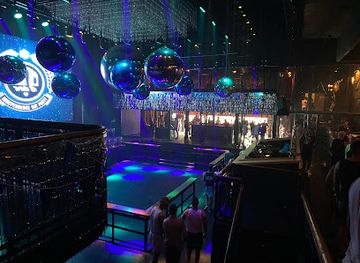
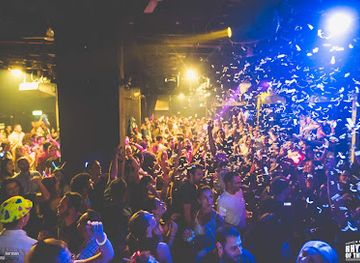
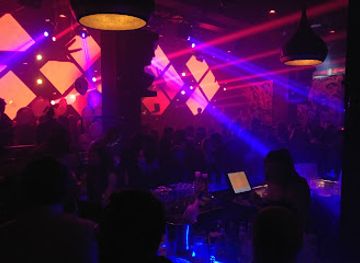
Jaffa's evenings are generally more varied than club-centred: the port, Old Jaffa lanes and Flea Market edges fill with diners, wine drinkers and people walking beside the sea. Bars and restaurants occupy restored stone buildings and market-front spaces, while the Noga area has a more contemporary design and cultural atmosphere. The district also hosts galleries, performance spaces and occasional cultural programming, although schedules change and should be checked locally. Traditional cafés and food businesses remain important after dark, particularly around Yefet Street and the market, while the quieter lanes of Ajami are primarily residential. Visitors seeking large nightclubs will usually find a broader selection elsewhere in Tel Aviv, whereas Jaffa suits an evening of food, conversation, live cultural events and waterfront strolling.
-
Night club
Haoman 17
Experience the vibrant nightlife of Tel Aviv at Haoman 17, a top gay-friendly night club offering unforgettable events and a lively atmosphere.
17 min walk · 1.3 km from neighbourhood centre
-
Night club
Gagarin Club TLV
Discover the heart of Tel Aviv's nightlife at Gagarin Club TLV, where live music and electrifying dance vibes await every night.
15 min walk · 1.2 km from neighbourhood centre
-
Night club
Duplex
Discover the electrifying nightlife of Tel Aviv at Duplex, a premier night club featuring top DJs and an unparalleled atmosphere.
5 min drive · 1.7 km from neighbourhood centre
-
Night club
Solo Club Tel Aviv
Dive into the vibrant nightlife of Tel Aviv at Solo Club, where music and style collide for an unforgettable experience.
7 min drive · 2.2 km from neighbourhood centre

Best shops in Jaffa
Shopping in Jaffa centres on the Jaffa Flea Market, a long-established commercial quarter where antique dealers, vintage sellers, furniture restorers, clothing shops, craft businesses and small cafés share a dense network of lanes. The market's appeal lies as much in browsing old objects and observing repair and reuse as in buying a particular souvenir, and stock varies from one shop to the next. Around Old Jaffa, galleries and design-led shops occupy restored buildings, while Noga has a more contemporary mix of independent creative businesses. Yefet Street provides a more local shopping experience, with everyday services and food retailers rather than a concentrated visitor market. Bargaining may be appropriate in some market stalls, but not every retailer follows the same practice; ask courteously and handle fragile goods with care.
-
Clothing store
VONBERG JAFFA וונברג יפו
Discover unique fashion pieces at VONBERG JAFFA, where Tel Aviv-Yafo's eclectic style comes alive through local designers and contemporary apparel.
5 min walk · 0.4 km from neighbourhood centre
-
Gift shop
Hilweh Market
Explore Hilweh Market in Tel Aviv-Yafo for unique handcrafted gifts, exquisite pottery, and authentic local artistry that reflect the vibrant culture of Israel.
1 min walk · 0.1 km from neighbourhood centre
-
Clothing store
BoBo
Discover unique fashion at BoBo in Tel Aviv, where local creativity meets trendy styles in an inviting boutique atmosphere.
5 min walk · 0.4 km from neighbourhood centre
-
Vintage clothing store
Loni Vintage לוני וינטאג
Explore Loni Vintage in Tel Aviv-Yafo for unique, stylish vintage clothing, bags, and accessories that tell a story.
7 min walk · 0.5 km from neighbourhood centre


Jaffa essentials
Getting There
Getting Around
Safety
Emergency Situations
Do's and Don'ts
Local Tips

From Eve
Local phrases worth knowing
You don't need to get them perfect. A few words go a long way, and locals appreciate the effort.
Basics
| English | Local | Say it |
|---|---|---|
| Hello | שָׁלוֹם | [Sha-lom] |
| Goodbye | לְהֵיפָּך | [Le-hee-pakh] |
| Yes | כֵּן | [Ken] |
| No | לֹא | [Lo] |
| Please/You're welcome | בבקשה | [Bevakasha] |
| Thank you | תוֹדָה | [To-da] |
| Excuse me/Sorry | סְלִיחָה | [S'lee-kha] |
| How are you? | אֵיך אַתָּה? | [Eich ata?] |
| Fine. And you? | טוֹב. וְאַתָּה? | [Tov. Ve-ata?] |
| Do you speak English? | הֲאַתָּה מְדַבֵּר אַנְגְלִית? | [Ha-ata meda-ber anglit?] |
| I don't understand | אֲנִי לֹא מֵבִין | [Ani lo mevin] |
Eating & Drinking
| English | Local | Say it |
|---|---|---|
| I'd like to see the menu, please | אֲנִי רוֹצֶה לִרְאוֹת אֶת הַתַפְרִיט, בְּבַקָשָׁה | [Ani ro-tse li-rot et ha-ta-freet, be-vakasha] |
| I don't eat meat | אֲנִי לֹא אוֹכֵל בָּשָׂר | [Ani lo o-khel ba-sar] |
| Cheers! | לְחַיִים! | [Le-chai-yim] |
| I would like to pay, please | אֲנִי רוֹצֶה לְשַלֵם, בְּבַקָשָׁה | [Ani ro-tse le-sha-lem, be-vakasha] |
Emergencies
| English | Local | Say it |
|---|---|---|
| Help! | עֶזרָה! | [Ez-ra] |
| Go away! | לְךָ מֵהֶלָךְ! | [Le-kha me-ha-lekh] |
| Call the Police! | קְרָא לַמִּשְׁטָרָה! | [Kra la-mish-ta-ra] |
| Call a doctor! | קְרָא לַרוֹפֵא! | [Kra la-ro-fe] |
| I'm lost | אֲנִי אוֹבֵד דֶרֶךְ | [Ani o-ved derekh] |
| I'm ill | אֲנִי חוֹלֶה | [Ani kho-leh] |
Shopping
| English | Local | Say it |
|---|---|---|
| I'd like to buy... | אֲנִי רוֹצֶה לִקְנוֹת... | [Ani ro-tse li-knot] |
| I'm just looking | אֲנִי רַק צוֹפֶה | [Ani rak tzo-feh] |
| How much is it? | כַּמָּה זֶה עוֹלֶה? | [Ka-ma zeh o-leh?] |
| That's too expensive | זֶה יָקָר מְדַי | [Zeh ya-kar me-dai] |
| Can you lower the price? | אַתָּה יָכוֹל לְהוֹרִיד אֶת הַמְחִיר? | [A-ta ya-khol le-ho-rid et ha-mekhir?] |
Time & Numbers
| English | Local | Say it |
|---|---|---|
| What time is it? | מַה הַשָּׁעוֹן? | [Ma ha-sha-on] |
| It's one o'clock | זֶה שְׁעָה אֶחָת | [Zeh sha-a e-khat] |
| Half past (10) | חֲצִי (10) | [Kha-tzi (eser)] |
| Morning | בֹּקֶר | [Bo-ker] |
| Afternoon | צָהֳרַיִם | [Tzo-ho-ra-yim] |
| Evening | עֶרֶב | [E-rev] |
| Yesterday | אֶתְמוֹל | [Etmol] |
| Today | הַיוֹם | [Ha-yom] |
| Tomorrow | מָחָר | [Ma-khar] |
| 1 | אֶחָד | [E-khad] |
| 2 | שְׁתַיִם | [She-ta-yim] |
| 3 | שָׁלוֹשׁ | [Sha-losh] |
| 4 | אַרְבָּעָה | [Ar-ba-a] |
| 5 | חָמֵשׁ | [Cha-mesh] |
| 6 | שֵׁשׁ | [Shesh] |
| 7 | שִׁבְעָה | [Shiv-a] |
| 8 | שְׁמוֹנֶה | [Shmo-ne] |
| 9 | תִּשְׁעָה | [Tish-a] |
| 10 | עֶשֶׂר | [E-ser] |
Transport & Directions
| English | Local | Say it |
|---|---|---|
| Where's a/the...? | אֵיפֹה נִמְצָא... | [Eifo nim-tza] |
| What's the address? | מַה הַכְתוֹבָה? | [Ma ha-kto-va] |
| Can you show me (on the map)? | אַתָּה יָכוֹל לְהַרְאוֹת לִי (עַל הַמַפָּה)? | [A-ta ya-khol le-ha-rot li (al ha-ma-pa)] |
| When's the next (bus)? | מָתַי הָאוֹטוֹבוּס הַבָּא? | [Ma-tai ha-o-to-bus ha-ba] |
| A ticket (to ....) | כַּרְטִיס (לְ....) | [Kar-teees (le)] |
History of Jaffa
A Port Older Than Tel Aviv
Jaffa's harbour and hill have been settled since antiquity, and the port appears in ancient Egyptian references and later biblical, classical and Islamic histories. Its position on the Mediterranean coast made it a point of arrival for goods, travellers and pilgrims, although the shallow harbour could be difficult for larger vessels. Unlike neighbouring Tel Aviv, which was founded in the early twentieth century, Jaffa developed as an established port town with a dense urban core, agricultural hinterland and strong connections to the wider eastern Mediterranean.
Ottoman Town and Citrus Trade
Under Ottoman rule, Jaffa expanded beyond its older walls and became an important commercial centre for the surrounding region. Merchants, religious institutions and residential quarters shaped the town's streets, while the port handled agricultural produce, including the citrus fruit that became closely associated with the Jaffa name in international trade. The Clock Tower, completed in 1906 during the late Ottoman period, reflects the town's civic importance and remains one of its most recognisable urban markers.
War, Partition and Absorption
The political upheavals surrounding the end of the British Mandate and the 1948 war profoundly changed Jaffa. Much of the Arab population left or was displaced, and the town was incorporated into the municipality of Tel Aviv in 1950, creating the combined city now known as Tel Aviv-Yafo. Areas such as Ajami retained an Arab identity, while historic buildings and streets experienced neglect, demographic change and shifting patterns of ownership during the decades that followed.
Restoration and Contemporary Jaffa
From the later twentieth century, municipal restoration and private investment transformed parts of Old Jaffa, repairing historic structures and establishing galleries, museums, restaurants and cultural venues. The Jaffa Flea Market and port became major visitor destinations, while the Noga area developed a stronger design and arts presence. These changes brought renewed attention and economic activity but also contributed to rising property values and continuing debate about preservation, displacement and the balance between tourism and established communities.
Jaffa in Photos
Browse through our photo collection highlighting the charm and character of the destination.
Neighbourhoods near Jaffa
The closest neighbourhoods to Jaffa, if you have time for more than one stop.
-

-

-

-

-


Swipe for more neighbourhoods
Explore more

Explore more of Tel Aviv
Tel Aviv combines Mediterranean beaches, Bauhaus architecture, Jaffa history, lively markets, contemporary art and an energetic culinary scene in Israel.
Explore Tel Aviv