

Rothschild Boulevard (Tel Aviv) Travel Guide - Free
Explore Rothschild Boulevard in Tel Aviv with Evendo's free guide. Find the best shops, historic streets, restaurants, and gems on web or mobile.


Rothschild Boulevard in Tel Aviv pairs Bauhaus architecture, shaded cafés, Independence Hall and lively city-centre walks with Israel’s founding story.
A Boulevard Built with the City
Rothschild Boulevard runs through the centre of Tel Aviv, linking the historic streets of the White City with the business district and the cultural institutions around Habima Square. Its broad central promenade, lined with mature trees, cycle paths, benches and small cafés, is one of the city’s most recognisable public spaces. The boulevard began with Tel Aviv’s first neighbourhood, Ahuzat Bayit, founded in 1909, and still carries the atmosphere of a place where the city’s past and present meet without a formal boundary between them.Read more about Rothschild Boulevard
Architecture and Public Life
Cafés, Offices and Evening Strolls
Best attractions in Rothschild Boulevard
Rothschild Boulevard’s principal attraction is the boulevard itself: a long, tree-shaded public promenade where walkers pass restored Modernist façades, outdoor seating, cycle lanes and small landscaped areas. Independence Hall at number 16 offers the most direct encounter with the founding history of Tel Aviv and Israel, subject to its current conservation and visitor arrangements. The surrounding streets, including Ahad Ha'am and Nahmani, contain some of the most legible examples of the White City’s apartment architecture, with curved balconies, shaded windows and carefully proportioned façades. At the northern end, Habima Square and the Habima Theatre lie immediately nearby, providing a cultural extension rather than part of the boulevard’s historic core. The southern end leads towards the streets of Neve Tzedek, while cafés, public seating and the changing play of office workers, residents and cyclists make the central strip an attraction in its own right.
-
Tourist attraction
HaBima Square
Explore HaBima Square, a lush green oasis in Tel Aviv, where culture meets nature in a vibrant urban setting, perfect for relaxation and exploration.
15 min walk · 1.2 km from neighbourhood centre
-
Tourist attraction
Meir Garden
Discover Meir Garden in Tel Aviv: a serene park featuring lush greenery, playgrounds, and peaceful spaces perfect for relaxation and recreation.
12 min walk · 1.0 km from neighbourhood centre
-
Tourist attraction
The Hagana Museum
Explore The Hagana Museum in Tel Aviv-Yafo, a captivating tribute to Israel's military history and the struggle for independence.
2 min walk · 0.2 km from neighbourhood centre
-
Tourist attraction
King Albert Square
Explore King Albert Square, a vibrant community hub in Tel Aviv-Yafo, where culture, relaxation, and local life come together beautifully.
6 min walk · 0.4 km from neighbourhood centre


Best landmarks in Rothschild Boulevard
The most important landmark on Rothschild Boulevard is Independence Hall, the former home of Meir Dizengoff at number 16 and the site of the declaration of the State of Israel on 14 May 1948. Its significance is both national and local: the building began as a private residence connected with the formation of Tel Aviv and later became the setting for a foundational political ceremony. The boulevard’s other defining landmarks are architectural rather than monumental. Early houses and 1930s Modernist apartment buildings along the avenue and neighbouring streets form part of Tel Aviv’s White City landscape, recognised by UNESCO for its Modernist heritage. The mature tree-lined median, central seating areas and long visual axis are also important elements of the boulevard’s historic urban design. Habima Square and the Habima Theatre stand at the northern end, immediately nearby rather than within the boulevard’s central historic setting.
-
History museum
The Hagana Museum
Explore The Hagana Museum in Tel Aviv-Yafo, a captivating journey through the history of the Israeli defense forces and the struggle for independence.
2 min walk · 0.2 km from neighbourhood centre
-
Tourist attraction
Founders Monument and Fountain
Discover the Founders Monument and Fountain in Tel Aviv-Yafo, a stunning tribute to the city's history and culture, perfect for a reflective visit.
3 min walk · 0.2 km from neighbourhood centre
-
Tourist attraction
King Albert Square
Discover the charm of King Albert Square in Tel Aviv-Yafo, a vibrant cultural hub perfect for relaxation and local experiences amid lush greenery.
6 min walk · 0.4 km from neighbourhood centre
-
Park
Rothschild Street
Discover the vibrant pulse of Tel Aviv at Rothschild Street, where history, culture, and modern life converge in a stunning urban landscape.
11 min walk · 0.9 km from neighbourhood centre


Explore Rothschild Boulevard on the map
A handpicked selection of must-see spots in Rothschild Boulevard, mapped for you.
Best hotels in Rothschild Boulevard
Best restaurants in Rothschild Boulevard
Dining along Rothschild Boulevard reflects central Tel Aviv’s mixture of café culture, casual meals and late-evening restaurants rather than a single local cuisine. Ground-floor terraces line parts of the avenue, while the adjoining streets offer bakeries, coffee shops, contemporary Israeli cooking, Mediterranean dishes and international options. Rothschild 12 is one of the better-known addresses associated with the boulevard’s café and bar scene, although the commercial mix changes over time. For a broader food circuit, visitors can walk south towards Neve Tzedek or east towards Levinsky Market, both nearby but distinct areas with their own culinary identities. The boulevard is particularly suited to a flexible meal or coffee stop between architectural walks and museum visits; menus range from quick breakfasts and salads to more elaborate evening dining, with kosher status, prices and opening arrangements varying by establishment.
-
Breakfast
Benedict
Experience the ultimate breakfast destination in Tel Aviv at Benedict - where local flavors meet global influences in a vibrant setting.
3 min walk · 0.2 km from neighbourhood centre
-
Restaurant
Café Noir
Discover Café Noir in Tel Aviv: Where modern Israeli cuisine meets vibrant atmosphere in an unforgettable dining experience.
6 min walk · 0.5 km from neighbourhood centre
-
Asian
Vong
Experience authentic Asian flavors at Vong in Tel Aviv – a must-visit culinary gem for every food lover.
2 min walk · 0.2 km from neighbourhood centre
-
Italian
Rustico Rothschild
Experience authentic Italian cuisine at Rustico Rothschild in Tel Aviv - where every meal is a celebration of flavor.
2 min walk · 0.2 km from neighbourhood centre


Best bars in Rothschild Boulevard
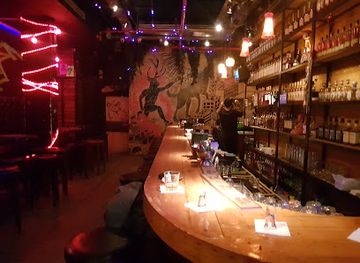
Rothschild Boulevard is one of central Tel Aviv’s established evening corridors, with bars, restaurant-bars and café terraces distributed along the avenue and its adjoining streets. The atmosphere is generally social and urban rather than centred on a single club strip: people move between outdoor tables, small venues and nearby entertainment areas, while the central promenade remains active with walkers. Rothschild 12 is a long-associated reference point for the boulevard’s nightlife, but venues and formats change, so current listings should be checked locally. The streets around Allenby and the northern city centre extend the evening circuit, though they should not be presented as part of Rothschild Boulevard itself. Loud music and late trading are concentrated around commercial frontages; quieter residential entrances sit close by, making considerate behaviour important after dark.
-
Bar
Sputnik bar
Discover the vibrant nightlife of Tel Aviv at Sputnik Bar, the ultimate destination for cocktails, music, and unforgettable memories.
4 min walk · 0.3 km from neighbourhood centre
-
Bar
Speakeasy
Experience the lively nightlife at Speakeasy, an iconic bar in Tel Aviv offering creative cocktails and a vibrant atmosphere.
3 min walk · 0.2 km from neighbourhood centre
-
Bar
Polly
Discover the lively atmosphere of Polly Bar, a premier nightlife destination in Tel Aviv, offering a wide range of drinks and a vibrant crowd.
7 min walk · 0.5 km from neighbourhood centre
-
Gastropub
Zoo Zoo
Discover the vibrant nightlife at Zoo Zoo, a unique gastropub and disco club in Tel Aviv-Yafo, blending delicious food and electrifying music.
3 min walk · 0.3 km from neighbourhood centre


Best nightclubs in Rothschild Boulevard
Rothschild Boulevard is one of central Tel Aviv’s established evening corridors, with bars, restaurant-bars and café terraces distributed along the avenue and its adjoining streets. The atmosphere is generally social and urban rather than centred on a single club strip: people move between outdoor tables, small venues and nearby entertainment areas, while the central promenade remains active with walkers. Rothschild 12 is a long-associated reference point for the boulevard’s nightlife, but venues and formats change, so current listings should be checked locally. The streets around Allenby and the northern city centre extend the evening circuit, though they should not be presented as part of Rothschild Boulevard itself. Loud music and late trading are concentrated around commercial frontages; quieter residential entrances sit close by, making considerate behaviour important after dark.
-
Night club
Kuli Alma
Experience the electrifying nightlife at Kuli Alma, where art meets music in the heart of Tel Aviv’s vibrant club scene.
6 min walk · 0.5 km from neighbourhood centre
-
Gastropub
Zoo Zoo
Discover the dynamic nightlife of Tel Aviv at Zoo Zoo, a gastropub and disco club that offers delicious food, creative cocktails, and an electrifying atmosphere.
3 min walk · 0.3 km from neighbourhood centre
-
Night club
Radio EPGB
Experience the vibrant nightlife of Tel Aviv at Radio EPGB, a lively night club known for its live music and infectious atmosphere.
6 min walk · 0.5 km from neighbourhood centre
-
Night club
JIMMYWHO? Bar & Lounge
Discover the essence of Tel Aviv nightlife at JIMMYWHO? Bar & Lounge, where great drinks meet an electrifying atmosphere and top DJs.
3 min walk · 0.2 km from neighbourhood centre


Best shops in Rothschild Boulevard
Rothschild Boulevard is not Tel Aviv’s main destination for traditional shopping, but its ground-floor commercial spaces provide a useful mixture of cafés, small food businesses, design-led premises and everyday services. The most rewarding retail exploration often comes from leaving the boulevard briefly for the surrounding grid, where independent shops and galleries occupy historic buildings alongside newer businesses. Southwards, Neve Tzedek offers boutiques and design stores, while Levinsky Market to the southeast is known for food shops and specialist ingredients; both are nearby districts rather than parts of Rothschild Boulevard itself. The boulevard’s retail character is therefore tied to its office, residential and hospitality mix rather than a continuous shopping street. Visitors interested in architecture can combine browsing with short detours along Ahad Ha'am, Nahmani and other neighbouring streets, where renovated façades frame a changing collection of small businesses.
-
Gift shop
Nachalat Binyamin Art Fair
Immerse yourself in the colorful world of art at Nachalat Binyamin Art Fair, a hub of local craftsmanship and creativity in Tel Aviv.
5 min walk · 0.4 km from neighbourhood centre
-
Bakery
Boutique Central
Experience the rich flavors of Tel Aviv at Boutique Central, a bakery where artisanal bread and pastries meet a cozy atmosphere.
3 min walk · 0.2 km from neighbourhood centre
-
Fashion accessories store
דניאלה להבי
Explore the exquisite fashion accessories at דניאלה להבי, where contemporary style meets timeless elegance in Tel Aviv.
2 min walk · 0.2 km from neighbourhood centre
-
Clothing store
Belle & Sue
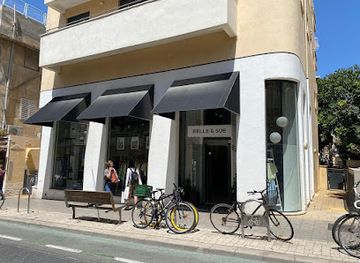
Discover trendy fashion at Belle & Sue, a boutique in Tel Aviv's Sheinkin Street, offering unique styles that reflect the city's vibrant culture.
8 min walk · 0.7 km from neighbourhood centre


Rothschild Boulevard essentials
Getting There
Getting Around
Safety
Emergency Situations
Do's and Don'ts
Local Tips

From Eve
Local phrases worth knowing
You don't need to get them perfect. A few words go a long way, and locals appreciate the effort.
Basics
| English | Local | Say it |
|---|---|---|
| Hello | שָלוֹם | [Shalom] |
| Goodbye | לְהֵיתָר | [Lehitraot] |
| Yes | כֵּן | [Ken] |
| No | לֹא | [Lo] |
| Please/You're welcome | בִּבְקָשָׁה | [B'vakasha] |
| Thank you | תוֹדָה רַבָּה | [Toda raba] |
| Excuse me/Sorry | סְלִיחָה | [Slicha] |
| How are you? | אֵיך אַתָה? | [Eich Ata?] |
| Fine. And you? | טוֹב. וְאַתְה? | [Tov. Ve'ata?] |
| Do you speak English? | הֲאַתָה מְדַבֵּר אַנְגְלִית? | [Ata medaber Anglit?] |
| I don't understand | אֲנִי לֹא מֵבִין | [Ani lo mevin] |
Eating & Drinking
| English | Local | Say it |
|---|---|---|
| I'd like to see the menu, please | אֲנִי רוֹצֶה לִרְאוֹת אֶת הַתַפְרִיט, בְּבַקָשָה | [Ani rotzeh lirot et hataprit, bevakasha] |
| I don't eat meat | אֲנִי לֹא אוֹכֵל בָּשָׂר | [Ani lo ochel basar] |
| Cheers! | לְחַיִים! | [L'chaim!] |
| I would like to pay, please | אָנִי רוֹצֶה לְשַלֵם, בְּבַקָשָה | [Ani rotzeh leshalem, bevakasha] |
Emergencies
| English | Local | Say it |
|---|---|---|
| Help! | עֶזְרָה! | [Ezra!] |
| Go away! | לֵך וּתְבָרֵחַ! | [Lech utvareach!] |
| Call the Police! | קְרָא לַמִּשְׁטָרָה! | [Kra lamishtara!] |
| Call a doctor! | קְרָא לַרוֹפֵא! | [Kra larofe!] |
| I'm lost | אֲנִי אוֹבֵד דֶרֶךְ | [Ani oved derech] |
| I'm ill | אֲנִי חֹלֶה | [Ani holeh] |
Shopping
| English | Local | Say it |
|---|---|---|
| I'd like to buy... | אֲנִי רוֹצֶה לִקְנוֹת... | [Ani rotzeh liknot...] |
| I'm just looking | אֲנִי רַק מְסַתֵכֵל | [Ani rak mestakel] |
| How much is it? | כַּמָה זֶה עוֹלֶה? | [Kama ze ole?] |
| That's too expensive | זֶה יָקָר מִדַי | [Ze yakar midai] |
| Can you lower the price? | אֶתָה יָכוֹל לְהוֹרִיד אֶת הַמְחִיר? | [Ata yachol lehorid et hamachir?] |
Time & Numbers
| English | Local | Say it |
|---|---|---|
| What time is it? | כַּמָה הַשָּעָה? | [Kama hashaa?] |
| It's one o'clock | זֶה אַחַת בַּבֹּקֶר | [Zeachat baboker] |
| Half past (10) | חֲצִי לָעֶשֶר | [Chatzi laeser] |
| Morning | בֹּקֶר | [Boker] |
| Afternoon | צָהֳרַיִם | [Tzohorayim] |
| Evening | עֶרֶב | [Erev] |
| Yesterday | אֶתִמוֹל | [Etmol] |
| Today | הַיוֹם | [Hayom] |
| Tomorrow | מָחָר | [Machar] |
| 1 | אֶחָד | [Echad] |
| 2 | שְׁתַיִם | [Shtayim] |
| 3 | שְׁלשָׁה | [Shalosh] |
| 4 | אַרְבַּעָה | [Arba'a] |
| 5 | חֲמִשָּׁה | [Chamishah] |
| 6 | שִׁשָּׁה | [Sheshah] |
| 7 | שִׁבְעָה | [Shiv'a] |
| 8 | שְׁמוֹנָה | [Shmona] |
| 9 | תִּשְעָה | [Tisha] |
| 10 | עֶשְׂרֵה | [Eser] |
Transport & Directions
| English | Local | Say it |
|---|---|---|
| Where's a/the...? | אֵיפֹה נִמְצָא... | [Eifo nimtza...] |
| What's the address? | מַה הַכְתָוָה? | [Ma hak'tava?] |
| Can you show me (on the map)? | אֶתָה יָכוֹל לְהַרְאוֹת לִי (עַל הַמַפָּה)? | [Ata yachol leha'rot li (al hamapa)?] |
| When's the next (bus)? | מָתַי הַבּוּס הַבָּא? | [Matai habus haba?] |
| A ticket (to ....) | כַּרְטִיס (לְ....) | [Kartis (le....)] |
History of Rothschild Boulevard
Ahuzat Bayit and the First City
Rothschild Boulevard’s history begins with Ahuzat Bayit, the Jewish suburban neighbourhood established in 1909 by members of the Ahuzat Bayit association. The settlement grew north of Jaffa on previously open land and is generally regarded as the foundation of modern Tel Aviv. The boulevard was laid out as a broad, landscaped axis through the new community, reflecting early plans for a garden-like town rather than the dense commercial city that would later surround it. Its name honours Baron Edmond de Rothschild, whose philanthropic support assisted Jewish settlement and economic development in Ottoman Palestine. The boulevard’s early houses, though extensively altered or replaced, established the urban framework still visible in the central city.
From Garden Avenue to Urban Centre
As Tel Aviv expanded during the British Mandate, Rothschild Boulevard changed from the edge of a small settlement into one of its principal civic and residential streets. New apartment blocks, shops and offices appeared along the boulevard and in the surrounding grid, while municipal institutions and transport connections drew more daily activity into the area. During the 1930s, architects trained in Europe adapted Modernist principles to Tel Aviv’s climate, producing buildings with balconies, flat roofs, horizontal lines and sun-conscious façades. The boulevard and its adjoining streets consequently became part of the architectural landscape now known as the White City, much of which is recognised by UNESCO for its concentration of Modernist buildings.
Independence Hall and 1948
The former home of Tel Aviv’s first mayor, Meir Dizengoff, at 16 Rothschild Boulevard became the setting for one of the most consequential local events of the twentieth century. On 14 May 1948, David Ben-Gurion declared the establishment of the State of Israel there, and the building became known as Independence Hall. The ceremony gave Rothschild Boulevard a direct connection to the country’s founding, although the street’s wider history remained rooted in municipal growth, residential life and commercial change. Independence Hall subsequently served as a museum and commemorative site, with its presentation and accessibility subject to conservation and institutional work.
Restoration and Contemporary Life
Late twentieth-century investment helped restore attention to Rothschild Boulevard’s historic buildings and public landscape after decades in which parts of central Tel Aviv had suffered from neglect and redevelopment pressure. Renovated façades, new offices, restaurants and residential projects brought fresh activity, while the boulevard’s mature trees and central promenade preserved its role as a civic gathering place. The area now combines protected or carefully restored Modernist architecture with contemporary construction, technology offices and nightlife. This mixture illustrates Tel Aviv’s continuing transformation: an early residential avenue has become a symbolic urban corridor where heritage conservation, commercial development and everyday public life coexist.
Rothschild Boulevard in Photos
Browse through our photo collection highlighting the charm and character of the destination.
Neighbourhoods near Rothschild Boulevard
The closest neighbourhoods to Rothschild Boulevard, if you have time for more than one stop.
-

-

-

-

-


Swipe for more neighbourhoods
Explore more

Explore more of Tel Aviv
Tel Aviv combines Mediterranean beaches, Bauhaus architecture, Jaffa history, lively markets, contemporary art and an energetic culinary scene in Israel.
Explore Tel Aviv