

Free Alta Valtellina Travel Guide & Mobile App
Explore Alta Valtellina with free travel guides. Discover regional history, expert tips, proposed trips, and audio guides on web or mobile app.


Discover Alta Valtellina in Italy: a stunning region in the Alps offering year-round adventure, rich culture, and mouth-watering local cuisine.
Read more about Alta Valtellina
When is the best time to visit Alta Valtellina?
Best: June–August · 18–21°C| Month | High (°C) | Rainfall (mm) |
|---|---|---|
| January | 2 | 35 |
| February | 2 | 35 |
| March | 6 | 45 |
| April | 10 | 55 |
| May | 15 | 70 |
| June (best) | 18 | 75 |
| July (best) | 21 | 75 |
| August (best) | 20 | 75 |
| September | 17 | 65 |
| October | 13 | 55 |
| November | 6 | 45 |
| December | 2 | 35 |
Getting to and around Alta Valtellina
How to get there
Transportation
Destinations in Alta Valtellina
Resorts, valleys and scenic spots worth a trip of their own.
-
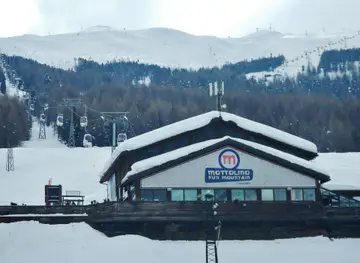 Livigno
Discover Livigno: Italy's Alpine gem offering world-class skiing, stunning landscapes, duty-free shopping, and rich culinary delights.
Livigno
Discover Livigno: Italy's Alpine gem offering world-class skiing, stunning landscapes, duty-free shopping, and rich culinary delights.
-
 Bormio
Discover Bormio, Italy's alpine paradise, where thermal baths, historic charm, and thrilling outdoor adventures await in the heart of the Lombardy region.
Bormio
Discover Bormio, Italy's alpine paradise, where thermal baths, historic charm, and thrilling outdoor adventures await in the heart of the Lombardy region.
Swipe for more destinations
Best attractions in Alta Valtellina
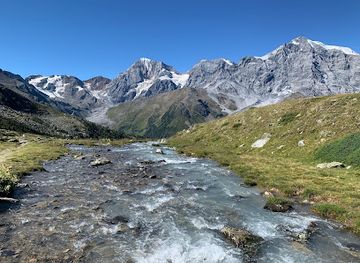
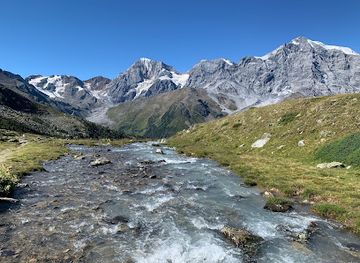
Nestled in the heart of the Italian Alps, Alta Valtellina offers an enchanting blend of natural beauty, historic charm, and cultural richness. Visitors can explore the thermal baths of Bormio, a town renowned since Roman times for its rejuvenating hot springs. For adventure seekers, the Stelvio National Park provides a dramatic backdrop for hiking, skiing, and mountain biking, with its rugged peaks and pristine valleys. History enthusiasts will be captivated by the ancient rock carvings in Grosio and the medieval castles scattered throughout the region. The picturesque villages, such as Livigno and Santa Caterina, offer a delightful mix of traditional alpine architecture, local crafts, and delectable cuisine. Whether marveling at the breathtaking panoramas from the Stelvio Pass or indulging in the region's famous pizzoccheri pasta, Alta Valtellina promises a memorable experience for every type of traveler.
-
Tourist attraction
Parco Nazionale dello Stelvio
Discover the unparalleled beauty of Parco Nazionale dello Stelvio, a breathtaking national park in the Italian Alps known for stunning landscapes and outdoor adventures.
-
Tourist attraction
Parco dell'Adamello
Discover the breathtaking beauty of Parco dell'Adamello, a wildlife park in the heart of the Italian Alps, perfect for adventure and relaxation.
-
Park
Orobie Bergamo Regional Park
Explore the breathtaking landscapes, diverse wildlife, and outdoor adventures of Orobie Bergamo Regional Park in the heart of Italy's stunning Bergamo region.
-
Tourist attraction
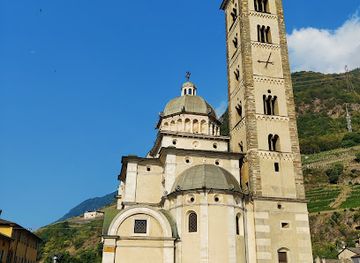
Basilika Madonna di Tirano
Explore the architectural beauty and spiritual serenity of Basilica Madonna di Tirano, a historical gem in the heart of Italy's Valtellina region.
Best landmarks in Alta Valtellina
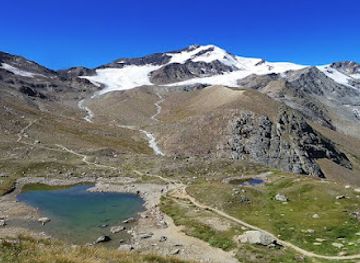
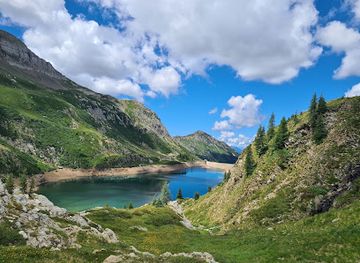
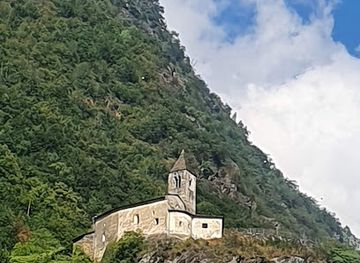
Alta Valtellina is a treasure trove of natural and historical wonders waiting to be explored. Visitors can marvel at the majestic Stelvio National Park, home to Italy's highest paved mountain pass and a paradise for hikers, cyclists, and nature lovers. The ancient Romanesque churches like the Chiesa di San Vitale and the Chiesa di San Giovanni offer a glimpse into the region's rich architectural heritage. Don't miss the chance to relax in the therapeutic waters of Bormio's thermal baths, a tradition that dates back to Roman times. Additionally, the picturesque town of Livigno, with its duty-free shopping and vibrant après-ski scene, provides a modern contrast to the historical sites. Alta Valtellina is also renowned for its culinary delights, including the famous Valtellina wines and local specialties like pizzoccheri, making it a haven for food enthusiasts.
-
National park
Stelvio National Park
Discover the majestic landscapes of Stelvio National Park, where adventure and tranquility meet amidst Italy's breathtaking alpine beauty.
-
National park
Parco Nazionale dello Stelvio
Experience the breathtaking beauty of Parco Nazionale dello Stelvio, a majestic national park offering adventure, stunning views, and diverse wildlife in the heart of the Italian Alps.
-
Sanctuary
Basilika Madonna di Tirano
Explore the enchanting Basilika Madonna di Tirano, a masterpiece of Baroque architecture and a serene sanctuary for pilgrims and tourists alike.
-
Hotel
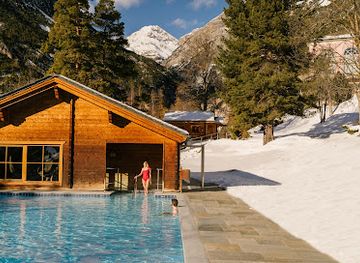
QC Terme Bagni di Bormio Bagni Nuovi
Experience unparalleled relaxation at QC Terme Bagni di Bormio, where thermal baths meet stunning alpine beauty in a luxurious spa retreat.
Explore Alta Valtellina on the map
Plan your trip on one map. See where the top cities, national parks and sights are, and book hotels and experiences in a few clicks.
Best hotels in Alta Valtellina
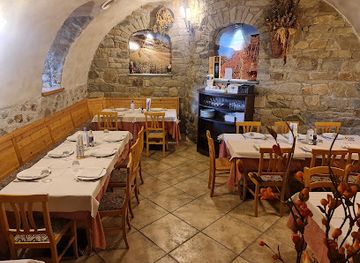
Best restaurants in Alta Valtellina
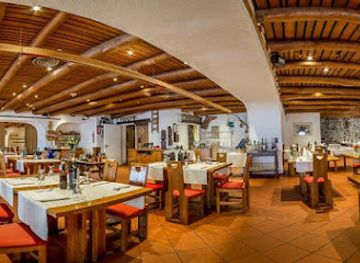
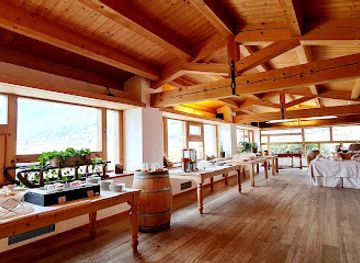
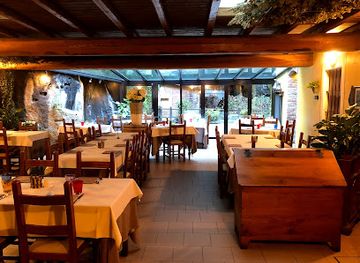
Nestled in the heart of the Italian Alps, the dining scene of Alta Valtellina offers an extraordinary culinary journey that marries rustic mountain charm with sophisticated flavors. Visitors can indulge in hearty dishes like pizzoccheri, a comforting buckwheat pasta seasoned with local cheese, potatoes, and greens, or savor the rich, robust flavors of bresaola, a cured beef delicacy that melts in your mouth. The region's restaurants, ranging from cozy trattorias to elegant fine dining establishments, often incorporate fresh, locally-sourced ingredients, including alpine herbs and cheeses, which add a unique touch to every meal. Don't miss the opportunity to pair your meal with a glass of Valtellina's renowned Nebbiolo wine, which perfectly complements the rich flavors of the local cuisine. Whether dining in a charming village or a secluded mountain refuge, visitors will find that every meal in Alta Valtellina is a celebration of the region's rich culinary heritage and stunning natural beauty.
-
Italian
La Brace - Bar Hotel Ristorante
Experience authentic Italian flavors at La Brace - Bar Hotel Ristorante in Forcola; where culinary excellence meets stunning scenery.
-
Restaurant
Agriturismo la Fiorida
Discover the charm of agritourism at Agriturismo la Fiorida—an idyllic retreat offering organic dining, wellness, and authentic Italian experiences.
-
Northern Italian
Crotto Valtellina
Discover authentic Northern Italian cuisine at Crotto Valtellina in Malnate—where tradition meets flavor.
-
Diner
Bar Ristorante da Silvio
Experience authentic Italian cuisine at Bar Ristorante da Silvio in Chiuro - a delightful blend of flavors in a charming setting.
Best bars in Alta Valtellina
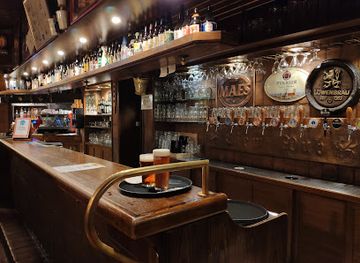
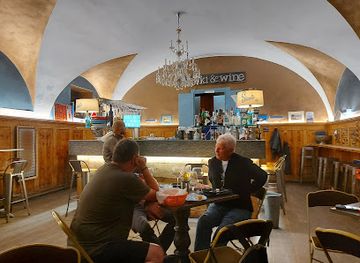
Nestled in the heart of the Italian Alps, Alta Valtellina's nightlife scene offers a captivating blend of rustic charm and modern vibrancy, perfect for après-ski relaxation or late-night revelry. Visitors can unwind with a glass of Valtellina wine in cozy mountain lodges that exude traditional Alpine warmth, or dance the night away in lively bars and clubs that feature both local DJs and live music acts. The picturesque towns of Bormio and Livigno come alive after dark, with an array of stylish lounges, trendy bars, and pulsating nightclubs, where the atmosphere is both inviting and electric. Whether you're sipping on a craft cocktail in a chic lounge or experiencing the energetic vibe of a packed dance floor, Alta Valtellina's nightlife promises an unforgettable evening under the starlit Alpine sky.
-
Grill
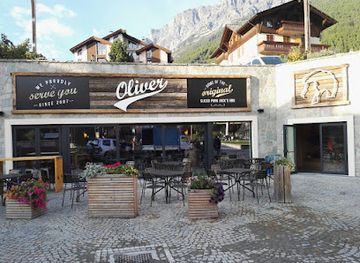
Oliver American Restaurant
Discover the perfect blend of American cuisine and Italian hospitality at Oliver American Restaurant in Bormio. A culinary gem for every food lover.
-
Bar
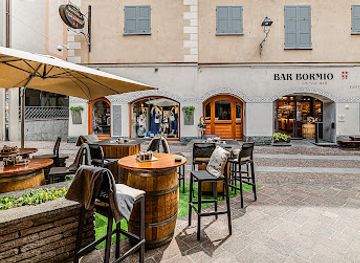
Bar Bormio
Experience the charm of Bar Bormio, where exquisite cocktails, rich coffee, and delightful pastries come together in a stunning alpine setting.
-
Pub
Clem Pub Birreria
Experience the charm of Clem Pub Birreria in Bormio, where delicious craft beers meet hearty meals in a cozy alpine setting.
-
Bar
Skianta Café
Discover the charm of Skianta Café in Bormio, where delicious drinks and warm hospitality create a perfect alpine retreat.
Best nightclubs in Alta Valtellina
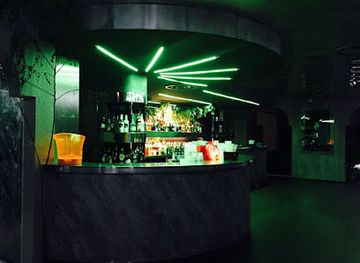
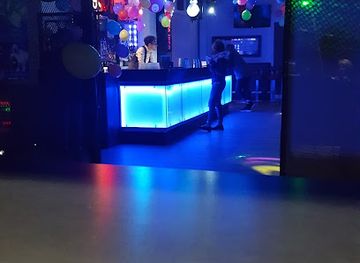
Nestled in the heart of the Italian Alps, Alta Valtellina's nightlife scene offers a captivating blend of rustic charm and modern vibrancy, perfect for après-ski relaxation or late-night revelry. Visitors can unwind with a glass of Valtellina wine in cozy mountain lodges that exude traditional Alpine warmth, or dance the night away in lively bars and clubs that feature both local DJs and live music acts. The picturesque towns of Bormio and Livigno come alive after dark, with an array of stylish lounges, trendy bars, and pulsating nightclubs, where the atmosphere is both inviting and electric. Whether you're sipping on a craft cocktail in a chic lounge or experiencing the energetic vibe of a packed dance floor, Alta Valtellina's nightlife promises an unforgettable evening under the starlit Alpine sky.
-
Night club
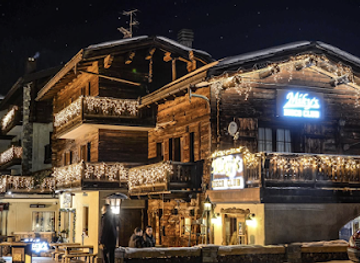
Miky's Disco Club
Discover the vibrant nightlife at Miky's Disco Club in Livigno, where music, dancing, and unforgettable memories await you.
-
Disco club
New Mexico DiscoDance
Discover the electrifying nightlife at New Mexico DiscoDance, a premier disco club and pub in Piateda, Italy, perfect for unforgettable evenings.
-
Disco club
Porto 05
Experience the vibrant nightlife of Torchione-Moia at Porto 05, an energetic disco club perfect for dancing the night away.
-
Night club
El Septimo
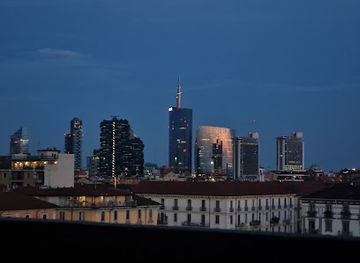
Experience the heart of Milan's nightlife at El Septimo, a vibrant night club known for its electrifying atmosphere and top-tier DJ performances.
Best shops in Alta Valtellina
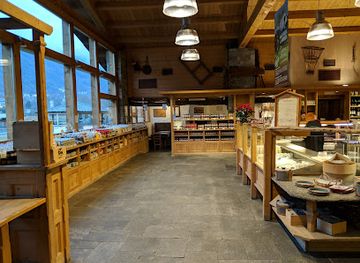
Alta Valtellina offers an enchanting shopping experience that seamlessly blends the charm of tradition with modern sophistication. Nestled in the heart of the Italian Alps, its quaint villages and bustling towns are dotted with a myriad of shops where you can discover unique local crafts, high-quality artisanal products, and luxurious fashion boutiques. Stroll through picturesque streets lined with family-run stores selling handmade wooden toys, exquisite lace, and intricate ceramics, or explore elegant boutiques showcasing the latest in Italian fashion and design. Don't miss the local food markets, overflowing with delectable cheeses, cured meats, and freshly baked goods that reflect the rich culinary heritage of the region. Whether you're hunting for authentic souvenirs or indulging in some retail therapy, the shopping scene in Alta Valtellina promises a delightful and memorable experience for every visitor.
-
Shopping mall
Centro Commerciale Fuentes
Explore Centro Commerciale Fuentes: a vibrant shopping mall in Piantedo offering diverse shops, local products, and a delightful atmosphere for tourists.
-
Organic farm
Agriturismo la Fiorida
Experience the serenity and flavors of Agriturismo la Fiorida, an organic farm retreat in Sondrio, Italy, perfect for nature lovers and food enthusiasts.
-
Hypermarket
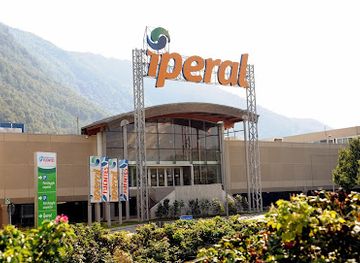
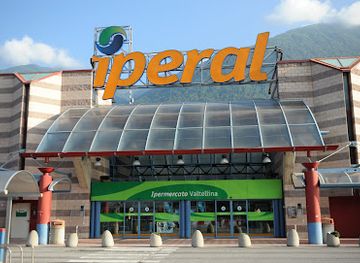
Iperal Castione Andevenno
Explore the vibrant offerings at Iperal Castione Andevenno, where convenience meets local flavors in the heart of Italy.
-
Cookies
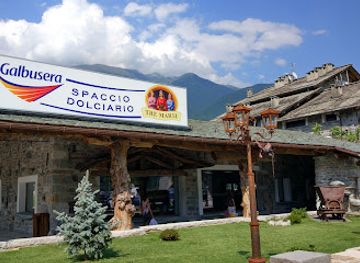
Spaccio Galbusera
Discover the sweetest side of Italy at Spaccio Galbusera, your destination for exquisite cookies in the heart of Valtellina.
Get your free copy of our complete guide to Alta Valtellina, delivered straight to you.
Everything on this page, from attractions and restaurants to essentials and local phrases, in one PDF you can read offline, print or share.
Already have an account? Sign in
Your Alta Valtellina guide is ready.
We'll send it to · Not you? Sign out

Getting your guide ready…
We are putting together a fresh copy of the Alta Valtellina guide. This can take up to a minute.
This can take a few moments. If your browser asks, choose Allow so the download can start. You'll find the guide in your Downloads folder.
Nothing happened? Download it again
Sorry, the guide is taking longer than usual. Please try again in a minute, or get it by email instead.
Alta Valtellina essentials
Currency and Payment
Safety
Emergency Situations
Do's and Don'ts
Local Tips
From Eve
Local phrases worth knowing
You don't need to get them perfect. A few words go a long way, and locals appreciate the effort.
Basics
| English | Local | Say it |
|---|---|---|
| Hello | Ciao | [chow] |
| Goodbye | Addio | [ah-dee-oh] |
| Yes | Sì | [see] |
| No | No | [noh] |
| Please/You're welcome | Per favore | [per fah-vo-ray] |
| Thank you | Grazie | [grah-tsee-ay] |
| Excuse me/Sorry | Scusa | [skoo-zah] |
| How are you? | Come stai? | [koh-meh sty] |
| Fine. And you? | Bene. E tu? | [beh-neh. eh too] |
| Do you speak English? | Parli inglese? | [par-lee in-glay-zeh] |
| I don't understand | Non capisco | [non kah-pees-koh] |
Eating & Drinking
| English | Local | Say it |
|---|---|---|
| I'd like to see the menu, please | Vorrei vedere il menu, per favore | [vor-ray veh-deh-ray eel meh-noo, per fah-vo-ray] |
| I don't eat meat | Non mangio carne | [non man-jo kar-nay] |
| Cheers! | Salute! | [sah-loo-tay] |
| I would like to pay, please | Vorrei pagare, per favore | [vor-ray pah-gah-ray, per fah-vo-ray] |
Emergencies
| English | Local | Say it |
|---|---|---|
| Help! | Aiuto! | [ah-yoo-toh] |
| Go away! | Vai via! | [vie vee-ah] |
| Call the Police! | Chiama la polizia! | [kee-ah-mah lah poh-lee-tsee-ah] |
| Call a doctor! | Chiama un dottore! | [kee-ah-mah oon dot-to-ray] |
| I'm lost | Mi sono perso | [mee soh-noh pair-so] |
| I'm ill | Sono malato | [so-noh mah-lah-toh] |
Shopping
| English | Local | Say it |
|---|---|---|
| I'd like to buy... | Vorrei comprare... | [vor-ray kom-prah-ray] |
| I'm just looking | Sto solo guardando | [sto so-lo war-dan-do] |
| How much is it? | Quanto costa? | [kwan-toh koh-sta] |
| That's too expensive | È troppo costoso | [eh troh-poh koh-sto-so] |
| Can you lower the price? | Puoi abbassare il prezzo? | [pwoy ah-bah-sah-ray eel pret-zo] |
Time & Numbers
| English | Local | Say it |
|---|---|---|
| What time is it? | Che ore sono? | [keh oh-ray soh-noh] |
| It's one o'clock | È l'una | [eh loo-nah] |
| Half past (10) | Dieci e mezza | [dee-eh-chee eh met-tsah] |
| Morning | Mattina | [maht-tee-nah] |
| Afternoon | Pomeriggio | [poh-meh-ree-joh] |
| Evening | Sera | [seh-rah] |
| Yesterday | Ieri | [yeh-ree] |
| Today | Oggi | [oh-gee] |
| Tomorrow | Domani | [doh-mah-nee] |
| 1 | Uno | [oo-noh] |
| 2 | Due | [doo-eh] |
| 3 | Tre | [treh] |
| 4 | Quattro | [kwah-troh] |
| 5 | Cinque | [cheen-kweh] |
| 6 | Sei | [say] |
| 7 | Sette | [set-teh] |
| 8 | Otto | [ot-toh] |
| 9 | Nove | [noh-vay] |
| 10 | Dieci | [dee-eh-chee] |
Transport & Directions
| English | Local | Say it |
|---|---|---|
| Where's a/the...? | Dove si trova...? | [doh-vay see troh-vah] |
| What's the address? | Qual è l'indirizzo? | [kwahl eh lean-dee-reet-so] |
| Can you show me (on the map)? | Puoi mostrarmi (sulla mappa)? | [pwoy mos-trar-mee (soo-lah mahp-pah)] |
| When's the next (bus)? | Quando passa il prossimo (autobus)? | [kwan-doh pah-sah eel pro-ssee-mo (ow-toh-boos)] |
| A ticket (to ....) | Un biglietto (per ....) | [oon bee-lyet-toh (per ....)] |
History of Alta Valtellina
Ancient Beginnings
The history of Alta Valtellina dates back to prehistoric times, with evidence of human habitation as far back as the Neolithic period. Archaeological findings, such as stone tools and rock engravings, point to the presence of early settlers who thrived in this mountainous region.
Roman Influence
During the Roman era, Alta Valtellina became an important transit route. The Romans constructed roads and bridges to facilitate the movement of troops and goods. The remains of these ancient infrastructures can still be seen today, offering a glimpse into the region's strategic importance in antiquity.
Medieval Era
The Middle Ages saw Alta Valtellina under the control of various feudal lords. This period was marked by the construction of fortresses and castles, many of which still stand. Notably, the Castel Masegra in Sondrio was built during this time and served as a critical defensive structure.
The Valtellina Wine Route
The cultivation of vineyards in Alta Valtellina dates back to the medieval period. The terraced vineyards, carved into the steep slopes of the mountains, are a testament to the region's long-standing tradition of wine production. The Valtellina Wine Route is now a celebrated journey through these historical vineyards.
The Valtellina Massacre
In the early 17th century, the region was the site of the Valtellina Massacre. A violent outbreak driven by religious and political tensions led to the killing of numerous Protestant inhabitants. This event had long-lasting repercussions on the social and political landscape of the area.
Napoleonic Era
The arrival of Napoleon's forces in the late 18th century brought significant changes to Alta Valtellina. The region was incorporated into the Cisalpine Republic and later the Kingdom of Italy under Napoleonic rule. New administrative reforms and infrastructural developments were introduced during this time.
World War I and II
Alta Valtellina played a strategic role during both World Wars due to its proximity to the Swiss border. The mountainous terrain served as a natural defense, and several bunkers and military fortifications were constructed. These remnants are now part of the region's historical heritage.
Modern Era and Tourism
In the post-war period, Alta Valtellina transformed into a hub for tourism. The region's natural beauty, combined with its rich history and cultural heritage, attracts visitors from around the world. Ski resorts, thermal spas, and historical tours are now integral parts of the local economy.
Cultural Heritage
Alta Valtellina boasts a diverse cultural heritage, influenced by various historical periods and neighboring regions. Traditional festivals, culinary specialties like pizzoccheri, and artisanal crafts reflect the unique identity of the area. The local dialects and customs are preserved with pride by the inhabitants.
Alta Valtellina in Photos
Browse through our photo collection highlighting the charm and character of the destination.
Neighbouring regions of Alta Valtellina
The closest regions to Alta Valtellina, if you have time for more than one.
-
 Val Venosta
Explore Val Venosta, a picturesque valley in the Italian Alps, offering stunning landscapes, outdoor adventures, rich history, and vibrant culture year-round.
Val Venosta
Explore Val Venosta, a picturesque valley in the Italian Alps, offering stunning landscapes, outdoor adventures, rich history, and vibrant culture year-round.
-
 Valtellina
Discover Valtellina, Italy’s enchanting alpine valley, where stunning landscapes, exquisite wines, and rich cultural heritage await you.
Valtellina
Discover Valtellina, Italy’s enchanting alpine valley, where stunning landscapes, exquisite wines, and rich cultural heritage await you.
-
 Val di Non
Discover Val di Non, Italy's serene valley of apple orchards, majestic mountains, and historic treasures. A perfect blend of nature, adventure, and culture awaits.
Val di Non
Discover Val di Non, Italy's serene valley of apple orchards, majestic mountains, and historic treasures. A perfect blend of nature, adventure, and culture awaits.
-
 Trentino
Explore Trentino, Italy: A breathtaking blend of natural beauty, rich history, and culinary delights in the heart of the Italian Alps, perfect for every traveler.
Trentino
Explore Trentino, Italy: A breathtaking blend of natural beauty, rich history, and culinary delights in the heart of the Italian Alps, perfect for every traveler.
-
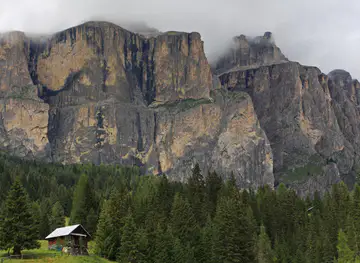 Trentino-South Tyrol
Explore Trentino-South Tyrol: Where the Italian Alps meet rich cultural heritage, offering year-round outdoor adventures and charming towns steeped in history.
Trentino-South Tyrol
Explore Trentino-South Tyrol: Where the Italian Alps meet rich cultural heritage, offering year-round outdoor adventures and charming towns steeped in history.
Swipe for more regions

