

Free Val di Non Travel Guide & Mobile App
Explore Val di Non with free travel guides. Discover regional history, expert tips, proposed trips, and audio guides on web or mobile app.


Explore Val di Non in northern Italy for apple orchards, Alpine lakes, medieval castles, dramatic canyons and mountain villages.
Read more about Val di Non
When is the best time to visit Val di Non?
Best: June, August–September · 24–27°C| Month | High (°C) | Rainfall (mm) |
|---|---|---|
| January | 4 | 30 |
| February | 6 | 35 |
| March | 10 | 40 |
| April | 14 | 50 |
| May | 20 | 60 |
| June (best) | 24 | 70 |
| July | 28 | 75 |
| August (best) | 27 | 75 |
| September (best) | 24 | 65 |
| October | 16 | 55 |
| November | 9 | 45 |
| December | 4 | 35 |
Getting to and around Val di Non
How to get there
Transportation
Destinations in Val di Non
Resorts, valleys and scenic spots worth a trip of their own.
-

-


Swipe for more destinations
Best attractions in Val di Non
Val di Non's attractions combine historic residences, religious sites, rural landscapes and outdoor experiences rather than forming a single concentrated sightseeing circuit. Castel Thun, above Vigo di Ton, offers one of the region's most important encounters with aristocratic history, while San Romedio occupies a dramatic rocky gorge reached by a signed walkway and road access. In the upper valley, the Rio Sass canyon at Fondo leads visitors through a narrow geological cleft with bridges, stairways and interpretive sections, while the Novella canyon reveals waterfalls and sculpted rock. Lago di Tovel, in the Val di Tovel side valley, provides a mountain-lake setting within the Adamello Brenta Nature Park. Around Cles, Lago di Santa Giustina frames orchard slopes and wooded hills, and villages such as Coredo, Tavon and Romeno provide access to walks, churches and highland scenery. Hiking, cycling, snow sports and family-oriented nature activities are available, but access, difficulty and seasonal operation vary, so local information is important.
-
Tourist attraction
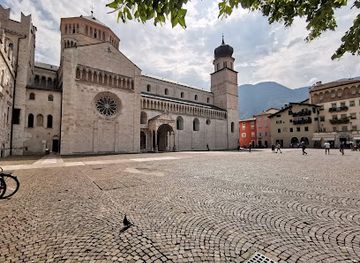
Piazza del Duomo di Trento
Explore the enchanting Piazza del Duomo di Trento, a cultural hub showcasing stunning architecture, history, and local cuisine in the heart of Trento.
-
Castle
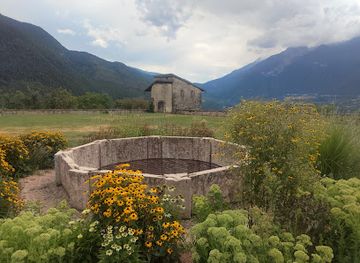
Castel Thun
Experience the grandeur of Castel Thun, a historic castle in Trentino, rich in art and culture, offering breathtaking views and educational tours.
-
Tourist attraction
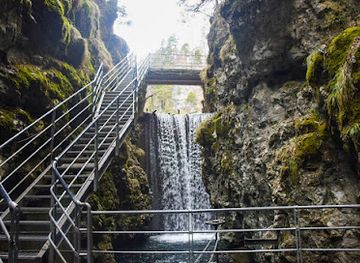
Canyon Rio Sass
Explore the breathtaking beauty of Canyon Rio Sass, a serene natural wonder in Trentino, Italy, perfect for hiking and photography.
-
Tourist attraction
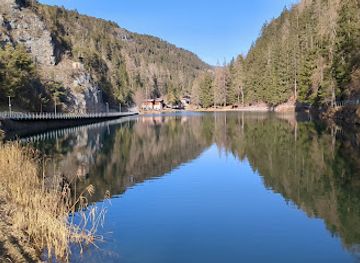
Lago Smeraldo
Experience the breathtaking beauty of Lago Smeraldo, a stunning alpine lake in Italy's Trentino region, perfect for relaxation and adventure.
Best landmarks in Val di Non
Castel Thun is Val di Non's most recognisable historic landmark, standing above the lower valley with fortified walls, towers and a long association with the Thun family. The sanctuary of San Romedio is equally distinctive: a series of churches and chapels climbs a narrow rock pinnacle above a wooded ravine, creating a religious complex inseparable from its setting. In Fondo, the historic centre and Rio Sass gorge express two different aspects of the upper valley, combining Alpine settlement with dramatic geology. Lago di Santa Giustina is the region's defining modern landscape landmark, its broad waters occupying the basin below Cles after the construction of the hydroelectric dam. Higher up, Lago di Tovel is a notable natural landmark surrounded by forest and mountain terrain in the Adamello Brenta Nature Park. The valley's smaller churches, bell towers, aristocratic residences and stone farm buildings complete a dispersed architectural landscape shaped by medieval power, religious practice and centuries of agriculture.
-
Basilica
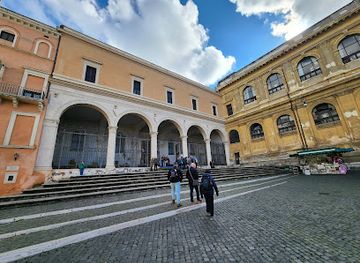
Basilica of San Pietro in Vincoli
Explore the exquisite Basilica of San Pietro in Vincoli, home to Michelangelo's Moses, in the heart of Rome's rich history and culture.
-
Castle
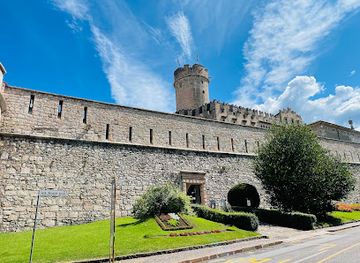
Buonconsiglio Castle Museum
Explore the rich history and breathtaking art of Buonconsiglio Castle Museum, a must-visit destination in Trento, Italy for every traveler.
-
Tourist attraction
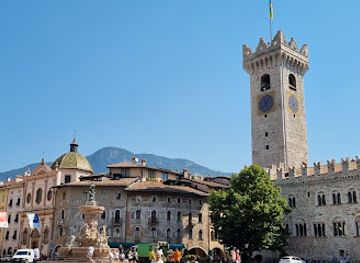
Piazza del Duomo di Trento
Experience the historical beauty and vibrant atmosphere of Piazza del Duomo di Trento, the cultural heart of Trento, Italy.
-
Castle
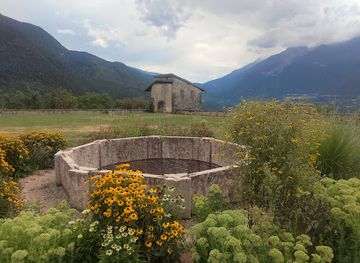
Castel Thun
Explore the rich history and stunning architecture of Castel Thun, a medieval marvel nestled in the heart of Trentino.
Explore Val di Non on the map
Plan your trip on one map. See where the top cities, national parks and sights are, and book hotels and experiences in a few clicks.
Best hotels in Val di Non
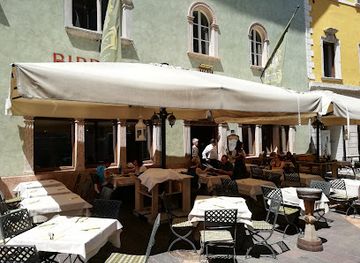
Best restaurants in Val di Non
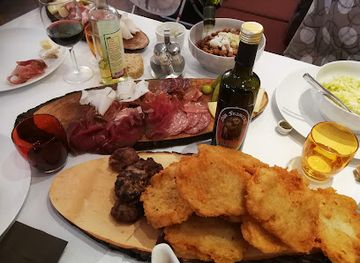
Dining in Val di Non is rooted in Trentino's mountain cooking and the valley's productive orchards. Apples are central to the regional identity and appear in cakes, strudels, juices, preserves and other farm products, while local restaurants and agriturismi often use seasonal fruit, vegetables and herbs. Look for tortèl da patate, crisp potato pancakes traditionally served with cured meats, cheeses or salad, and mortandela della Val di Non, a locally associated cured pork product. Mountain cheeses, polenta, dumplings and hearty soups reflect the wider Alpine food culture, while menus may also include freshwater fish and dishes based on game or mushrooms when in season. Village trattorie, rural farm restaurants, cafés and traditional inns tend to offer the most direct introduction to local flavours. In Cles and other larger settlements, contemporary Italian cooking sits alongside regional fare, and farm shops are useful for buying apples, honey, cheese, cured meats and bottles of local drink.
-
Restaurant
Forsterbräu Trento
Experience authentic Italian cuisine at Forsterbräu Trento, where delicious flavors meet vibrant atmosphere in the heart of Trento.
-
Restaurant
Ristorante Pizzeria Centrale
Discover authentic Italian flavors at Ristorante Pizzeria Centrale in Contà—home to delicious pizzas and traditional dishes in a cozy atmosphere.
-
Restaurant
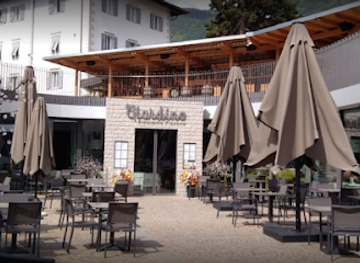
Ristorante Pizzeria Giardino
Experience authentic Italian cuisine at Ristorante Pizzeria Giardino in Cles – where every meal feels like a celebration.
-
Restaurant
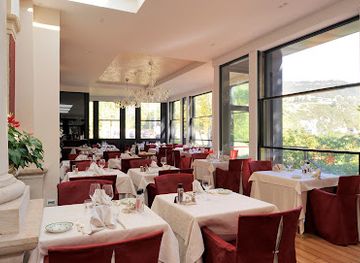
Ristorante Villa Madruzzo
Experience authentic Italian cuisine amidst breathtaking views at Ristorante Villa Madruzzo in Cognola.
Best bars in Val di Non
Evening life in Val di Non is relatively quiet and dispersed, reflecting its rural character. Cles has the broadest choice of cafés, wine bars, restaurants and places for an evening drink, while Fondo and other larger villages provide traditional bars and inns where residents meet for coffee, conversation and aperitivo. Smaller settlements generally centre their evening activity on a handful of cafés, restaurants or seasonal community events rather than dedicated nightlife districts. Some accommodation businesses and breweries or producers offer tastings, but arrangements vary and should be checked locally. There is little reason to expect a large nightclub scene; visitors usually spend evenings dining, walking through illuminated historic centres or attending occasional concerts and cultural events. During summer, village festivals can bring temporary outdoor music and food stalls, while winter evenings are more closely tied to restaurants and local gathering places.
-
Bar
Ristorante Bar Due Laghi
Experience the essence of Italian hospitality at Ristorante Bar Due Laghi, where local flavors meet breathtaking views in Predaia.
-
Bar
Bar Gelateria pasticceria G&G
Experience the authentic taste of Italy with exquisite pastries and gelato at Bar Gelateria Pasticceria G&G in Coredo.
-
Pub
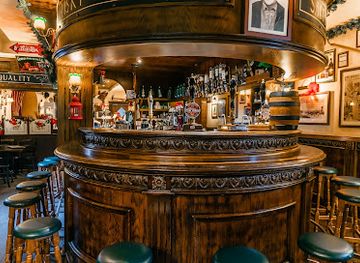
Old Arthur's Pub
Explore the flavors of Italy at Old Arthur's Pub, a charming gastropub in Mollaro, where tradition meets a vibrant atmosphere.
-
Cocktail bar
Accademia del Gin di Linda
Discover the vibrant cocktail culture at Accademia del Gin di Linda in Trento, where every gin drink is a masterpiece waiting to be savored.

Best nightclubs in Val di Non
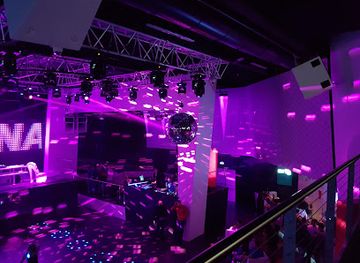
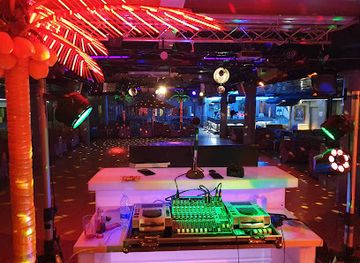
Evening life in Val di Non is relatively quiet and dispersed, reflecting its rural character. Cles has the broadest choice of cafés, wine bars, restaurants and places for an evening drink, while Fondo and other larger villages provide traditional bars and inns where residents meet for coffee, conversation and aperitivo. Smaller settlements generally centre their evening activity on a handful of cafés, restaurants or seasonal community events rather than dedicated nightlife districts. Some accommodation businesses and breweries or producers offer tastings, but arrangements vary and should be checked locally. There is little reason to expect a large nightclub scene; visitors usually spend evenings dining, walking through illuminated historic centres or attending occasional concerts and cultural events. During summer, village festivals can bring temporary outdoor music and food stalls, while winter evenings are more closely tied to restaurants and local gathering places.
-
Disco club
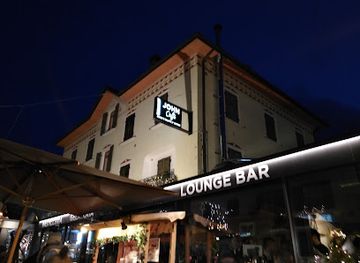
John Club
Discover the heartbeat of Folgaria's nightlife at John Club, where electrifying beats and vibrant energy create unforgettable nights.
-
Disco club
Artè Disco Dinner Show
Experience the perfect fusion of dining and nightlife at Artè Disco Dinner Show in Trento, where entertainment meets exquisite cuisine.
-
Night club
St.Louis Snc Di Alessandro & C. Giunta
Experience the lively atmosphere of St. Louis Snc Di Alessandro & C. Giunta, a top night club in Mezzolombardo offering unforgettable nights filled with music and dancing.
-
Night club
Discoteca Spleen 2.0
Experience the electrifying nightlife at Discoteca Spleen 2.0, where vibrant music and a lively atmosphere await every night.
Best shops in Val di Non
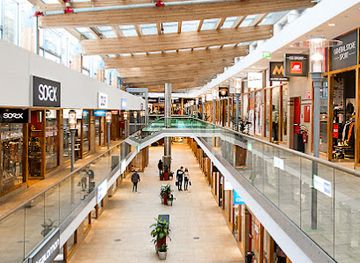
Shopping in Val di Non is focused on useful local produce, village high streets and regional crafts rather than large-scale retail. Cles has the widest selection of everyday shops, food stores and services, while Fondo and other market towns offer smaller independent businesses, bakeries, cafés and traditional food shops. Farm shops and cooperative outlets are good places to look for Val di Non apples, juices, preserves, honey, mountain cheeses, cured meats and other products associated with the orchard economy. Seasonal markets and village events may add local crafts, textiles, woodwork or handmade gifts, but schedules vary through the year. Visitors interested in food should check labels and ask producers about direct sales, as some orchard businesses sell only at particular times. Decorative ceramics, regional books, walking maps and small artisan items make more useful souvenirs than generic Alpine merchandise, while local wine and spirits from Trentino can complement the valley's apple-based products.
-
Outlet mall
Outlet Center Brenner
Discover amazing deals and Italian charm at Outlet Center Brenner, a shopper’s haven in the heart of the Alps.
-
Shopping mall
Centro Commerciale Top Center
Explore the Centro Commerciale Top Center in Trento for an unforgettable shopping experience with diverse stores, delicious dining, and family-friendly entertainment.
-
Shopping mall
Shop Center Valsugana
Discover a world of shopping and leisure at Shop Center Valsugana, the premier shopping destination in Pergine Valsugana.
-
Shopping mall
Centro commerciale Bren Center
Discover the bustling Centro commerciale Bren Center in Trento, a shopping paradise featuring diverse stores, dining options, and family-friendly entertainment.

Get your free copy of our complete guide to Val di Non, delivered straight to you.
Everything on this page, from attractions and restaurants to essentials and local phrases, in one PDF you can read offline, print or share.
Already have an account? Sign in
Your Val di Non guide is ready.
We'll send it to · Not you? Sign out

Getting your guide ready…
We are putting together a fresh copy of the Val di Non guide. This can take up to a minute.
This can take a few moments. If your browser asks, choose Allow so the download can start. You'll find the guide in your Downloads folder.
Nothing happened? Download it again
Sorry, the guide is taking longer than usual. Please try again in a minute, or get it by email instead.
Val di Non essentials
Currency and Payment
Safety
Emergency Situations
Do's and Don'ts
Local Tips
From Eve
Local phrases worth knowing
You don't need to get them perfect. A few words go a long way, and locals appreciate the effort.
Basics
| English | Local | Say it |
|---|---|---|
| Hello | Ciao | [chow] |
| Goodbye | Addio | [ah-dee-oh] |
| Yes | Sì | [see] |
| No | No | [no] |
| Please/You're welcome | Per favore/Di niente | [per fah-vo-reh/dee nee-en-teh] |
| Thank you | Grazie | [grah-tsee-eh] |
| Excuse me/Sorry | Scusa/Mi dispiace | [skoo-zah/mee dee-spee-ah-cheh] |
| How are you? | Come stai? | [koh-meh stah-ee] |
| Fine. And you? | Bene. E tu? | [beh-neh. eh too] |
| Do you speak English? | Parli inglese? | [par-lee een-gleh-zeh] |
| I don't understand | Non capisco | [non kah-pees-koh] |
Eating & Drinking
| English | Local | Say it |
|---|---|---|
| I'd like to see the menu, please | Vorrei vedere il menù, per favore | [vor-ray veh-deh-reh eel meh-noo, per fah-vo-reh] |
| I don't eat meat | Non mangio carne | [non mahn-jo kar-neh] |
| Cheers! | Salute! | [sah-loo-teh] |
| I would like to pay, please | Vorrei pagare, per favore | [vor-ray pah-gah-reh, per fah-vo-reh] |
Emergencies
| English | Local | Say it |
|---|---|---|
| Help! | Aiuto! | [ah-yoo-toh] |
| Go away! | Vai via! | [vai vee-ah] |
| Call the Police! | Chiama la polizia! | [kyah-mah lah poh-lit-zee-ah] |
| Call a doctor! | Chiama un dottore! | [kyah-mah oon doht-toh-reh] |
| I'm lost | Mi sono perso | [mee soh-noh pehr-soh] |
| I'm ill | Sono malato | [soh-noh mah-lah-toh] |
Shopping
| English | Local | Say it |
|---|---|---|
| I'd like to buy... | Vorrei comprare... | [vor-ray kom-prah-reh] |
| I'm just looking | Sto solo guardando | [sto soh-loh guar-dahn-do] |
| How much is it? | Quanto costa? | [kwan-toh koh-stah] |
| That's too expensive | È troppo caro | [eh troh-poh kah-roh] |
| Can you lower the price? | Puoi abbassare il prezzo? | [pwo-ee ab-bas-sah-reh eel pret-soh] |
Time & Numbers
| English | Local | Say it |
|---|---|---|
| What time is it? | Che ore sono? | [keh oh-reh soh-noh] |
| It's one o'clock | È l'una | [eh loo-nah] |
| Half past (10) | Mezz'ora dopo le dieci | [metz-oh-rah doh-poh leh dee-eh-chee] |
| Morning | Mattina | [maht-tee-nah] |
| Afternoon | Pomeriggio | [poh-meh-ree-joh] |
| Evening | Sera | [seh-rah] |
| Yesterday | Ieri | [yeh-ree] |
| Today | Oggi | [oh-gee] |
| Tomorrow | Domani | [doh-mah-nee] |
| 1 | Uno | [oo-noh] |
| 2 | Due | [doo-eh] |
| 3 | Tre | [treh] |
| 4 | Quattro | [kwah-troh] |
| 5 | Cinque | [cheen-kweh] |
| 6 | Sei | [say] |
| 7 | Sette | [set-teh] |
| 8 | Otto | [ot-toh] |
| 9 | Nove | [noh-veh] |
| 10 | Dieci | [dee-eh-chee] |
Transport & Directions
| English | Local | Say it |
|---|---|---|
| Where's a/the...? | Dove si trova...? | [doh-veh see troh-vah] |
| What's the address? | Qual è l'indirizzo? | [kwahl eh leen-dee-reet-soh] |
| Can you show me (on the map)? | Puoi mostrarmi (sulla mappa)? | [pwo-ee mos-trar-mee (soo-lah mah-pah)] |
| When's the next (bus)? | Quando passa il prossimo (autobus)? | [kwan-doh pah-sah eel proh-ssee-mo (ow-toh-boos)] |
| A ticket (to ....) | Un biglietto (per ....) | [oon bee-lyet-toh (per ....)] |
History of Val di Non
Rhaetian and Roman Val di Non
Before Roman rule, the valley was inhabited by communities generally associated with the Rhaetian cultural world, whose language and customs were connected to neighbouring Alpine regions. Roman expansion brought the area into the empire and integrated it into wider networks linking the Adige basin with Alpine routes. Archaeological evidence and place-name studies indicate a long process of cultural change rather than a sudden replacement of local society. The valley's position between Trentino and the Alpine passes later continued to shape its political and economic importance.
Christianisation and the Sanctuary of San Romedio
Christian traditions in Val di Non developed during late antiquity and the early Middle Ages, with churches and monastic foundations gradually becoming important centres of settlement and authority. San Romedio, traditionally associated with a hermit who lived in the area, became one of the region's most significant pilgrimage sites. Its buildings were expanded over centuries on a steep rocky outcrop, producing the distinctive sequence of chapels and churches visible today. The sanctuary illustrates how religious practice, landscape and local identity became closely connected in Alpine valleys.
Medieval Lords and Castle Building
During the Middle Ages, Val di Non was divided among ecclesiastical authorities, noble families and communities that controlled farms, woodland, roads and fortified sites. Castles were built or enlarged to oversee routes and estates, and several aristocratic residences remain prominent features of the landscape. Castel Thun is the best-known example, having developed over centuries as the seat of the influential Thun family. Medieval churches, towers and fortified houses in settlements across the valley preserve the political fragmentation and agricultural organisation of this period.
The County of Tyrol and Habsburg Rule
Val di Non became closely connected with the historical County of Tyrol and, through it, with the Habsburg realms. This relationship influenced administration, law, trade and cultural links across the Alps, while the valley retained strong connections with Trentino and Italian-speaking communities to the south. Local noble families, parish institutions and rural communities continued to manage much of daily life. The legacy of the Tyrolean period can still be seen in historic architecture, landholding traditions and the valley's position at a cultural meeting point between northern and southern Alpine Europe.
Agriculture, Roads and Alpine Commerce
For centuries, households combined small-scale farming, livestock keeping, forestry and seasonal work. Better roads and improved links with the Adige valley gradually widened markets for timber, fruit and livestock. Apple cultivation became increasingly important during the modern period, supported by irrigation, agricultural cooperation and improved storage and transport. The transformation did not erase the older rural landscape: many villages still retain dense historic centres, barns, chapels and small fields, even though commercial orchards now dominate much of the valley floor.
Modern Infrastructure and the Apple Economy
The twentieth century brought major changes through electrification, road building, tourism and the regulation of the Noce river. The construction of the Santa Giustina dam created the large reservoir below Cles and supported hydroelectric production, while also altering the valley's landscape and transport routes. Agricultural cooperatives helped establish Val di Non as one of Italy's major apple-growing areas, with the Melinda consortium becoming a prominent regional producer. Contemporary Val di Non balances this productive agricultural economy with heritage conservation, outdoor recreation and protected mountain landscapes.
Val di Non in Photos
Browse through our photo collection highlighting the charm and character of the destination.
Neighbouring regions of Val di Non
The closest regions to Val di Non, if you have time for more than one.
-
-

-

-

-


Swipe for more regions
Explore more

Explore more of Italy
Discover Italy: A land of ancient history, artistic marvels, and culinary delights; where every corner reveals a new story and every meal is a celebration.
Explore Italy