

Val Venosta, Italy Travel Guide
Explore Val Venosta, a picturesque valley in the Italian Alps, offering stunning landscapes, outdoor adventures, rich history, and vibrant culture year-round.
Nestled in the heart of the Italian Alps, Val Venosta is a hidden gem that offers a unique blend of natural beauty, rich history, and vibrant culture. This picturesque valley, stretching from the Resia Pass to Merano, is a paradise for outdoor enthusiasts. With its stunning mountain landscapes, crystal-clear lakes, and lush orchards, Val Venosta is a destination that captivates visitors all year round. In summer, the valley transforms into a haven for hikers and cyclists. The numerous trails and paths offer breathtaking views and a chance to explore the unspoiled nature of the region. Don't miss the chance to visit the iconic Lake Resia, famous for its submerged church tower, a perfect spot for a leisurely walk or a boat ride. The valley is also known for its apple orchards, and a visit during the harvest season is a treat for the senses. Winter brings a different kind of magic to Val Venosta. The snow-covered peaks and serene landscapes make it a popular destination for skiing, snowboarding, and other winter sports. The nearby ski resorts offer slopes for all levels, from beginners to advanced skiers. After a day on the slopes, relax and unwind in one of the region's cozy mountain huts, where you can enjoy traditional South Tyrolean cuisine and warm hospitality. Val Venosta is also steeped in history and culture. The medieval castles, ancient churches, and charming villages scattered throughout the valley offer a glimpse into the region's rich past. Be sure to visit the town of Glorenza, one of the best-preserved medieval towns in Italy, with its well-preserved walls and picturesque streets. Whether you're an adventurer, a history buff, or simply looking to relax in a beautiful setting, Val Venosta has something to offer everyone.

Know before you go
Hi, I'm Eve. Here are a few practical things to know before exploring Val Venosta.
- Visit Lake Resia early in the morning to avoid crowds and enjoy the serene atmosphere.
- Try the local apples and apple products; Val Venosta is famous for its high-quality apples.
- If visiting in winter, book your ski passes and equipment in advance to avoid long lines.
- Explore the medieval town of Glorenza on foot to fully appreciate its historic charm.
- Check local weather forecasts and dress in layers, as mountain weather can change rapidly.
Destinations in Val Venosta
Resorts, valleys and scenic spots worth a trip of their own.
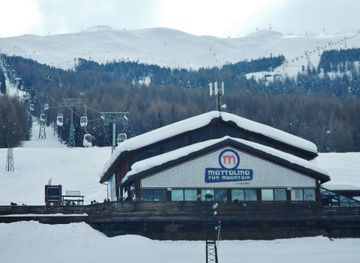

Explore Val Venosta: Things to Do, Places to Eat, Hotels & More
Handpicked recommendations for top attractions, local dining, accommodations, and more

Top Attractions & Sightseeing in Val Venosta
Top-rated picks
Best Attractions
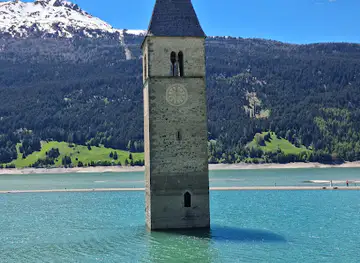
Campanile di Curon Venosta Vecchia
Discover the haunting beauty of Campanile di Curon Venosta Vecchia, an iconic bell tower submerged in Reschensee, surrounded by breathtaking Alpine scenery.

Stelvio National Park
Explore the breathtaking Stelvio National Park, a natural paradise in the Italian Alps, perfect for hiking, biking, and wildlife watching.

Cascata di Parcines
Explore the breathtaking Cascata di Parcines, a stunning waterfall in South Tyrol, perfect for hiking and nature lovers seeking adventure.

Franzensfeste Fortress
Explore Franzensfeste Fortress: A Historic Gem in South Tyrol Offering Rich History and Stunning Mountain Views.

Best landmarks in Val Venosta
Top-rated picks
Best Landmarks

Stelvio National Park
Experience the stunning landscapes and rich biodiversity of Stelvio National Park in the Italian Alps, a must-visit destination for nature lovers and adventure seekers.

Orrido di Ponte Alto
Discover the breathtaking beauty of Orrido di Ponte Alto, a stunning gorge in Trento, featuring cascading waterfalls and scenic trails for unforgettable adventures.

Reschensee
Discover the breathtaking beauty of Reschensee, a stunning alpine lake in South Tyrol, Italy, known for its crystal-clear waters and iconic submerged church tower.

Churburg
Explore the medieval charm of Churburg Castle in South Tyrol, a captivating museum showcasing rich history and stunning landscapes.

Best restaurants in Val Venosta
Top-rated picks
Best Restaurants
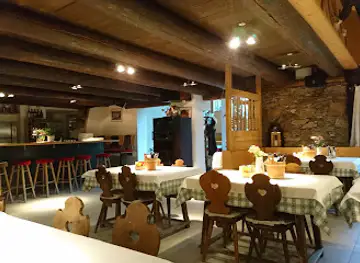
Bierkeller
Experience authentic South Tyrolean cuisine at Bierkeller in Latsch – where tradition meets flavor in every dish.

Haidepark
Discover Haidepark: A family-friendly restaurant and leisure hub offering delicious food and unique shopping experiences in Mals, South Tyrol.

Calva Restaurant B&B Apartments
Experience authentic Italian cuisine and cozy accommodations at Calva Restaurant B&B Apartments in beautiful South Tyrol.

Restaurant Pizzeria Lampl
Experience authentic Italian flavors at Restaurant Pizzeria Lampl in Mals - a pizza lover's paradise with delightful dishes that celebrate tradition.

Best bars in Val Venosta
Top-rated picks
Best Bars

Braugarten Giardino Forst all'aperto
Discover Lagundo's Braugarten Giardino Forst: A perfect blend of local cuisine, stunning views, and a vibrant beer garden atmosphere.

Brauerei Forst
Discover the best of South Tyrol with exquisite craft beers and traditional cuisine at Brauerei Forst in Lagundo.

Pfefferlechner
Discover the authentic flavors of South Tyrol at Pfefferlechner, a charming restaurant and beer garden in the heart of Lana.

Bierkeller
Savor the flavors of Bavaria at Bierkeller, a charming restaurant in South Tyrol known for its authentic cuisine and warm atmosphere.

Best nightclubs in Val Venosta
Top-rated picks
Best Nightclubs

Temple Bar
Discover the vibrant atmosphere of Temple Bar, an Irish pub in Bolzano offering live music, karaoke, and a welcoming environment for all.

Music On the Rocks
Dance the night away at Music On the Rocks, a unique disco club in Positano, located inside a stunning cave with breathtaking coastal views.

Apres-Club Discoteca
Dance the night away at Apres-Club Discoteca, Gargazon's hottest night club, with electrifying music and an unforgettable party atmosphere.

Burgschänke - Osteria al Castello
Discover the cozy charm of Burgschänke - Osteria al Castello, the perfect bar to unwind and experience local culture in Schluderns.

Best shops in Val Venosta
Top-rated picks
Best Shops

ALGO Shopping Center
Discover the vibrant shopping experience at ALGO Shopping Center in beautiful Lagundo, South Tyrol, where fashion, food, and fun meet.

Vinschger Bauernladen Schnalstal
Experience the vibrant flavors and fresh produce at Vinschger Bauernladen Schnalstal in the stunning Val Venosta, South Tyrol.

Moser Speckworld
Explore the flavors of South Tyrol at Moser Speckworld, a deli offering the finest cured meats and gourmet products in Naturno.

Eisenbahnwelt
Explore the magic of miniature railways at Eisenbahnwelt, a captivating museum in South Tyrol featuring intricate model train displays and engaging activities for all ages.

Explore Val Venosta on the Map
A handpicked selection of must-see spots in Val Venosta, mapped for you.
Val Venosta Essentials
-
Val Venosta, or Vinschgau in German, is located in the South Tyrol region of northern Italy. The nearest international airport is Bolzano Airport, approximately 90 kilometers away. Alternatively, you can fly into Innsbruck Airport in Austria, which is about 150 kilometers away. From either airport, you can rent a car, take a train, or use bus services to reach Val Venosta. The region is well-connected by the Italian rail network, and trains run regularly from major cities like Bolzano and Merano.
-
Val Venosta offers a variety of transportation options to help you explore the area. The Vinschgerbahn (Val Venosta railway) runs from Merano to Malles, providing a scenic and convenient way to travel through the valley. Local buses are also available and connect to various towns and villages. Renting a car is a good option if you prefer to explore at your own pace. For more eco-friendly options, consider renting a bike, as the region boasts well-maintained cycling paths.
-
The official currency in Italy is the Euro (EUR). Credit and debit cards are widely accepted in hotels, restaurants, and shops. However, it is advisable to carry some cash, especially when visiting smaller villages or local markets. ATMs are readily available in larger towns such as Malles and Silandro. Make sure to inform your bank of your travel plans to avoid any issues with card transactions.
-
Val Venosta is generally a safe destination for tourists. Violent crime is rare, but like any travel destination, it's important to take standard precautions. Avoid leaving valuables in plain sight, especially in crowded areas. There are no specific high-crime areas targeting tourists, but it's always best to stay vigilant, particularly at night. If you have any concerns, local police stations are available in the main towns.
-
In case of emergency, dial 112 for immediate assistance, which is the European emergency number. Hospitals and medical facilities are available in larger towns like Silandro and Merano. It is recommended to have travel insurance that covers medical emergencies. Pharmacies are common and can provide over-the-counter medications for minor health issues. For specific medical needs, consult local healthcare providers.
-
Fashion: Do dress in layers, as the weather can change quickly in the mountains. Avoid overly casual attire when dining in finer restaurants. Religion: Do respect local customs and traditions. When visiting churches, dress modestly and avoid loud behavior. Public Transport: Do validate your ticket before boarding trains and buses. Don’t eat or drink on public transport. Greetings: Do greet people with a friendly 'Guten Tag' or 'Buongiorno.' A handshake is also common. Eating & Drinking: Do try local specialties like speck and apple strudel. Don’t rush through meals; dining is often a leisurely experience.
-
To experience Val Venosta like a local, visit the weekly markets in towns like Silandro and Lasa where you can buy fresh produce and regional products. Engage with locals, who are often bilingual in German and Italian, and are usually happy to share insights about their culture and history. Don’t miss the chance to hike or bike along the Via Claudia Augusta, an ancient Roman road that offers stunning views of the valley.
When is the best time to visit Val Venosta?
Useful Local Phrases for Val Venosta
You don't need to speak the language perfectly. Even learning a few simple words can make conversations warmer—and locals usually appreciate the effort.
— Eve

Here are the phrases I use most often in Val Venosta. Try a few—you'll be surprised how far they go! 😊
❤️
-
- HelloCiao
[chow] - GoodbyeAddio
[ah-dee-oh] - YesSì
[see] - NoNo
[no] - Please/You're welcomePer favore/Prego
[per fah-voh-reh/preh-goh] - Thank youGrazie
[grah-tsee-eh] - Excuse me/SorryScusa
[skoo-zah] - How are you?Come stai?
[koh-meh stye] - Fine. And you?Bene. E tu?
[beh-neh. eh too] - Do you speak English?Parli inglese?
[par-lee een-gleh-zeh] - I don't understandNon capisco
[non kah-pees-koh]
- HelloCiao
-
- I'd like to see the menu, pleaseVorrei vedere il menu, per favore
[vor-ray veh-deh-reh eel meh-noo, per fah-voh-reh] - I don't eat meatNon mangio carne
[non man-joh kar-neh] - Cheers!Salute!
[sah-loo-teh] - I would like to pay, pleaseVorrei pagare, per favore
[vor-ray pah-gah-reh, per fah-voh-reh]
- I'd like to see the menu, pleaseVorrei vedere il menu, per favore
-
- Help!Aiuto!
[ah-yoo-toh] - Go away!Vattene via!
[vaht-teh-neh vee-ah] - Call the Police!Chiama la polizia!
[kee-ah-mah lah poh-lee-tsee-ah] - Call a doctor!Chiama un dottore!
[kee-ah-mah oon doht-toh-reh] - I'm lostMi sono perso
[mee soh-noh pehr-soh] - I'm illSono malato
[soh-noh mah-lah-toh]
- Help!Aiuto!
-
- I'd like to buy...Vorrei comprare...
[vor-ray kom-prah-reh] - I'm just lookingSto solo guardando
[sto soh-loh guar-dan-doh] - How much is it?Quanto costa?
[kwan-toh koh-stah] - That's too expensiveÈ troppo costoso
[eh troh-poh koh-stoh-so] - Can you lower the price?Puoi abbassare il prezzo?
[pwoy ahb-bah-sah-reh eel pret-so]
- I'd like to buy...Vorrei comprare...
-
- What time is it?Che ore sono?
[keh oh-reh soh-noh] - It's one o'clockÈ l'una
[eh loo-nah] - Half past (10)Dieci e mezzo
[dee-eh-chee eh med-zoh] - MorningMattina
[maht-tee-nah] - AfternoonPomeriggio
[poh-meh-ree-joh] - EveningSera
[seh-rah] - YesterdayIeri
[yeh-ree] - TodayOggi
[ohj-jee] - TomorrowDomani
[doh-mah-nee] - 1Uno
[oo-no] - 2Due
[doo-eh] - 3Tre
[treh] - 4Quattro
[kwah-troh] - 5Cinque
[cheen-kweh] - 6Sei
[say] - 7Sette
[seht-teh] - 8Otto
[oht-toh] - 9Nove
[noh-veh] - 10Dieci
[dee-eh-chee]
- What time is it?Che ore sono?
-
- Where's a/the...?Dove si trova...?
[doh-veh see troh-vah] - What's the address?Qual è l'indirizzo?
[kwahl eh leen-dee-reet-so] - Can you show me (on the map)?Puoi mostrarmi (sulla mappa)?
[pwoy mos-trar-mee (soo-lah mahp-pah)] - When's the next (bus)?Quando passa il prossimo (autobus)?
[kwan-doh pah-sah eel prohs-see-moh (ow-toh-boos)] - A ticket (to ....)Un biglietto (per ...)
[oon bee-lyet-toh (per ...)]
- Where's a/the...?Dove si trova...?
History of Val Venosta
-
The history of Val Venosta dates back to ancient times, long before the Roman Empire. The valley was originally inhabited by the Rhaetian people, an indigenous group known for their unique language and culture. Archaeological finds, including tools and pottery, provide a glimpse into the lives of these early settlers. The Rhaetians were skilled agriculturists and traders, establishing a network that connected them with neighboring regions.
-
In 15 B.C., the Roman Empire expanded its reach into Val Venosta, integrating it into the province of Raetia. This period marked significant changes in the valley, as the Romans introduced new infrastructure, including roads, bridges, and aqueducts. The Via Claudia Augusta, a major Roman road, traversed the valley, facilitating trade and military movements. Ruins and remnants of Roman architecture still dot the landscape, bearing witness to this transformative era.
-
The medieval period in Val Venosta was characterized by the construction of numerous castles and fortifications, reflecting the valley's strategic importance. Notable examples include Churburg Castle, known for its well-preserved armory, and Castel Coira, which offers stunning views of the surrounding landscape. These castles served as both defensive structures and residences for local nobility, playing key roles in the power dynamics of the region.
-
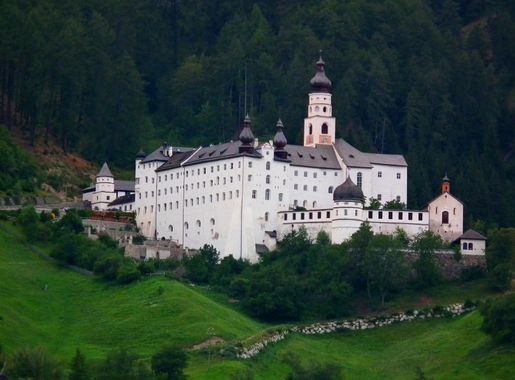
Religion has played a significant role in shaping the culture and history of Val Venosta. The valley is home to several important religious sites, including the Abbey of Marienberg, the highest Benedictine monastery in Europe. Founded in the 12th century, the abbey is renowned for its Romanesque architecture and stunning frescoes. Numerous churches, such as St. John’s Church in Tubre, also reflect the deep spiritual heritage of the region.
-
One of the most poignant events in recent history is the creation of Reschen Lake in the mid-20th century. In 1950, the valley was flooded to create a hydroelectric reservoir, submerging several villages and displacing hundreds of families. The church tower of the submerged village of Graun still protrudes from the lake, serving as a haunting reminder of the past. This event has become an integral part of the valley's modern identity and is a poignant symbol of resilience and adaptation.
-
Val Venosta is a melting pot of cultures, with a rich tapestry of languages and traditions. The valley is part of the autonomous region of South Tyrol, where both Italian and German are official languages. This bilingualism is reflected in the local customs, festivals, and cuisine. Traditional events like the ‘Klausen’ procession and the ‘Scheibenschlagen’ fire festival showcase the unique cultural blend that defines Val Venosta. The valley's culinary heritage, featuring dishes like speck and knödel, also highlights this cultural fusion.
Neighbouring Regions of Val Venosta
The closest regions to Val Venosta, if you have time for more than one.


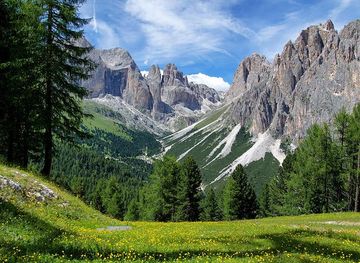
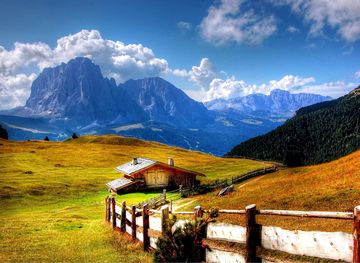

Your all‑in‑one travel companion app
Explore expert travel guides, compare and book tours, experiences, hotels, and more—all from the palm of your hand. Download now for seamless trip planning wherever your wanderlust takes you.


Explore More of Italy

Looking beyond Val Venosta? Discover Italy for broader travel guides, local hot-spots, and regional highlights.
Explore ItalyVal Venosta in Photos
Browse through our photo collection highlighting the charm and character of the destination.




Discover the Charm of Val Venosta
Nestled in the heart of the Italian Alps, Val Venosta is a hidden gem that offers a unique blend of natural beauty, rich history, and vibrant culture. This picturesque valley, stretching from the Resia Pass to Merano, is a paradise for outdoor enthusiasts. With its stunning mountain landscapes, crystal-clear lakes, and lush orchards, Val Venosta is a destination that captivates visitors all year round. In summer, the valley transforms into a haven for hikers and cyclists. The numerous trails and paths offer breathtaking views and a chance to explore the unspoiled nature of the region. Don't miss the chance to visit the iconic Lake Resia, famous for its submerged church tower, a perfect spot for a leisurely walk or a boat ride. The valley is also known for its apple orchards, and a visit during the harvest season is a treat for the senses. Winter brings a different kind of magic to Val Venosta. The snow-covered peaks and serene landscapes make it a popular destination for skiing, snowboarding, and other winter sports. The nearby ski resorts offer slopes for all levels, from beginners to advanced skiers. After a day on the slopes, relax and unwind in one of the region's cozy mountain huts, where you can enjoy traditional South Tyrolean cuisine and warm hospitality. Val Venosta is also steeped in history and culture. The medieval castles, ancient churches, and charming villages scattered throughout the valley offer a glimpse into the region's rich past. Be sure to visit the town of Glorenza, one of the best-preserved medieval towns in Italy, with its well-preserved walls and picturesque streets. Whether you're an adventurer, a history buff, or simply looking to relax in a beautiful setting, Val Venosta has something to offer everyone.