

Free Valtellina Travel Guide & Mobile App
Explore Valtellina with free travel guides. Discover regional history, expert tips, proposed trips, and audio guides on web or mobile app.


Discover Valtellina, Italy’s enchanting alpine valley, where stunning landscapes, exquisite wines, and rich cultural heritage await you.
Read more about Valtellina
When is the best time to visit Valtellina?
Best: June, August–September · 23–27°C| Month | High (°C) | Rainfall (mm) |
|---|---|---|
| January | 5 | 50 |
| February | 9 | 45 |
| March | 12 | 40 |
| April | 16 | 50 |
| May | 21 | 60 |
| June (best) | 25 | 70 |
| July | 28 | 60 |
| August (best) | 27 | 50 |
| September (best) | 23 | 40 |
| October | 18 | 50 |
| November | 10 | 55 |
| December | 5 | 60 |
Getting to and around Valtellina
How to get there
Transportation
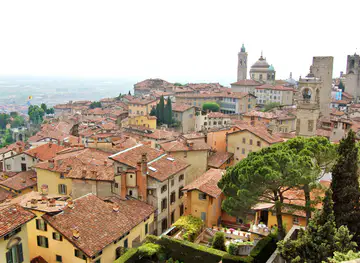
Top city travel guides in Valtellina
The cities of Valtellina, and the easiest places to base yourself.
Swipe for more cities
Destinations in Valtellina
Resorts, valleys and scenic spots worth a trip of their own.
-
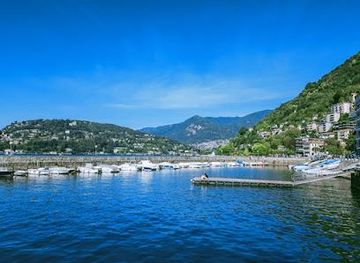
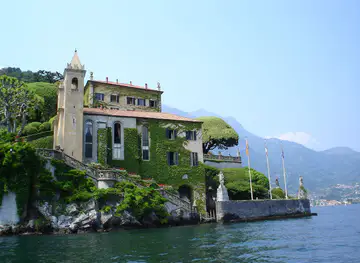 Lake Como
Discover Lake Como, Italy's serene alpine retreat, where charming villages, historical sites, and breathtaking landscapes create an unforgettable experience.
Lake Como
Discover Lake Como, Italy's serene alpine retreat, where charming villages, historical sites, and breathtaking landscapes create an unforgettable experience.
-
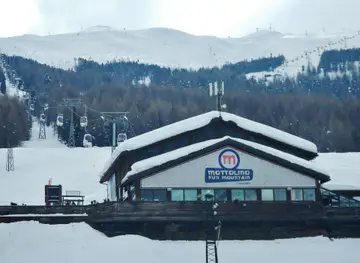 Livigno
Discover Livigno: Italy's Alpine gem offering world-class skiing, stunning landscapes, duty-free shopping, and rich culinary delights.
Livigno
Discover Livigno: Italy's Alpine gem offering world-class skiing, stunning landscapes, duty-free shopping, and rich culinary delights.
-
 Bormio
Discover Bormio, Italy's alpine paradise, where thermal baths, historic charm, and thrilling outdoor adventures await in the heart of the Lombardy region.
Bormio
Discover Bormio, Italy's alpine paradise, where thermal baths, historic charm, and thrilling outdoor adventures await in the heart of the Lombardy region.
Swipe for more destinations
Best attractions in Valtellina
Nestled in the heart of the Italian Alps, Valtellina offers visitors a mesmerizing blend of natural beauty and rich history, with its breathtaking landscapes of terraced vineyards, majestic mountains, and pristine rivers. Tourists can explore the ancient town of Tirano, home to the stunning Basilica of Madonna di Tirano, or embark on a scenic journey along the Bernina Express, a UNESCO World Heritage railway route. For history enthusiasts, the valley is dotted with medieval castles, such as Castel Grumello, and charming villages like Bormio, known for its Roman baths and historic architecture. Food lovers can indulge in local culinary delights, including the famous pizzoccheri pasta and bresaola, while wine aficionados can savor the region's renowned Valtellina wines. Outdoor adventurers will find endless opportunities for hiking, skiing, and mountain biking in the surrounding Stelvio National Park. Valtellina seamlessly combines cultural treasures, gastronomic pleasures, and outdoor activities, offering an unforgettable experience for every type of traveler.
-
Tourist attraction
Orrido di Bellano
Explore the stunning Orrido di Bellano gorge, a beautiful natural wonder with breathtaking views and thrilling hiking trails in the heart of Italy.
-
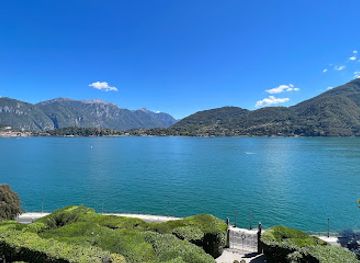
Lake
Lake Como
Discover the breathtaking beauty of Lake Como, where stunning landscapes meet charming villages in the heart of Northern Italy.
-
Tourist attraction
Villa Carlotta
Experience the enchanting blend of art and nature at Villa Carlotta, a botanical garden and art museum on the shores of Lake Como.
-
Botanical garden
Villa Monastero
Explore the enchanting Villa Monastero in Varenna, a historical villa and botanical garden on the picturesque shores of Lake Como, Italy.
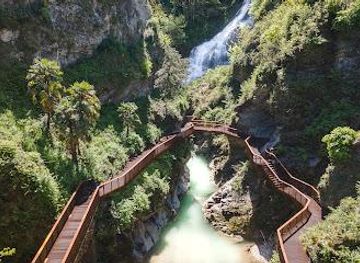

Best landmarks in Valtellina
Nestled in the heart of the Italian Alps, Valtellina is a treasure trove of historical and natural wonders that beckon adventurers and history enthusiasts alike. Visitors can marvel at the medieval Castello di Grosio, with its panoramic views and ancient engravings, and explore the captivating Renaissance architecture of Palazzo Besta in Teglio. The region's rich winemaking heritage comes alive in the centuries-old vineyards and cellars of Chiuro, where tasting the renowned Sforzato wine is a must. For nature lovers, the stunning alpine landscapes of Stelvio National Park offer breathtaking hikes and wildlife spotting, while the thermal baths of Bormio provide a relaxing respite. The picturesque villages of Morbegno and Tirano, with their charming cobblestone streets and historic churches, offer a glimpse into the region's vibrant cultural tapestry. Whether you're tracing the steps of Roman traders or savoring local culinary delights, Valtellina promises an unforgettable journey through time and nature.
-
 Historical landmark
Arco della Pace
Explore the stunning Arco della Pace, a historical landmark in Milan that embodies the city's rich heritage and vibrant culture, surrounded by beautiful gardens.
-
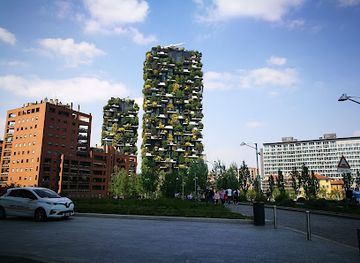
Tourist attraction
Piazza Gae Aulenti
Discover the architectural brilliance of Piazza Gae Aulenti, a vibrant square in Milan that blends modern design with urban culture.
-
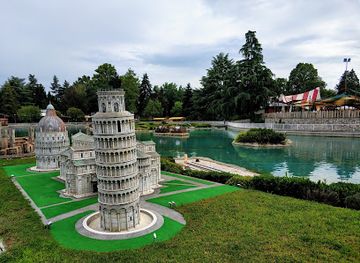
Theme park
Leolandia
Discover the magic of Leolandia, a family-friendly theme park in Italy featuring thrilling rides, enchanting shows, and miniature replicas of iconic landmarks.
-
National park
Stelvio National Park
Experience the breathtaking beauty and adventure of Stelvio National Park, the largest national park in Italy, nestled in the stunning Italian Alps.

Explore Valtellina on the map
Plan your trip on one map. See where the top cities, national parks and sights are, and book hotels and experiences in a few clicks.
Best hotels in Valtellina
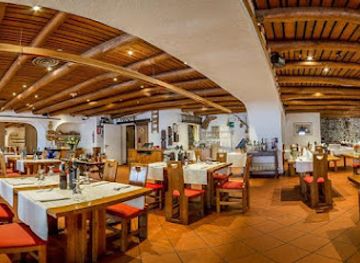
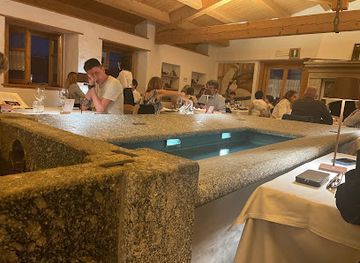
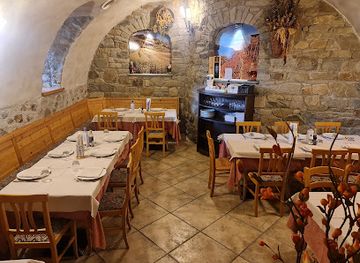
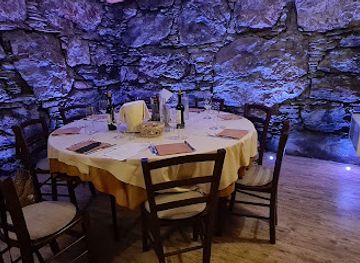
Best restaurants in Valtellina
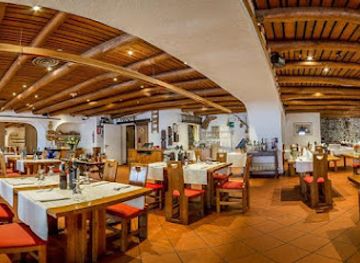
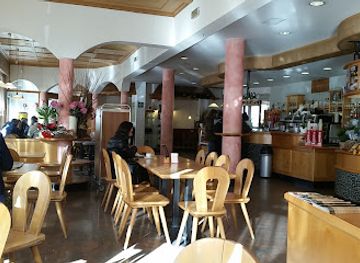
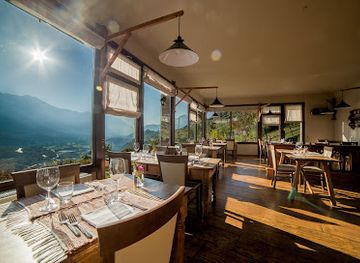
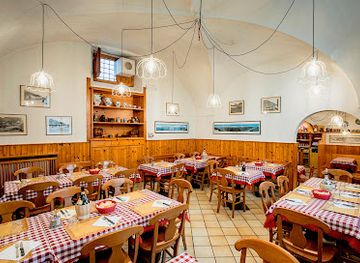
Valtellina's dining scene is a tantalizing journey through the culinary traditions of Northern Italy, offering visitors a feast for the senses with an array of rustic mountain dishes and refined flavors. Expect to indulge in hearty specialties like pizzoccheri, a luscious buckwheat pasta mixed with local cheese, potatoes, and greens, or savor the rich, buttery goodness of sciatt, deep-fried cheese balls that are a must-try. The area is renowned for its bresaola, a delicate air-dried beef that pairs perfectly with the robust Valtellina wines, particularly the rich and velvety Nebbiolo. Many of the valley's charming trattorias and osterias emphasize farm-to-table dining, serving meals that celebrate the region's bountiful produce, including wild mushrooms, chestnuts, and alpine herbs. Whether dining in a cozy, centuries-old inn or a modern, elegant restaurant, visitors can expect a warm welcome and a menu steeped in tradition, all set against the stunning backdrop of the Italian Alps.
-
Italian
La Brace - Bar Hotel Ristorante
Discover authentic Italian flavors at La Brace - Bar Hotel Ristorante in Forcola, where culinary excellence meets warm hospitality.
-
Restaurant
Agriturismo la Fiorida
Experience authentic Italian cuisine at Agriturismo la Fiorida, where farm-fresh ingredients meet stunning natural landscapes.
-
Diner
Bar Ristorante da Silvio
Discover authentic Italian cuisine at Bar Ristorante da Silvio in Chiuro – where delicious flavors meet affordable prices.
-
Italian
Ristorante Al Crap
Discover authentic Italian cuisine at Ristorante Al Crap in Tresivio – where fresh seafood meets traditional flavors for an unforgettable dining experience.
Best bars in Valtellina
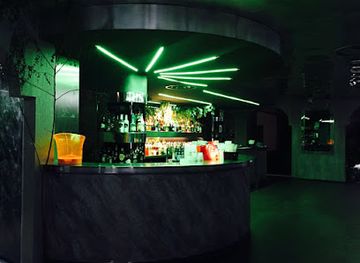
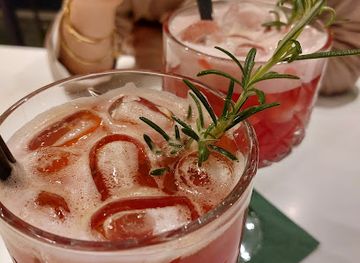
As the sun sets over the majestic Alps, Valtellina's nightlife awakens, offering a captivating blend of rustic charm and vibrant energy. Visitors can start their evening in cozy wine bars, savoring the region's renowned Nebbiolo wines and artisanal cheeses, before heading to lively local pubs where traditional folk music and modern beats create an infectious atmosphere. For those seeking a more refined experience, chic lounge bars and sophisticated cocktail spots provide the perfect backdrop for a night of elegance and conversation. As the night deepens, dance enthusiasts can revel in the pulsating rhythms of Valtellina's few but energetic nightclubs, where both locals and tourists come together to enjoy the spirited ambiance. Whether you're in the mood for a quiet evening or a lively night out, Valtellina's nightlife scene promises an unforgettable experience.
-
Italian
La Brace - Bar Hotel Ristorante
Experience the authentic taste of Italy at La Brace, where traditional cuisine meets warm hospitality amidst stunning natural beauty.
-
Bar
Stop to Livigno
Stop to Livigno: Your cozy retreat for authentic Italian cuisine and delightful breakfasts in the breathtaking Valtellina region.
-
Restaurant
Il Poggio
Experience the finest Italian cuisine with breathtaking views at Il Poggio, a must-visit restaurant in Poggiridenti, Italy.
-
Restaurant
Trattoria Cima 11
Discover the authentic flavors of Italy at Trattoria Cima 11, a cozy restaurant in Sondrio that serves traditional dishes with a local twist.
Best nightclubs in Valtellina
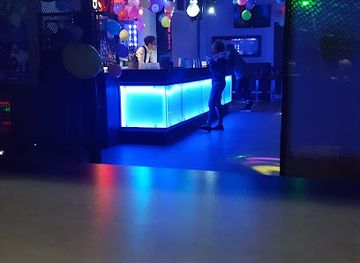
As the sun sets over the majestic Alps, Valtellina's nightlife awakens, offering a captivating blend of rustic charm and vibrant energy. Visitors can start their evening in cozy wine bars, savoring the region's renowned Nebbiolo wines and artisanal cheeses, before heading to lively local pubs where traditional folk music and modern beats create an infectious atmosphere. For those seeking a more refined experience, chic lounge bars and sophisticated cocktail spots provide the perfect backdrop for a night of elegance and conversation. As the night deepens, dance enthusiasts can revel in the pulsating rhythms of Valtellina's few but energetic nightclubs, where both locals and tourists come together to enjoy the spirited ambiance. Whether you're in the mood for a quiet evening or a lively night out, Valtellina's nightlife scene promises an unforgettable experience.
-
Night club
Miky's Disco Club
Experience the vibrant nightlife of Livigno at Miky's Disco Club, where great music and unforgettable moments come together.
-
Disco club
New Mexico DiscoDance
Unleash your inner party spirit at New Mexico DiscoDance, the hottest disco club in Piateda, where music and fun collide!
-
Disco club
Porto 05
Discover the electrifying nightlife of Porto 05 in Torchione-Moia, where music and dancing create unforgettable memories in a vibrant disco setting.
-
Bar
New Club 81
Discover the lively New Club 81 in Sondrio, where delicious drinks, a vibrant atmosphere, and friendly service await you in the heart of Italy.

Best shops in Valtellina
Valtellina offers a charming shopping experience where visitors can explore a delightful blend of traditional and modern retail options. Stroll through the picturesque streets lined with quaint boutiques, artisanal craft shops, and family-owned stores that showcase local craftsmanship at its finest. Discover handmade textiles, intricate woodwork, and unique souvenirs that reflect the rich cultural heritage of the region. Food lovers will be captivated by the local markets brimming with fresh produce, regional delicacies, and the famous Bitto and Valtellina Casera cheeses. For those seeking high-end fashion, elegant shops and stylish outlets offer a taste of Italian luxury. The enchanting mix of products, from local specialties to fashionable finds, makes shopping in Valtellina a truly immersive cultural experience.
-
Shopping mall
Centro Commerciale Fuentes
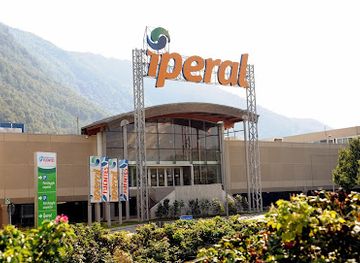
Discover Centro Commerciale Fuentes, Piantedo's bustling shopping mall, offering a blend of retail, dining, and entertainment for a delightful experience.
-
Organic farm
Agriturismo la Fiorida
Discover the beauty of organic farming and indulge in exquisite local cuisine at Agriturismo la Fiorida in the enchanting Province of Sondrio, Italy.
-
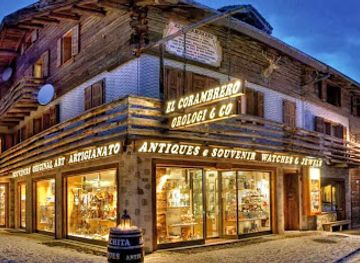
Gift shop
El Corambrero Livigno
Explore El Corambrero Livigno for unique antiques, crafts, and souvenirs that capture the heart and soul of this beautiful alpine destination.
-
Store
Emperionstore.com
Shop at Emperionstore.com in Ardenno for top-quality sporting goods and exceptional service amidst breathtaking Italian landscapes.
Get your free copy of our complete guide to Valtellina, delivered straight to you.
Everything on this page, from attractions and restaurants to essentials and local phrases, in one PDF you can read offline, print or share.
Already have an account? Sign in
Your Valtellina guide is ready.
We'll send it to · Not you? Sign out

Getting your guide ready…
We are putting together a fresh copy of the Valtellina guide. This can take up to a minute.
This can take a few moments. If your browser asks, choose Allow so the download can start. You'll find the guide in your Downloads folder.
Nothing happened? Download it again
Sorry, the guide is taking longer than usual. Please try again in a minute, or get it by email instead.
Valtellina essentials
Currency and Payment
Safety
Emergency Situations
Do's and Don'ts
Local Tips
From Eve
Local phrases worth knowing
You don't need to get them perfect. A few words go a long way, and locals appreciate the effort.
Basics
| English | Local | Say it |
|---|---|---|
| Hello | Ciao | [Chow] |
| Goodbye | Addio | [Ahd-dee-oh] |
| Yes | Sì | [See] |
| No | No | [No] |
| Please/You're welcome | Per favore | [Pair fah-vore-eh] |
| Thank you | Grazie | [Graht-see-eh] |
| Excuse me/Sorry | Scusa | [Skoo-zah] |
| How are you? | Come stai? | [Koh-meh stigh?] |
| Fine. And you? | Bene. E tu? | [Beh-neh. Eh too?] |
| Do you speak English? | Parli inglese? | [Par-lee een-gleh-seh?] |
| I don't understand | Non capisco | [Non cah-pees-koh] |
Eating & Drinking
| English | Local | Say it |
|---|---|---|
| I'd like to see the menu, please | Vorrei vedere il menu, per favore | [Vor-ray veh-deh-ray eel meh-noo, pair fah-vore-eh] |
| I don't eat meat | Non mangio carne | [Non mahn-jo kar-neh] |
| Cheers! | Salute! | [Sah-loo-teh!] |
| I would like to pay, please | Vorrei pagare, per favore | [Vor-ray pah-gah-reh, pair fah-vore-eh] |
Emergencies
| English | Local | Say it |
|---|---|---|
| Help! | Aiuto! | [Ah-yoo-toh!] |
| Go away! | Vai via! | [Vah-ee vee-ah!] |
| Call the Police! | Chiama la Polizia! | [Kya-mah lah Poh-lee-tsee-ah!] |
| Call a doctor! | Chiama un dottore! | [Kya-mah oon doh-toreh!] |
| I'm lost | Mi sono perso | [Mee soh-noh per-soh] |
| I'm ill | Sono malato | [Soh-noh mah-lah-toh] |
Shopping
| English | Local | Say it |
|---|---|---|
| I'd like to buy... | Vorrei comprare... | [Vor-ray kom-prah-reh...] |
| I'm just looking | Sto solo guardando | [Stoh soh-loh gwahr-dahn-doh] |
| How much is it? | Quanto costa? | [Kwan-toh koh-stah?] |
| That's too expensive | È troppo costoso | [Eh troh-poh koh-stoh-soh] |
| Can you lower the price? | Puoi abbassare il prezzo? | [Poo-eye ahb-bah-sah-reh eel pret-soh?] |
Time & Numbers
| English | Local | Say it |
|---|---|---|
| What time is it? | Che ore sono? | [Keh oh-reh soh-noh?] |
| It's one o'clock | È l'una | [Eh loo-nah] |
| Half past (10) | Dieci e mezzo | [Dee-eh-chee eh meh-tso] |
| Morning | Mattina | [Maht-tee-nah] |
| Afternoon | Pomeriggio | [Poh-meh-reed-joh] |
| Evening | Sera | [Seh-rah] |
| Yesterday | Ieri | [Yeh-ree] |
| Today | Oggi | [Oh-gee] |
| Tomorrow | Domani | [Doh-mah-nee] |
| 1 | Uno | [Oo-noh] |
| 2 | Due | [Doo-eh] |
| 3 | Tre | [Tre] |
| 4 | Quattro | [Kwah-troh] |
| 5 | Cinque | [Cheen-kweh] |
| 6 | Sei | [Say] |
| 7 | Sette | [Seh-teh] |
| 8 | Otto | [Oht-toh] |
| 9 | Nove | [Noh-veh] |
| 10 | Dieci | [Dee-eh-chee] |
Transport & Directions
| English | Local | Say it |
|---|---|---|
| Where's a/the...? | Dove si trova un/il...? | [Doh-veh see troh-vah oon/eel...?] |
| What's the address? | Qual è l'indirizzo? | [Kwahl eh leen-dee-reet-soh?] |
| Can you show me (on the map)? | Puoi mostrarmi (sulla mappa)? | [Poo-eye mohs-trar-mee (soo-lah mah-pah)?] |
| When's the next (bus)? | Quando c'è il prossimo (autobus)? | [Kwan-doh cheh eel pro-ssee-mo (ow-toh-boos)?] |
| A ticket (to ....) | Un biglietto (per ....) | [Oon bee-lyet-toh (pair ....)] |
History of Valtellina
Ancient Beginnings
Valtellina's history dates back to ancient times, with evidence of human settlement found as early as the Iron Age. The region was originally inhabited by the Rhaetians, a tribe known for their agricultural skills and distinctive culture. Artefacts from this period, including pottery and tools, have been discovered throughout the valley.
Roman Era
During the Roman era, Valtellina became a significant part of the Roman Empire. The Romans built roads that connected the valley to other parts of the empire, facilitating trade and military movements. The Via Spluga, an ancient road that traverses the Splügen Pass, is a testament to the Roman engineering prowess and their influence on the region.
Medieval Times
In the Middle Ages, Valtellina was a contested area due to its strategic location. It was part of the Lombard Kingdom and later came under the control of the Bishops of Como. Castles and fortifications from this period, such as the Castel Grumello, still stand today, providing a glimpse into the region's turbulent history.
The Valtellina War
The Valtellina War (1620-1626) was a conflict that arose from religious and political tensions between the Catholic and Protestant factions in the region. The Catholic inhabitants of Valtellina revolted against the Protestant Grisons, leading to a series of battles and skirmishes. The war concluded with the Treaty of Monçon in 1626, which restored peace but left a lasting impact on the valley's demographics and political landscape.
Napoleonic Era
During the Napoleonic Wars, Valtellina was incorporated into the Cisalpine Republic, a sister republic of the French First Republic. This period saw significant administrative and social reforms, including the introduction of the Napoleonic Code. The influence of French culture and law is still evident in the region today.
Modern Era
In the 19th and 20th centuries, Valtellina underwent significant industrialization and modernization. The region became known for its wine production, particularly the famous Valtellina Superiore and Sforzato wines. The construction of railways and roads improved connectivity, boosting tourism and economic growth. Today, Valtellina is renowned for its stunning landscapes, rich history, and vibrant culture.
Valtellina in Photos
Browse through our photo collection highlighting the charm and character of the destination.
Neighbouring regions of Valtellina
The closest regions to Valtellina, if you have time for more than one.
-
 Alta Valtellina
Discover Alta Valtellina in Italy: a stunning region in the Alps offering year-round adventure, rich culture, and mouth-watering local cuisine.
Alta Valtellina
Discover Alta Valtellina in Italy: a stunning region in the Alps offering year-round adventure, rich culture, and mouth-watering local cuisine.
-
 Lombardy
Discover Lombardy: From Milan's Fashion Streets to Lake Como's Serene Shores, Experience Italy's Blend of History, Culture, and Natural Beauty.
Lombardy
Discover Lombardy: From Milan's Fashion Streets to Lake Como's Serene Shores, Experience Italy's Blend of History, Culture, and Natural Beauty.
-
 Brianza
Discover Brianza, a serene and picturesque region in Northern Italy, known for its historic villas, lush landscapes, and delicious cuisine.
Brianza
Discover Brianza, a serene and picturesque region in Northern Italy, known for its historic villas, lush landscapes, and delicious cuisine.
-
 Val Venosta
Explore Val Venosta, a picturesque valley in the Italian Alps, offering stunning landscapes, outdoor adventures, rich history, and vibrant culture year-round.
Val Venosta
Explore Val Venosta, a picturesque valley in the Italian Alps, offering stunning landscapes, outdoor adventures, rich history, and vibrant culture year-round.
-
 Val di Non
Discover Val di Non, Italy's serene valley of apple orchards, majestic mountains, and historic treasures. A perfect blend of nature, adventure, and culture awaits.
Val di Non
Discover Val di Non, Italy's serene valley of apple orchards, majestic mountains, and historic treasures. A perfect blend of nature, adventure, and culture awaits.
Swipe for more regions

