From Eve
Know before you go
Hi, I'm Eve. Here are a few practical things to know before exploring Ischia.
Local know-how to help you travel smarter and make the most of every moment.


Discover Ischia, the idyllic Italian island known for its thermal springs, stunning beaches, and breathtaking landscapes in the Bay of Naples.
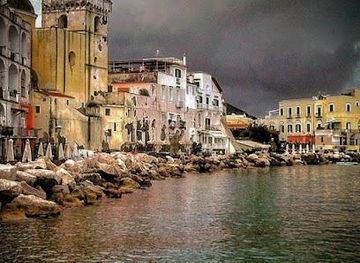
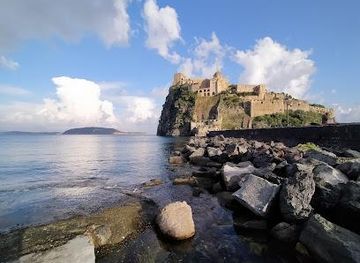
Ischia, a stunning island located in the Bay of Naples, is renowned for its beautiful beaches, luxurious thermal spas, and lush green landscapes. This destination offers tourists a perfect blend of relaxation and adventure, making it an ideal getaway. Enjoy the local cuisine, explore charming villages, and soak in the therapeutic mineral waters that have drawn visitors for centuries.
Opening times, essentials, and a few local tips gathered into one calmer, easier-to-scan planning section.
Hi, I'm Eve. Here are a few practical things to know before exploring Ischia.
Local know-how to help you travel smarter and make the most of every moment.
Walking
From the central area of Herculaneum, head south on Corso Resina towards the Herculaneum Archaeological Park entrance. After entering the park, follow the signs towards the train station (Circumvesuviana). Once you reach the station, purchase a ticket to Ischia. Please note that you will first take the train to Naples and then transfer to a ferry at Molo Beverello. After arriving in Naples, follow the signs to Molo Beverello, which is a short 10-minute walk from the train station. Board the ferry to Ischia, which will take approximately 1 hour.
Public Transport
Start at the Herculaneum train station (Circumvesuviana). Take the train towards Naples and get off at Napoli Centrale. Upon arrival, follow the signs to the 'Ferry Terminal' (Molo Beverello). It’s about a 10-minute walk. Once at the ferry terminal, purchase a ticket for the ferry to Ischia. The ferry ride takes about 1 hour, depending on the service chosen.
Use Tower Bridge as your starting point for nearby food, family ideas, nightlife, and more local discoveries.

Explore expert travel guides, compare and book tours, experiences, hotels, and more—all from the palm of your hand. Download now for seamless trip planning wherever your wanderlust takes you.
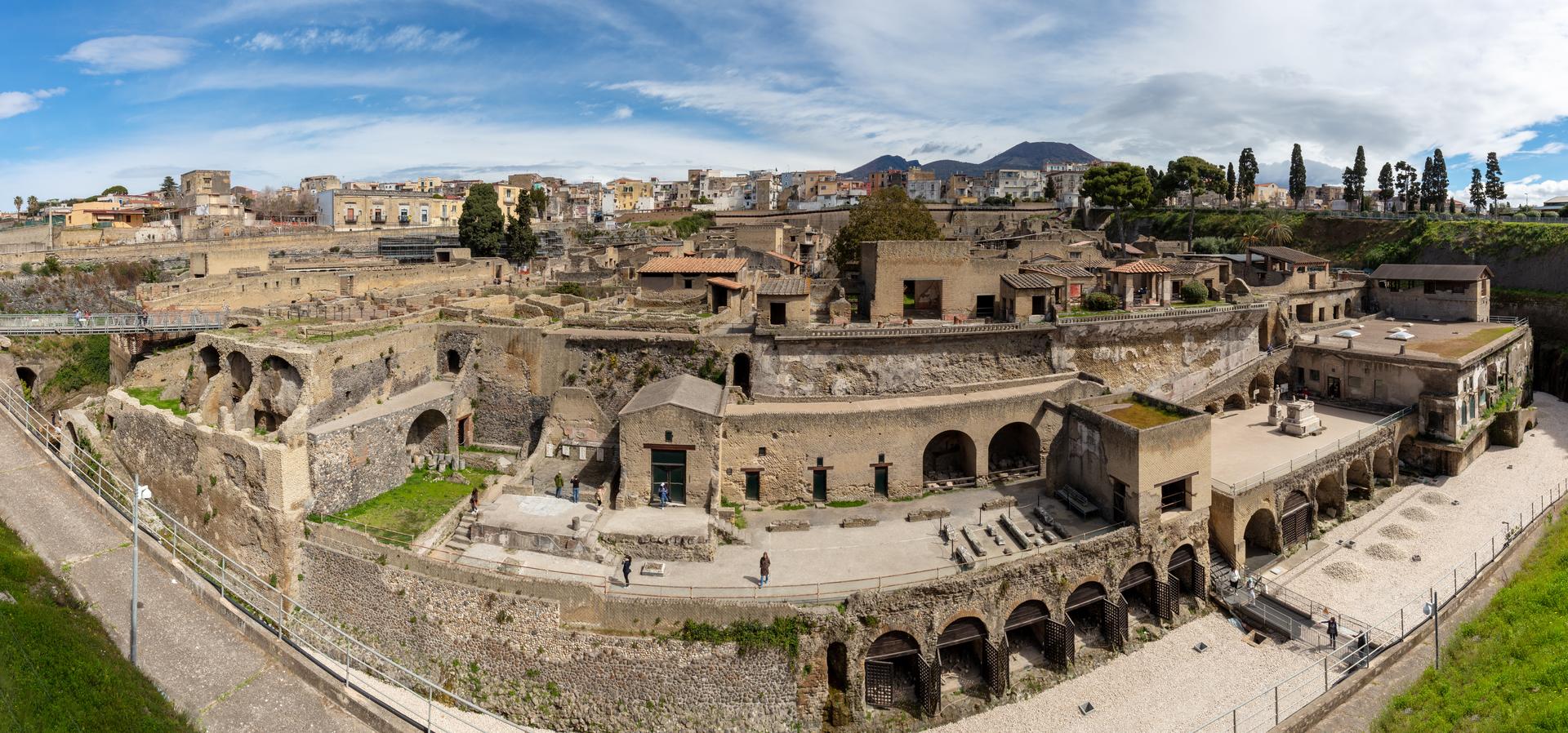
Discover Herculaneum: A well-preserved Roman town frozen in time, offering an intimate and detailed look at ancient daily life, architecture, and culture.
Tell me more about Herculaneum