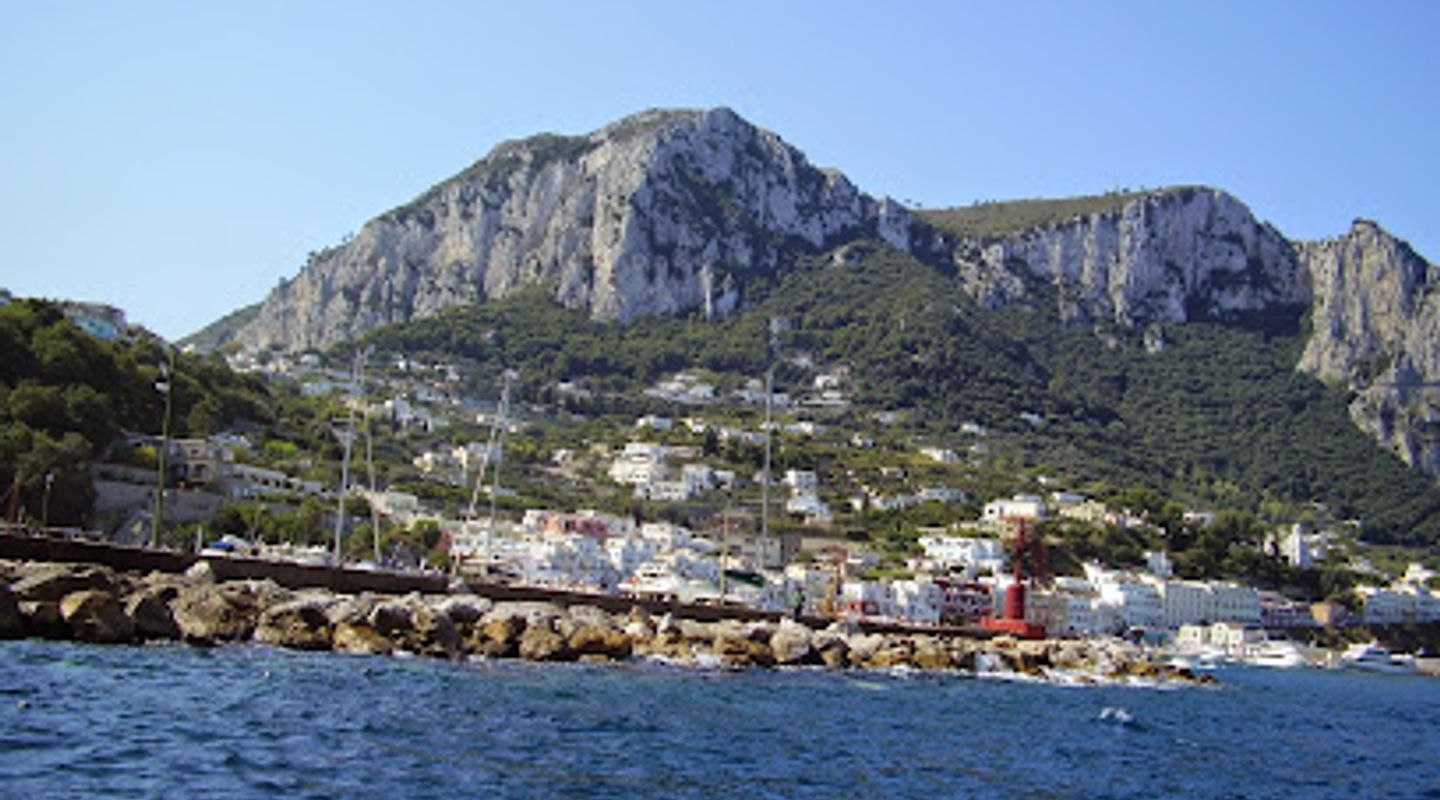
Colosseum, Lazio Travel Guide
Explore the Colosseum: Step back in time and witness the grandeur of ancient Rome's most iconic amphitheater. A must-see historical landmark.
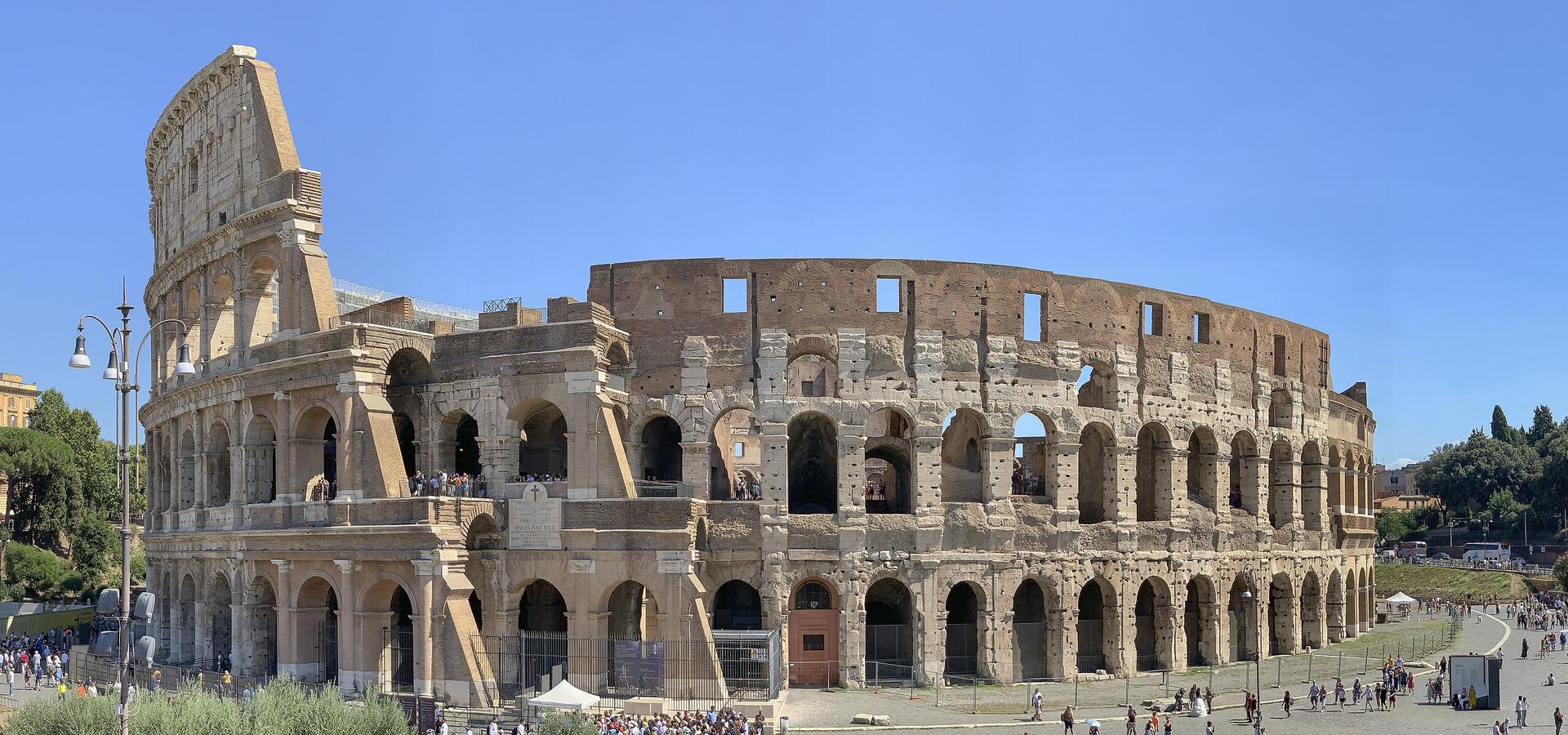
The Colosseum, an enduring symbol of Imperial Rome, is a massive amphitheater dating back to the 1st century AD. Built by the Flavian emperors, it hosted gladiatorial contests, public spectacles, and animal hunts, captivating audiences of up to 80,000. Today, it stands as a testament to Roman engineering and a powerful reminder of the city's rich history.
A brief summary to Colosseum
- Piazza del Colosseo, 1, Rome, Metropolitan City of Rome Capital, 00184, IT
- Click to display
- Click to display
- Monday 8:30 am-7:15 pm
- Tuesday 8:30 am-7:15 pm
- Wednesday 8:30 am-7:15 pm
- Thursday 8:30 am-7:15 pm
- Friday 8:30 am-7:15 pm
- Saturday 8:30 am-7:15 pm
- Sunday 8:30 am-7:15 pm

Know before you go
Hi, I'm Eve. Here are a few practical things to know before exploring Colosseum.
- Book your tickets online in advance to avoid long queues, as tickets are no longer sold on-site.
- Visit early in the morning or later in the afternoon to avoid the midday heat and crowds.
- Wear comfortable shoes, as the ancient marble floors can be slippery.
- Bring water, especially during the summer months, to stay hydrated.
- Consider a guided tour to gain deeper insights into the Colosseum's history and significance.
Do you manage this location?
Take control to get all the benefits, like improved information, better appearance, and stronger visibility across AI-powered discovery. Learn more about listing your business on Evendo
Activate your presenceOther nearby places you may find interesting
The closest places of the same kind, if this one is not quite what you had in mind.
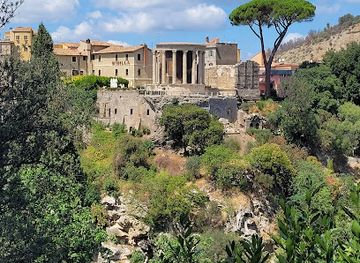
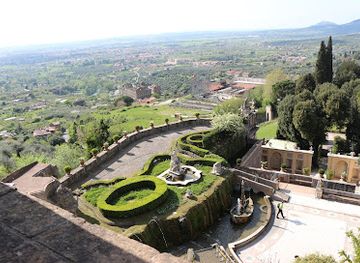
Explore Colosseum on the Map
A handpicked selection of must-see spots near Colosseum, mapped for you.
Unlock the Best of Colosseum
Buy tickets
Book tours with entry


Getting There
-
Public Transport
The Colosseum is easily accessible via Rome's Metro Line B. Take the Metro to the 'Colosseo' station, which is directly in front of the Colosseum. Alternatively, several bus and tram lines stop near the Colosseum. Bus lines 51, 75, 85, 87, 118, 673, 175 and 204 all stop at Piazza del Colosseo. Tram lines 3 and 8 also have stops at Piazza del Colosseo. A single Metro/bus/tram ticket costs €1.50 and is valid for 100 minutes. A day pass costs €6.
-
Walking
The Colosseum is located in the heart of Rome and is easily reachable by foot from many central landmarks. From the Roman Forum, it's a short 5-minute walk east. From Piazza Venezia, it's approximately a 15-20 minute walk. Follow Via dei Fori Imperiali for a direct route. Be aware that the area around the Colosseum can be crowded, especially on weekends.
-
Taxi
Taxis are readily available throughout Rome and can take you directly to the Colosseum. A taxi from Termini Station to the Colosseum typically costs between €14 and €18 and takes approximately 10 minutes, depending on traffic. Be sure to confirm the fare with the driver before starting your journey. Taxi fares within Rome are regulated, with a base fee of €3.00 during the day and increased rates at night and on holidays. Note that some unofficial taxi drivers may attempt to overcharge tourists.
Discover more about Colosseum













Your all‑in‑one travel companion app
Explore expert travel guides, compare and book tours, experiences, hotels, and more—all from the palm of your hand. Download now for seamless trip planning wherever your wanderlust takes you.


Explore More of Lazio
Looking beyond Colosseum? Discover Lazio for broader travel guides, local hot-spots, and regional highlights.
Explore Lazio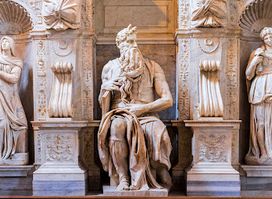
Discover Michelangelo's Moses, a powerful Renaissance sculpture, and the sacred chains of St. Peter in Rome's historic Basilica di San Pietro in Vincoli.
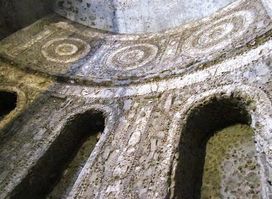
Explore the stunning Ninfeo di via Degli Annibaldi, an ancient Roman water garden that showcases exquisite mosaics and serene landscapes in the heart of Rome.