Nishiheiwao Bridge, Hiroshima Travel Guide
Cross the Nishiheiwao Bridge in Hiroshima, a serene pathway to peace and remembrance, offering reflection and scenic beauty.
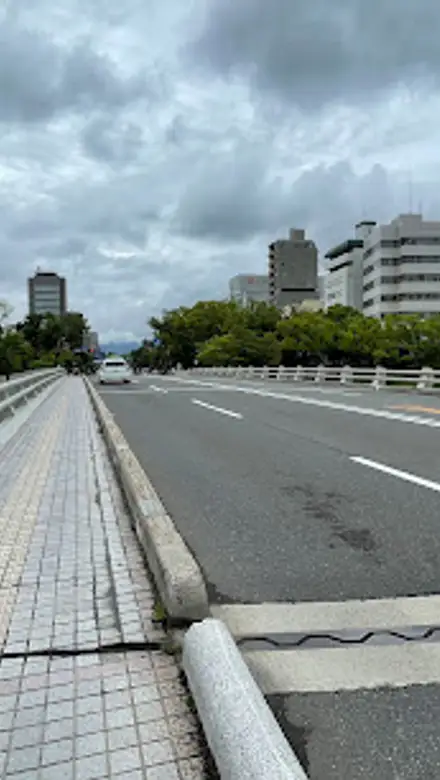
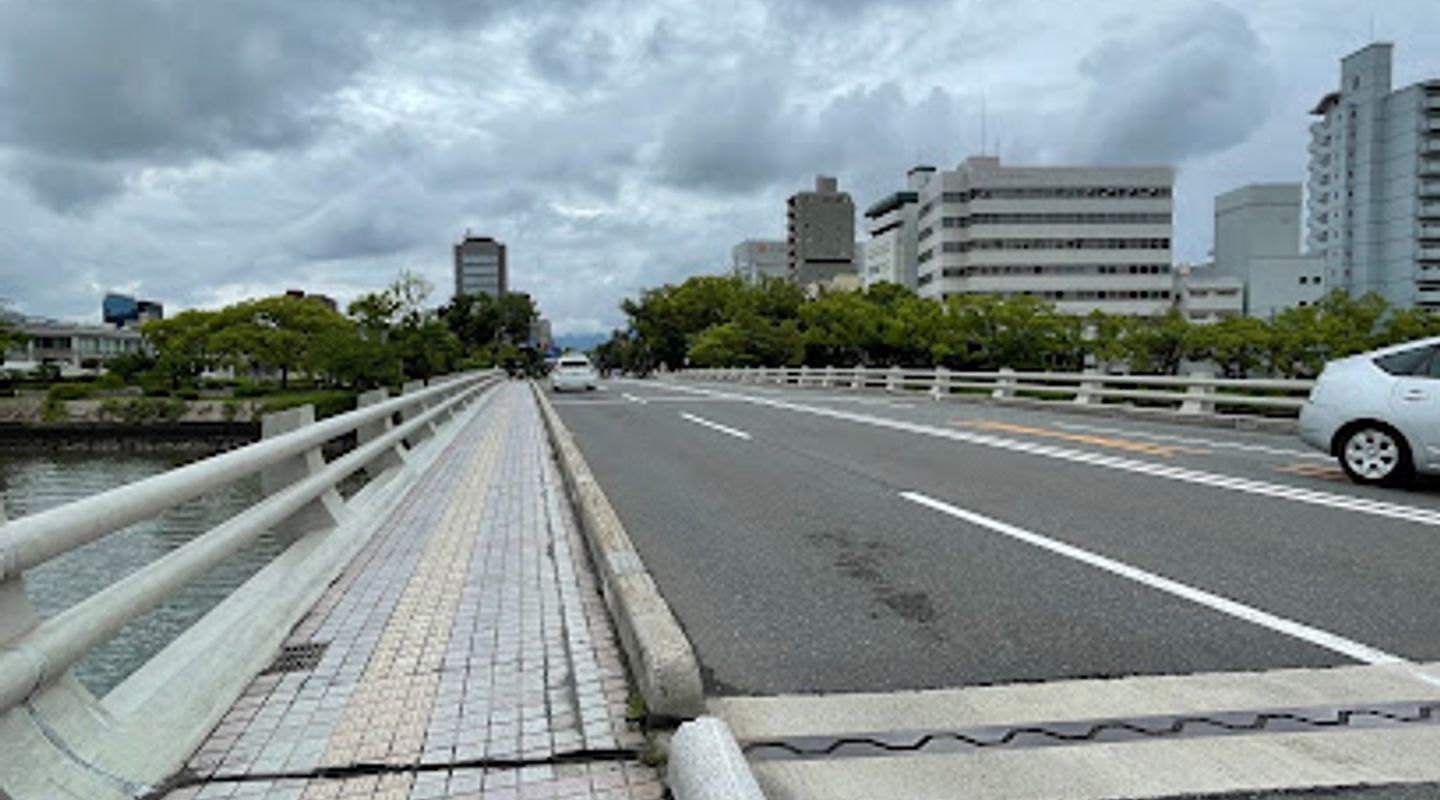
Nishiheiwao Bridge, located in Hiroshima, Japan, is more than just a river crossing; it's a symbol of peace and resilience. Offering scenic views and a tranquil atmosphere, it connects visitors to the poignant Hiroshima Peace Memorial Park.
A brief summary to Nishiheiwao Bridge
- Hiroshima, Nakajimacho, Naka Ward, Hiroshima, 730-0811, JP
- Click to display
- Click to display

Know before you go
Hi, I'm Eve. Here are a few practical things to know before exploring Nishiheiwao Bridge.
- Visit early morning or late afternoon for the best lighting for photography.
- Combine your visit with a trip to the nearby Hiroshima Peace Memorial Park.
- Visit on a weekday to avoid larger crowds.
Do you manage this location?
Take control to get all the benefits, like improved information, better appearance, and stronger visibility across AI-powered discovery. Learn more about listing your business on Evendo
Activate your presenceOther nearby places you may find interesting
The closest places of the same kind, if this one is not quite what you had in mind.

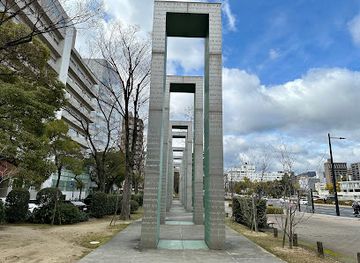
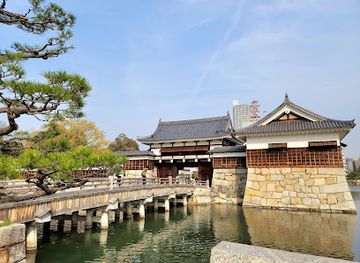
Explore Nishiheiwao Bridge on the Map
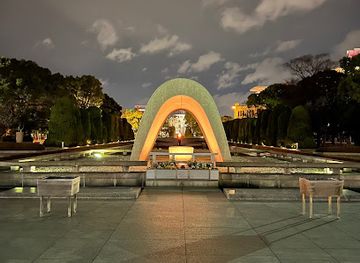
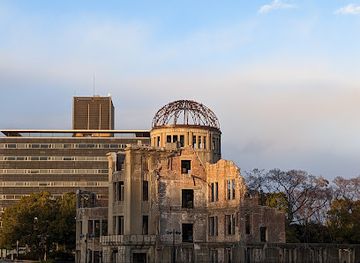
A handpicked selection of must-see spots near Nishiheiwao Bridge, mapped for you.
Getting There
-
Walking
From the Hiroshima Peace Memorial Park, exit the park and head south towards the Honkawa River. Walk along the riverbank for approximately 15 minutes. Nishiheiwao Bridge will be on your left. There are no costs involved in accessing the bridge.
-
Public Transport
From Hiroshima Station, take the Hiroshima Electric Railway (tram) lines 2 or 6 to Genbaku-Domu Mae (Atomic Bomb Dome) stop. From there, walk south for about 10 minutes along the river to reach the Nishiheiwao Bridge. The tram fare is a flat rate of ¥240 for adults. Alternatively, the Hiroshima Sightseeing Loop Bus (Meipuru-pu) stops near the Atomic Bomb Dome. A single ride costs ¥240, or a one-day pass is available for ¥600.
Discover more about Nishiheiwao Bridge













Your all‑in‑one travel companion app
Explore expert travel guides, compare and book tours, experiences, hotels, and more—all from the palm of your hand. Download now for seamless trip planning wherever your wanderlust takes you.


Explore More of Hiroshima
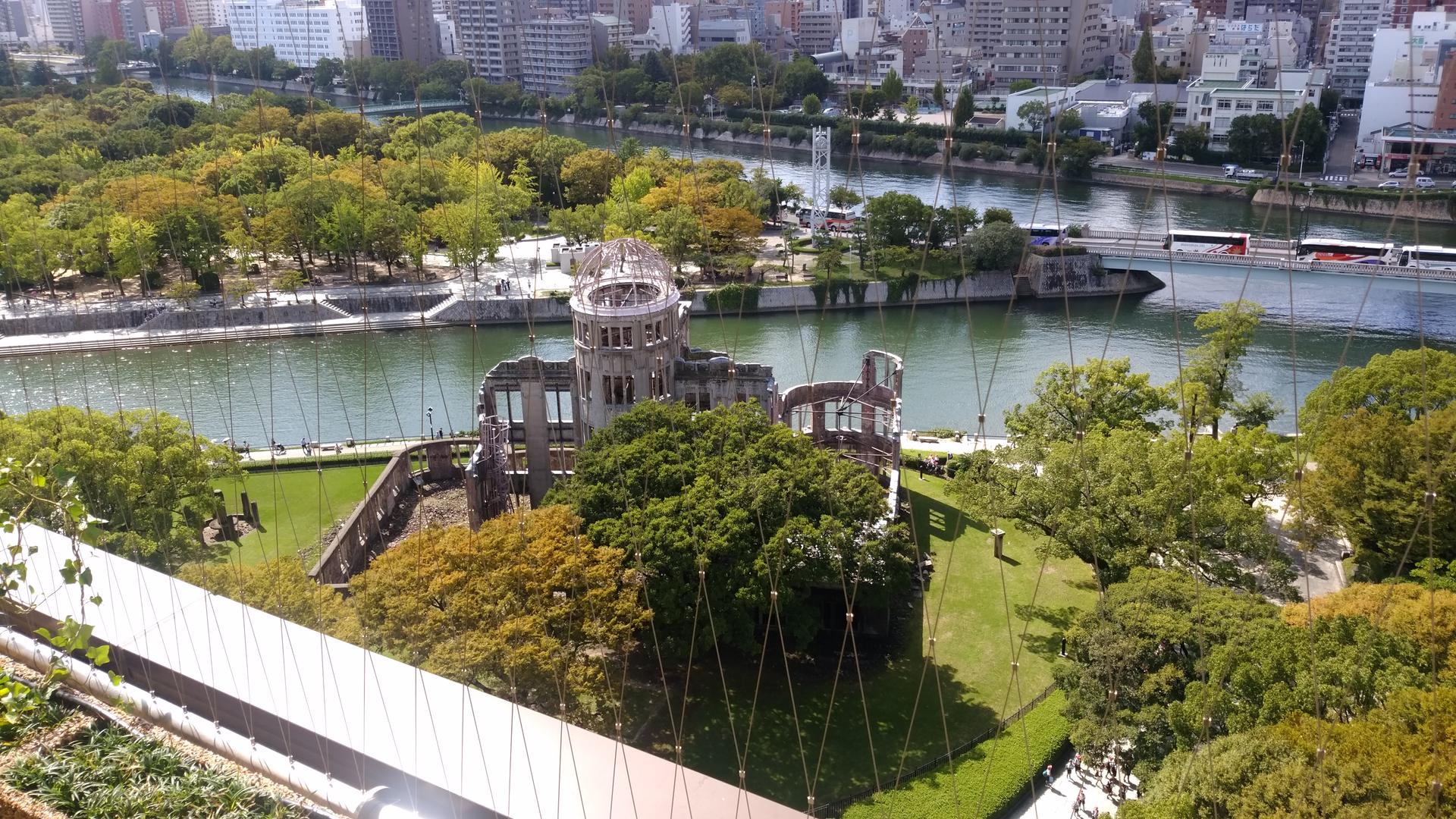
Looking beyond Nishiheiwao Bridge? Discover Hiroshima for broader travel guides, local hot-spots, and regional highlights.
Explore Hiroshima