Hiroshima Castle, Hiroshima Travel Guide
Free Guide: Explore Hiroshima Castle: A symbol of resilience, offering a glimpse into Japan's feudal past and the city's remarkable recovery.


A brief summary of Hiroshima Castle
Explore Hiroshima Castle: A symbol of resilience, offering a glimpse into Japan's feudal past and the city's remarkable recovery.
Hiroshima Castle, also known as Carp Castle, is a reconstructed landmark in Hiroshima, Japan. Originally built in the late 16th century, it was destroyed by the atomic bomb in 1945 but rebuilt in 1958. Today, it houses a museum showcasing the city's history and samurai culture.
Opening hours
- Every day9 am–6 pm
Opening hours as listed on the venue’s Google Business Profile. Hours can change for services and special events, so check with the venue before you go.
- Address
- 21-1 Motomachi, Naka Ward, Hiroshima, 730-0011
- Phone
- Website
Getting there
Public Transport
Walking
Taxi
Discover more about Hiroshima Castle
Overview
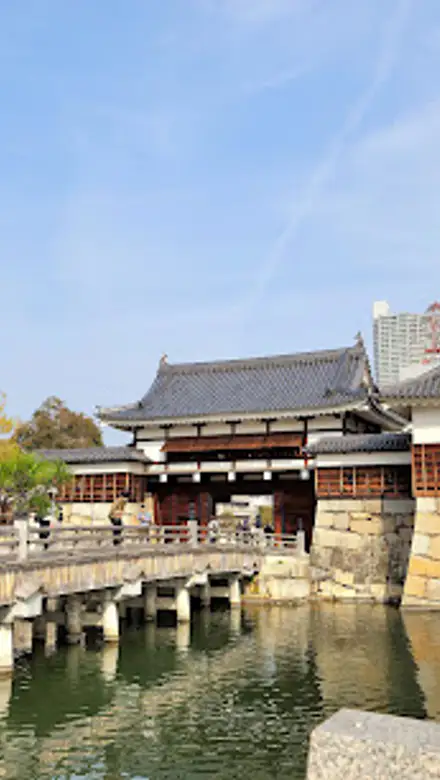
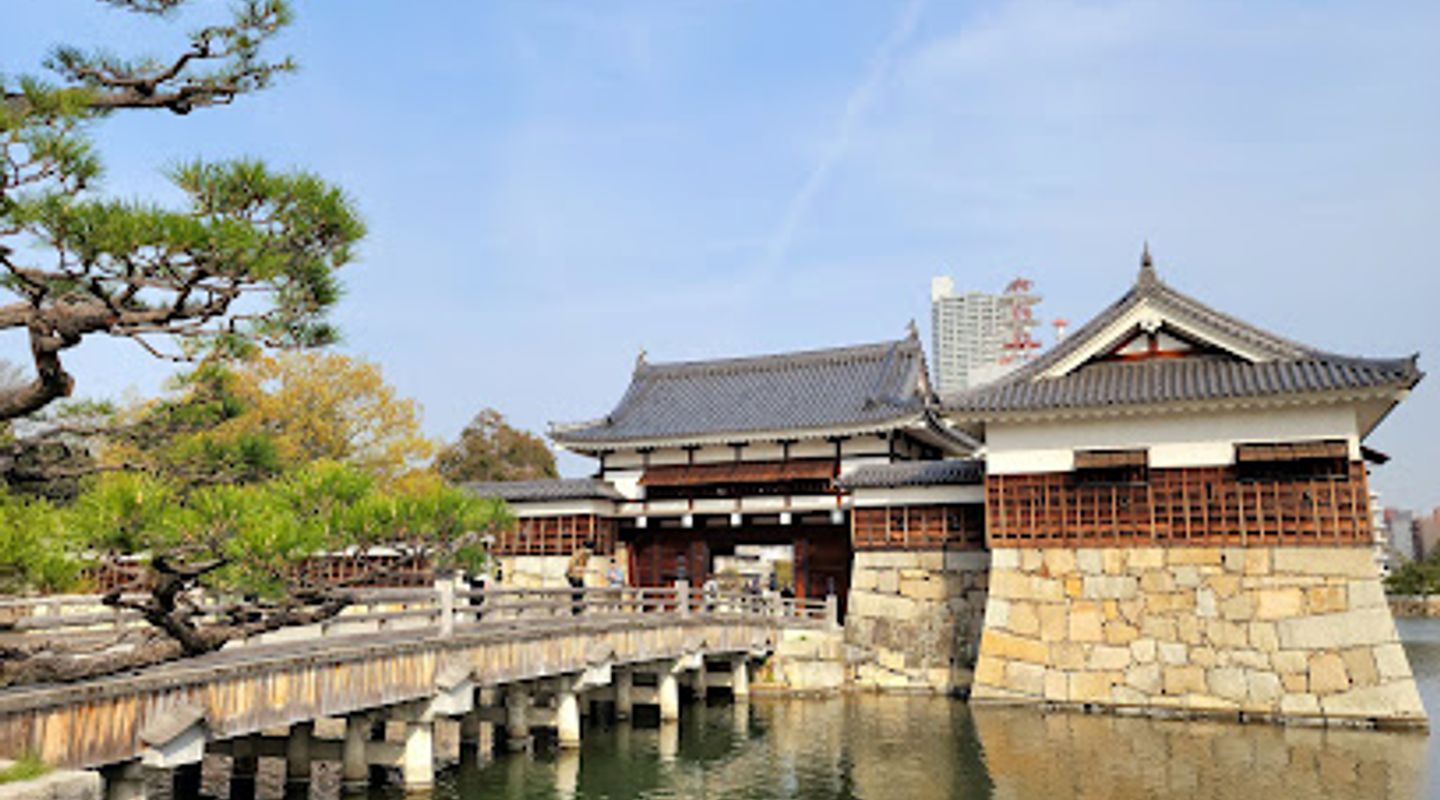
Hiroshima Castle, affectionately called Carp Castle (Hiroshimajō), stands as a poignant symbol of Hiroshima's history and resilience. Constructed in 1589 by the powerful feudal lord Mori Terumoto, it served as a vital center of power in western Japan. Unlike many castles built on mountains, Hiroshima Castle was erected on a plain, contributing to the development of Hiroshima as a castle town.Despite surviving the Meiji Period demolitions that befell many other castles, Hiroshima Castle met a tragic fate during the atomic bombing of 1945. The devastation reduced the castle to ruins, leaving only the stone walls and moat. However, in 1958, the main keep was reconstructed, signaling the city's rebirth. The rebuilt keep, made of ferro-concrete with a partially wooden exterior, now houses a museum. Inside, visitors can explore exhibits detailing Hiroshima's history, the castle's past, and Japanese castles in general. The top floor offers panoramic views of the city. Further restoration efforts led to the reconstruction of the Ninomaru (second circle of defense) in 1994, using traditional building methods and materials. These reconstructed structures include the main gate and two turrets connected by a long storehouse, providing visitors with a glimpse into the castle's original design.Today, Hiroshima Castle is more than just a historical site; it's a testament to Hiroshima's enduring spirit. Visitors can explore the castle grounds, admire the reconstructed buildings, and delve into the city's rich history within the museum. The castle also features three trees that survived the atomic bombing. It's a place where the past and present intertwine, offering a unique and moving experience for all who visit.
Evendo Review Centre
 Google
Guest reviews
Explore Hiroshima Castle on the map
A handpicked selection of must-see spots near Hiroshima Castle, mapped for you.
Get your free copy of our complete guide to Hiroshima Castle, delivered straight to you.
Everything on this page, from opening hours and how to get there to Eve’s tips and the best time to go, in one PDF you can read offline, print or share.
Already have an account? Sign in
Your Hiroshima Castle guide is ready.
We'll send it to · Not you? Sign out

Getting your guide ready…
We are putting together a fresh copy of the Hiroshima Castle guide. This can take up to a minute.
This can take a few moments. If your browser asks, choose Allow so the download can start. You'll find the guide in your Downloads folder.
Nothing happened? Download it again
Sorry, the guide is taking longer than usual. Please try again in a minute, or get it by email instead.
Unlock the best of Hiroshima Castle
Skip-the-line tickets, guided tours with entry, and walking tours of the area, booked in a few clicks.
 Tour with entry
Hiroshima Peace & History Tour: Why the Atomic Bomb Was Dropped
from $33.25 Tour with entry
Hiroshima Peace Memorial, Castle and Garden Walking Tour
from $45.16 Tour with entry
Hiroshima Early Morning Tour Private Option Available
from $57.20 Tour with entry
Hiroshima in a Nutshell: Morning Bike Adventure
from $66.07


Other nearby places you may find interesting
The closest places of the same kind, if this one is not quite what you had in mind.
-

-
-
-
-


Swipe for more places
More to explore near Hiroshima Castle

 Best experiences near Hiroshima Castle
 Best hotels near Hiroshima Castle
 Best landmarks near Hiroshima Castle
 Best attractions near Hiroshima Castle
 Best shops near Hiroshima Castle
 Best restaurants near Hiroshima Castle
 Best bars near Hiroshima Castle
Do you manage this location?
Take control to get all the benefits, like improved information, better appearance, and stronger visibility across AI-powered discovery.
Explore more

Explore more of Hiroshima
Discover Hiroshima: A harmonious blend of poignant history, vibrant culture, and stunning natural beauty, offering a unique and enriching travel experience.
Explore Hiroshima
Explore more of Japan
Discover the harmony of tradition and modernity in Japan, where ancient temples and cutting-edge technology coexist in perfect balance.
Explore Japan