

Peace Bridge, Hiroshima Travel Guide
Free Guide: Walk across Peace Bridge in Hiroshima, a symbolic gateway to Peace Memorial Park and a poignant reminder of hope and resilience.


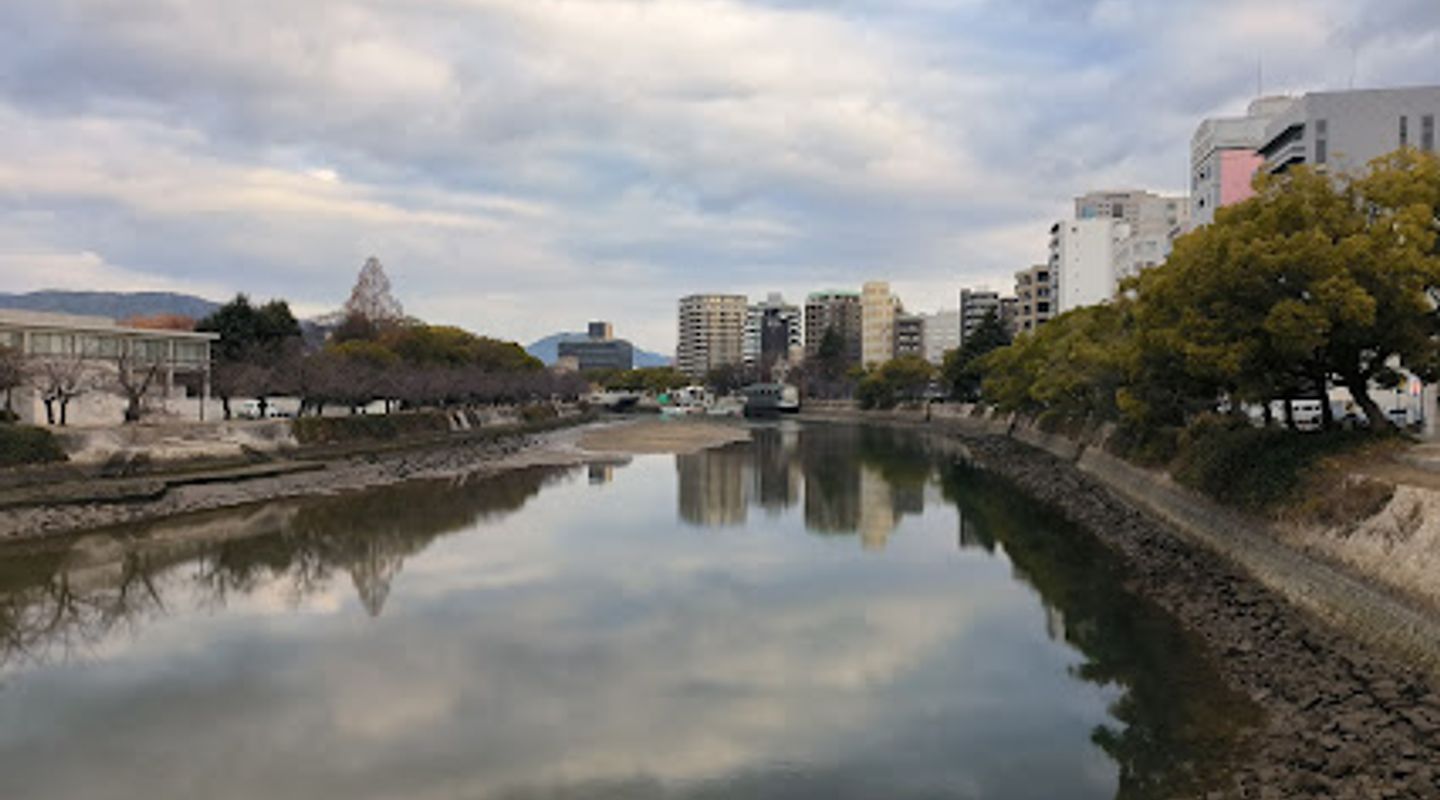
A brief summary of Peace Bridge
Walk across Peace Bridge in Hiroshima, a symbolic gateway to Peace Memorial Park and a poignant reminder of hope and resilience.
The Peace Bridge in Hiroshima, Japan, is more than just a river crossing; it's a poignant symbol of the city's recovery from the atomic bombing. Designed by Japanese-American sculptor Isamu Noguchi, its unique railings embody hope and remembrance, connecting the past with a vision for the future.
Opening hours
- Every dayOpen 24 hours
Opening hours as listed on the venue’s Google Business Profile. Hours can change for services and special events, so check with the venue before you go.
- Address
- Naka Ward, Hiroshima, 730-0051
- Phone
- Website
Getting there
Walking
Public Transport
Discover more about Peace Bridge
Overview
Peace Bridge, located in Hiroshima's Peace Memorial Park, is a powerful testament to the city's resilience and its enduring commitment to peace. Completed in 1952, the bridge serves as a symbolic gateway to the park, inviting visitors to reflect on the past and contemplate the future.The bridge's design, conceived by the renowned Japanese-American sculptor Isamu Noguchi, is deeply symbolic. Noguchi, wanting Hiroshima to have a sense of a city “living strongly for the future,” designed Peace Bridge to evoke a sunrise, representing hope and rebirth. Its counterpart, the West Peace Bridge, symbolizes a sunset, representing the past. The arresting designs drew criticism from the City Council and private citizens who feared that 'the caterpillar-shaped handrail would not prevent children from falling in the river.' The bridge was finally built with a handrail 20 centimeters higher than originally designed.The name “Peace Bridge” was chosen in a public naming contest in November 1951, along with “Peace Boulevard”.Crossing the Peace Bridge is an integral part of the Peace Memorial Park experience, offering a moment to contemplate Hiroshima's journey from devastation to renewal. It serves as a reminder of the importance of peace and the human spirit's capacity to overcome adversity.
Evendo Review Centre
 Google
Guest reviews
Explore Peace Bridge on the map
A handpicked selection of must-see spots near Peace Bridge, mapped for you.
Get your free copy of our complete guide to Peace Bridge, delivered straight to you.
Everything on this page, from opening hours and how to get there to Eve’s tips and the best time to go, in one PDF you can read offline, print or share.
Already have an account? Sign in
Your Peace Bridge guide is ready.
We'll send it to · Not you? Sign out

Getting your guide ready…
We are putting together a fresh copy of the Peace Bridge guide. This can take up to a minute.
This can take a few moments. If your browser asks, choose Allow so the download can start. You'll find the guide in your Downloads folder.
Nothing happened? Download it again
Sorry, the guide is taking longer than usual. Please try again in a minute, or get it by email instead.
Other nearby places you may find interesting
The closest places of the same kind, if this one is not quite what you had in mind.
-

-
-
-
-


Swipe for more places
More to explore near Peace Bridge

 Best experiences near Peace Bridge
 Best hotels near Peace Bridge
 Best landmarks near Peace Bridge
 Best attractions near Peace Bridge
 Best shops near Peace Bridge
 Best restaurants near Peace Bridge
 Best bars near Peace Bridge
Do you manage this location?
Take control to get all the benefits, like improved information, better appearance, and stronger visibility across AI-powered discovery.
Explore more

Explore more of Hiroshima
Discover Hiroshima: A harmonious blend of poignant history, vibrant culture, and stunning natural beauty, offering a unique and enriching travel experience.
Explore Hiroshima
Explore more of Japan
Discover the harmony of tradition and modernity in Japan, where ancient temples and cutting-edge technology coexist in perfect balance.
Explore Japan
