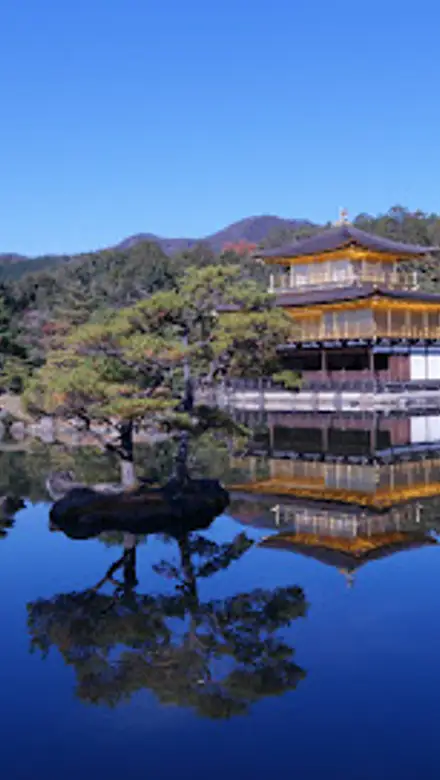
Kinkaku-ji Travel Guide
Free Guide: A dazzling Zen temple in Kyoto, the Golden Pavilion reflects centuries of history and architectural beauty. A UNESCO World Heritage Site.


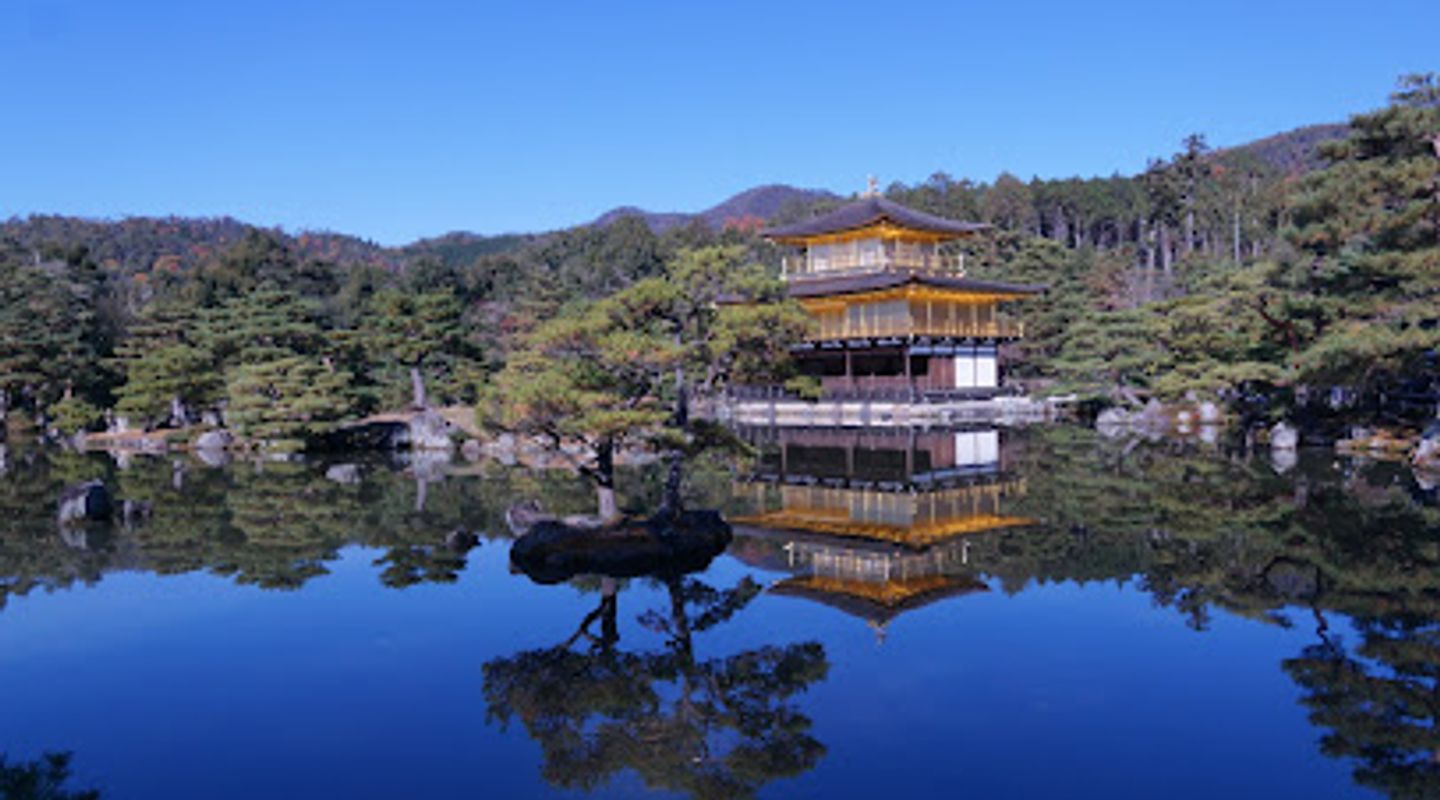
A brief summary of Kinkaku-ji
A dazzling Zen temple in Kyoto, the Golden Pavilion reflects centuries of history and architectural beauty. A UNESCO World Heritage Site.
Kinkaku-ji, also known as the Golden Pavilion, is a Zen Buddhist temple in Kyoto, Japan, famed for its top two floors being completely covered in gold leaf. Originally built in 1397 as a retirement villa for shogun Ashikaga Yoshimitsu, it was converted into a temple after his death. It's a stunning example of Muromachi period architecture and a UNESCO World Heritage Site.
Opening hours
- Every day9 am–5 pm
Opening hours as listed on the venue’s Google Business Profile. Hours can change for services and special events, so check with the venue before you go.
- Address
- 1 Kinkakujicho, Kita Ward, Kyoto, 603-8361
- Phone
- Website
Getting there
Public Transport
Taxi
Walking
Driving
Discover more about Kinkaku-ji
Overview
Kinkaku-ji, officially named Rokuon-ji (Deer Garden Temple), is an iconic Zen Buddhist temple in Kyoto, Japan. Popularly known as the Golden Pavilion, its top two stories are adorned with brilliant gold leaf, reflecting beautifully on the adjacent Mirror Pond (Kyoko-chi). The temple's history dates back to 1397 when it was established as a retirement villa for Shogun Ashikaga Yoshimitsu. Upon his death in 1408, it was converted into a Zen temple, as per his wishes.The Golden Pavilion's design uniquely blends three distinct architectural styles. The first floor reflects the Shinden-zukuri style of the Heian aristocracy, while the second adopts the Buke-zukuri style used in samurai residences. The third and uppermost floor is built in the style of a Chinese Zen Hall. Each floor tells a story of different historical influences. The pavilion functions as a shariden, housing relics of the Buddha. A bronze phoenix statue perches on the roof.Over the centuries, Kinkaku-ji has faced numerous challenges, including damage from the Onin War and a devastating fire in 1950 caused by a novice monk. The temple was rebuilt in 1955, faithfully replicating the original design, and was designated a UNESCO World Heritage Site in 1994. Visitors can stroll through the meticulously designed Muromachi-period gardens, which feature carefully arranged stones and pine woods. The gardens hold other spots of interest including Anmintaku Pond that is said to never dry up, and statues that people throw coins at for luck. The Sekkatei Teahouse, an Edo Period addition, offers a glimpse into Japanese tea garden culture.
Evendo Review Centre
 Google
Guest reviews
Explore Kinkaku-ji on the map
A handpicked selection of must-see spots near Kinkaku-ji, mapped for you.
Get your free copy of our complete guide to Kinkaku-ji, delivered straight to you.
Everything on this page, from opening hours and how to get there to Eve’s tips and the best time to go, in one PDF you can read offline, print or share.
Already have an account? Sign in
Your Kinkaku-ji guide is ready.
We'll send it to · Not you? Sign out

Getting your guide ready…
We are putting together a fresh copy of the Kinkaku-ji guide. This can take up to a minute.
This can take a few moments. If your browser asks, choose Allow so the download can start. You'll find the guide in your Downloads folder.
Nothing happened? Download it again
Sorry, the guide is taking longer than usual. Please try again in a minute, or get it by email instead.
Unlock the best of Kinkaku-ji
Skip-the-line tickets, guided tours with entry, and walking tours of the area, booked in a few clicks.


Other nearby places you may find interesting
The closest places of the same kind, if this one is not quite what you had in mind.
-
-
-
-
-


Swipe for more places
More to explore near Kinkaku-ji

 Best experiences near Kinkaku-ji
 Best hotels near Kinkaku-ji
 Best landmarks near Kinkaku-ji
 Best attractions near Kinkaku-ji
 Best shops near Kinkaku-ji
 Best restaurants near Kinkaku-ji
 Best bars near Kinkaku-ji
Do you manage this location?
Take control to get all the benefits, like improved information, better appearance, and stronger visibility across AI-powered discovery.
Explore more
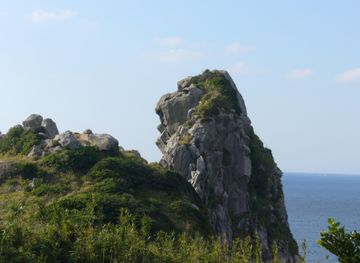
Explore more of Iki
Discover Iki Island, Japan's untouched paradise, where ancient history meets pristine beaches and tranquil landscapes, offering a serene escape from the mainland.
Explore Iki
Explore more of Japan
Discover the harmony of tradition and modernity in Japan, where ancient temples and cutting-edge technology coexist in perfect balance.
Explore Japan