

Dotonbori Travel Guide
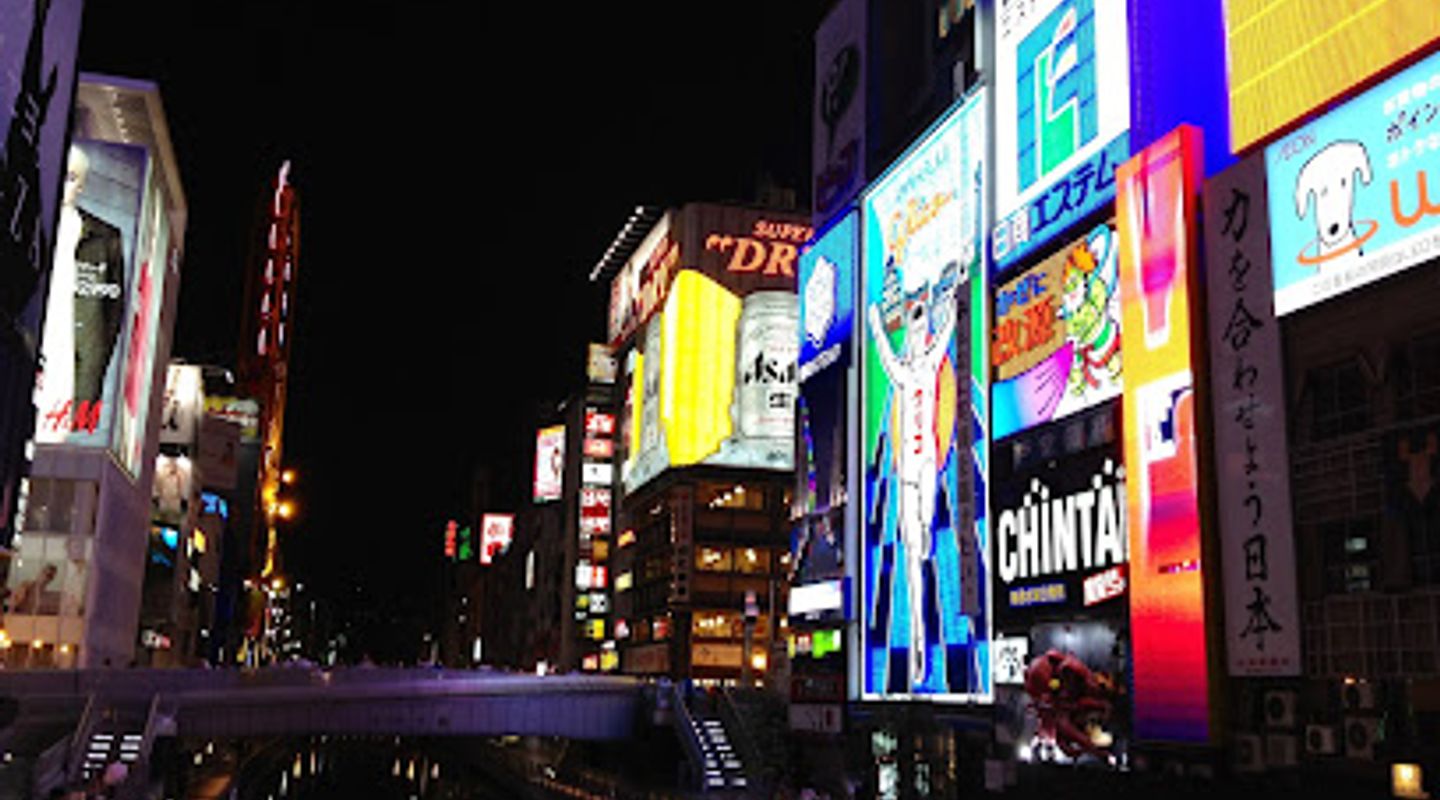
Free Guide: Experience Osaka's vibrant nightlife, dazzling lights, and diverse culinary scene in the heart of Dotonbori, home to the iconic Glico Running Man.


A brief summary of Dotonbori
Experience Osaka's vibrant nightlife, dazzling lights, and diverse culinary scene in the heart of Dotonbori, home to the iconic Glico Running Man.
Dotonbori is a vibrant entertainment district in Osaka, Japan, known for its dazzling neon lights, extravagant signage, and diverse culinary scene. Historically a theater district, it has evolved into a popular nightlife and tourist destination, embodying Osaka's energetic spirit. The iconic Glico Running Man sign is a must-see landmark.
Opening hours
- Every dayOpen 24 hours
Opening hours as listed on the venue’s Google Business Profile. Hours can change for services and special events, so check with the venue before you go.
- Address
- 1 Chome Dotonbori, Chuo Ward, Osaka, 542-0071
- Phone
- Website
Getting there
Public Transport
Walking
Taxi
Discover more about Dotonbori
Overview
Dotonbori, Osaka's entertainment heart, pulsates with energy along the Dotonbori Canal. What began in 1612 as a canal project by merchant Yasui Doton, linking local waterways , quickly transformed into Osaka's designated entertainment district by 1621. Kabuki and puppet theaters flourished, drawing crowds and establishing Dotonbori as a cultural hub.Though the theater scene has diminished, with only the Shochikuza theater remaining , Dotonbori thrives as a gastronomic paradise. The philosophy of *kuidaore* – eating until you go bankrupt – is embraced here, with countless restaurants, street food stalls, and bars vying for attention. Sample takoyaki (octopus balls), okonomiyaki (savory pancakes), kushikatsu (fried skewers), and other Osaka specialties.The dazzling neon lights and larger-than-life signs create an amusement park atmosphere. The Glico Running Man, a symbol of Osaka, stands above Ebisubashi Bridge, a popular meeting spot and photo opportunity. This sign, first erected in 1935, has become an iconic landmark, representing the city's resilience and forward-thinking attitude. Dotonbori is a sensory overload, a place to immerse yourself in Osaka's vibrant culture and energetic nightlife.
Evendo Review Centre
 Google
Guest reviews
Explore Dotonbori on the map
A handpicked selection of must-see spots near Dotonbori, mapped for you.
Get your free copy of our complete guide to Dotonbori, delivered straight to you.
Everything on this page, from opening hours and how to get there to Eve’s tips and the best time to go, in one PDF you can read offline, print or share.
Already have an account? Sign in
Your Dotonbori guide is ready.
We'll send it to · Not you? Sign out

Getting your guide ready…
We are putting together a fresh copy of the Dotonbori guide. This can take up to a minute.
This can take a few moments. If your browser asks, choose Allow so the download can start. You'll find the guide in your Downloads folder.
Nothing happened? Download it again
Sorry, the guide is taking longer than usual. Please try again in a minute, or get it by email instead.
Unlock the best of Dotonbori
Skip-the-line tickets, guided tours with entry, and walking tours of the area, booked in a few clicks.

 Tour with entry
Osaka Eats Food Tour with 15+ Tastings
from $84.55 Tour with entry
Osaka 2 Hour Local Street Food Tour in Dotonbori and Namba
from $105.23 Tour with entry
Osaka Must-See and Hidden Gems Walking Tour With A Guide
from $119.62 Tour with entry
Full-day guided tour to Nara Park, Osaka and Kobe from Kyoto
from $123.77

Other nearby places you may find interesting
The closest places of the same kind, if this one is not quite what you had in mind.
-
-
-
-
-


Swipe for more places
More to explore near Dotonbori

 Best experiences near Dotonbori
 Best hotels near Dotonbori
 Best landmarks near Dotonbori
 Best attractions near Dotonbori
 Best shops near Dotonbori
 Best restaurants near Dotonbori
 Best bars near Dotonbori
Do you manage this location?
Take control to get all the benefits, like improved information, better appearance, and stronger visibility across AI-powered discovery.
Explore more
Explore more of Kinki (Kansai)
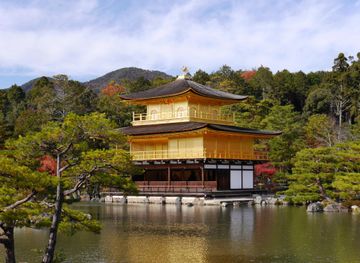
Discover Kinki (Kansai), Japan's cultural heartland, where ancient traditions meet modern vibrancy in iconic cities like Kyoto, Osaka, and Nara.
Explore Kinki (Kansai)
Explore more of Japan
Discover the harmony of tradition and modernity in Japan, where ancient temples and cutting-edge technology coexist in perfect balance.
Explore Japan
