Dotonbori Glico Sign, Kinki Kansai Travel Guide
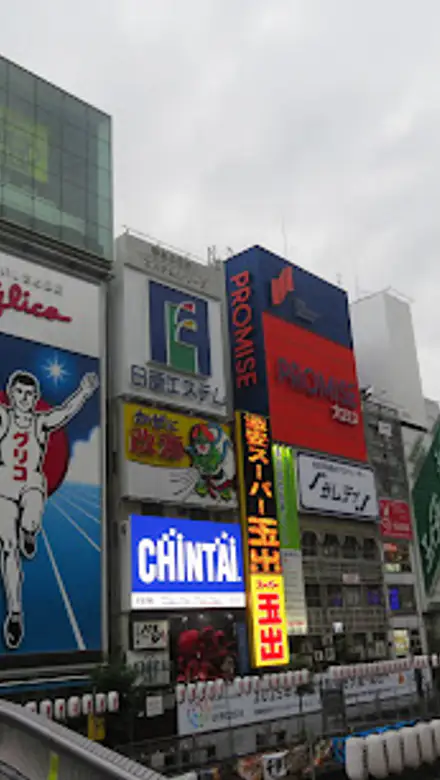
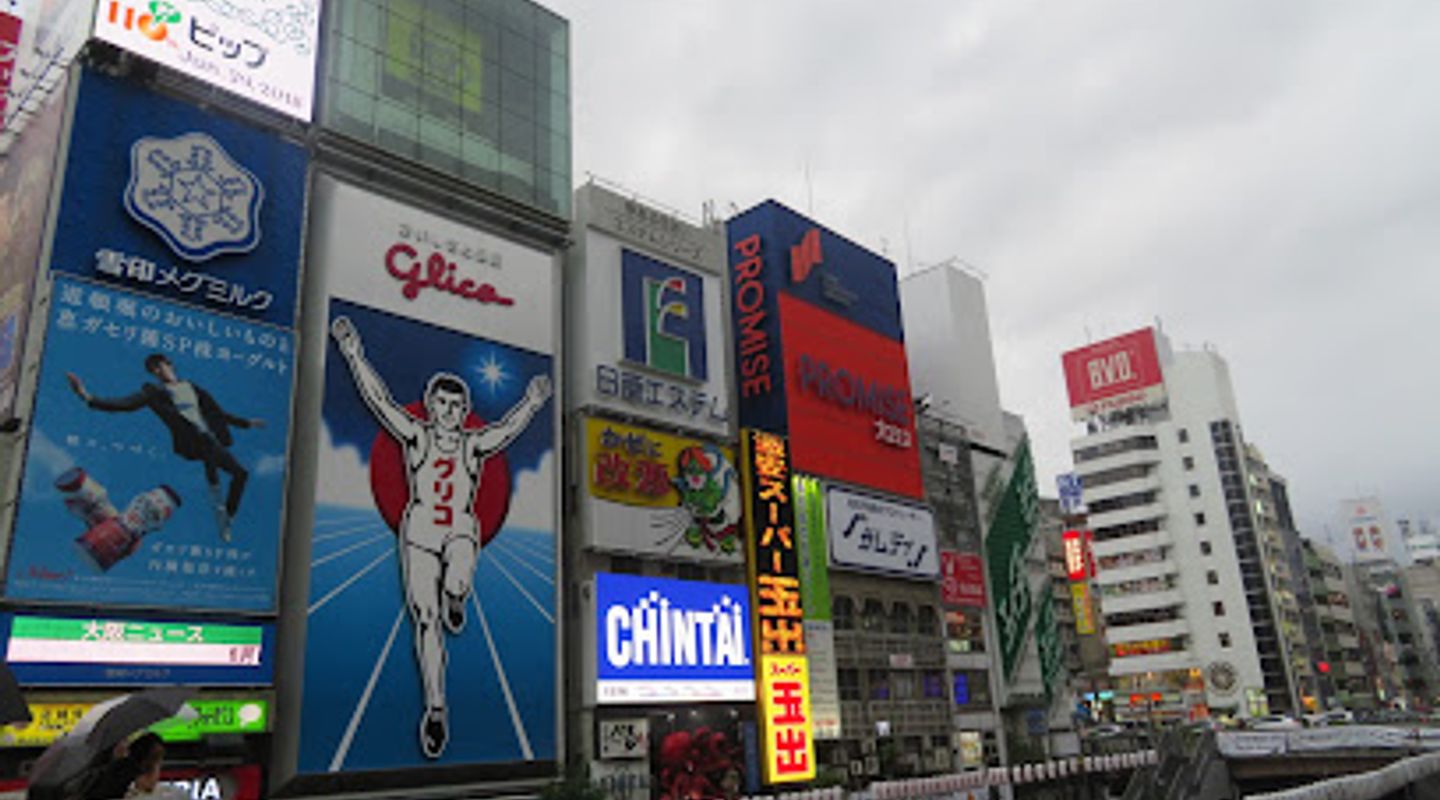
An iconic symbol of Osaka, the Glico Running Man sign in Dotonbori has been lighting up the city since 1935 and continues to attract tourists worldwide.
The Dotonbori Glico Sign is an iconic illuminated billboard in Osaka, Japan, featuring a runner on a blue track. Erected in 1935 by Ezaki Glico, it has become a symbol of Osaka's vibrant spirit and forward-thinking attitude. The sign has been updated several times, with the current version using LEDs.
A brief summary to Dotonbori Glico Sign
- 1 Chome-10-4 Dotonbori, Osaka, 1 Chome Dotonbori, Chuo Ward, Osaka, 542-0071, JP
- Click to display
- Click to display

Know before you go
Hi, I'm Eve. Here are a few practical things to know before exploring Dotonbori Glico Sign.
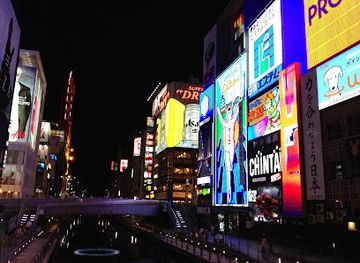
- Visit in the evening to see the sign illuminated and capture stunning photos.
- Sample local street food like takoyaki and okonomiyaki while exploring the area.
- Take a leisurely stroll along the Dotonbori River for a picturesque view of the sign and surrounding lights.
- Be mindful of peak hours, as the area can get crowded, especially on weekends.
- Explore unique shops and boutiques in the vicinity for souvenirs and local crafts.
Do you manage this location?
Take control to get all the benefits, like improved information, better appearance, and stronger visibility across AI-powered discovery. Learn more about listing your business on Evendo
Activate your presenceOther nearby places you may find interesting
The closest places of the same kind, if this one is not quite what you had in mind.
Explore Dotonbori Glico Sign on the Map
A handpicked selection of must-see spots near Dotonbori Glico Sign, mapped for you.
Unlock the Best of Dotonbori Glico Sign
Buy tickets
-
No tickets available
Book tours with entry


Getting There
-
Walking
The Glico Sign is located in the heart of Dotonbori, near the Ebisubashi Bridge. From Namba Station, walk north towards Dotonbori. The sign is easily visible from the bridge and the surrounding area. No costs are associated with walking to the sign.
-
Public Transport
The closest stations to the Glico Sign are Namba Station and Shinsaibashi Station. From Namba Station, take the Midosuji Line to Namba Station. Exit via Exit 14 or 15B and walk towards Dotonbori. From Shinsaibashi Station, walk south along Shinsaibashisuji Shopping Street towards Ebisubashi Bridge. The Glico Sign will be visible at the end of the street. Subway fare is approximately ¥200-¥230.
-
Taxi
Taxis are readily available in Osaka. From Namba Station, a taxi to the Glico Sign will take approximately 10 minutes. The estimated fare is ¥1,200-¥1,500. Note that taxi fares may vary depending on traffic conditions.
Discover more about Dotonbori Glico Sign













Your all‑in‑one travel companion app
Explore expert travel guides, compare and book tours, experiences, hotels, and more—all from the palm of your hand. Download now for seamless trip planning wherever your wanderlust takes you.


Explore More of Kinki Kansai
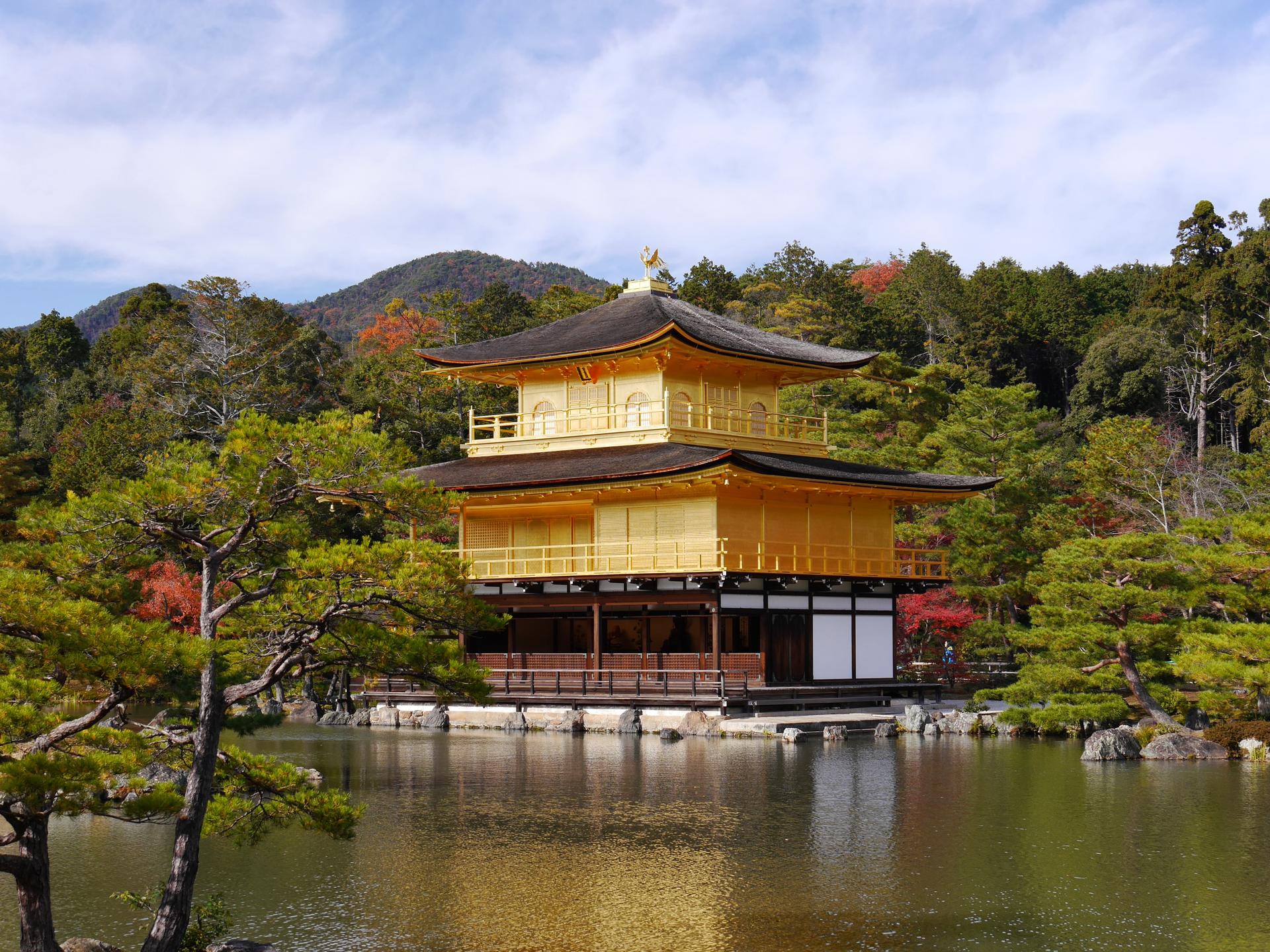
Looking beyond Dotonbori Glico Sign? Discover Kinki Kansai for broader travel guides, local hot-spots, and regional highlights.
Explore Kinki Kansai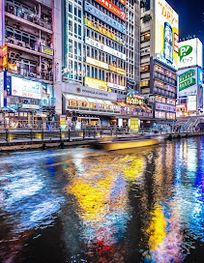
Experience the vibrant culture and stunning night views of the Tombori River Walk, a must-visit attraction in Osaka's Dotonbori district.
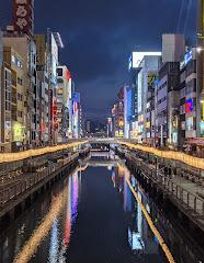
Experience the vibrant heart of Osaka at Ebisubashi Bridge, a stunning landmark connecting you to the bustling Dotonbori district.