

Odori Park (Sapporo) Travel Guide - Free
Explore Odori Park in Sapporo with Evendo's free guide. Find the best shops, historic streets, restaurants, and gems on web or mobile.


Odori Park in Sapporo brings together snowy festivals, summer gardens, civic history, the TV Tower and easy walks through central Hokkaido, Japan.
A Park at the Centre of Sapporo
Odori Park is less a conventional neighbourhood than Sapporo’s defining central public space: a broad, linear park stretching roughly 1.5 kilometres from Nishi 1-chome to Nishi 12-chome. It divides the city centre into Kita, or north, and Minami, or south, and provides an open-air route between Sapporo Station, the Susukino entertainment district and the government quarter. Its lawns, flowerbeds, fountains and tree-lined paths give central Sapporo an unusually spacious outlook, while the surrounding blocks hold department stores, offices, cafés, restaurants and hotels.Read more about Odori Park
City Views and Seasonal Life
Architecture Around the Green
Best attractions in Odori Park
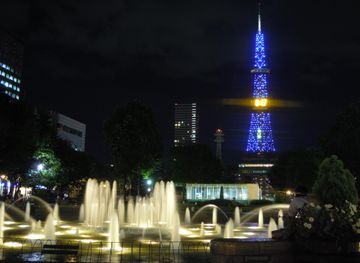
Odori Park itself is Sapporo’s principal sightseeing landscape, with a sequence of lawns, flowerbeds, fountains, sculptures and tree-lined paths spread across its numbered sections. The eastern end leads to Sapporo TV Tower, whose observation deck provides a useful overview of the park’s straight alignment and the city grid, while the western sections offer longer walks and a closer relationship with the administrative quarter. The park is also the setting for the Sapporo Snow Festival’s large snow and ice displays, summer beer gardens, YOSAKOI Soran Festival activity and winter illuminations, although layouts and access change with each event. Just beyond the northern edge, the Sapporo Clock Tower and Former Hokkaido Government Office add architectural and historical interest; they are nearby attractions rather than features inside Odori. The contrast between open parkland, surrounding office blocks and the denser southern shopping streets is part of the experience.
-
Park
Funsui
A refreshing centerpiece in Sapporo's green heart, Odori Park's fountain is a must-see landmark offering beauty and tranquility.
4 min walk · 0.3 km from neighbourhood centre
-
Playground
Odori park fountain
A refreshing landmark in Sapporo's Odori Park, offering dynamic water displays and a tranquil escape amidst seasonal beauty and vibrant events.
3 min walk · 0.2 km from neighbourhood centre
-
Park
Odori Park West 3-chome
Experience Sapporo's vibrant heart: Odori Park, a year-round oasis of festivals, gardens, and cultural landmarks in the city center.
3 min walk · 0.2 km from neighbourhood centre


Best landmarks in Odori Park
Odori Park is itself the principal landmark: its unusually broad east–west axis embodies Sapporo’s planned grid and the former firebreak that separated the northern and southern parts of the early city. At its eastern end, Sapporo TV Tower rises above Nishi 1-chome and has served as a prominent post-war symbol since its completion in 1957. The park’s numbered sections, fountains, mature trees and carefully arranged flowerbeds give a changing physical structure to what might otherwise be a simple open strip. North of the park, the Sapporo Clock Tower and Former Hokkaido Government Office are important historic buildings within a short walk, but neither stands inside Odori itself. Together with the nearby government and commercial blocks, these landmarks show how the park links Sapporo’s administrative origins, modern communications infrastructure and present-day civic life.
-
Tourist attraction
Sapporo TV Tower
Discover the breathtaking views of Sapporo from the iconic Sapporo TV Tower, a top tourist attraction in Hokkaido offering stunning panoramas.
4 min walk · 0.3 km from neighbourhood centre
-
 Heritage building
Sapporo Clock Tower
Discover the historical charm of Sapporo Clock Tower, a stunning heritage site that encapsulates the essence of Hokkaido's rich cultural history.
1 min walk · 0.1 km from neighbourhood centre
-
Park
Odori Park
Explore the heart of Sapporo at Odori Park, a lush urban oasis featuring stunning gardens, cultural events, and breathtaking views.
3 min walk · 0.2 km from neighbourhood centre
-
Bus stop
Odori Koen
Explore Odori Koen, Sapporo's iconic park offering lush gardens, seasonal festivals, and a vibrant atmosphere in the heart of Japan's northern capital.
2 min walk · 0.2 km from neighbourhood centre


Explore Odori Park on the map
A handpicked selection of must-see spots in Odori Park, mapped for you.
Best hotels in Odori Park
Best restaurants in Odori Park
Dining around Odori Park reflects its central position rather than a single neighbourhood cuisine. Department-store food halls, basement food floors, cafés and restaurants occupy the surrounding blocks, while the southern edge leads towards Tanuki Koji Shopping Arcade and Susukino, where visitors can find a much broader range of Sapporo and Hokkaido cooking. Local specialities commonly encountered in the city centre include miso ramen, soup curry, fresh seafood and grilled dishes, alongside bakeries, coffee shops and international restaurants. Temporary stalls and event food become particularly prominent during the Snow Festival and other large gatherings, but menus and vendors vary by season. The park itself is mainly a public eating and meeting space rather than a restaurant zone, so picnicking or takeaway is often paired with nearby cafés and food halls. Visitors seeking a quieter meal can move a few blocks away from the busiest festival entrances into the surrounding office and shopping streets.
-
Izakaya
炭焼・寿し処 炙屋 大通ビッセ店 -Charcoal grill and Sushi ABURIYA Odori bisse-
Discover the flavors of Hokkaido at ABURIYA Odori Bisse - where traditional izakaya meets innovative sushi creations.
2 min walk · 0.2 km from neighbourhood centre
-
Japanese
Hamakko Odori Tokeidai
Experience authentic Japanese cuisine at Hamakko Odori Tokeidai in Sapporo – where tradition meets flavor in every dish.
1 min walk · 0.1 km from neighbourhood centre
-
Sushi
Sushinatsume Odoribisseten
Experience authentic sushi at Sushinatsume Odoribisseten in Sapporo – where tradition meets fresh flavors in every bite.
2 min walk · 0.2 km from neighbourhood centre
-
Japanese
北海道ダイニング ミチノイエ
Experience the essence of Japanese cuisine at Hokkaido Dining Michinoie in Sapporo – where tradition meets flavor.
3 min walk · 0.3 km from neighbourhood centre


Best bars in Odori Park
Odori Park is more civic promenade than nightlife district, and the park itself becomes relatively calm outside festivals and illuminated winter displays. Evening activity begins around the surrounding cafés, hotel bars and restaurant blocks, then becomes denser towards the south, where the Susukino entertainment district offers izakaya, cocktail bars, karaoke and clubs. Tanuki Koji provides a more mixed retail-and-leisure setting between Odori and Susukino, with venues tucked behind the arcade and along adjoining streets. The park is useful as a well-known meeting point, but visitors should not mistake its open lawns for a late-night entertainment venue. During major events, temporary beer gardens, food areas and performances may alter the atmosphere, subject to the programme and weather. Check venue policies before entering, especially where seating, cover charges or identification requirements apply, and keep noise away from hotels and residential blocks when returning after midnight.
-
Bar
CANVAS LOUNGE「KOKAGE」
Discover the elegance of CANVAS LOUNGE「KOKAGE」 in Sapporo, where cocktails and views of Odori Park create an unforgettable experience.
4 min walk · 0.3 km from neighbourhood centre
-
Lounge
CANVAS ROOFTOP
Discover the breathtaking views and vibrant atmosphere at CANVAS ROOFTOP, Sapporo's premier lounge offering a delightful escape in the heart of the city.
4 min walk · 0.3 km from neighbourhood centre


Best shops in Odori Park
Shopping beside Odori Park is concentrated in the surrounding central streets rather than within the lawns. The southern edge leads towards Tanuki Koji Shopping Arcade, a long covered shopping street with pharmacies, cafés, restaurants, souvenir shops and everyday retailers, while department stores and underground commercial passages around Odori provide shelter in winter. The nearby blocks also contain fashion, cosmetics, books, design goods and Hokkaido food products, though the mix changes as individual businesses open and close. Underground routes are particularly practical for browsing between transport interchanges and stores without crossing snow-covered streets. Visitors looking for local edible gifts will encounter packaged Hokkaido specialities in department-store food halls and specialist shops, while festival periods bring temporary stalls rather than a permanent market inside the park. Odori’s retail identity is therefore central and convenient, combining covered arcades, subterranean shopping and large-scale city-centre stores with smaller independent businesses on adjoining streets.
-
Shopping mall
Sapporo Underground Shopping Malls Aurora Town
Discover Sapporo Underground Shopping Malls Aurora Town – a shopping and dining adventure in the heart of Hokkaido's vibrant capital.
3 min walk · 0.2 km from neighbourhood centre
-
Shopping mall
Odori Bisse
Discover Odori Bisse in Sapporo, a vibrant shopping mall offering a unique blend of local culture, fashion, and delicious cuisine.
2 min walk · 0.2 km from neighbourhood centre


Odori Park essentials
Getting There
Getting Around
Safety
Emergency Situations
Do's and Don'ts
Local Tips

From Eve
Local phrases worth knowing
You don't need to get them perfect. A few words go a long way, and locals appreciate the effort.
Basics
| English | Local | Say it |
|---|---|---|
| Hello | こんにちは | [Konnichiwa] |
| Goodbye | さようなら | [Sayonara] |
| Yes | はい | [Hai] |
| No | いいえ | [Iie] |
| Please/You're welcome | どうぞ | [Douzo] |
| Thank you | ありがとう | [Arigatou] |
| Excuse me/Sorry | すみません | [Sumimasen] |
| How are you? | お元気ですか? | [Ogenki desu ka?] |
| Fine. And you? | 元気です。あなたは? | [Genki desu. Anata wa?] |
| Do you speak English? | 英語を話せますか? | [Eigo o hanasemasu ka?] |
| I don't understand | わかりません | [Wakarimasen] |
Eating & Drinking
| English | Local | Say it |
|---|---|---|
| I'd like to see the menu, please | メニューを見せてください | [Menyuu o misete kudasai] |
| I don't eat meat | 肉を食べません | [Niku o tabemasen] |
| Cheers! | 乾杯! | [Kanpai!] |
| I would like to pay, please | お会計をお願いします | [Okaikei o onegaishimasu] |
Emergencies
| English | Local | Say it |
|---|---|---|
| Help! | 助けて! | [Tasukete!] |
| Go away! | 去って! | [Satte!] |
| Call the Police! | 警察を呼んで! | [Keisatsu o yonde!] |
| Call a doctor! | 医者を呼んで! | [Isha o yonde!] |
| I'm lost | 道に迷いました | [Michi ni mayoimashita] |
| I'm ill | 具合が悪い | [Guai ga warui] |
Shopping
| English | Local | Say it |
|---|---|---|
| I'd like to buy... | 買いたいです... | [Kaitai desu...] |
| I'm just looking | 見てるだけです | [Miteru dake desu] |
| How much is it? | いくらですか? | [Ikura desu ka?] |
| That's too expensive | それは高すぎます | [Sore wa takasugimasu] |
| Can you lower the price? | 値段を下げてもらえますか? | [Nedan o sagete moraemasu ka?] |
Time & Numbers
| English | Local | Say it |
|---|---|---|
| What time is it? | 今何時ですか? | [Ima nanji desu ka?] |
| It's one o'clock | 1時です | [Ichiji desu] |
| Half past (10) | 10時半です | [Juuji han desu] |
| Morning | 朝 | [Asa] |
| Afternoon | 昼 | [Hiru] |
| Evening | 夕方 | [Yuugata] |
| Yesterday | 昨日 | [Kinou] |
| Today | 今日 | [Kyou] |
| Tomorrow | 明日 | [Ashita] |
| 1 | 一 | [Ichi] |
| 2 | 二 | [Ni] |
| 3 | 三 | [San] |
| 4 | 四 | [Yon] |
| 5 | 五 | [Go] |
| 6 | 六 | [Roku] |
| 7 | 七 | [Nana] |
| 8 | 八 | [Hachi] |
| 9 | 九 | [Kyuu] |
| 10 | 十 | [Juu] |
Transport & Directions
| English | Local | Say it |
|---|---|---|
| Where's a/the...? | …はどこですか? | [...wa doko desu ka?] |
| What's the address? | 住所は何ですか? | [Jusho wa nan desu ka?] |
| Can you show me (on the map)? | 地図で見せていただけますか? | [Chizu de misete itadakemasu ka?] |
| When's the next (bus)? | 次の(バス)はいつですか? | [Tsugi no (basu) wa itsu desu ka?] |
| A ticket (to ....) | (…)までのチケット | [(...) made no chiketto] |
History of Odori Park
A Planned Firebreak
Odori’s origins belong to the planned development of modern Sapporo in the early Meiji period. The open strip was established in the 1870s as a firebreak and broad division between the northern administrative and residential areas and the southern commercial quarter. This function reflected the city’s grid plan and the concern that fire could spread rapidly through predominantly wooden buildings. Rather than growing organically from a village street, Odori was therefore created as a piece of urban infrastructure, with its width and uninterrupted east–west alignment shaping Sapporo’s later civic geography.
From Open Strip to Civic Park
As Sapporo expanded, the firebreak gradually acquired the character of a public promenade and park. Planting, paths and civic landscaping made the open strip more useful for recreation and public gatherings, while nearby institutions gave it political and symbolic importance. The growing administrative quarter north of Odori included buildings associated with Hokkaido’s modern government, and commercial activity strengthened to the south. The park’s central position allowed it to serve both as a practical route through the planned city and as a visible setting for ceremonies, parades and seasonal community events.
A Stage for Sapporo’s Public Life
During the twentieth century, Odori became increasingly identified with Sapporo’s major public celebrations. Its broad, level spaces could accommodate temporary structures, crowds and displays more readily than ordinary streets, helping establish the park as the principal venue for the Sapporo Snow Festival, which began in 1950 when local students displayed snow sculptures. Later events, including the YOSAKOI Soran Festival and summer beer gardens, added warmer-season traditions. The park’s role consequently expanded from fire prevention and urban separation to a calendar of shared civic experiences.
A Contemporary Urban Landmark
Post-war Sapporo has grown upward and outward around Odori, but the linear park has remained the city centre’s principal open space. The Sapporo TV Tower, completed in 1957 at the eastern end, provided a new vertical marker and a long-range view over the park and the planned grid. Underground pedestrian routes, commercial redevelopment and improved public transport have made the centre easier to navigate in winter, while the park continues to host festival infrastructure and everyday recreation. Its present identity combines planned urban history, seasonal tourism and ordinary local use rather than belonging solely to any one event.
Odori Park in Photos
Browse through our photo collection highlighting the charm and character of the destination.
Neighbourhoods near Odori Park
The closest neighbourhoods to Odori Park, if you have time for more than one stop.
-

-
-

-


Swipe for more neighbourhoods
Explore more
Explore more of Sapporo
Sapporo blends Hokkaido food, winter festivals, broad boulevards and mountain scenery with historic sights, lively markets and Japanese culture.
Explore Sapporo