Kakuon-ji, Tajima Travel Guide
Discover tranquility at Kakuon-ji Temple in Kamakura, a historic Buddhist sanctuary with guided tours, lush nature, and cultural treasures.
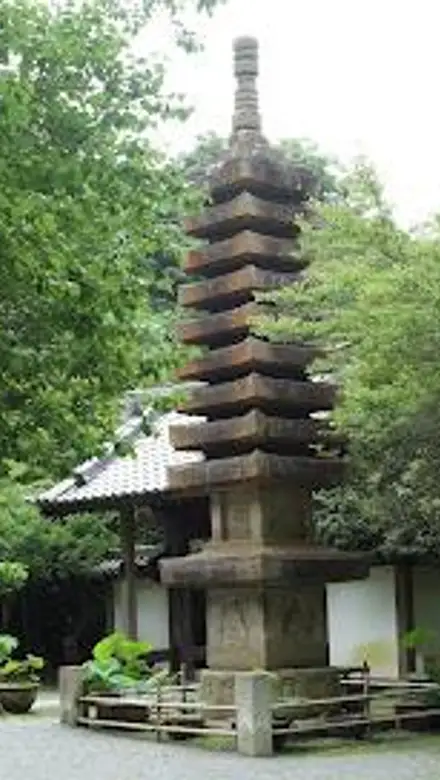
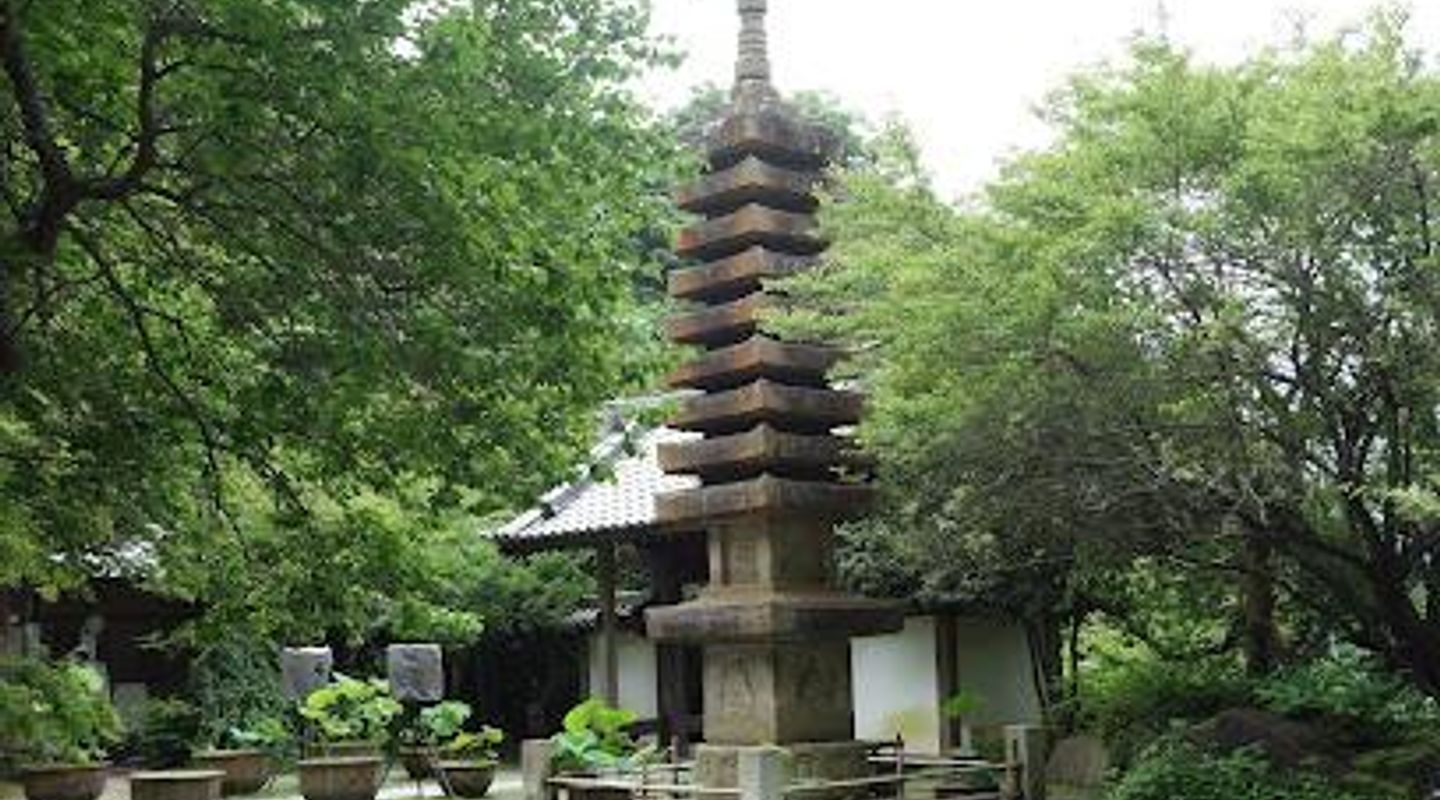
Kakuon-ji is a Shingon Buddhist temple nestled in the hills of Kamakura, Japan, offering a tranquil escape from the bustling city. Founded in 1296, it's known for its beautiful natural surroundings, historic statues, and guided tours that provide insight into Kamakura Buddhism.
A brief summary to Kakuon-ji
- 421 Nikaidō, Kamakura, Nikaidō, Kanagawa, 248-0002, JP
- Click to display
- Click to display
- Monday 10 am-4 pm
- Tuesday 10 am-4 pm
- Wednesday 10 am-4 pm
- Thursday 10 am-4 pm
- Friday 10 am-4 pm
- Saturday 10 am-4 pm
- Sunday 10 am-4 pm

Know before you go
Hi, I'm Eve. Here are a few practical things to know before exploring Kakuon-ji.
- Join the guided tour to access the Yakushi-do Hall and learn about the temple's history and Buddhist art; tours are conducted in Japanese.
- Note that photography is prohibited beyond the admission desk, especially inside the Yakushi-do Hall.
- Be aware that Kakuon-ji has specific closing dates, including August, April 27th, and December 20th to January 7th.
- Wear comfortable shoes for walking on the temple grounds and exploring the yagura caves.
Do you manage this location?
Take control to get all the benefits, like improved information, better appearance, and stronger visibility across AI-powered discovery. Learn more about listing your business on Evendo
Activate your presenceOther nearby places you may find interesting
The closest places of the same kind, if this one is not quite what you had in mind.

Explore Kakuon-ji on the Map
A handpicked selection of must-see spots near Kakuon-ji, mapped for you.
Unlock the Best of Kakuon-ji
Buy tickets
-
No tickets available
Book tours with entry


Book tours without entry
-
No tours available
Getting There
-
Public Transport
From JR Kamakura Station (East Exit, Bus Terminal No. 5), take the 鎌20 bus bound for Kamakura-gu (Daitonomiya). Get off at the last stop, Daitonomiya. From the Daitonomiya bus stop, it's a 10-minute walk to Kakuon-ji Temple. The bus ride takes approximately 8 minutes. A single bus fare is around ¥200-300.
-
Walking
From JR Kamakura Station, Kakuon-ji Temple is approximately a 30-minute walk. Head northeast from the station, following signs towards Kamakura-gu Shrine. Continue past the shrine, and you'll find Kakuon-ji Temple further along the path. Be prepared for a slightly uphill walk.
Discover more about Kakuon-ji













Your all‑in‑one travel companion app
Explore expert travel guides, compare and book tours, experiences, hotels, and more—all from the palm of your hand. Download now for seamless trip planning wherever your wanderlust takes you.


Explore More of Tajima
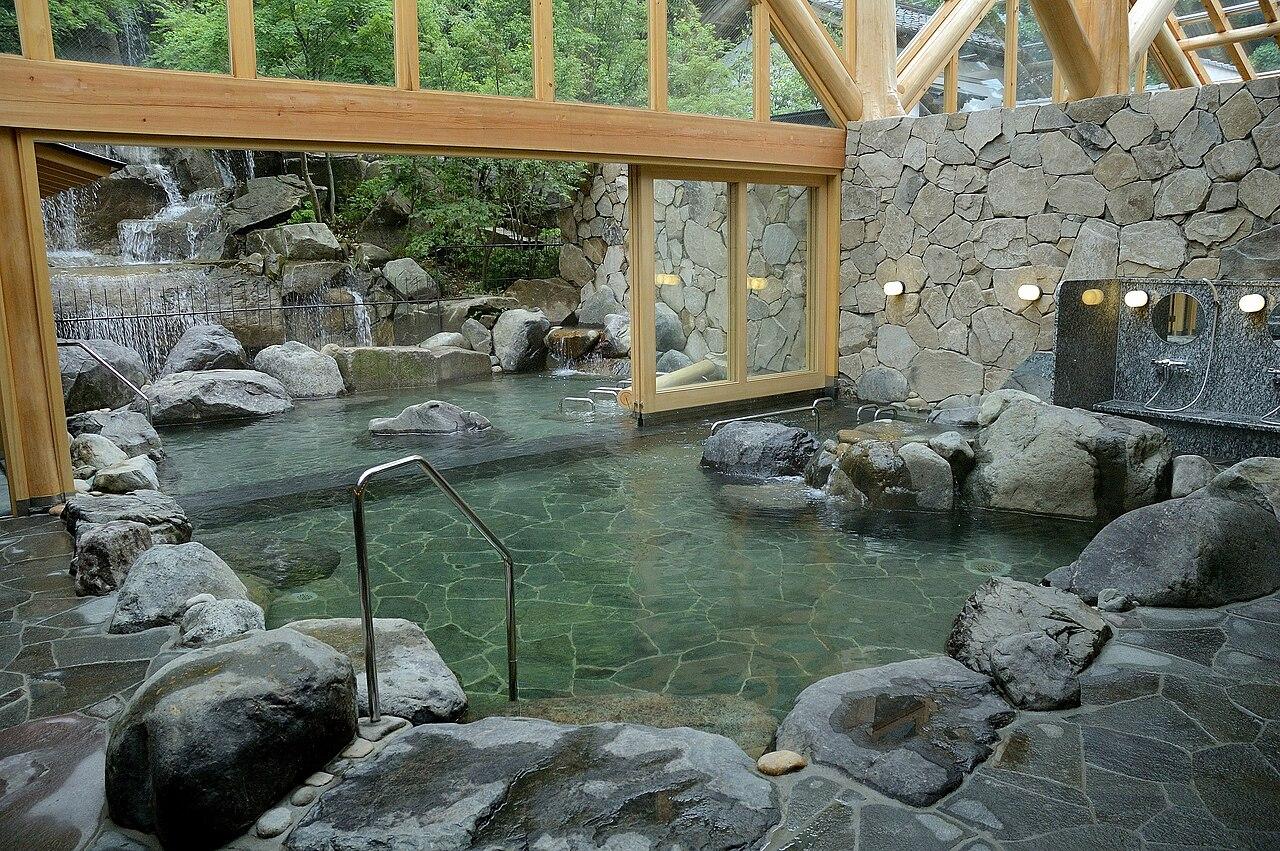
Looking beyond Kakuon-ji? Discover Tajima for broader travel guides, local hot-spots, and regional highlights.
Explore Tajima
Experience Kamakura's freshest flavors at Rembai, a historic farmers market offering seasonal produce and a taste of local tradition.
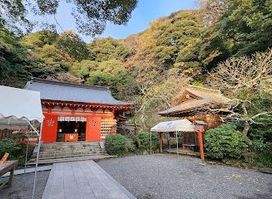
A historic Kamakura shrine dedicated to the deity of scholarship, featuring stunning architecture and a peaceful atmosphere for contemplation.