

Tajima Residence Travel Guide
Free Guide: Explore the historical Tajima Residence in Isesaki, a window into Japan's silk industry and innovative silkworm farming techniques.


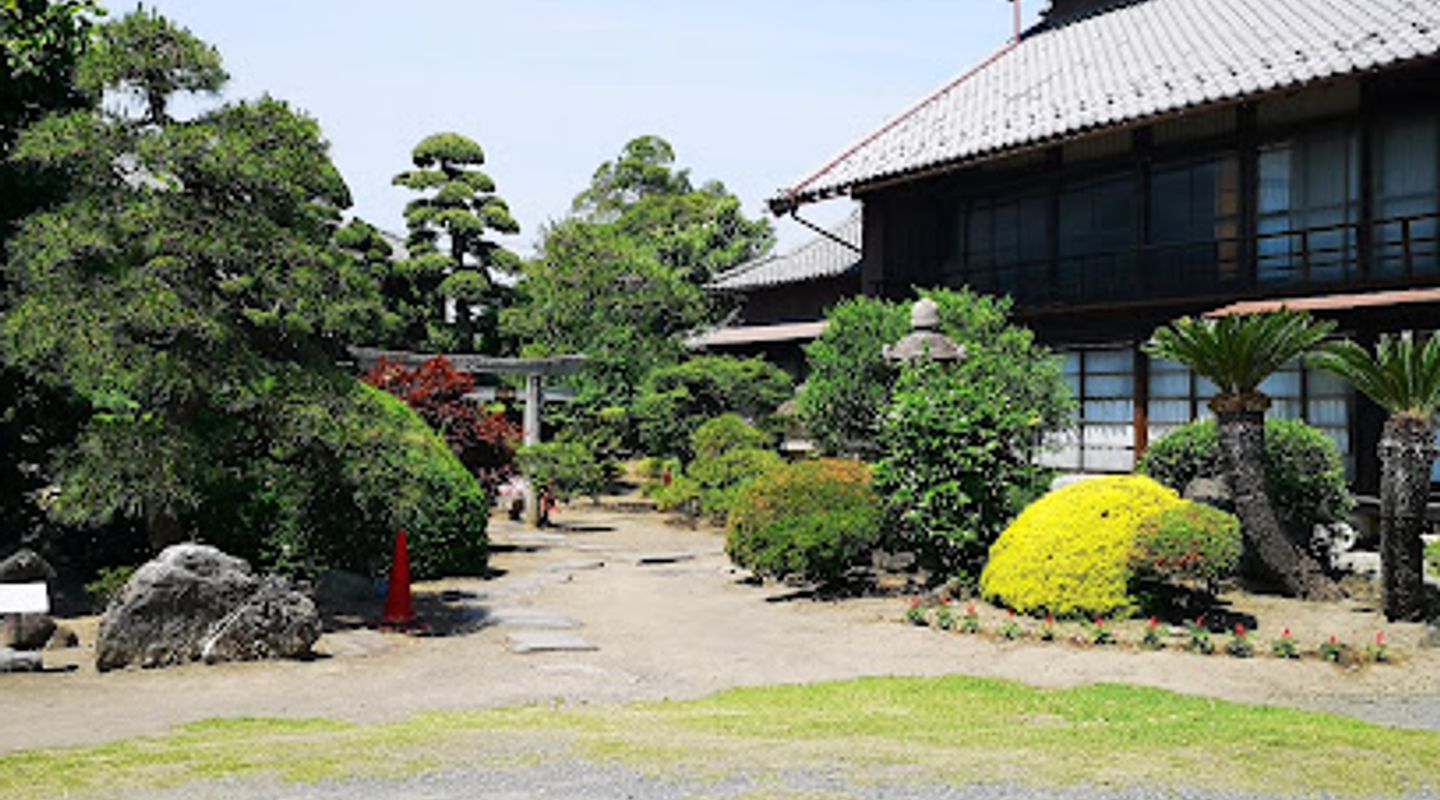
A brief summary of Tajima Residence
Explore the historical Tajima Residence in Isesaki, a window into Japan's silk industry and innovative silkworm farming techniques.
The Tajima Residence in Isesaki, Gunma, offers a fascinating look into Japan's silk industry. Built in 1863, the residence showcases the innovative architecture of Tajima Yahei, a pioneer in silkworm farming, and provides insight into the traditional methods of sericulture.
Opening hours
- Every day9 am–4 pm
Opening hours as listed on the venue’s Google Business Profile. Hours can change for services and special events, so check with the venue before you go.
- Address
- 2243 Sakaishimamura, Isesaki, Gunma 370-0134
- Phone
- Website
Getting there
Public Transport
Taxi
Driving
Discover more about Tajima Residence
Overview
The Tajima Residence provides a window into the world of Japanese silk production during the Meiji era. Built in 1863 by Tajima Yahei, the residence is a testament to his innovative approach to silkworm farming. Yahei developed a unique architectural addition called a 'yagura,' a raised roof with windows designed to control airflow, optimizing conditions for silkworm cultivation.The two-story structure served a dual purpose, with the family living area on the first floor and the second floor dedicated to sericulture. While the interior of the home is not open to the public, visitors can explore the grounds and a mulberry storage building. This building displays old farm tools and samples of silkworm cocoons, offering a tangible connection to the past.The Tajima Residence is part of the Tomioka Silk Mill and Related Sites, a UNESCO World Heritage Site. It stands as a reminder of the region's rich history as a silk-producing area and the ingenuity of those who contributed to the industry. The residence is still home to the seventh generation of Tajima's descendants.
Evendo Review Centre
 Google
Guest reviews
Explore Tajima Residence on the map
A handpicked selection of must-see spots near Tajima Residence, mapped for you.
Get your free copy of our complete guide to Tajima Residence, delivered straight to you.
Everything on this page, from opening hours and how to get there to Eve’s tips and the best time to go, in one PDF you can read offline, print or share.
Already have an account? Sign in
Your Tajima Residence guide is ready.
We'll send it to · Not you? Sign out

Getting your guide ready…
We are putting together a fresh copy of the Tajima Residence guide. This can take up to a minute.
This can take a few moments. If your browser asks, choose Allow so the download can start. You'll find the guide in your Downloads folder.
Nothing happened? Download it again
Sorry, the guide is taking longer than usual. Please try again in a minute, or get it by email instead.
Other nearby places you may find interesting
The closest places of the same kind, if this one is not quite what you had in mind.
-
-
-
-
-


Swipe for more places
More to explore near Tajima Residence

 Best experiences near Tajima Residence
 Best hotels near Tajima Residence
 Best landmarks near Tajima Residence
 Best attractions near Tajima Residence
 Best shops near Tajima Residence
 Best restaurants near Tajima Residence
 Best bars near Tajima Residence
Do you manage this location?
Take control to get all the benefits, like improved information, better appearance, and stronger visibility across AI-powered discovery.
Explore more
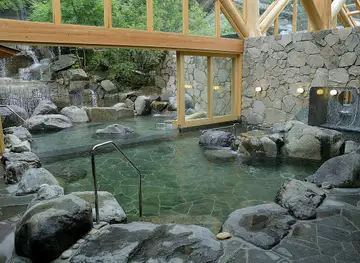
Explore more of Tajima
Discover Tajima: Japan's serene countryside with hot springs, scenic landscapes, and rich cultural heritage. Perfect for nature lovers and those seeking a peaceful retreat.
Explore Tajima
Explore more of Japan
Discover the harmony of tradition and modernity in Japan, where ancient temples and cutting-edge technology coexist in perfect balance.
Explore Japan
