

Free Saint John Travel Guide & Mobile App
Explore Saint John with free travel guides. Discover regional history, expert tips, proposed trips, and audio guides on web or mobile app.


Explore Saint John in Jersey for granite lanes, Bonne Nuit Bay, cliff-top walks, parish heritage and peaceful northern landscapes.
Read more about Saint John
When is the best time to visit Saint John?
Best: June–August · 23–26°C| Month | High (°C) | Rainfall (mm) |
|---|---|---|
| January | 1 | 70 |
| February | 1 | 63 |
| March | 6 | 72 |
| April | 11 | 75 |
| May | 18 | 79 |
| June (best) | 23 | 81 |
| July (best) | 26 | 77 |
| August (best) | 25 | 79 |
| September | 21 | 81 |
| October | 15 | 85 |
| November | 8 | 76 |
| December | 2 | 72 |
Getting to and around Saint John
How to get there
Transportation
Best attractions in Saint John
Saint John’s attractions centre on landscape, walking and parish heritage rather than a large collection of purpose-built visitor venues. Bonne Nuit Bay is the most recognisable coastal destination, with its small harbour, steep surroundings and access to northern shoreline walks. Paths and lanes around the parish reveal changing views of cliffs, rocky shelves, fields and granite walls, though some routes are demanding and require care. Saint John’s Parish Church provides a direct link with the island’s long-established ecclesiastical and civic structure, while the village and surrounding farmsteads offer examples of traditional granite architecture. The parish’s wartime remains form part of Jersey’s wider network of German Occupation structures, best approached as historical evidence rather than recreational ruins. Rural cycling, walking photography and quiet exploration are particularly suited to the area. Visitors seeking major museums, formal gardens or extensive family attractions will find a broader choice elsewhere in Jersey, but Saint John’s appeal lies in the relationship between its working countryside and exposed coast. Its compact scale makes it practical to combine with neighbouring northern parishes without losing the sense of Saint John as a separate rural landscape.
-
Maritime museum
Maritime Museum & Occupation Tapestry Gallery
Discover Jersey's maritime history and the impactful story of its occupation through engaging exhibits and stunning tapestries at the Maritime Museum.
-
Local history museum
La Hougue Bie Museum
Explore the fascinating history of Jersey at La Hougue Bie Museum, showcasing ancient artifacts and World War II heritage in a stunning setting.
-
Castle
Grosnez Castle
Discover Grosnez Castle, a serene historical landmark in Jersey, blending rich history with breathtaking natural beauty for an unforgettable experience.
-
History museum
Hamptonne Country Life Museum
Explore Jersey's rich agricultural history at Hamptonne Country Life Museum, where tradition meets charm in a picturesque setting.



Best landmarks in Saint John
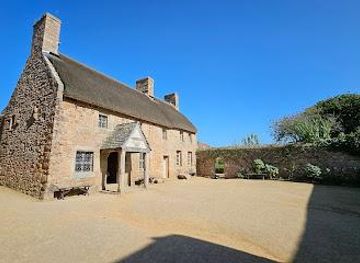
Bonne Nuit Bay is Saint John’s defining physical landmark, a narrow northern inlet where a small harbour sits beneath steep slopes and open Channel skies. Its setting illustrates the contrast between Jersey’s sheltered southern resorts and the more exposed, rugged character of the north. Saint John’s Parish Church is the parish’s principal architectural landmark and a visible expression of Jersey’s historic system of island parishes; its setting in the village connects religious, civic and community history. Across the surrounding countryside, granite farmhouses, boundary walls, gateposts and lanes form a less monumental but equally characteristic landscape of local stone and agricultural continuity. Wartime concrete remains along Jersey’s northern coastline provide another layer of visual and historical significance, linking the parish to the island’s occupation defences. These structures should be viewed with caution and respect, as some are unstable or situated near dangerous edges. Together, the bay, church, granite-built countryside and coastal military remnants give Saint John a sense of place that is more architectural and geographical than urban.
-
Tourist attraction
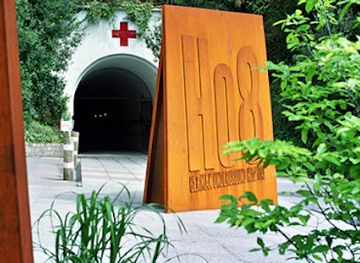
Jersey War Tunnels
Uncover the stories of Jersey's WWII history at the immersive Jersey War Tunnels, an engaging historical museum in a stunning valley setting.
-
Castle
Elizabeth Castle
Discover the historic charm of Elizabeth Castle in Jersey, a captivating fortress surrounded by stunning coastal views and rich heritage.
-
Beach
St Brelade's Bay
Discover the beauty of St Brelade's Bay, Jersey's premier beach destination, featuring golden sands, water sports, and rich history.
-
Hotel
The Merton Hotel
Experience comfort and leisure at The Merton Hotel in Jersey, where hospitality meets the beauty of the island.


Explore Saint John on the map
Plan your trip on one map. See where the top cities, national parks and sights are, and book hotels and experiences in a few clicks.
Best hotels in Saint John
Best restaurants in Saint John
Dining in Saint John is shaped by its rural setting and proximity to the sea. Options are more limited and dispersed than in Saint Helier, with food typically found in village establishments, country pubs, cafés and seasonal coastal outlets rather than a concentrated restaurant quarter. Jersey produce is central to the wider island’s food culture: look for local dairy products, cream, potatoes, vegetables, seafood and meat, alongside familiar British and French influences. Bonne Nuit Bay can be a scenic place for a simple meal or refreshment when facilities are operating, but opening arrangements can vary by season. Visitors staying in self-catering accommodation can make good use of island farm shops, food halls and markets outside the parish, then prepare Jersey produce themselves. Formal dining is more readily available in Saint Helier and larger settlements, while Saint John suits relaxed meals planned around a walk or coastal outing. Advance checking is sensible for evening dining, especially outside the main tourist season.
-
Restaurant
El Tico
Experience coastal dining at its finest at El Tico in Jersey – where every meal comes with stunning sea views.
-
Fast Food
The Hungry Man
Experience delicious fast food at The Hungry Man in Jersey – a local favorite known for its friendly service and mouthwatering meals.
-
Restaurant
Quayside Bistro & Grill
Experience fresh seafood and local cuisine at Quayside Bistro & Grill in St Helier – where delicious meals meet breathtaking waterfront views.
-
Restaurant
The Priory Inn Devils Hole
Discover culinary delights at The Priory Inn, Jersey's favorite restaurant-bar offering seasonal dishes and local brews in a welcoming atmosphere.


Best bars in Saint John
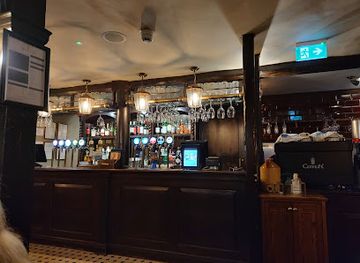
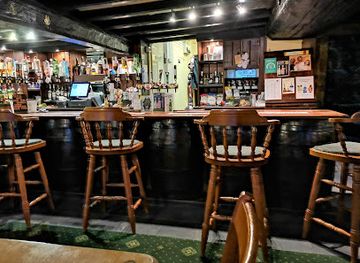
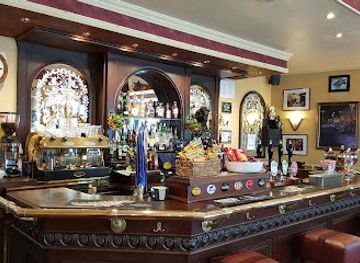
Saint John does not have a concentrated nightclub scene, and evenings are generally quieter than those in Saint Helier. The local social pattern centres on pubs, village establishments and dining venues where conversation, food and community life matter more than late-night entertainment. Seasonal activity may increase around the coast, but visitors should not assume that a rural venue offers late opening or regular live music. Saint Helier, outside the parish, provides Jersey’s broadest choice of cocktail bars, pubs, live entertainment and nightclubs and is reachable by bus, taxi or car, subject to the service available at the time. In Saint John itself, plan evening outings around known dining arrangements and return transport, particularly if staying near the northern coast. Responsible drinking, consideration for residents and quiet driving on narrow lanes are especially important in a small rural community.
-
Pub
The Cock & Bottle
Discover the charm of The Cock & Bottle, a historic pub in Jersey's Royal Square offering delicious local cuisine and a vibrant atmosphere.
-
Restaurant
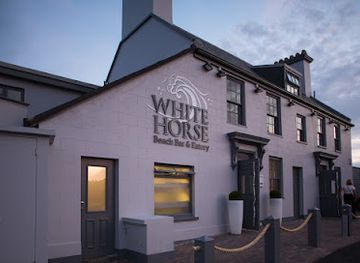
White Horse Pub & Dining
Experience Jersey's culinary charm at White Horse Pub & Dining, a perfect fusion of traditional and modern dining in a cozy atmosphere.
-
Bar
The Priory Inn Devils Hole
Experience the perfect blend of local cuisine and vibrant bar atmosphere at The Priory Inn, a must-visit spot in Jersey.
-
Live music bar
Blue Note Bar
Immerse yourself in the vibrant atmosphere of Blue Note Bar, the premier live music venue in St Helier, Jersey, where every night is a new experience.
Best nightclubs in Saint John
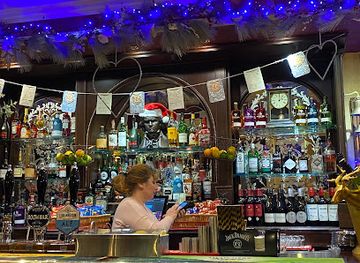
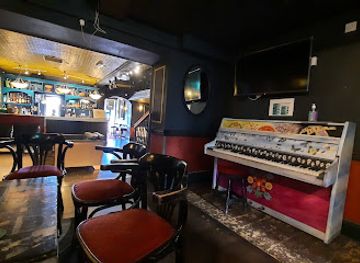
Saint John does not have a concentrated nightclub scene, and evenings are generally quieter than those in Saint Helier. The local social pattern centres on pubs, village establishments and dining venues where conversation, food and community life matter more than late-night entertainment. Seasonal activity may increase around the coast, but visitors should not assume that a rural venue offers late opening or regular live music. Saint Helier, outside the parish, provides Jersey’s broadest choice of cocktail bars, pubs, live entertainment and nightclubs and is reachable by bus, taxi or car, subject to the service available at the time. In Saint John itself, plan evening outings around known dining arrangements and return transport, particularly if staying near the northern coast. Responsible drinking, consideration for residents and quiet driving on narrow lanes are especially important in a small rural community.
-
Live music bar
Blue Note Bar
Discover the lively Blue Note Bar in St. Helier, Jersey - a premier live music venue with a relaxed pub vibe and a vibrant atmosphere.
-
British
St John's Inn
Experience the essence of British cuisine at St John's Inn, a cozy restaurant in Jersey offering delightful local dishes and a warm atmosphere.
-
Bar
The Troubadour
Discover the vibrant atmosphere and local music scene at The Troubadour, a lively bar in St Helier, Jersey, perfect for unwinding after a day of exploration.
-
Pub
The Trafalgar Inn - Live Music and Sports Pub in St Aubin, Jersey
Discover the vibrant atmosphere of The Trafalgar Inn in St Aubin, Jersey, where live music and sports come together for an unforgettable experience.


Best shops in Saint John
Shopping in Saint John is limited and local in character, with the parish’s main interest lying in the opportunity to buy Jersey produce rather than browse a large retail centre. Farm shops and rural food outlets across the island may offer Jersey dairy products, potatoes, vegetables, preserves, baked goods and other practical souvenirs, while small village businesses provide everyday essentials. For greater choice, visitors can travel to Saint Helier, outside the parish, for department-style retail, independent shops, galleries, books, clothing and a wider range of food markets. Crafts and gifts associated with Jersey, including ceramics, textiles, local artwork and packaged produce, are usually easier to find in the island’s principal shopping areas than in Saint John itself. Seasonal coastal kiosks and small rural outlets may operate differently during the year, so visitors should not rely on them for last-minute purchases. Buying from established local producers is a useful way to take home a tangible connection with the island’s agricultural and maritime character.
-
Gift shop
Jersey Market
Explore Jersey Market: A vibrant blend of local crafts, fresh produce, and unique gifts in the heart of St Helier.
-
Tourist attraction
Jersey Pearl
Explore the artistry of pearl jewelry and indulge in delightful café experiences at Jersey Pearl, a cultural gem in the heart of Jersey.
-
Shopping mall
Liberty Wharf Shopping Centre
Experience the heart of St Helier at Liberty Wharf Shopping Centre, a vibrant hub for shopping, dining, and entertainment in Jersey.
-
Department store
Voisins
Explore Voisins, a premier department store in St Helier, Jersey, offering an array of local and international shopping delights.


Get your free copy of our complete guide to Saint John, delivered straight to you.
Everything on this page, from attractions and restaurants to essentials and local phrases, in one PDF you can read offline, print or share.
Already have an account? Sign in
Your Saint John guide is ready.
We'll send it to · Not you? Sign out

Getting your guide ready…
We are putting together a fresh copy of the Saint John guide. This can take up to a minute.
This can take a few moments. If your browser asks, choose Allow so the download can start. You'll find the guide in your Downloads folder.
Nothing happened? Download it again
Sorry, the guide is taking longer than usual. Please try again in a minute, or get it by email instead.
Saint John essentials
Currency and Payment
Safety
Emergency Situations
Do's and Don'ts
Local Tips
From Eve
Local phrases worth knowing
You don't need to get them perfect. A few words go a long way, and locals appreciate the effort.
Basics
| English | Local | Say it |
|---|---|---|
| Hello | Hiya | [hee-yah] |
| Goodbye | Bye for now | [bye fer now] |
| Yes | Yeah | [yeh] |
| No | Nope | [nohp] |
| Please/You're welcome | Sure thing | [shur thing] |
| Thank you | Thanks a lot | [thangs a lot] |
| Excuse me/Sorry | Pardon me | [pardon me] |
| How are you? | How ya doin'? | [how yah doin'?] |
| Fine. And you? | Good. And you? | [good. an' you?] |
| Do you speak English? | You speakin' English? | [yoo speekin' English?] |
| I don't understand | I ain't gettin' it | [I ain't gettin' it] |
Eating & Drinking
| English | Local | Say it |
|---|---|---|
| I'd like to see the menu, please | Can I see the menu, please? | [can I see the menu, pleeze?] |
| I don't eat meat | I don't do meat | [I don't do meat] |
| Cheers! | Cheers! | [cheers!] |
| I would like to pay, please | Can I get the bill, please? | [can I get the bill, pleeze?] |
Emergencies
| English | Local | Say it |
|---|---|---|
| Help! | Help! | [help!] |
| Go away! | Leave me alone! | [leave me alone!] |
| Call the Police! | Call the cops! | [call the cops!] |
| Call a doctor! | Get a doctor! | [get a doctor!] |
| I'm lost | I'm turned around | [I'm turned around] |
| I'm ill | I'm not feelin' well | [I'm not feelin' well] |
Shopping
| English | Local | Say it |
|---|---|---|
| I'd like to buy... | I'm lookin' to buy... | [I'm lookin' to buy...] |
| I'm just looking | Just browsing | [just browsing] |
| How much is it? | What’s the price? | [what's the price?] |
| That's too expensive | That's a bit pricey | [that's a bit pricey] |
| Can you lower the price? | Can you cut the price? | [can you cut the price?] |
Time & Numbers
| English | Local | Say it |
|---|---|---|
| What time is it? | What's the time? | [what's the time?] |
| It's one o'clock | It's one | [it's one] |
| Half past (10) | Half past ten | [half past ten] |
| Morning | Morning | [morning] |
| Afternoon | Afternoon | [afternoon] |
| Evening | Evening | [evening] |
| Yesterday | Yesterday | [yesterday] |
| Today | Today | [today] |
| Tomorrow | Tomorrow | [tomorrow] |
| 1 | One | [one] |
| 2 | Two | [two] |
| 3 | Three | [three] |
| 4 | Four | [four] |
| 5 | Five | [five] |
| 6 | Six | [six] |
| 7 | Seven | [seven] |
| 8 | Eight | [eight] |
| 9 | Nine | [nine] |
| 10 | Ten | [ten] |
Transport & Directions
| English | Local | Say it |
|---|---|---|
| Where's a/the...? | Where's the...? | [where's the...?] |
| What's the address? | What's the address? | [what's the address?] |
| Can you show me (on the map)? | Can you point it out? | [can you point it out?] |
| When's the next (bus)? | When's the next bus? | [when's the next bus?] |
| A ticket (to ....) | A ticket to... | [a ticket to...] |
History of Saint John
Prehistoric Jersey and the Northern Landscape
Jersey’s earliest inhabitants used the island during periods when changing sea levels connected it more closely to the European mainland. Prehistoric communities later established farming settlements and ceremonial sites across the island, leaving behind burial monuments, tools and traces of managed landscapes. Saint John does not contain Jersey’s best-known prehistoric monument, La Hougue Bie, but its fields, coastal heights and granite geology belong to the same long human story. The parish’s lanes and agricultural boundaries are relatively recent compared with these earlier occupations, yet they preserve a landscape repeatedly adapted to farming, settlement and movement.
From Norman Rule to the Parish System
In 933, Jersey became part of the Norman sphere after the Channel Islands were attached to the Duchy of Normandy. Following the Norman Conquest of England in 1066, the islands remained linked to the English Crown while retaining their own institutions and customary law. The parish of Saint John developed within this distinctive Anglo-Norman framework. Its parish church, village focus and network of country roads reflect a settlement pattern that differs from the more centralised urban structure familiar in many parts of Europe. Parish identity remains an important feature of Jersey’s civic and cultural life.
Medieval Agriculture and Coastal Defence
During the medieval period, Saint John was primarily an agricultural parish, with holdings shaped by the island’s limited land, granite soils and exposure to Atlantic weather. The coast also had strategic importance: Jersey’s proximity to Normandy made raids and invasion a recurring concern, while local communities depended on coves and tracks for movement and small-scale maritime activity. The parish church and surviving historic farms belong to a broader medieval and early modern landscape in which religion, agriculture and defence were closely connected. Granite became both a practical building material and a defining visual element.
Jersey’s Strategic Position in the Early Modern Era
From the sixteenth century onwards, Jersey’s position between Britain and France gave it considerable military and commercial significance. Religious change during the Reformation altered parish life, while successive conflicts encouraged the construction and improvement of coastal defences across the island. Saint John’s northern shore formed part of this exposed maritime frontier, even though the greatest concentrations of fortifications lie elsewhere. Farming continued to dominate the parish economy, but the coast was never far removed from the international rivalries that shaped Jersey’s history.
Agriculture, Granite and Island Modernisation
Jersey’s rural economy changed substantially during the eighteenth and nineteenth centuries. Improved communications, expanding trade and the development of commercial agriculture helped connect parishes such as Saint John with markets beyond the island. Jersey’s famous agricultural industries, including dairy farming and the cultivation of early produce, were supported by careful husbandry and a mild maritime climate. Granite quarrying and building also influenced the island’s appearance, supplying material for houses, walls, churches and roads. Saint John retained its agricultural character while becoming more accessible through improved island transport.
The German Occupation, 1940–1945
German forces occupied Jersey from 1940 until the island’s liberation in May 1945. The occupation brought military construction, restrictions, forced labour and disruption to civilian life. Coastal areas, including the north of the island, were incorporated into an extensive defensive system of bunkers, observation posts and other works associated with the Atlantic Wall. The surviving concrete structures are reminders of occupation rather than decorative monuments, and they should be interpreted alongside the experiences of islanders and forced workers. This period remains one of the most important chapters in modern Jersey history.
Saint John in Contemporary Jersey
After liberation, Saint John remained one of Jersey’s more rural parishes, although improved roads, private motoring and island-wide development brought the countryside closer to Saint Helier and other urban areas. Agriculture continues to shape the landscape, while tourism has added walking, scenery and heritage to the parish’s economic role. Contemporary Saint John combines a functioning local community with a coastline valued for recreation and conservation. Its identity is therefore not simply historic: it is a living parish where farming, residential life, coastal management and visitor access coexist.
Saint John in Photos
Browse through our photo collection highlighting the charm and character of the destination.
Neighbouring regions of Saint John
The closest regions to Saint John, if you have time for more than one.
-

-

-

-

-


Swipe for more regions
Explore more

Explore more of Jersey
Discover the charm of Jersey, the largest Channel Island, with its stunning landscapes, rich history, and a delightful blend of British and French cultures.
Explore Jersey