

Free Saint Brélade Travel Guide & Mobile App
Explore Saint Brélade with free travel guides. Discover regional history, expert tips, proposed trips, and audio guides on web or mobile app.


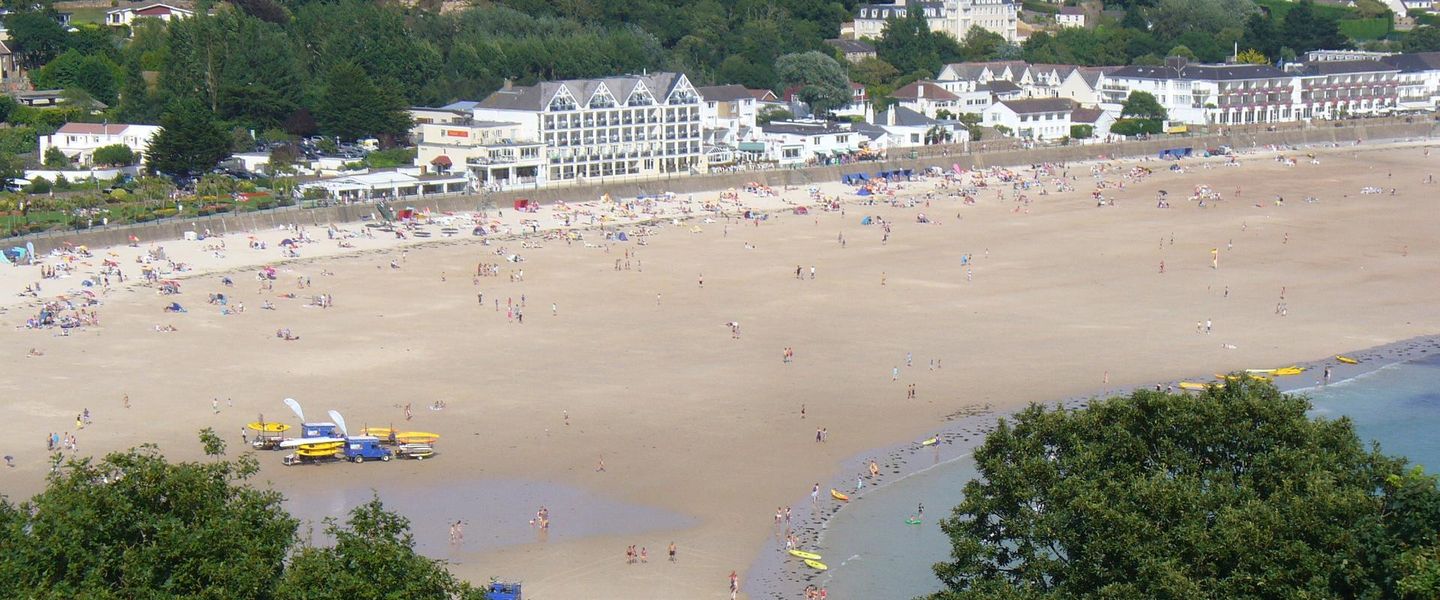


Explore Saint Brélade in Jersey for sandy bays, St Aubin harbour, La Corbière Lighthouse, coastal walks and deep island history.
Read more about Saint Brélade
When is the best time to visit Saint Brélade?
Best: June–August · 19–21°C| Month | High (°C) | Rainfall (mm) |
|---|---|---|
| January | 8 | 90 |
| February | 8 | 70 |
| March | 10 | 60 |
| April | 12 | 50 |
| May | 16 | 50 |
| June (best) | 19 | 40 |
| July (best) | 21 | 40 |
| August (best) | 21 | 50 |
| September | 19 | 60 |
| October | 15 | 70 |
| November | 12 | 80 |
| December | 9 | 100 |
Getting to and around Saint Brélade
How to get there
Transportation
Top city travel guides in Saint Brélade
The cities of Saint Brélade, and the easiest places to base yourself.
-

-
-


Swipe for more cities
Destinations in Saint Brélade
Resorts, valleys and scenic spots worth a trip of their own.
-

-

-


Swipe for more destinations
Best attractions in Saint Brélade
Saint Brélade’s attractions are shaped by its coastline and by the way historic sites sit within a working parish landscape. The beaches at St Brélade’s Bay, Ouaisné and Portelet provide opportunities for swimming, paddling and shore walks, while the cliffs and headlands around the south-west offer wider Channel views and more demanding coastal walking. St Aubin contributes a different experience: its harbour, steep streets, galleries, cafés and historic buildings reward slow exploration. La Corbière combines a maritime landmark with a tidal walking route, though access must be planned carefully. Visitors interested in history can see the parish church, Fisherman’s Chapel and surviving German Occupation structures, while La Cotte de St Brelade provides archaeological importance rather than a conventional open attraction. Rural lanes, fields and granite farmhouses add to the character inland, and the parish’s compact scale makes it possible to combine a beach, a heritage site and a harbour town in one day without treating the whole area as a single resort.
-
Beach
St Brelade's Bay
Explore the beauty of St Brelade's Bay in Jersey, where golden sands meet stunning cliffs for an unforgettable beach experience.
-
Maritime museum
Maritime Museum & Occupation Tapestry Gallery
Explore Jersey's maritime history and the poignant Occupation Tapestry at the Maritime Museum & Occupation Tapestry Gallery, a captivating tourist attraction.
-
Local history museum
La Hougue Bie Museum
Discover the Neolithic burial mound and explore Jersey's captivating history at La Hougue Bie Museum.
-
Castle
Grosnez Castle
Discover the historic beauty of Grosnez Castle in Jersey, where medieval architecture and stunning coastal views create a memorable experience.


Best landmarks in Saint Brélade
La Corbière Lighthouse is Saint Brélade’s defining maritime landmark, standing on a reef at the island’s south-western tip and connected to the shore by a tidal causeway. Its position makes it visually striking but also demands strict attention to tide times. St Aubin Harbour and its surrounding granite streets form another important landmark group, preserving the scale and character of a historic Jersey port. St Brélade’s Church represents the parish’s medieval religious history, while the adjoining Fisherman’s Chapel is notable for its small scale, coastal setting and historic association with local seafaring communities. La Cotte de St Brelade is a landmark of archaeological rather than architectural significance: its cave preserves evidence of Neanderthal occupation and places the parish within a much older human story. Along the coast, German fortifications and observation structures recall Jersey’s wartime Occupation, while the bays, reefs and granite cliffs remain geographical landmarks in their own right. Together these places show how Saint Brélade’s identity has been shaped by faith, navigation, defence, settlement and the sea.
-
Castle
Mont Orgueil Castle
Discover the historic Mont Orgueil Castle in Jersey, a stunning fortress with breathtaking views and rich heritage waiting to be explored.
-
Castle
Elizabeth Castle
Discover the rich history and stunning views at Elizabeth Castle, a must-visit attraction in Jersey's St Aubin's Bay, perfect for history lovers and families.
-
Beach
St Brelade's Bay
Discover the mesmerizing beauty of St Brelade's Bay, Jersey's premier beach destination with golden sands, clear waters, and stunning coastal landscapes.
-
Botanical garden
The Botanic Gardens at Samarès Manor
Experience the beauty of nature at The Botanic Gardens at Samarès Manor, a stunning botanical garden offering tranquility, education, and delightful refreshments.


Explore Saint Brélade on the map
Plan your trip on one map. See where the top cities, national parks and sights are, and book hotels and experiences in a few clicks.
Best hotels in Saint Brélade
Best restaurants in Saint Brélade
Dining in Saint Brélade ranges from harbour-side and seafront cafés to pubs, hotel restaurants and more formal establishments around St Aubin and the main coastal roads. Menus commonly draw on Jersey’s island larder: locally produced dairy, Jersey Royal potatoes when in season, seafood, shellfish, meat, vegetables and carefully made breads and cakes. The parish’s coastal position makes fish and shellfish a natural feature, although availability changes with landings and season. St Aubin is the most concentrated area for eating out, with a choice of casual meals and longer dinners near the waterfront, while rural parts of the parish are better suited to planned visits to inns or farm-oriented food businesses. Jersey’s British and French influences can both be seen in restaurant cooking, but visitors should distinguish island produce from dishes that belong to the wider Channel Islands or British tradition. Booking is sensible at busy times, particularly during summer and around popular coastal locations.
-
Restaurant
El Tico
Experience exquisite cuisine and breathtaking coastal views at El Tico in Jersey - where every meal is a scenic delight.
-
Family-friendly
The Portelet Inn - Randalls Pubs
Discover family-friendly dining at The Portelet Inn in Jersey - where great food meets stunning coastal views for an unforgettable experience.
-
Restaurant
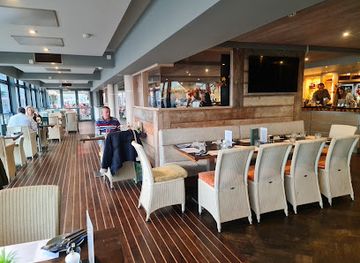
The Boat House
Discover delicious cuisine and stunning waterfront views at The Boat House in St Aubin, Jersey - perfect for dining and celebrations.
-
Pub
Old Smugglers Inn
Discover the charm of Jersey at Old Smugglers Inn - where history meets culinary delight in a cozy pub atmosphere.


Best bars in Saint Brélade
Saint Brélade’s evening life is centred on pubs, hotel bars, restaurants and the waterfront atmosphere of St Aubin rather than on a large nightclub scene. Historic harbour surroundings make the village suitable for a relaxed drink after a coastal walk, while local pubs provide food, conversation and occasional live entertainment. Some establishments serve Jersey beers, ciders, spirits and wines alongside familiar British drinks, though availability and programming change. The parish is quieter after the main daytime beach hours, and visitors seeking a broader choice of late-night entertainment generally travel to Saint Helier, outside Saint Brélade, by bus or taxi. Coastal walks after dark require care because lighting is limited, cliffs are unprotected and tidal routes can become hazardous. Evening dining, a harbour stroll in well-lit areas and a drink in a local pub are more representative of Saint Brélade’s nightlife than a dedicated club circuit.
-
Family-friendly
The Portelet Inn - Randalls Pubs
Discover the charm of The Portelet Inn, a family-friendly pub in Jersey offering delicious meals, local flavors, and stunning coastal views.
-
Bar
The Boat House
Discover the charm of The Boat House in St Aubin, where stunning views meet delicious seafood and a vibrant atmosphere for every occasion.
-
Restaurant
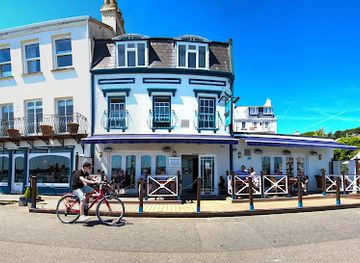
The Tenby - Randalls Pubs
Discover The Tenby, a charming pub in St Aubin, perfect for savoring local ales and delicious meals amidst stunning coastal views.
-
Restaurant
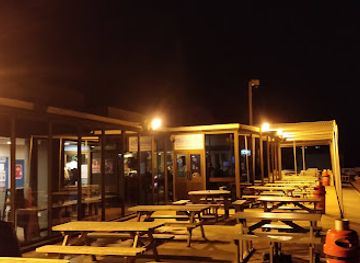
Watersplash Beach Bar & Diner
Discover the perfect blend of coastal charm and delectable cuisine at Watersplash Beach Bar & Diner in Jersey.

Best nightclubs in Saint Brélade
Saint Brélade’s evening life is centred on pubs, hotel bars, restaurants and the waterfront atmosphere of St Aubin rather than on a large nightclub scene. Historic harbour surroundings make the village suitable for a relaxed drink after a coastal walk, while local pubs provide food, conversation and occasional live entertainment. Some establishments serve Jersey beers, ciders, spirits and wines alongside familiar British drinks, though availability and programming change. The parish is quieter after the main daytime beach hours, and visitors seeking a broader choice of late-night entertainment generally travel to Saint Helier, outside Saint Brélade, by bus or taxi. Coastal walks after dark require care because lighting is limited, cliffs are unprotected and tidal routes can become hazardous. Evening dining, a harbour stroll in well-lit areas and a drink in a local pub are more representative of Saint Brélade’s nightlife than a dedicated club circuit.
-
Live music bar
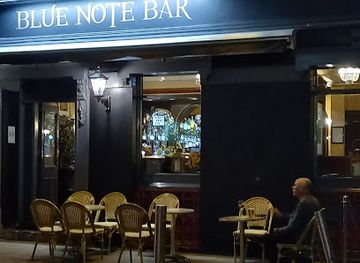
Blue Note Bar
Enjoy live music and a friendly atmosphere at Blue Note Bar in St Helier, Jersey - the perfect place for great drinks and unforgettable experiences.
-
Bar
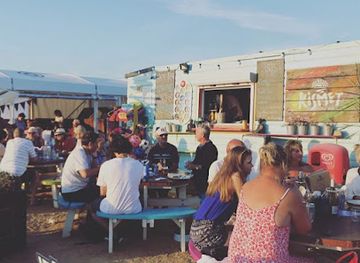
Kismet Cabana - Beach Club, Cafe & Restaurant
Kismet Cabana: A charming beach club in Jersey offering delicious food, ice cream, and a perfect seaside atmosphere for relaxation and fun.
-
Restaurant
Tides Restaurant & Voyager Lounge Bar
Experience exquisite modern British dining at Tides Restaurant & Voyager Lounge Bar, where stunning coastal views and exceptional service await.
-
Restaurant
The Beach Club
Discover the taste of Jersey at The Beach Club, where fresh seafood and stunning ocean views create an unforgettable dining experience.


Best shops in Saint Brélade
Shopping in Saint Brélade is concentrated in St Aubin, where independent shops, galleries, cafés and small outlets occupy the harbour and adjoining streets. The selection is suited to browsing rather than major retail expeditions, with local art, books, gifts, crafts and island-made food products more characteristic than large shopping centres. Visitors may find Jersey produce, dairy-based goods, preserves, confectionery, pottery or other locally designed items, although individual stock and opening arrangements change. Farm shops and seasonal stalls in the wider parish can provide a direct connection with Jersey’s agricultural character, particularly during the island’s growing season. Those seeking extensive high-street shopping should travel to Saint Helier, outside Saint Brélade, while St Aubin is better for a slower circuit of independent businesses and harbour-side browsing. Check transport and payment arrangements when visiting smaller rural outlets, and remember that Jersey notes may be difficult to spend outside the island.
-
Gift shop
Jersey Market
Experience the vibrant culture and unique offerings at Jersey Market, a delightful hub for gifts, crafts, and fresh local produce in St. Helier.
-
Supermarket
Waitrose & Partners
Discover the gourmet delights and fresh produce at Waitrose & Partners, a premier supermarket experience in Red Houses, Jersey.
-
Shopping mall
Liberty Wharf Shopping Centre
Discover the vibrant Liberty Wharf Shopping Centre in St Helier, Jersey - your ultimate destination for shopping, dining, and entertainment.
-
Gift shop
Jersey Lavender Ltd
Explore the enchanting Jersey Lavender Ltd, where stunning lavender fields meet delightful café treats and unique gift shop treasures.



Get your free copy of our complete guide to Saint Brélade, delivered straight to you.
Everything on this page, from attractions and restaurants to essentials and local phrases, in one PDF you can read offline, print or share.
Already have an account? Sign in
Your Saint Brélade guide is ready.
We'll send it to · Not you? Sign out

Getting your guide ready…
We are putting together a fresh copy of the Saint Brélade guide. This can take up to a minute.
This can take a few moments. If your browser asks, choose Allow so the download can start. You'll find the guide in your Downloads folder.
Nothing happened? Download it again
Sorry, the guide is taking longer than usual. Please try again in a minute, or get it by email instead.
Saint Brélade essentials
Currency and Payment
Safety
Emergency Situations
Do's and Don'ts
Local Tips
From Eve
Local phrases worth knowing
You don't need to get them perfect. A few words go a long way, and locals appreciate the effort.
Basics
| English | Local | Say it |
|---|---|---|
| Hello | Bonjour | [bawn-zhoor] |
| Goodbye | Au revoir | [oh ruh-vwahr] |
| Yes | Oui | [wee] |
| No | Non | [noh] |
| Please/You're welcome | S'il vous plaît / De rien | [seel voo pleh / duh ree-ehn] |
| Thank you | Merci | [mehr-see] |
| Excuse me/Sorry | Excusez-moi / Désolé | [ehk-skew-zay mwah / day-zoh-lay] |
| How are you? | Comment ça va? | [koh-mohn sah vah] |
| Fine. And you? | Bien. Et vous? | [byehn. eh voo] |
| Do you speak English? | Parlez-vous anglais? | [par-lay voo ahn-glay] |
| I don't understand | Je ne comprends pas | [zhuh nuh kohm-prahn pah] |
Eating & Drinking
| English | Local | Say it |
|---|---|---|
| I'd like to see the menu, please | Je voudrais voir le menu, s'il vous plaît | [zhuh voo-dray vwah leuh meh-nu, seel voo pleh] |
| I don't eat meat | Je ne mange pas de viande | [zhuh nuh mahnj pah duh vyahnd] |
| Cheers! | Santé! | [sahn-tay] |
| I would like to pay, please | Je voudrais payer, s'il vous plaît | [zhuh voo-dray pay-ay, seel voo pleh] |
Emergencies
| English | Local | Say it |
|---|---|---|
| Help! | Au secours! | [oh se-kour] |
| Go away! | Allez-vous en! | [ah-lay voo zahn] |
| Call the Police! | Appelez la police! | [ah-peh-lay lah poh-lees] |
| Call a doctor! | Appelez un médecin! | [ah-peh-lay uhn meh-deh-sin] |
| I'm lost | Je suis perdu | [zhuh swee pehr-due] |
| I'm ill | Je suis malade | [zhuh swee mah-lahd] |
Shopping
| English | Local | Say it |
|---|---|---|
| I'd like to buy... | Je voudrais acheter... | [zhuh voo-dray ah-sheh-tay] |
| I'm just looking | Je regarde juste | [zhuh ruh-gard zhoost] |
| How much is it? | C'est combien? | [seh kohm-byen] |
| That's too expensive | C'est trop cher | [seh troh shair] |
| Can you lower the price? | Pouvez-vous baisser le prix? | [poo-vay voo beh-say leuh pree] |
Time & Numbers
| English | Local | Say it |
|---|---|---|
| What time is it? | Quelle heure est-il? | [kel uhr eh-teel] |
| It's one o'clock | Il est une heure | [eel eh ewn uhr] |
| Half past (10) | Dix et demi | [deez eh duh-mee] |
| Morning | Matin | [mah-tahn] |
| Afternoon | Après-midi | [ah-pray mee-dee] |
| Evening | Soir | [swahr] |
| Yesterday | Hier | [ee-ehr] |
| Today | Aujourd'hui | [oh-zhoor-dwee] |
| Tomorrow | Demain | [duh-mehn] |
| 1 | Un | [uhn] |
| 2 | Deux | [duhr] |
| 3 | Trois | [twa] |
| 4 | Quatre | [katr] |
| 5 | Cinq | [sank] |
| 6 | Six | [sees] |
| 7 | Sept | [seht] |
| 8 | Huit | [weet] |
| 9 | Neuf | [nuhf] |
| 10 | Dix | [deez] |
Transport & Directions
| English | Local | Say it |
|---|---|---|
| Where's a/the...? | Où est le/la...? | [oo eh leuh/lah] |
| What's the address? | Quelle est l'adresse? | [kel eh luh-dress] |
| Can you show me (on the map)? | Pouvez-vous me montrer (sur la carte)? | [poo-vay voo muh mohn-tray (soor lah kart)] |
| When's the next (bus)? | Quand est le prochain (bus)? | [kahn eh luh proh-shen] |
| A ticket (to ....) | Un billet (pour....) | [uhn bee-yay (poor....)] |
History of Saint Brélade
Neanderthal Occupation at La Cotte de St Brelade
La Cotte de St Brelade, a sea cave in the parish’s south-western cliffs, contains archaeological evidence of repeated Neanderthal occupation during the Palaeolithic period. Stone tools and animal remains have made the site important to the study of human activity in the Channel Islands and north-west Europe. At times of lower sea level, Jersey was connected to parts of the European mainland, helping explain how people and animals reached the area. The cave is a protected archaeological site and is not presented as an ordinary walk-in visitor attraction.
The Formation of the Parish Landscape
Saint Brélade developed within Jersey’s medieval parish system, whose boundaries and churches helped organise religious, agricultural and community life. The parish church, dedicated to Saint Brélade, occupies a site associated with medieval worship, while the smaller Fisherman’s Chapel preserves a particularly close relationship with the coast and local maritime communities. Granite buildings, enclosed fields and winding lanes reflect centuries of farming, quarrying, fishing and trade. The parish’s landscape therefore combines a long rural history with the commercial importance of St Aubin harbour.
St Aubin’s Maritime and Trading Development
St Aubin grew as a harbour settlement on the sheltered western side of St Aubin’s Bay. Its prosperity was connected with fishing, coastal trade, shipbuilding and Jersey’s wider maritime economy, including privateering in the early modern period. The harbour’s buildings and steep approach roads retain the form of a historic port village, even though modern tourism and leisure now play a prominent role. St Aubin’s position also made it an important point of connection between the parish, the bay and Jersey’s capital at St Helier.
The Jersey Railway and the Western Coast
The Jersey Railway opened in the nineteenth century to connect St Helier with parts of the island’s south and west, eventually reaching the area around La Corbière. It carried passengers and goods and encouraged leisure travel towards the coast, helping make beaches and seaside scenery more accessible. The railway’s operation declined during the twentieth century and it did not survive as a conventional passenger railway. Its former route is remembered in parts of Jersey’s walking and cycling geography, while the wider shift to road transport reshaped access to Saint Brélade.
La Corbière Lighthouse and Maritime Safety
La Corbière Lighthouse was established in the nineteenth century on a reef off Saint Brélade’s south-western tip, an exposed location where rocks and strong tides created hazards for shipping. The lighthouse became one of Jersey’s most recognisable maritime markers and remains linked to the island’s seafaring history. Its causeway and surrounding reef illustrate how navigation, engineering and tidal geography intersect in the parish. The light is now automated, but the site continues to require caution because access on foot depends on the tide.
The German Occupation, 1940–1945
Jersey was occupied by German forces during the Second World War, and Saint Brélade formed part of the island’s heavily defended coastline. Fortifications, observation positions and other military structures were built or adapted as part of the Atlantic Wall system. These remnants remain visible in the coastal landscape, although they should be treated as hazardous historic structures rather than playgrounds. The Occupation affected everyday life across Jersey through restrictions, requisitioning and shortages, and its legacy remains an important part of the island’s modern historical identity.
Saint Brélade’s Modern Coastal Economy
During the later twentieth century, Saint Brélade’s economy increasingly combined farming and local services with tourism, hospitality and recreation. The parish’s beaches, harbour, coastal paths and maritime landmarks attracted visitors, while improved roads and bus services reduced the isolation of the south-western coast. Tourism did not erase the older landscape: dairy farming, Jersey produce, granite architecture and parish institutions remain visible alongside hotels, cafés and watersports businesses. Saint Brélade today reflects Jersey’s broader transition from a predominantly rural and maritime economy to a diversified island economy.
Saint Brélade in Photos
Browse through our photo collection highlighting the charm and character of the destination.
Neighbouring regions of Saint Brélade
The closest regions to Saint Brélade, if you have time for more than one.
-

-

-

-

-


Swipe for more regions
Explore more

Explore more of Jersey
Discover the charm of Jersey, the largest Channel Island, with its stunning landscapes, rich history, and a delightful blend of British and French cultures.
Explore Jersey