

Free Saint Peter Travel Guide & Mobile App
Explore Saint Peter with free travel guides. Discover regional history, expert tips, proposed trips, and audio guides on web or mobile app.


Saint Peter, Jersey, combines airport access, historic lanes, parish heritage, rural walks and easy connections to the island’s western coast.
Read more about Saint Peter
When is the best time to visit Saint Peter?
Best: June–August · 24–27°C| Month | High (°C) | Rainfall (mm) |
|---|---|---|
| January | 2 | 38 |
| February | 3 | 36 |
| March | 8 | 43 |
| April | 13 | 53 |
| May | 19 | 58 |
| June (best) | 24 | 64 |
| July (best) | 27 | 69 |
| August (best) | 26 | 64 |
| September | 21 | 58 |
| October | 14 | 53 |
| November | 9 | 48 |
| December | 3 | 43 |
Getting to and around Saint Peter
How to get there
Transportation
Top city travel guides in Saint Peter
The cities of Saint Peter, and the easiest places to base yourself.
-

-

-
-

-


Swipe for more cities
Best attractions in Saint Peter
Saint Peter’s attractions are shaped less by a single blockbuster site than by the relationship between parish heritage, countryside and transport history. The parish church provides an important architectural starting point, while the village and its surrounding lanes reveal Jersey’s granite construction, farmhouses and enclosed fields. Jersey Airport is chiefly a practical gateway, but its history gives the parish a distinctive modern dimension and helps explain Saint Peter’s role in the island. Walkers and cyclists can follow quiet inland roads towards valleys and western landscapes, taking care to distinguish neighbouring St Ouen’s coastal areas from Saint Peter itself. The parish is also a convenient base for exploring Jersey’s wider network of museums, occupation remains, gardens and beaches without pretending that those sites lie within its boundaries. Rural food businesses, farm shops and seasonal produce add a modest but genuine visitor interest, while the compact scale of the island makes excursions from Saint Peter straightforward when planned around roads, tides and public transport. The appeal lies in observing how aviation, agriculture, parish life and open countryside coexist within a small area.
-
Maritime museum
Maritime Museum & Occupation Tapestry Gallery
Delve into Jersey's maritime heritage and the poignant stories of its past at the Maritime Museum & Occupation Tapestry Gallery.
-
Local history museum
La Hougue Bie Museum
Explore thousands of years of history at La Hougue Bie Museum, where Jersey's past comes alive through captivating exhibits and stunning surroundings.
-
Beach
Plémont Beach
Discover the stunning beauty of Plémont Beach in Jersey, where golden sands and dramatic cliffs create a perfect beach getaway.
-
Castle
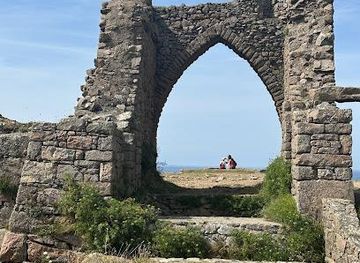
Grosnez Castle
Discover the enchanting Grosnez Castle in Jersey, a historic fortress offering stunning views and rich medieval history.



Best landmarks in Saint Peter
Saint Peter’s parish church is the clearest historic landmark within the parish, standing as a visible expression of the community’s long ecclesiastical and civic history. Its medieval origins, later alterations and granite construction connect Saint Peter with Jersey’s wider Norman and island architectural traditions. The parish village and nearby lanes form a second, more diffuse landmark landscape: granite walls, farm buildings and enclosed fields preserve the visual character of a working agricultural parish. Jersey Airport is the foremost modern landmark, recognisable for its role in connecting the island with Britain and the Channel Islands and for its importance during the twentieth century. Its presence contrasts with the surrounding green lanes and farmland. Saint Peter’s valleys and western approaches are significant geographical features, though the broad beaches and headlands commonly associated with western Jersey largely belong to neighbouring parishes. Together, church, airport, field patterns and granite construction express the unusual combination of rural continuity and international accessibility that defines Saint Peter.
-
Tourist attraction
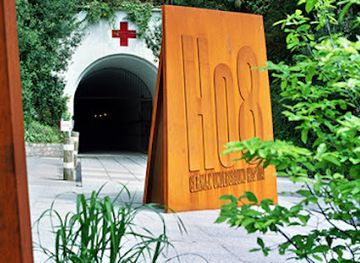
Jersey War Tunnels
Discover the compelling history of Jersey's World War II occupation at the Jersey War Tunnels, a captivating historical museum and landmark.
-
Castle
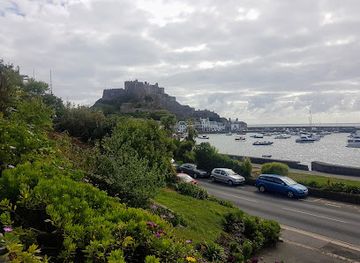
Mont Orgueil Castle
Explore Mont Orgueil Castle in Jersey, a stunning medieval fortress with rich history and breathtaking coastal views.
-
Zoo
Jersey Zoo
Discover Jersey Zoo, a wildlife sanctuary dedicated to conservation and home to over 400 exotic species in a stunning natural setting.
-
Castle
Elizabeth Castle
Explore Elizabeth Castle, a historical fortress in St Aubin's Bay, offering breathtaking views and a journey through centuries of rich heritage.


Explore Saint Peter on the map
Plan your trip on one map. See where the top cities, national parks and sights are, and book hotels and experiences in a few clicks.
Best hotels in Saint Peter
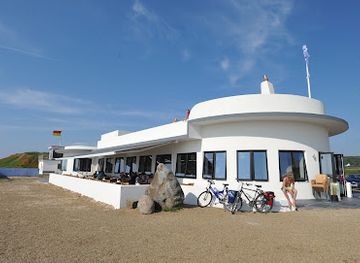
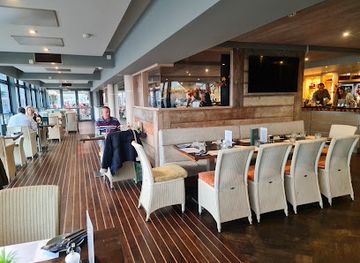
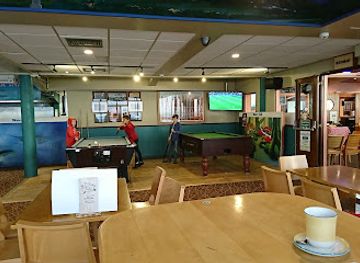
Best restaurants in Saint Peter
Eating in Saint Peter is generally informal and locally focused rather than concentrated in a large restaurant quarter. Cafés, pubs, airport dining and rural establishments provide practical choices, while visitors can also find food businesses associated with Jersey’s farming and coastal economy. Menus across the parish and island may feature Jersey Royal potatoes in season, island dairy products, fresh vegetables, seafood, shellfish and locally produced apple-based drinks. Traditional Jersey cooking is often presented alongside familiar British and European dishes, reflecting the island’s close connections with both France and Britain. Farm shops and food markets are useful places to look for seasonal produce, although opening arrangements vary. Dining is more dispersed than in St Helier, so checking locations and transport before an evening meal is sensible, particularly in the countryside. The best sense of Saint Peter’s culinary character comes from combining a simple café or pub meal with locally sourced products rather than expecting a densely packed gourmet district.
-
Restaurant
El Tico
Experience breathtaking ocean views and exquisite coastal cuisine at El Tico in Jersey—where every meal is a celebration of local flavors.
-
Restaurant
Quayside Bistro & Grill
Savor fresh seafood delights at Quayside Bistro & Grill in St Helier, Jersey's premier waterfront dining destination.
-
Restaurant
The Boat House
Discover The Boat House in St Aubin - where exquisite cuisine meets breathtaking waterfront views for an unforgettable dining experience.
-
Restaurant
Watersplash Beach Bar & Diner
Experience beachfront dining at Watersplash Beach Bar & Diner in Jersey – where great food meets stunning ocean views.

Best bars in Saint Peter
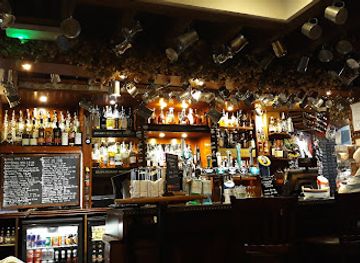
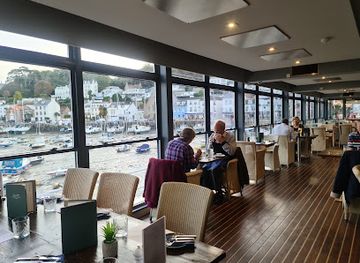
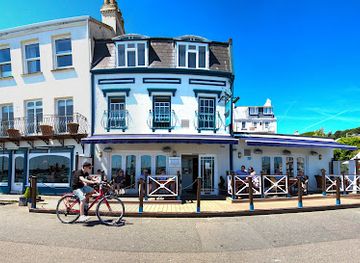
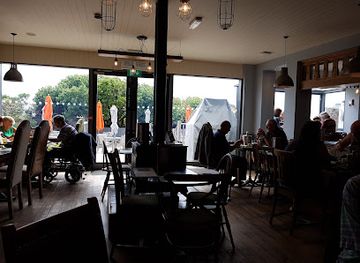
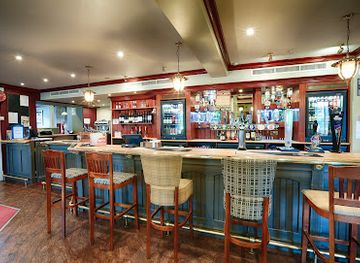
Saint Peter does not have a major nightclub scene; evening life is centred on pubs, hotel bars, cafés and restaurants, with the most extensive choice found in nearby St Helier. Local pubs provide informal places for a drink or meal, and some establishments may host occasional live music or community events, although programmes and opening arrangements change. The airport area can be useful for an early meal or a drink connected with travel, but it is not an entertainment district. Rural evenings are generally quieter, and visitors staying in Saint Peter should plan transport rather than rely on late public services across the island. Jersey’s wider nightlife includes bars and venues in St Helier, but that town lies outside the parish. Local cider, beer and island produce may appear on menus, though drinking is not necessary to engage with Saint Peter’s social life.
-
Pub
The Lamplighter
Discover the cozy charm of The Lamplighter Pub in St Helier, Jersey, where local flavors and friendly faces await you.
-
Bar
The Boat House
Experience the perfect blend of local flavors and stunning coastal views at The Boat House, St Aubin's premier bar and restaurant.
-
Restaurant
The Tenby - Randalls Pubs
Discover the essence of local cuisine and culture at The Tenby - Randalls Pubs in St Aubin, where great food meets a warm, inviting atmosphere.
-
Restaurant
White Horse Pub & Dining
Experience the inviting atmosphere and delightful cuisine at White Horse Pub & Dining in St. Saviour, Jersey, where tradition meets modern taste.
Best nightclubs in Saint Peter
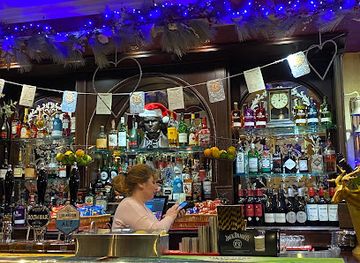
Saint Peter does not have a major nightclub scene; evening life is centred on pubs, hotel bars, cafés and restaurants, with the most extensive choice found in nearby St Helier. Local pubs provide informal places for a drink or meal, and some establishments may host occasional live music or community events, although programmes and opening arrangements change. The airport area can be useful for an early meal or a drink connected with travel, but it is not an entertainment district. Rural evenings are generally quieter, and visitors staying in Saint Peter should plan transport rather than rely on late public services across the island. Jersey’s wider nightlife includes bars and venues in St Helier, but that town lies outside the parish. Local cider, beer and island produce may appear on menus, though drinking is not necessary to engage with Saint Peter’s social life.
-
Live music bar
Blue Note Bar
Experience the lively atmosphere of Blue Note Bar in St. Helier, Jersey—where great music and good times meet.
-
Bar
The Sir George Carteret - Randalls Pubs
Discover the heart of Jersey at The Sir George Carteret, a charming bar, inn, and restaurant offering local flavors and a welcoming atmosphere.
-
Pub
The Trafalgar Inn - Live Music and Sports Pub in St Aubin, Jersey
Experience the best of Jersey's pub culture with live music and sports at The Trafalgar Inn in St Aubin – a must-visit for every traveler.
-
Night club
St James
Discover the vibrant nightlife at St James, Jersey's lively night club, wine bar, and pub offering a perfect blend of drinks and entertainment.


Best shops in Saint Peter
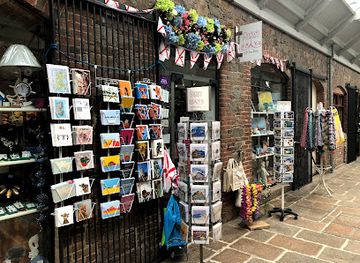
Shopping in Saint Peter is practical and local rather than centred on major retail streets. The parish village and airport provide everyday services and travel-related purchases, while farm shops and small food businesses are the best places to look for island produce when available. Jersey Royal potatoes, dairy products, preserves, baked goods, cider and other seasonal items make useful edible souvenirs, subject to customs rules when taking food abroad. Independent shops and galleries are more numerous in St Helier and in some neighbouring villages, so visitors seeking books, clothing, antiques or a broad choice of gifts may need to travel outside the parish. Saint Peter’s appeal is the opportunity to buy directly or locally within a rural setting, not extensive luxury retail. Check opening arrangements before making a special journey, particularly outside the main tourist season, and remember that airport shops are designed chiefly for departing passengers rather than as a substitute for a town centre.
-
Market
Jersey Market
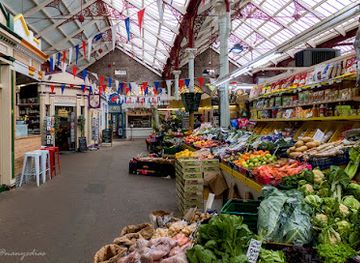
Explore Jersey Market, a vibrant hub of fresh produce, artisanal crafts, and unique gifts in the heart of St. Helier, Jersey.
-
Tourist attraction
Jersey Pearl
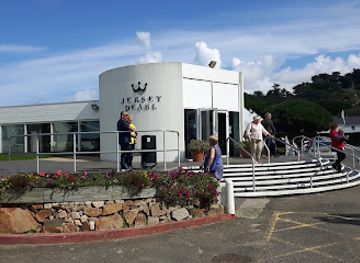
Explore Jersey Pearl: A Unique Blend of Culture, Artisanal Jewelry, and Culinary Delights on the Beautiful Island of Jersey.
-
Shopping mall
Liberty Wharf Shopping Centre
Experience the perfect blend of shopping and dining at Liberty Wharf Shopping Centre in St Helier, Jersey, where local charm meets modern retail.
-
Supermarket
CI Co-op St Peter's Village
Experience the essence of Jersey through fresh produce and local goods at CI Co-op St Peter's Village, a supermarket that connects community and flavor.

Get your free copy of our complete guide to Saint Peter, delivered straight to you.
Everything on this page, from attractions and restaurants to essentials and local phrases, in one PDF you can read offline, print or share.
Already have an account? Sign in
Your Saint Peter guide is ready.
We'll send it to · Not you? Sign out

Getting your guide ready…
We are putting together a fresh copy of the Saint Peter guide. This can take up to a minute.
This can take a few moments. If your browser asks, choose Allow so the download can start. You'll find the guide in your Downloads folder.
Nothing happened? Download it again
Sorry, the guide is taking longer than usual. Please try again in a minute, or get it by email instead.
Saint Peter essentials
Currency and Payment
Safety
Emergency Situations
Do's and Don'ts
Local Tips
From Eve
Local phrases worth knowing
You don't need to get them perfect. A few words go a long way, and locals appreciate the effort.
Basics
| English | Local | Say it |
|---|---|---|
| Hello | Hi | [hai] |
| Goodbye | See ya | [si ya] |
| Yes | Yeah | [yeh] |
| No | Nah | [nah] |
| Please/You're welcome | Please / No problem | [pleez / noh prob-lum] |
| Thank you | Thanks | [thangks] |
| Excuse me/Sorry | Excuse me / Sorry | [ex-kyoos mee / sor-ree] |
| How are you? | How ya doin'? | [how ya doin'] |
| Fine. And you? | Good. And you? | [gud. an' you?] |
| Do you speak English? | You speak English? | [yu speek ing-glish?] |
| I don't understand | I don't get it | [I dont get it] |
Eating & Drinking
| English | Local | Say it |
|---|---|---|
| I'd like to see the menu, please | Can I see the menu? | [kan I see the men-yu?] |
| I don't eat meat | I don't eat meat | [I dont eet meet] |
| Cheers! | Cheers! | [cheerz] |
| I would like to pay, please | Can I get the check, please? | [kan I get the chek, pleez?] |
Emergencies
| English | Local | Say it |
|---|---|---|
| Help! | Help! | [help] |
| Go away! | Leave me alone! | [leev mee a-lone] |
| Call the Police! | Call the cops! | [call the kops] |
| Call a doctor! | Get a doctor! | [get a dok-tor] |
| I'm lost | I'm lost | [I'm lost] |
| I'm ill | I'm not feeling well | [I'm not feel-ing wel] |
Shopping
| English | Local | Say it |
|---|---|---|
| I'd like to buy... | I want to buy... | [I want to buy...] |
| I'm just looking | Just looking, thanks | [just looking, thangs] |
| How much is it? | What's the price? | [whats the pryce?] |
| That's too expensive | That's way too pricey | [thats way too pry-see] |
| Can you lower the price? | Can you make it cheaper? | [kan yu make it cheeper?] |
Time & Numbers
| English | Local | Say it |
|---|---|---|
| What time is it? | What time is it? | [what time is it?] |
| It's one o'clock | It's one o'clock | [its wun o'clock] |
| Half past (10) | Half past ten | [half past ten] |
| Morning | Morning | [mor-ning] |
| Afternoon | Afternoon | [af-ter-noon] |
| Evening | Evening | [eev-ning] |
| Yesterday | Yesterday | [yes-ter-day] |
| Today | Today | [to-day] |
| Tomorrow | Tomorrow | [to-mor-row] |
| 1 | One | [wun] |
| 2 | Two | [too] |
| 3 | Three | [three] |
| 4 | Four | [for] |
| 5 | Five | [fiv] |
| 6 | Six | [siks] |
| 7 | Seven | [sev-en] |
| 8 | Eight | [ate] |
| 9 | Nine | [nayn] |
| 10 | Ten | [ten] |
Transport & Directions
| English | Local | Say it |
|---|---|---|
| Where's a/the...? | Where's the...? | [where's the...?] |
| What's the address? | What's the address? | [whats the ad-dress?] |
| Can you show me (on the map)? | Can you show me on the map? | [kan yu show me on the map?] |
| When's the next (bus)? | When's the next bus? | [when's the next bus?] |
| A ticket (to ....) | A ticket to... | [a tiket to...] |
History of Saint Peter
Prehistoric settlement and the island landscape
Saint Peter’s fields and valleys form part of a landscape shaped by thousands of years of farming and settlement, although Jersey’s best-known prehistoric monuments lie in other parishes. Early communities cleared woodland, cultivated soils and used the island’s stone resources, establishing patterns of enclosure that later agriculture continued. The parish’s position between central Jersey and the western coast would have connected inland settlement with routes towards shore and valley environments. Surviving banks, field boundaries and ancient lanes are less dramatic than a megalithic monument, but they help explain how Saint Peter acquired its enduring rural structure.
The medieval parish and the church of Saint Peter
The parish developed within the medieval ecclesiastical and administrative framework of Jersey, when the island was closely tied to Normandy and, after 1066, to the English Crown. Saint Peter’s parish church became the principal religious and communal focus, serving scattered farming settlements across the parish. Its fabric records repeated alteration over the centuries, as local communities repaired, enlarged and adapted the building. The church and village remain important evidence of the island’s medieval inheritance, when parishes were not merely religious districts but also central units of local administration and community life.
Agriculture, granite and rural society
For centuries Saint Peter was primarily an agricultural parish. Small farms, grazing land, orchards and market gardening shaped both the economy and the appearance of the countryside. Jersey’s granite was used for houses, walls, churches and farm buildings, producing the robust architectural character visible in many lanes. During the nineteenth century, Jersey’s agricultural economy became increasingly commercial, with improved transport allowing produce to reach British markets. The island’s dairy industry and later export horticulture brought prosperity to some families, while the parish retained a dispersed pattern of fields and farmsteads rather than developing into a dense town.
The growth of modern air transport
Jersey Airport opened in Saint Peter in 1937, replacing earlier arrangements for air travel and giving the island a purpose-built link with Britain and nearby Channel Islands. Its development changed the parish’s relationship with the outside world, making Saint Peter a principal gateway for visitors, residents and goods. Airport infrastructure also introduced new roads, employment and land-use pressures into an otherwise rural area. Aviation became a defining part of modern Saint Peter, even as the surrounding parish continued to depend on farming, local services and the traditional parish structure.
German Occupation and wartime fortification, 1940–1945
German forces occupied Jersey during the Second World War, and the island was incorporated into Hitler’s Atlantic Wall defensive system. Saint Peter’s airport and its approaches had strategic value, leading to military works, restrictions and changes to the local landscape. Islanders experienced requisitioning, labour demands, shortages and limits on movement during the occupation, which ended in May 1945. Many of the most extensive occupation remains are elsewhere in Jersey, but the airport and western parishes form part of the same defensive history. The period remains central to the island’s twentieth-century identity.
Post-war change and contemporary Saint Peter
After Liberation, Saint Peter combined rapid modernisation with the preservation of Jersey’s parish institutions and agricultural landscape. Air links expanded, motor traffic increased and the airport became increasingly important to the island’s economy. At the same time, planning controls, countryside protection and changing farming practices shaped how development occurred. Today the parish contains airport infrastructure, homes, schools, businesses and working farmland within a compact island setting. Its contemporary character is therefore neither wholly rural nor urban: Saint Peter is a service and transport centre whose identity remains anchored in parish life and open countryside.
Saint Peter in Photos
Browse through our photo collection highlighting the charm and character of the destination.
Neighbouring regions of Saint Peter
The closest regions to Saint Peter, if you have time for more than one.
-
-

-

-

-


Swipe for more regions

