

Free Saint Ouen Travel Guide & Mobile App
Explore Saint Ouen with free travel guides. Discover regional history, expert tips, proposed trips, and audio guides on web or mobile app.


Saint Ouen, Jersey, combines Atlantic beaches, surf, dunes, heathland, wartime heritage and quiet rural lanes across the island’s north-west.
Read more about Saint Ouen
When is the best time to visit Saint Ouen?
Best: June–August · 23–26°C| Month | High (°C) | Rainfall (mm) |
|---|---|---|
| January | 4 | 35 |
| February | 5 | 30 |
| March | 8 | 35 |
| April | 13 | 35 |
| May | 18 | 35 |
| June (best) | 23 | 30 |
| July (best) | 26 | 30 |
| August (best) | 25 | 30 |
| September | 22 | 35 |
| October | 16 | 45 |
| November | 10 | 40 |
| December | 6 | 40 |
Getting to and around Saint Ouen
How to get there
Transportation
Top city travel guides in Saint Ouen
The cities of Saint Ouen, and the easiest places to base yourself.

Swipe for more cities
Destinations in Saint Ouen
Resorts, valleys and scenic spots worth a trip of their own.
-

-


Swipe for more destinations
Best attractions in Saint Ouen
Saint Ouen’s chief attraction is its changing coastal landscape. St Ouen’s Bay offers a broad beach for walking, surfing and bodyboarding, while the dunes and wetland behind it provide quieter routes and opportunities for observing coastal wildlife. The northern area of Les Landes is wilder in character, with heathland, rocky ground and long views across the Atlantic. Le Pinacle adds geological and archaeological interest, and the surrounding headland rewards visitors who enjoy uneven coastal paths rather than formal gardens or landscaped viewpoints. German Occupation remains, including concrete defensive structures, give several parts of the shore a strong historical dimension. Inland, St Ouen’s Church, farm lanes and granite buildings illustrate the parish’s rural character. Saint Ouen is also well suited to activities rather than a crowded schedule of indoor attractions: walking, photography, cycling, surfing and nature watching are central to the experience. Weather and tides influence what is practical, so the most rewarding itineraries leave room for changing conditions and avoid treating the bay as a single uniform attraction.
-
Zoo
Jersey Zoo
Experience the beauty of wildlife conservation at Jersey Zoo, a premier attraction committed to protecting endangered species and educating visitors.
-
Park
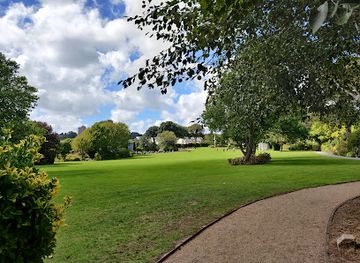
Howard Davis Park
Experience the natural beauty and tranquility of Howard Davis Park, a lush haven in Jersey perfect for relaxation and exploration.
-
Tourist attraction
Jersey Pearl
Experience the beauty of Jersey Pearl, where jewelry, culture, and culinary delights come together on the stunning island of Jersey.
-
Winery
La Mare Wine Estate
Explore the beauty and flavors of Jersey at La Mare Wine Estate, a premier winery offering exquisite wines, a delightful restaurant, and picturesque vineyard views.



Best landmarks in Saint Ouen
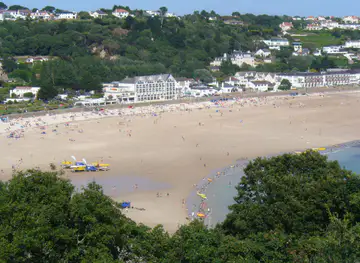
St Ouen’s Bay is the parish’s most recognisable geographical landmark, a long west-facing sweep of sand framed by dunes, wetland and the exposed slopes of the northern coast. Le Pinacle is a particularly distinctive natural and archaeological landmark: its rock outcrop rises from the heathland and has been associated with prehistoric activity and later quarrying. The remains of the German Occupation form another defining layer, with concrete bunkers and defensive installations integrated into the coastal scenery. St Ouen’s Church provides an architectural focus inland, representing the parish’s medieval religious history and long rural continuity. Les Landes, with its heath, rocky headlands and Atlantic views, is significant less as a single monument than as a characteristic landscape of north-west Jersey. Together these places express Saint Ouen’s identity through geology, archaeology, parish history, military memory and the open western sea.
-
Tourist attraction
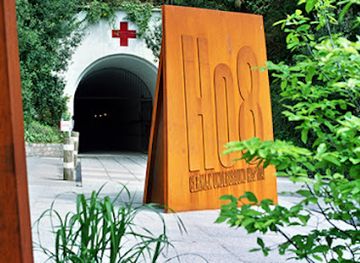
Jersey War Tunnels
Discover the compelling history of Jersey during World War II at the Jersey War Tunnels, where the past comes alive through immersive exhibits and poignant stories.
-
Castle
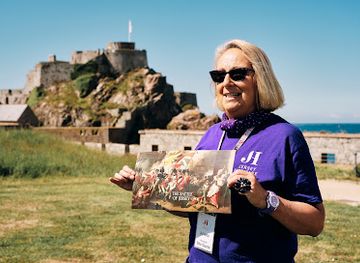
Elizabeth Castle
Discover the historic Elizabeth Castle in Jersey, a captivating fortress with rich history and stunning views of St. Aubin's Bay.
-
Market
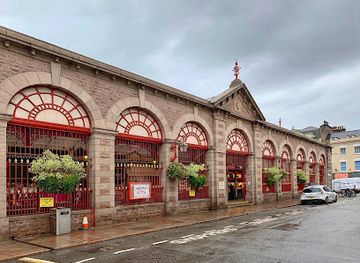
Jersey Market
Explore Jersey Market in St Helier for a unique shopping experience filled with local produce, artisanal crafts, and the vibrant culture of Jersey.
-
Hotel
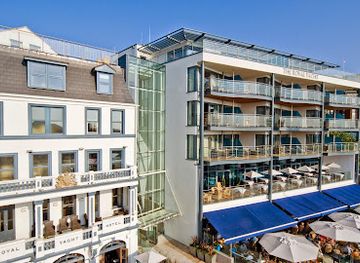
The Royal Yacht
Experience luxury and relaxation at The Royal Yacht in St Helier, Jersey, featuring stunning views, gourmet dining, and a rejuvenating spa.
Explore Saint Ouen on the map
Plan your trip on one map. See where the top cities, national parks and sights are, and book hotels and experiences in a few clicks.
Best hotels in Saint Ouen
Best restaurants in Saint Ouen
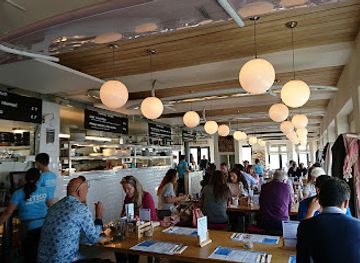
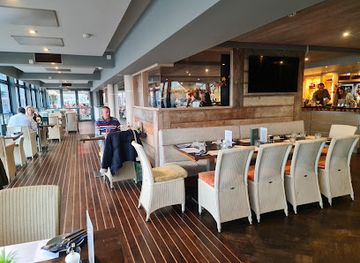
Dining in Saint Ouen reflects its rural and coastal setting rather than a concentrated restaurant district. Cafés and casual eateries around the western shore cater to beachgoers and walkers, while village and country establishments provide a more traditional setting for meals. Jersey produce is central to the island’s food culture, including dairy products, potatoes, vegetables, seafood and locally reared meat; Jersey Royal potatoes are a seasonal speciality associated with the island as a whole rather than Saint Ouen alone. Menus may also feature fresh fish, shellfish, crab, cream-based dishes and baking influenced by the Channel Islands’ close links with both Britain and Normandy. Farm shops and small food outlets can be useful for picnic supplies, particularly before a coastal walk. Outside the main season, opening patterns may be limited, so evening dining is easier with advance planning and by checking current arrangements locally.
-
Restaurant
El Tico
Discover El Tico in Jersey: A seaside restaurant serving delicious local cuisine with breathtaking ocean views.
-
Restaurant
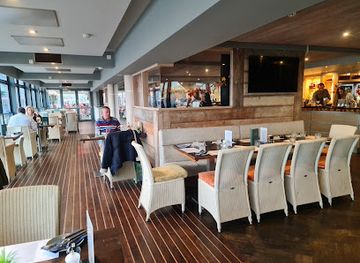
The Boat House
Experience breathtaking views and delicious local cuisine at The Boat House in St. Aubin—your perfect dining destination.
-
Restaurant
Watersplash Beach Bar & Diner
Discover Watersplash Beach Bar & Diner: where stunning coastal views meet delicious dining in Jersey's vibrant atmosphere.
-
Restaurant
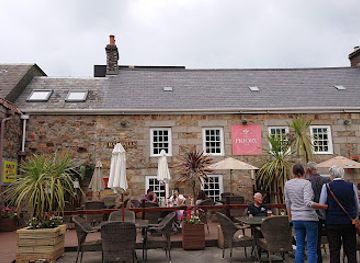
The Priory Inn Devils Hole
Discover delightful dining at The Priory Inn Devils Hole in Jersey - where local flavors meet inviting ambiance.
Best bars in Saint Ouen
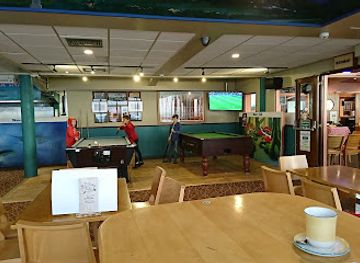
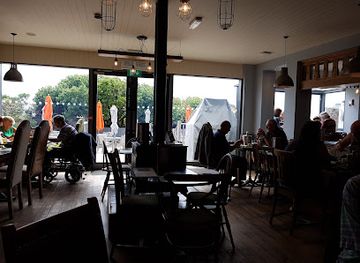
Saint Ouen’s evening life is generally quiet and rural rather than centred on nightclubs. Traditional pubs, hotel bars, cafés and casual restaurants provide places for a drink or meal, with the western coast offering a relaxed setting after a day outdoors. Some venues may host occasional live music or community events, but schedules and opening arrangements are changeable. Visitors looking for a broader choice of late bars, clubs, theatres or larger organised events will usually need to travel to Saint Helier, outside the parish. In Saint Ouen, the evening appeal lies more in a pub meal, a local drink, conversation and the long Atlantic light than in a formal nightlife circuit.
-
Restaurant
El Tico
Discover El Tico: A delightful restaurant in Jersey offering local flavors and stunning views, perfect for an unforgettable dining experience.
-
Pub
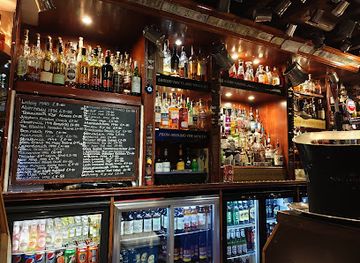
The Lamplighter
Experience the warmth of The Lamplighter, a charming pub in St Helier, offering local brews, delicious food, and vibrant atmosphere for an unforgettable visit.
-
Bar
The Boat House
Discover the charm of The Boat House, a scenic bar and restaurant in St. Aubin, offering exquisite cuisine and stunning harbor views.
-
Restaurant
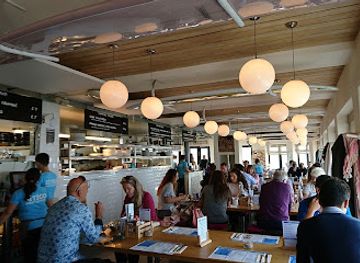
White Horse Pub & Dining
Explore the delightful fusion of traditional and modern cuisine at White Horse Pub & Dining in St. Saviour, Jersey.
Best nightclubs in Saint Ouen
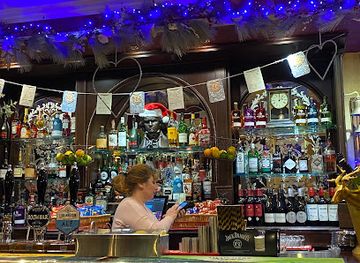
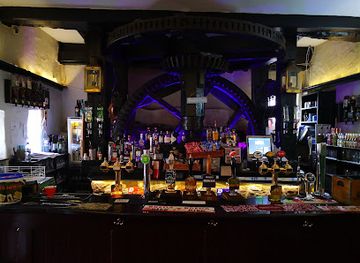
Saint Ouen’s evening life is generally quiet and rural rather than centred on nightclubs. Traditional pubs, hotel bars, cafés and casual restaurants provide places for a drink or meal, with the western coast offering a relaxed setting after a day outdoors. Some venues may host occasional live music or community events, but schedules and opening arrangements are changeable. Visitors looking for a broader choice of late bars, clubs, theatres or larger organised events will usually need to travel to Saint Helier, outside the parish. In Saint Ouen, the evening appeal lies more in a pub meal, a local drink, conversation and the long Atlantic light than in a formal nightlife circuit.
-
Live music bar
Blue Note Bar
Discover the vibrant atmosphere of Blue Note Bar, St Helier's ultimate live music venue and pub for unforgettable nights filled with music and fun.
-
Restaurant
Le Moulin de Lecq
Experience the culinary delights and stunning coastal views at Le Moulin de Lecq, Jersey's charming restaurant and pub.
-
Pub
Farmers Inn
Discover the cozy charm of Farmers Inn, a beloved pub in St Ouen, Jersey, offering great drinks, hearty food, and a vibrant atmosphere.
-
Pub
The Trafalgar Inn - Live Music and Sports Pub in St Aubin, Jersey
Discover the lively ambiance of The Trafalgar Inn, a sports and live music pub in St Aubin, Jersey, perfect for socializing and entertainment.


Best shops in Saint Ouen
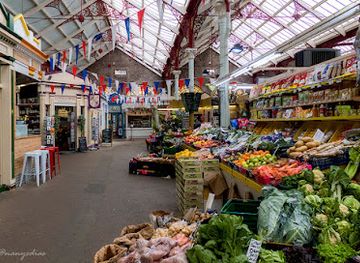
Shopping in Saint Ouen is modest and locally oriented rather than focused on large retail centres. Small village stores, cafés, farm outlets and seasonal coastal businesses provide everyday provisions and practical supplies for beach visits or walks. Farm shops and island producers may sell Jersey dairy products, vegetables, preserves, baked goods and other food suitable for taking home, although availability varies with season and individual business. Craft and gift items connected with Jersey can sometimes be found in smaller independent outlets, while the parish’s rural lanes and beach areas are better suited to browsing local produce than to dedicated fashion shopping. Visitors seeking a wider choice of books, clothing, jewellery, galleries or specialist souvenirs will generally find it in Saint Helier, outside Saint Ouen. Shopping is therefore best treated as part of a food, countryside or coastal itinerary rather than as a separate retail attraction.
-
Gift shop
Jersey Market
Discover the charm of Jersey Market, a vibrant hub for local crafts, fresh produce, and unique gifts in the heart of St Helier.
-
Tourist attraction
Jersey Pearl
Experience the perfect blend of culture, cuisine, and craftsmanship at Jersey Pearl, Jersey’s premier destination for pearls and more.
-
Shopping mall
Liberty Wharf Shopping Centre
Discover the charm of Liberty Wharf Shopping Centre, a vibrant retail and dining destination in St Helier, Jersey, set against a stunning waterfront backdrop.
-
Gift shop
Jersey Lavender Ltd
Discover the enchanting Jersey Lavender Ltd, where fragrant fields, delicious treats, and unique gifts create an unforgettable experience.

Get your free copy of our complete guide to Saint Ouen, delivered straight to you.
Everything on this page, from attractions and restaurants to essentials and local phrases, in one PDF you can read offline, print or share.
Already have an account? Sign in
Your Saint Ouen guide is ready.
We'll send it to · Not you? Sign out

Getting your guide ready…
We are putting together a fresh copy of the Saint Ouen guide. This can take up to a minute.
This can take a few moments. If your browser asks, choose Allow so the download can start. You'll find the guide in your Downloads folder.
Nothing happened? Download it again
Sorry, the guide is taking longer than usual. Please try again in a minute, or get it by email instead.
Saint Ouen essentials
Currency and Payment
Safety
Emergency Situations
Do's and Don'ts
Local Tips
From Eve
Local phrases worth knowing
You don't need to get them perfect. A few words go a long way, and locals appreciate the effort.
Basics
| English | Local | Say it |
|---|---|---|
| Hello | Hi | [haɪ] |
| Goodbye | Bye | [baɪ] |
| Yes | Yeah | [jɛə] |
| No | Nope | [noʊp] |
| Please/You're welcome | Please/You bet | [pliz/ju bɛt] |
| Thank you | Thanks | [θæŋks] |
| Excuse me/Sorry | Excuse me/Sorry | [ɪkˈskjus mi/ˈsɔri] |
| How are you? | How ya doin'? | [haʊ jə ˈduɪn] |
| Fine. And you? | Good. And you? | [gʊd. ənd ju] |
| Do you speak English? | Ya speak English? | [jə spiːk ˈɪŋɡlɪʃ] |
| I don't understand | I ain't gettin' it | [aɪ eɪnt ˈɡɛtɪn ɪt] |
Eating & Drinking
| English | Local | Say it |
|---|---|---|
| I'd like to see the menu, please | Can I see the menu? | [kæn aɪ si ðə ˈmɛnju] |
| I don't eat meat | I ain't eatin' meat | [aɪ eɪnt ˈiːtɪn mit] |
| Cheers! | Cheers! | [ʧɪrz] |
| I would like to pay, please | Can I get the check, please? | [kæn aɪ gɛt ðə ʧɛk pliz] |
Emergencies
| English | Local | Say it |
|---|---|---|
| Help! | Help! | [hɛlp] |
| Go away! | Get lost! | [ɡɛt lɔst] |
| Call the Police! | Call the cops! | [kɔl ðə kɑps] |
| Call a doctor! | Get a doctor! | [ɡɛt ə ˈdɑktər] |
| I'm lost | I’m lost | [aɪm lɔst] |
| I'm ill | I ain't feelin' well | [aɪ eɪnt ˈfiːlɪn wɛl] |
Shopping
| English | Local | Say it |
|---|---|---|
| I'd like to buy... | I wanna buy... | [aɪ ˈwɑːnə baɪ] |
| I'm just looking | Just lookin' | [dʒʌst ˈlʊkɪn] |
| How much is it? | What’s the price? | [wʌts ðə praɪs] |
| That's too expensive | That’s too pricey | [ðæts tu ˈpraɪsi] |
| Can you lower the price? | Can ya make it cheaper? | [kæn jə meɪk ɪt ˈʧiːpər] |
Time & Numbers
| English | Local | Say it |
|---|---|---|
| What time is it? | What time is it? | [wʌt taɪm ɪz ɪt] |
| It's one o'clock | It's one | [ɪts wʌn] |
| Half past (10) | Half past ten | [hæf pæst tɛn] |
| Morning | Mornin' | [ˈmɔrnɪn] |
| Afternoon | Afternoon | [ˌæftərˈnun] |
| Evening | Evenin' | [ˈivnɪn] |
| Yesterday | Yesterday | [ˈjɛstərdeɪ] |
| Today | Today | [təˈdeɪ] |
| Tomorrow | Tomorrow | [təˈmɔroʊ] |
| 1 | One | [wʌn] |
| 2 | Two | [tu] |
| 3 | Three | [θri] |
| 4 | Four | [fɔr] |
| 5 | Five | [faɪv] |
| 6 | Six | [sɪks] |
| 7 | Seven | [ˈsɛvən] |
| 8 | Eight | [eɪt] |
| 9 | Nine | [naɪn] |
| 10 | Ten | [tɛn] |
Transport & Directions
| English | Local | Say it |
|---|---|---|
| Where's a/the...? | Where’s the...? | [wɛrz ðə] |
| What's the address? | What’s the address? | [wʌts ði əˈdrɛs] |
| Can you show me (on the map)? | Can ya show me (on the map)? | [kæn jə ʃoʊ mi (ɑn ðə mæp)] |
| When's the next (bus)? | When’s the next bus? | [wɛn z ðə nɛkst bʌs] |
| A ticket (to ....) | A ticket (to ...) | [ə ˈtɪkɪt (tu …)] |
History of Saint Ouen
Prehistoric settlement and Le Pinacle
Saint Ouen’s northern landscape preserves evidence of human activity extending back thousands of years. Le Pinacle, a striking natural rock formation at the edge of Les Landes, was an important prehistoric site and has produced archaeological evidence associated with occupation and ritual activity. The wider headland also contains traces of quarrying and later use. Such remains demonstrate that Jersey’s exposed north-west was not an empty wilderness, but part of a landscape repeatedly used by communities who exploited its stone, wildlife, coastal resources and strategic viewpoints.
The medieval parish and St Ouen’s Church
The parish developed within the medieval ecclesiastical and agricultural structure of Jersey. St Ouen’s Church, whose origins are medieval although the building has been altered over time, became the religious focus of a large rural community. The parish’s size, scattered farms and extensive common and coastal landscapes helped give it a distinctive identity within the island. Medieval landholding patterns and the importance of the church remained visible in the lanes, fields and settlement pattern that shaped Saint Ouen long after the Middle Ages.
Agriculture, seaweed and the western shore
For centuries, Saint Ouen’s economy was closely tied to farming and the resources of the bay. Seaweed, known locally as vraic, was gathered from the shore and used as fertiliser, while sandy soils and sheltered fields supported crops and livestock. The coastal plain was therefore both an agricultural asset and a working shoreline. Traditional farmhouses, granite walls and field patterns still reflect this relationship, even though modern farming is more mechanised and tourism now provides an important additional source of employment.
Coastal defence and the German Occupation
During the German Occupation of the Channel Islands from 1940 to 1945, Saint Ouen’s exposed coastline was incorporated into the Atlantic Wall system. Concrete bunkers, gun positions, observation structures and other military remains were built to control the bay and guard against an Allied landing. Some survive in and around the coastal landscape, where they stand beside dunes, farmland and beach paths. They are a visible reminder that Jersey’s apparently peaceful western shore was once part of a heavily fortified military zone.
Tourism, surfing and conservation
From the nineteenth century onwards, Jersey’s beaches became increasingly important to visitors, and Saint Ouen’s Bay developed a strong recreational identity. In the twentieth century, surfing and other board sports added a distinctive Atlantic dimension to the parish’s tourism. At the same time, growing recognition of the value of dunes, heathland and wetlands encouraged conservation measures. Contemporary Saint Ouen therefore combines a working rural landscape with beach tourism, outdoor recreation and the protection of habitats that make the north-west different from Jersey’s more urbanised districts.
Saint Ouen in Photos
Browse through our photo collection highlighting the charm and character of the destination.
Neighbouring regions of Saint Ouen
The closest regions to Saint Ouen, if you have time for more than one.
-

-

-
-

-


Swipe for more regions
Explore more

Explore more of Jersey
Discover the charm of Jersey, the largest Channel Island, with its stunning landscapes, rich history, and a delightful blend of British and French cultures.
Explore Jersey