

Free Saint Mary Travel Guide & Mobile App
Explore Saint Mary with free travel guides. Discover regional history, expert tips, proposed trips, and audio guides on web or mobile app.


Explore Saint Mary in Jersey for coastal walks, the Devil’s Hole, granite villages, rural lanes and a quieter northern island landscape.
Read more about Saint Mary
When is the best time to visit Saint Mary?
Best: June, August–September · 24–27°C| Month | High (°C) | Rainfall (mm) |
|---|---|---|
| January | 2 | 80 |
| February | 4 | 70 |
| March | 9 | 75 |
| April | 15 | 80 |
| May | 20 | 85 |
| June (best) | 25 | 90 |
| July | 28 | 95 |
| August (best) | 27 | 90 |
| September (best) | 24 | 85 |
| October | 18 | 80 |
| November | 12 | 75 |
| December | 5 | 70 |
Getting to and around Saint Mary
How to get there
Transportation
Top city travel guides in Saint Mary
The cities of Saint Mary, and the easiest places to base yourself.

Swipe for more cities
Best attractions in Saint Mary
Saint Mary’s attractions are primarily natural, rural and local in scale. The Devil’s Hole is the parish’s signature site: a sea cave formed by coastal erosion and approached by a path through a dramatic cliff setting. Inland, Saint Mary’s Village and its parish church provide a quieter encounter with Jersey’s traditional settlement pattern, while narrow lanes lead through fields, wooded valleys and farm country. Coastal walking is the main outdoor activity, with views shaped by tides, granite outcrops and exposed Channel weather rather than by resort development. Visitors interested in the island’s agricultural character can look for local produce and farm-based experiences, although availability varies by season. The parish is also a useful starting point for exploring northern Jersey’s wider network of lanes and shore paths, provided neighbouring parishes are treated as separate destinations. Historic interest comes through church architecture, older farm buildings, boundary walls and scattered defensive remains associated with Jersey’s long strategic history. Saint Mary suits travellers who prefer landscape, geology, village character and walking to a dense programme of ticketed museums or major attractions.
-
Beach
St Brelade's Bay
Discover the stunning St Brelade's Bay, where golden sands meet azure waters in a beautiful Jersey coastal experience.
-
Winery
La Mare Wine Estate
Experience the beauty of Jersey at La Mare Wine Estate, where exquisite wines, local flavors, and stunning vineyard views await you.
-
Maritime museum
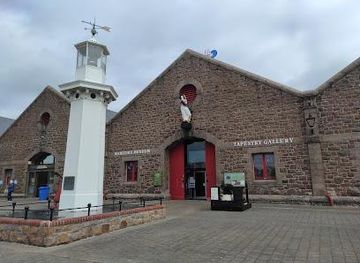
Maritime Museum & Occupation Tapestry Gallery
Explore Jersey's maritime history and the poignant narrative of German occupation at the Maritime Museum & Occupation Tapestry Gallery in St Helier.
-
Local history museum
La Hougue Bie Museum
Explore Jersey's ancient past at La Hougue Bie Museum, home to Neolithic treasures and captivating local history exhibitions.



Best landmarks in Saint Mary
The Devil’s Hole is Saint Mary’s most recognisable landmark, a collapsed sea cave on the northern coast whose steep approach and wave-cut scenery illustrate the force of Atlantic erosion around Jersey. The site is also associated with a long-standing local legend, adding cultural resonance to its geological importance. Saint Mary’s Parish Church forms a different kind of landmark: its presence in the village reflects the medieval parish structure that continues to organise Jersey’s local geography. Around the parish, granite walls, farmhouses, field boundaries and older lanes create a dispersed architectural landscape rather than a single monumental centre. Coastal military remains and defensive traces, where accessible and signposted, recall Jersey’s strategic position between Britain and France, particularly during periods of wartime tension. The parish’s most meaningful landmarks therefore work together: a sea cave, a church, working countryside and coastal defences reveal how geology, religion, agriculture and military geography have shaped Saint Mary over time.
-
Tourist attraction
Jersey War Tunnels
Discover the rich history of Jersey through the Jersey War Tunnels, an immersive museum experience revealing life during World War II on the island.
-
Castle
Mont Orgueil Castle
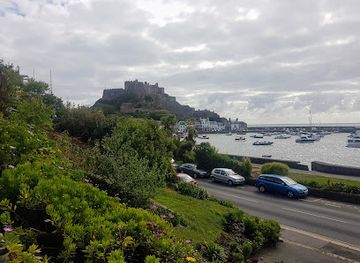
Explore the historic Mont Orgueil Castle, a majestic fortress offering stunning views and a glimpse into Jersey's rich medieval history.
-
Castle
Elizabeth Castle
Discover the storied past of Elizabeth Castle, a breathtaking historical landmark in Jersey, offering stunning coastal views and rich heritage.
-
Park
Howard Davis Park
Discover the lush beauty of Howard Davis Park, a serene oasis in Jersey perfect for relaxation, picnics, and exploring nature's wonders.



Explore Saint Mary on the map
Plan your trip on one map. See where the top cities, national parks and sights are, and book hotels and experiences in a few clicks.
Best hotels in Saint Mary
Best restaurants in Saint Mary
Dining in Saint Mary reflects Jersey’s rural setting rather than a concentrated restaurant quarter. Visitors are likely to find a mixture of village pubs, cafés, casual eateries and food-led establishments, with a wider choice available in Saint Helier and larger neighbouring settlements. Local menus may draw on Jersey dairy products, seasonal vegetables, seafood from the surrounding waters and the island’s distinctive Jersey Royal potatoes, which are harvested in spring and early summer. Fresh bread, cakes and other British and Channel Island staples are also common. Farm shops and food outlets can be useful for picnic supplies, especially before a coastal walk, though opening patterns vary. Jersey’s food culture combines island produce with influences from Britain and nearby Normandy, rather than following a single fixed regional cuisine. Visitors should reserve ahead when seeking a particular rural dining venue in busy periods and should not assume that every establishment serves food throughout the day.
-
Restaurant
El Tico
Discover El Tico: A charming seaside restaurant in Jersey offering fresh local cuisine and stunning ocean views.
-
Winery
La Mare Wine Estate
Discover La Mare Wine Estate: Explore award-winning wines amidst scenic vineyards in St. Mary, Jersey's premier wine destination.
-
Restaurant
Quayside Bistro & Grill
Experience fresh seafood and local cuisine at Quayside Bistro & Grill in St. Helier – a culinary delight by the waterfront.
-
Restaurant
White Horse Pub & Dining
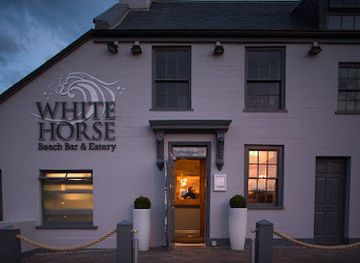
Discover the delightful White Horse Pub & Dining in St. Saviour – where great food meets a warm atmosphere.


Best bars in Saint Mary
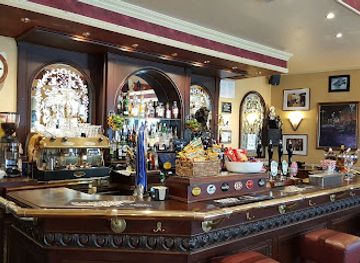
Saint Mary’s evening life is low-key and centred on pubs, village hospitality and meals rather than nightclubs. A traditional pub can provide a place for a drink, conversation and local food, while the parish’s rural lanes mean that visitors should plan a safe return journey rather than rely on finding late transport spontaneously. There is little reason to expect a dense nightlife district in Saint Mary; larger evening choices, live entertainment and late venues are concentrated around Saint Helier and other built-up parts of Jersey outside the parish. Local cider, island produce and British-style ales may appear on menus, but drinking is only one part of the social scene. In good weather, earlier evening walks and coastal viewpoints can be more characteristic of Saint Mary than late-night entertainment, provided visitors remain well away from cliff edges and check transport arrangements.
-
Restaurant
White Horse Pub & Dining
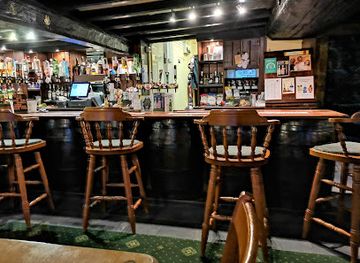
Discover the perfect blend of traditional British pub charm and modern dining at the White Horse Pub & Dining in St. Saviour, Jersey.
-
Bar
The Priory Inn Devils Hole
Experience the warmth of Jersey's hospitality at The Priory Inn, where delightful cuisine meets a cozy bar ambiance.
-
Pub
St. Mary’s Pub & Dining
Discover the charm of St. Mary’s Pub & Dining, where traditional British cuisine meets warm Jersey hospitality in a picturesque setting.
-
Live music bar
Blue Note Bar
Discover vibrant live music and a welcoming atmosphere at Blue Note Bar in St Helier, Jersey's premier destination for unforgettable nights out.

Best nightclubs in Saint Mary
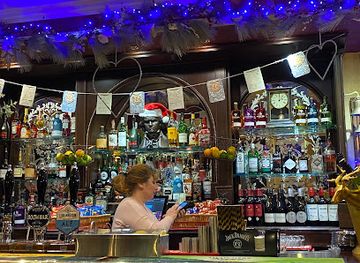
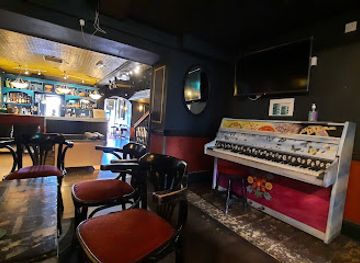
Saint Mary’s evening life is low-key and centred on pubs, village hospitality and meals rather than nightclubs. A traditional pub can provide a place for a drink, conversation and local food, while the parish’s rural lanes mean that visitors should plan a safe return journey rather than rely on finding late transport spontaneously. There is little reason to expect a dense nightlife district in Saint Mary; larger evening choices, live entertainment and late venues are concentrated around Saint Helier and other built-up parts of Jersey outside the parish. Local cider, island produce and British-style ales may appear on menus, but drinking is only one part of the social scene. In good weather, earlier evening walks and coastal viewpoints can be more characteristic of Saint Mary than late-night entertainment, provided visitors remain well away from cliff edges and check transport arrangements.
-
Bar
The Priory Inn Devils Hole
Discover the flavors of Jersey at The Priory Inn, a cozy bar and restaurant offering local delights in a warm atmosphere.
-
Pub
St. Mary’s Pub & Dining
Experience the charm of Jersey at St. Mary's Pub & Dining, a cozy British pub serving delicious local cuisine and ales in a picturesque setting.
-
Live music bar
Blue Note Bar
Discover the vibrant live music scene at Blue Note Bar in St Helier, where every night is a celebration of music and community.
-
Bar
The Troubadour
Experience the vibrant atmosphere and diverse drink selection at The Troubadour, a must-visit bar in St Helier, Jersey.


Best shops in Saint Mary
Shopping in Saint Mary is modest and practical, with village services, convenience shops and occasional opportunities to buy local food rather than a large retail centre. The most distinctive purchases are island products: Jersey dairy goods, seasonal produce, preserves, baked items and, when in season, Jersey Royal potatoes. Farm shops and local food outlets may offer these products, but stock and opening arrangements vary. For crafts, clothing, books, galleries and a broader choice of independent retailers, visitors generally travel to Saint Helier or other larger settlements elsewhere in Jersey. Markets and island-wide food events can also provide access to regional produce, though they are not permanent features of Saint Mary and should be checked locally. When buying souvenirs, look for goods with a genuine Jersey connection, such as locally made crafts or island-produced food, rather than assuming that every coastal or agricultural-themed item was made in the parish.
-
Gift shop
Jersey Market
Discover the charm of Jersey Market, a vibrant hub of local crafts and fresh produce in the heart of St Helier.
-
Tourist attraction
Jersey Pearl
Experience the allure of pearl jewelry and the rich cultural heritage of Jersey at Jersey Pearl, a top tourist attraction and café.
-
Winery
La Mare Wine Estate
Experience the enchanting blend of wine, cuisine, and scenic beauty at La Mare Wine Estate in Jersey.
-
Shopping mall
Liberty Wharf Shopping Centre
Explore the vibrant Liberty Wharf Shopping Centre in St Helier, Jersey, where shopping, dining, and entertainment come together by the waterfront.


Get your free copy of our complete guide to Saint Mary, delivered straight to you.
Everything on this page, from attractions and restaurants to essentials and local phrases, in one PDF you can read offline, print or share.
Already have an account? Sign in
Your Saint Mary guide is ready.
We'll send it to · Not you? Sign out

Getting your guide ready…
We are putting together a fresh copy of the Saint Mary guide. This can take up to a minute.
This can take a few moments. If your browser asks, choose Allow so the download can start. You'll find the guide in your Downloads folder.
Nothing happened? Download it again
Sorry, the guide is taking longer than usual. Please try again in a minute, or get it by email instead.
Saint Mary essentials
Currency and Payment
Safety
Emergency Situations
Do's and Don'ts
Local Tips
From Eve
Local phrases worth knowing
You don't need to get them perfect. A few words go a long way, and locals appreciate the effort.
Basics
| English | Local | Say it |
|---|---|---|
| Hello | Hey there | [Hey thɛr] |
| Goodbye | See you later | [Si ju leɪtər] |
| Yes | Yeah | [Jɛ] |
| No | Nope | [Noʊp] |
| Please/You're welcome | Sure thing | [ʃʊr θɪŋ] |
| Thank you | Thanks a lot | [θæŋks ə lɑt] |
| Excuse me/Sorry | Pardon me | [ˈpɑrdən mi] |
| How are you? | How ya doin'? | [Haʊ jə ˈduɪn] |
| Fine. And you? | Good. And you? | [ɡʊd. ənd jə] |
| Do you speak English? | You speakin' English? | [Ju ˈspikɪn ˈɪŋɡlɪʃ] |
| I don't understand | I ain't gettin' it | [aɪ eɪnt ˈɡɛtɪn ɪt] |
Eating & Drinking
| English | Local | Say it |
|---|---|---|
| I'd like to see the menu, please | Can I see the menu? | [kæn aɪ si ðə ˈmɛnju] |
| I don't eat meat | I ain't eatin' meat | [aɪ eɪnt ˈitɪn mit] |
| Cheers! | Cheers! | [ʧɪrz] |
| I would like to pay, please | Can I get the check? | [kæn aɪ ɡɛt ðə ʧɛk] |
Emergencies
| English | Local | Say it |
|---|---|---|
| Help! | Help! | [hɛlp] |
| Go away! | Get lost! | [ɡɛt lɔst] |
| Call the Police! | Call the cops! | [kɔl ðə kɑps] |
| Call a doctor! | Get a doctor! | [ɡɛt ə ˈdɑktər] |
| I'm lost | I’m turned around | [aɪm tɜrnd əˈraʊnd] |
| I'm ill | I’m not feelin' well | [aɪm nɑt ˈfilɪn wɛl] |
Shopping
| English | Local | Say it |
|---|---|---|
| I'd like to buy... | I wanna buy... | [aɪ ˈwɑnə baɪ] |
| I'm just looking | Just browsing | [dʒʌst ˈbraʊzɪŋ] |
| How much is it? | What’s the price? | [wʌts ðə praɪs] |
| That's too expensive | That's way too pricey | [ðæts weɪ tu ˈpraɪsi] |
| Can you lower the price? | Can you knock down the price? | [kæn ju nɑk daʊn ðə praɪs] |
Time & Numbers
| English | Local | Say it |
|---|---|---|
| What time is it? | What time we got? | [wʌt taɪm wi ɡɑt] |
| It's one o'clock | It's one o'clock | [ɪts wʌn əˈklɑk] |
| Half past (10) | Half past ten | [hɑf pæst tɛn] |
| Morning | Morning | [ˈmɔrnɪŋ] |
| Afternoon | Afternoon | [ˌæftərˈnun] |
| Evening | Evening | [ˈivnɪŋ] |
| Yesterday | Yesterday | [ˈjɛstərdeɪ] |
| Today | Today | [təˈdeɪ] |
| Tomorrow | Tomorrow | [təˈmɔroʊ] |
| 1 | One | [wʌn] |
| 2 | Two | [tu] |
| 3 | Three | [θri] |
| 4 | Four | [fɔr] |
| 5 | Five | [faɪv] |
| 6 | Six | [sɪks] |
| 7 | Seven | [ˈsɛvən] |
| 8 | Eight | [eɪt] |
| 9 | Nine | [naɪn] |
| 10 | Ten | [tɛn] |
Transport & Directions
| English | Local | Say it |
|---|---|---|
| Where's a/the...? | Where's the...? | [wɛrz ðə] |
| What's the address? | What’s the address? | [wʌts ði əˈdrɛs] |
| Can you show me (on the map)? | Can you point it out? | [kæn ju pɔɪnt ɪt aʊt] |
| When's the next (bus)? | When's the next bus? | [wɛn z ðə nɛkst bʌs] |
| A ticket (to ....) | A ticket to... | [ə ˈtɪkɪt tu] |
History of Saint Mary
Neolithic Settlement and Sacred Landscapes
Jersey was occupied by farming communities in the Neolithic period, and the wider island contains megalithic tombs, standing stones and other evidence of prehistoric belief and settlement. Saint Mary’s valleys and uplands form part of this broader archaeological landscape, even where later farming has altered the visible remains. These communities cultivated land, kept animals and used the island’s position in the Channel to maintain connections with neighbouring parts of western Europe.
Roman and Gallo-Roman Jersey
During the Roman period, Jersey lay within a maritime zone linking Gaul, Britain and the Channel Islands. The island was not a Roman province in the same sense as a major continental territory, but Roman goods, coins and coastal activity demonstrate its participation in wider trade networks. Saint Mary’s northern position helps explain the continuing importance of sea routes, while the parish’s rural character reflects the agricultural economy that endured beyond Roman influence.
The Norman and Medieval Parish
After the Norman Conquest of England in 1066, Jersey remained politically connected to the Duchy of Normandy and later to the English Crown. Medieval parish organisation helped establish the framework still visible in Saint Mary today, with the parish church and rural settlement acting as enduring local reference points. Farming, small-scale fishing and ecclesiastical administration shaped daily life, while Jersey’s position between France and England gave the island continuing strategic importance.
Reformation, Civil War and Island Defence
Religious change during the Reformation transformed Jersey’s churches and customs, while the English Civil Wars brought political and military tension to the island in the seventeenth century. Jersey’s coast and elevated headlands were repeatedly valued for defence because shipping routes through the Channel were strategically important. The fortifications visible in parts of the island belong to several periods, reflecting not one continuous military episode but a long response to Jersey’s exposed position.
Agriculture, Jersey Cattle and Rural Change
From the eighteenth century onwards, improvements in farming and the international reputation of the Jersey cow strengthened the island’s agricultural economy. Saint Mary’s fields, lanes and farmsteads developed within this wider transformation. The island also became known for horticulture and the export of produce, particularly potatoes. Modern methods have changed the appearance and scale of farming, but the parish still retains a rural structure that distinguishes it from the built-up south-east of Jersey.
German Occupation, 1940–1945
Jersey was occupied by German forces during the Second World War, and the period left defensive structures, memories and historical sites across the island. Saint Mary’s northern and coastal setting formed part of the occupied island’s wider defensive landscape, although many of the best-known occupation museums lie elsewhere in Jersey. The occupation remains important in local history through memorials, oral testimony, surviving military works and the disruption experienced by island communities.
Post-war Jersey and the Modern Parish
After liberation in 1945, Jersey rebuilt its economy while preserving a distinctive mixture of rural parishes, finance, tourism and agriculture. Saint Mary remained comparatively open and countryside-oriented as development concentrated more heavily around Saint Helier and the south-east. Today, the parish’s identity is shaped by the balance between working farmland, protected landscape, residential settlement and visitors drawn to the north coast, especially the Devil’s Hole and surrounding walking routes.
Saint Mary in Photos
Browse through our photo collection highlighting the charm and character of the destination.
Neighbouring regions of Saint Mary
The closest regions to Saint Mary, if you have time for more than one.
-

-

-

-

-


Swipe for more regions
Explore more

Explore more of Jersey
Discover the charm of Jersey, the largest Channel Island, with its stunning landscapes, rich history, and a delightful blend of British and French cultures.
Explore Jersey