

Free Cherokee Lowlands Travel Guide & Mobile App
Explore Cherokee Lowlands with free travel guides. Discover regional history, expert tips, proposed trips, and audio guides on web or mobile app.


Explore Kansas’s Cherokee Lowlands for Route 66 heritage, mining history, river landscapes, prairie towns and distinctive south-eastern culture.
Read more about Cherokee Lowlands
Getting to and around Cherokee Lowlands
How to get there
Transportation
Best attractions in Cherokee Lowlands
The Cherokee Lowlands offer a concentrated mix of industrial heritage, small-town history, scenic roads and modest outdoor recreation. Big Brutus at West Mineral is the region’s most dramatic industrial attraction, preserving a giant electric stripping shovel that conveys the scale of south-eastern Kansas coal mining. Baxter Springs combines local museums, Civil War associations and Route 66 heritage, while Galena and Riverton provide roadside history along the short Kansas section of the historic highway. Schermerhorn Park near Galena adds woodland, limestone terrain and access to the Schermerhorn Cave area, subject to local arrangements and conditions. The Spring River and associated streams support fishing, paddling and wildlife observation in suitable seasons, although access is not uniform along the watercourses. Columbus offers county-level historical interpretation and a traditional civic centre, while rural drives reveal farm landscapes, old mining settlements and changing vegetation on reclaimed ground. The region is best suited to visitors who enjoy connecting museums, landscapes and surviving infrastructure rather than moving between large-scale attractions.
-
Tourist attraction
The Keeper of the Plains
Explore The Keeper of the Plains: A majestic statue and cultural landmark in Wichita, Kansas, surrounded by beautiful parkland and rich Native American heritage.
-
Nature preserve
Tallgrass Prairie National Preserve
Explore the breathtaking beauty and diverse wildlife of Tallgrass Prairie National Preserve, a must-visit nature sanctuary in Kansas.
-
Tourist attraction
World's Largest Ball of Twine
Experience the charm of America's quirky roadside attractions at the World's Largest Ball of Twine in Cawker City, Kansas.
-
Museum
Dorothy's House and the Land of Oz
Explore Dorothy's House and the Land of Oz, a historical museum in Liberal, Kansas, celebrating the beloved tale of adventure and friendship.


Best landmarks in Cherokee Lowlands
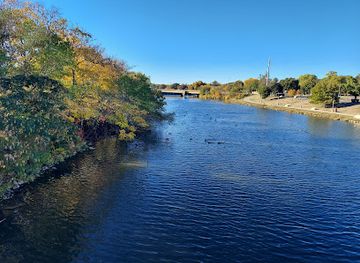
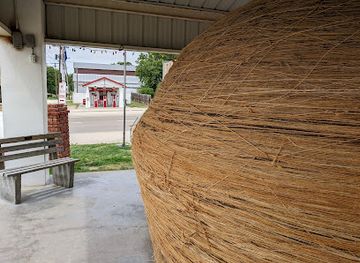
Big Brutus at West Mineral is the defining industrial landmark of the Cherokee Lowlands, its immense scale making the vanished coal-mining economy physically legible. Baxter Springs has a collection of landmarks associated with the Civil War, early settlement and Route 66, including the setting connected with Fort Blair and the town’s historic commercial centre. The Rainbow Bridge near Riverton is one of the most recognisable structures on the Kansas section of Route 66: its concrete arch reflects the engineering and roadside travel culture of the early twentieth century. Galena’s historic highway corridor preserves further evidence of the route’s former commercial life, while old mining landscapes around Cherokee County express the geological and industrial forces that shaped local communities. Spring River and the region’s wooded limestone country provide natural landmarks rather than monumental architecture, offering a contrasting sense of place. Together these sites show how Indigenous history, borderland conflict, mineral extraction and automobile travel have left visible marks on the landscape.
-
History museum
Strataca
Explore the fascinating world of salt mining at Strataca, Kansas's premier underground history museum offering engaging tours and exhibits.
-
Historical place
Fort Scott National Historic Site
Discover the fascinating history and heritage of Fort Scott National Historic Site, a premier tourist attraction in Kansas with rich military legacy.
-
Botanical garden
Ward-Meade Park
Explore the lush landscapes and rich history of Ward-Meade Park, a serene botanical garden and tourist attraction in Topeka, Kansas.
-
Museum
Amelia Earhart Birthplace Museum (Ninety-Nines)
Discover Amelia Earhart's inspiring legacy at her birthplace museum in Atchison, Kansas – a must-visit for aviation and history enthusiasts.



Explore Cherokee Lowlands on the map
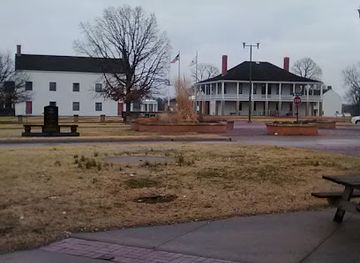
Plan your trip on one map. See where the top cities, national parks and sights are, and book hotels and experiences in a few clicks.
Best hotels in Cherokee Lowlands
Best restaurants in Cherokee Lowlands
Dining in the Cherokee Lowlands reflects south-eastern Kansas’s practical small-town food culture and its proximity to Missouri and Oklahoma. Independent cafés, family restaurants, diners and traditional public-house-style eateries are more common than formal destination dining, with menus often built around burgers, steaks, sandwiches, fried chicken, barbecue and familiar Midwestern comfort food. Catfish and other freshwater dishes appear in the broader regional food landscape, while seasonal produce, baked goods and locally sourced farm products may be found at community markets or roadside stands. Baxter Springs, Galena, Columbus and Pittsburg, just outside the core lowlands, provide the widest choice of cafés and restaurants. Visitors should distinguish Kansas-style barbecue and local diner cooking from dishes with a specifically Cherokee Lowlands origin; the area’s culinary identity is regional and cross-border rather than defined by one signature recipe. Coffee stops and breakfast counters are particularly useful on driving itineraries.
-
New American
Yard House
Discover Yard House in Kansas City: A vibrant gastropub offering New American cuisine and an extensive craft beer selection amidst the Legends Outlets.
-
American
Jazz a Louisiana Kitchen
Savor authentic Louisiana cuisine at Jazz a Louisiana Kitchen in Kansas City – where every dish tells a story of culture and flavor.
-
Steak
LongHorn Steakhouse
Experience mouthwatering steaks and classic American cuisine at LongHorn Steakhouse in Kansas City - perfect for families and steak lovers.
-
Italian
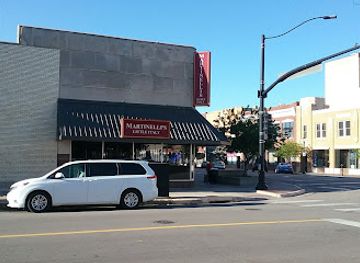
Martinelli's Little Italy
Discover authentic Italian cuisine at Martinelli's Little Italy in Salina - where every dish tells a story!


Best bars in Cherokee Lowlands
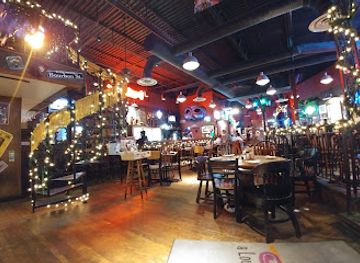
Evening life in the Cherokee Lowlands is centred on local bars, restaurants, taverns, community events and the occasional live-music setting rather than a concentrated nightclub district. Baxter Springs, Columbus and Galena provide the most likely town-based options, while larger nightlife choices are found outside the region in nearby Pittsburg or Joplin, Missouri. Traditional bars may serve as informal meeting places, and seasonal festivals, fairs and music events can bring livelier evenings to otherwise quiet communities. Craft beer and cocktails are available in the wider Four-State area, but visitors should not assume that every small town has late-night service. Distances between settlements, limited taxi availability and rural roads make arranging a sober driver or other transport important. Dining, conversation and local events are often more characteristic of the area’s evening culture than clubbing.
-
Grill
Danny's Bar & Grill North
Experience the vibrant flavors and welcoming atmosphere at Danny's Bar & Grill North in Kansas City, the perfect spot for casual dining and local favorites.
-
Wine bar
Louie's Wine Dive and Kitchen 119
Discover Louie's Wine Dive and Kitchen 119 in Overland Park, where fine wines meet creative American cuisine in a warm and inviting atmosphere.
-
Restaurant
Radius Brewing Company
Discover the vibrant craft beer scene and delightful dining at Radius Brewing Company in Emporia, Kansas.
-
Grill
Double Nickel
Discover Double Nickel in Olathe, Kansas: Where Grilled Delights Meet Lively Entertainment in a Casual Bar Setting.



Best nightclubs in Cherokee Lowlands
Evening life in the Cherokee Lowlands is centred on local bars, restaurants, taverns, community events and the occasional live-music setting rather than a concentrated nightclub district. Baxter Springs, Columbus and Galena provide the most likely town-based options, while larger nightlife choices are found outside the region in nearby Pittsburg or Joplin, Missouri. Traditional bars may serve as informal meeting places, and seasonal festivals, fairs and music events can bring livelier evenings to otherwise quiet communities. Craft beer and cocktails are available in the wider Four-State area, but visitors should not assume that every small town has late-night service. Distances between settlements, limited taxi availability and rural roads make arranging a sober driver or other transport important. Dining, conversation and local events are often more characteristic of the area’s evening culture than clubbing.
-
Night club
Aura
Discover Aura, Kansas City's ultimate night club and event venue, where vibrant nightlife meets unforgettable experiences.
-
Night club
Touche The Night Club
Discover the electrifying nightlife at Touche The Night Club in Overland Park, where music, dancing, and fun meet in an unforgettable atmosphere.
-
Bar
Idle-A-While
Discover the charm of Idle-A-While, a cozy bar in Cherokee, Kansas, perfect for relaxation and enjoying local brews.
-
Night club
Outlaws
Experience the vibrant nightlife at Outlaws, Salina's top night club and bar, perfect for dancing and enjoying a wide selection of drinks.


Best shops in Cherokee Lowlands
Shopping in the Cherokee Lowlands is primarily local and practical, with small-town high streets, independent shops, antique dealers, second-hand stores, craft outlets and heritage-themed retailers forming the main offer. Baxter Springs, Galena and Columbus are useful places to look for Route 66 memorabilia, regional books, locally made crafts, vintage objects and souvenirs connected with mining or south-eastern Kansas. Farmers’ markets and seasonal community events may provide honey, baked goods, preserves, produce and handmade items, although schedules vary through the year. Visitors interested in mining history can often find books, photographs and interpretive material through museums or heritage organisations rather than conventional shops. The area does not have the extensive designer or department-store retail found in larger cities; for a broader commercial selection, Pittsburg or nearby Joplin, Missouri, lies outside the region. Buying from independent businesses supports the small communities that maintain the lowlands’ historic main streets.
-
Shopping mall
NewMarket Square
Explore NewMarket Square: Wichita's Premier Shopping Mall with Unique Stores, Delicious Dining, and Family-Friendly Entertainment.
-
Department store
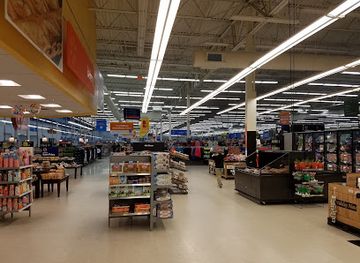
Walmart Supercenter
Explore Walmart Supercenter in Pittsburg, KS: your ultimate destination for groceries, electronics, clothing, and more—all at budget-friendly prices.
-
Boutique
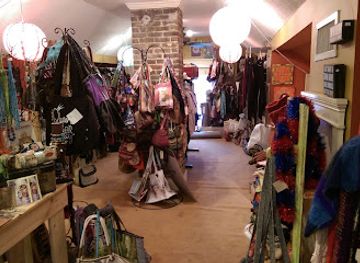
Junque Drawer Boutique-Studio
Explore the charming Junque Drawer Boutique-Studio in Olathe for unique vintage treasures and handcrafted gifts that reflect local artistry.
-
Antique store
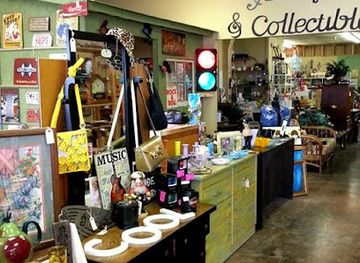
Green Expressions
Explore Green Expressions in Olathe, Kansas – a delightful antique store filled with unique treasures and vintage charm.
Get your free copy of our complete guide to Cherokee Lowlands, delivered straight to you.
Everything on this page, from attractions and restaurants to essentials and local phrases, in one PDF you can read offline, print or share.
Already have an account? Sign in
Your Cherokee Lowlands guide is ready.
We'll send it to · Not you? Sign out

Getting your guide ready…
We are putting together a fresh copy of the Cherokee Lowlands guide. This can take up to a minute.
This can take a few moments. If your browser asks, choose Allow so the download can start. You'll find the guide in your Downloads folder.
Nothing happened? Download it again
Sorry, the guide is taking longer than usual. Please try again in a minute, or get it by email instead.
Cherokee Lowlands essentials
Currency and Payment
Safety
Emergency Situations
Do's and Don'ts
Local Tips
From Eve
Local phrases worth knowing
You don't need to get them perfect. A few words go a long way, and locals appreciate the effort.
Basics
| English | Local | Say it |
|---|---|---|
| Hello | ᎣᏏᏲ | [Osiyoh] |
| Goodbye | ᎯᎠᎩᎦ | [Hia'kiga] |
| Yes | ᎩᎦ | [Giga] |
| No | ᎩᎦᎵ | [Gigal] |
| Please/You're welcome | ᎦᏙᎢ | [Gadoi] |
| Thank you | ᎭᏢᏙ | [Hatldo] |
| Excuse me/Sorry | ᎦᎸᏉᏟ | [Galvquoti] |
| How are you? | ᎯᎦᎡᎵᏍᏗ? | [Higaelisd?] |
| Fine. And you? | ᎩᎦᏟ, ᎯᎦᎡᎵᏍᏗ? | [Gigatli, Higaelisd?] |
| Do you speak English? | ᎯᎦᎡᏗ ᎡᏓᏍᏗ? | [Higaedi Edasdi?] |
| I don't understand | ᏩᏙᏓ ᎨᏒᏡᏙ | [Wadoda Gesvtdo] |
Eating & Drinking
| English | Local | Say it |
|---|---|---|
| I'd like to see the menu, please | ᎩᎦᏟ ᎠᏍᏆᏟ ᏖᏥᏍᏆᏅ ᏙᎢ | [Gigatli Asqati Tejisan Doi] |
| I don't eat meat | ᏩᏙᏓ ᏣᏅᏗ | [Wadoda Tzandhi] |
| Cheers! | ᎤᏓᏅᏙ | [Udanvdo] |
| I would like to pay, please | ᎩᎦᏟ ᏂᏧᏁᎶᏗ, ᏙᎢ | [Gigatli Nitsunelodi, Doi] |
Emergencies
| English | Local | Say it |
|---|---|---|
| Help! | ᎦᏍᏆᏅ | [Gashan] |
| Go away! | ᎯᏧᏗ! | [Hitsudi!] |
| Call the Police! | ᏥᏍᏆᏟ ᏅᏙᏗᏏ! | [Tsqsati Ndotisi!] |
| Call a doctor! | ᏥᏍᏆᏟ ᏥᏍᏆᏗ! | [Tsqsati Tsqsadi!] |
| I'm lost | ᏩᏙᏓ ᏅᏙᏗᏍᏗ | [Wadoda Ndotisd] |
| I'm ill | ᏩᏙᏓ ᎦᏅᏗ | [Wadoda Gandi] |
Shopping
| English | Local | Say it |
|---|---|---|
| I'd like to buy... | ᎩᎦᏟ ᏥᏍᏆᏟ ᏕᏟᏗ | [Gigatli Tsqsati Detsidi] |
| I'm just looking | ᏩᏙᏓ ᏔᏅᏗᏍᏗ | [Wadoda Tanidisd] |
| How much is it? | ᎯᎦᎡᎵᏍᏗ ᎦᏟᏙ? | [Higaelisd Gatido?] |
| That's too expensive | ᎯᎦᎡᏗ ᎡᏙ ᎩᎦᏟᏙ | [Higaedi Edoh Gigatido] |
| Can you lower the price? | ᎯᎦᎡᏗ ᏄᏔᏅᏗ ᏕᏟᏗ? | [Higaedi Nuthandi Detidi?] |
Time & Numbers
| English | Local | Say it |
|---|---|---|
| What time is it? | ᎯᎦᎡᎵᏍᏗ ᎢᏆᏍᏆ? | [Higaelisd Ichasqa?] |
| It's one o'clock | ᏱᎦᏙ ᎦᏟᏙ | [Yigado Gatido] |
| Half past (10) | ᏖᏥ ᏤᏅᏘ (10) | [Teji Tsenhdi (10)] |
| Morning | ᏅᏙ | [Ndo] |
| Afternoon | ᎢᏅᏘ | [Invti] |
| Evening | ᏓᏁᏉ | [Daneqo] |
| Yesterday | ᏓᏅᏙ | [Danido] |
| Today | ᏅᏙᎢ | [Ndoi] |
| Tomorrow | ᏅᏙᎯ | [Ndohi] |
| 1 | ᏤᏍᏆ | [Tsesqa] |
| 2 | ᏦᏍᏆ | [Tsoqsqa] |
| 3 | ᏧᏍᏆ | [Tsisqa] |
| 4 | ᏨᏍᏆ | [Tsasqa] |
| 5 | ᏥᏍᏆ | [Tsisqa] |
| 6 | ᏦᏍᏆ | [Tsoqsqa] |
| 7 | ᏧᏍᏆ | [Tsisqa] |
| 8 | ᏨᏍᏆ | [Tsasqa] |
| 9 | ᏧᏍᏆ | [Tsisqa] |
| 10 | ᏦᏍᏆ | [Tsoqsqa] |
Transport & Directions
| English | Local | Say it |
|---|---|---|
| Where's a/the...? | ᎯᎦᎡᎵᏍᏗ ᏕᏟᏗ? | [Higaelisd Detidi?] |
| What's the address? | ᏯᏄᎬᏗ ᎦᏟᏙ? | [Yanuqvd Gatido?] |
| Can you show me (on the map)? | ᎯᎦᎡᏗ ᎠᎾᏟ ᏗᏙᎢ? | [Higaedi Anati Doi?] |
| When's the next (bus)? | ᏗᏓᏍᏆᏗ ᏧᏬᏗ? | [Didashqadi Tsuwodi?] |
| A ticket (to ....) | ᏓᏅᏟᏗ (ᎠᏟ....) | [Danqtid (Ati....)] |
History of Cherokee Lowlands
Indigenous Homelands and Early Overland Routes
The Cherokee Lowlands lie within a wider landscape shaped by Indigenous peoples, including the Osage and other nations whose territories, trading relationships and movements predated American settlement. The region’s rivers, wooded valleys and mineral resources influenced travel and seasonal use. In the nineteenth century, federal removal policies and the forced relocation of the Cherokee and other southeastern peoples transformed the political geography of the area. The name Cherokee reflects this history, although the region’s Indigenous past is broader than the identity of any single nation.
Settlement and the Formation of Cherokee County
Kansas became a US state in 1861, and settlement in the south-east accelerated during the decades that followed. Farms, trading posts, county seats and emerging communities developed along roads and waterways, with Columbus becoming the seat of Cherokee County. The county’s position beside Missouri and Oklahoma placed it within a busy borderland where commercial, political and family connections crossed state lines. Early buildings, cemeteries and town plans preserve parts of this transition from frontier settlement to established agricultural society.
Civil War Borderland, 1861–1865
South-eastern Kansas was deeply affected by the Civil War and the violence of the nearby Missouri border. Baxter Springs was the site of the Baxter Springs Massacre in October 1863, when Confederate guerrillas attacked Union soldiers and teamsters associated with the nearby military post. The episode illustrates the instability of the border region, where military operations, irregular warfare and divided loyalties shaped civilian life. Fort Blair, whose remains are associated with Baxter Springs, and local historical interpretation help place the town within this wider wartime story.
Coal, Lead and Zinc Mining
Mineral extraction transformed the Cherokee Lowlands from the late nineteenth century onwards. Coal mining developed in and around Cherokee County, while lead and zinc deposits connected the area to the wider Tri-State mining district extending into south-west Missouri and north-east Oklahoma. Companies, railways and immigrant labour communities grew around the workings, bringing wealth and employment but also dangerous conditions, polluted waterways and lasting changes to the land. The abandoned workings, mining towns, museums and Big Brutus at West Mineral remain visible reminders of this industrial era.
Railways, Roads and Regional Commerce
Railways provided the essential link between mines, farms and markets, moving mineral output and supplies through the south-eastern Kansas borderlands. Towns such as Baxter Springs, Galena and Columbus developed commercial roles that depended on transport connections and agricultural trade. Later, improved roads altered the pattern of movement again. The region’s historic highways connected local businesses with long-distance travellers, helping roadside cafés, service stations and small-town main streets become part of a broader American motoring culture.
Route 66 and the Automobile Era
The historic US Route 66 passed through south-eastern Kansas for a short but memorable stretch, entering near Galena and continuing through Riverton and Baxter Springs before reaching Oklahoma. Though the original highway designation has been replaced, surviving bridges, roadside features and restored buildings preserve its importance. Route 66 brought a new kind of mobility and commerce, linking local communities to national travel narratives. Today, the Kansas section is valued for its concentrated collection of small-town and roadside heritage rather than for its length.
Post-Mining Change and Heritage Renewal
As large-scale mining declined, communities across the Cherokee Lowlands faced population loss, environmental repair and the challenge of diversifying local economies. Agriculture, manufacturing, public services and heritage tourism became increasingly important. Museums, historic downtown projects, Route 66 organisations and the preservation of industrial structures have helped communities interpret the past without concealing its costs. Contemporary Cherokee County is therefore both a rural working region and a place where mining, transport and borderland history remain central to civic identity.
Cherokee Lowlands in Photos
Browse through our photo collection highlighting the charm and character of the destination.
Neighbouring regions of Cherokee Lowlands
The closest regions to Cherokee Lowlands, if you have time for more than one.
-

-
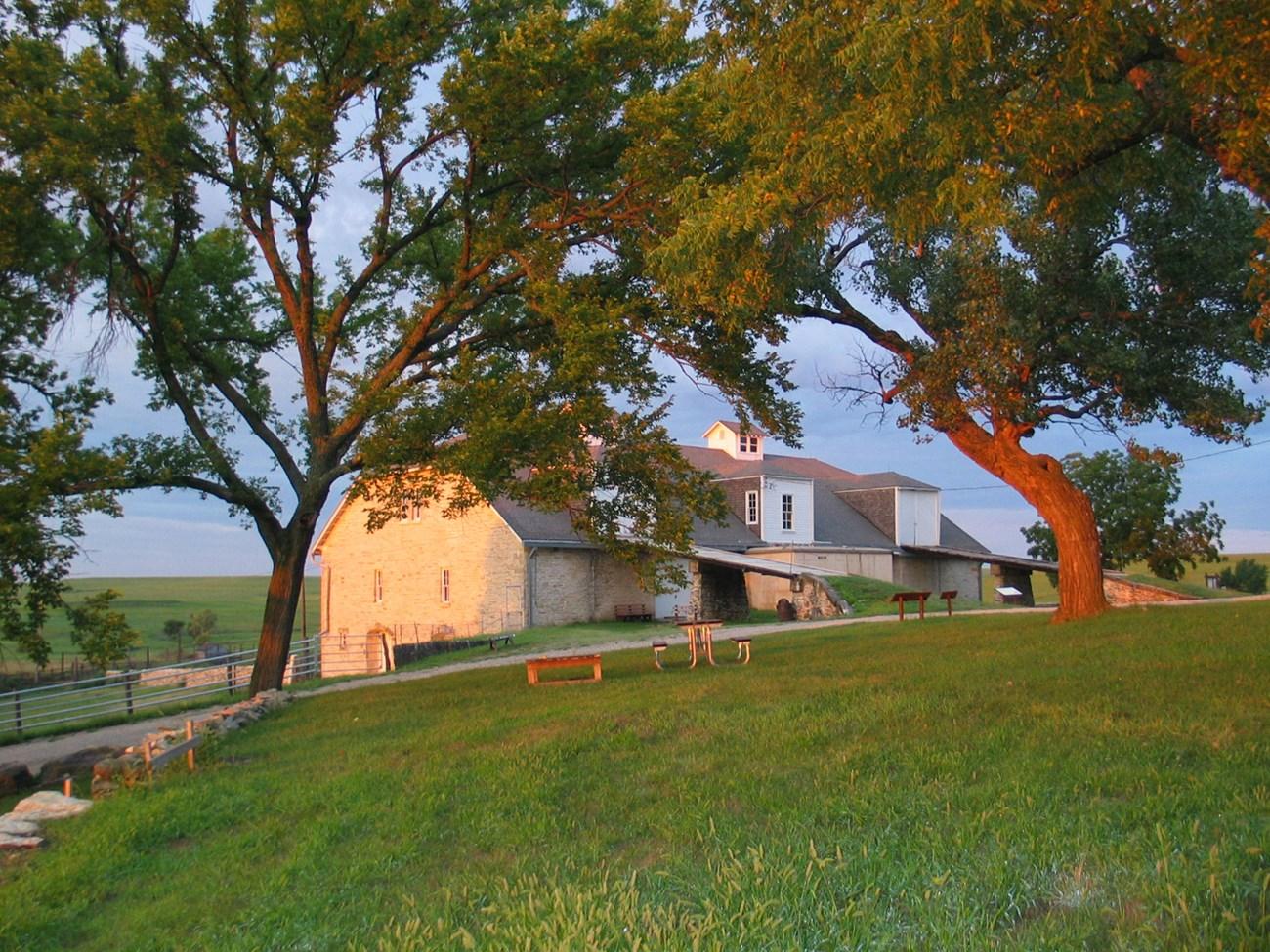 Cross Timbers
Explore Cross Timbers Kansas for oak woodland, reservoirs, small-town history, outdoor recreation and the layered heritage of southeastern Kansas.
Cross Timbers
Explore Cross Timbers Kansas for oak woodland, reservoirs, small-town history, outdoor recreation and the layered heritage of southeastern Kansas.
-

-

-


Swipe for more regions
Explore more

Explore more of Kansas
Explore Kansas: Where history, nature, and small-town charm converge in the heart of America. Discover prairies, cultural landmarks, and delicious cuisine in the Sunflower State.
Explore Kansas