

Free Southeast Kansas Travel Guide & Mobile App
Explore Southeast Kansas with free travel guides. Discover regional history, expert tips, proposed trips, and audio guides on web or mobile app.


Discover the blend of natural beauty, rich history, and unique cultural experiences in Southeast Kansas, a hidden gem in the heartland of the United States.
Read more about Southeast Kansas
Getting to and around Southeast Kansas
How to get there
Transportation
Top city travel guides in Southeast Kansas
The cities of Southeast Kansas, and the easiest places to base yourself.

Swipe for more cities
Destinations in Southeast Kansas
Resorts, valleys and scenic spots worth a trip of their own.
-
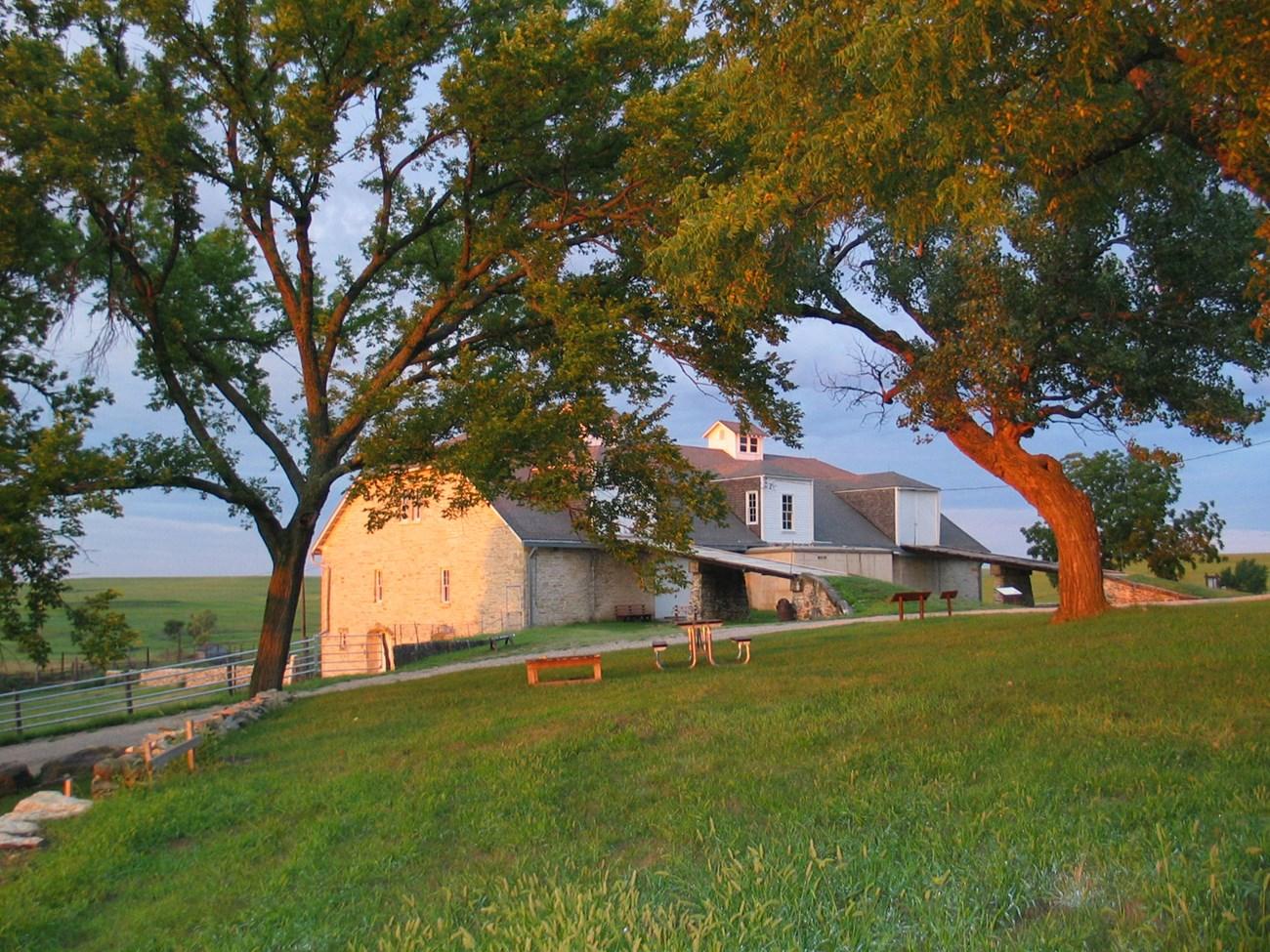 Flint Hills
Discover the unspoiled beauty and rich heritage of the Flint Hills in Kansas, where rolling prairies, diverse wildlife, and historic sites await your exploration.
Flint Hills
Discover the unspoiled beauty and rich heritage of the Flint Hills in Kansas, where rolling prairies, diverse wildlife, and historic sites await your exploration.
-
 Chautauqua Hills
Discover the serene beauty of Chautauqua Hills in Kansas, where rolling landscapes, lush woodlands, and rich history create an unforgettable outdoor adventure.
Chautauqua Hills
Discover the serene beauty of Chautauqua Hills in Kansas, where rolling landscapes, lush woodlands, and rich history create an unforgettable outdoor adventure.
Swipe for more destinations
Best attractions in Southeast Kansas
Southeast Kansas, a hidden gem in the heartland of America, offers an intriguing blend of history, nature, and small-town charm, perfect for travelers seeking an authentic experience off the beaten path. Dive into the region's rich mining heritage at the Miners Hall Museum in Franklin, where you can learn about the struggles and triumphs of coal miners through engaging exhibits. For a taste of the arts, visit Pittsburg's historic Colonial Fox Theatre, a beautifully restored 1920s venue that hosts a variety of cultural events. Outdoor enthusiasts will be captivated by the picturesque landscapes of the Southeast Kansas Nature Center in Galena, where scenic trails provide opportunities for hiking and birdwatching. Don't miss a stroll through the quaint downtown of Fort Scott, where you can step back in time at the Fort Scott National Historic Site, a well-preserved 19th-century military fort. With its unique combination of history, culture, and natural beauty, Southeast Kansas promises an enriching journey for all who venture there.
-
Zoo
Riverside Park and Ralph Mitchell Zoo
Explore Riverside Park and Ralph Mitchell Zoo, a family-friendly oasis in Independence, Kansas, featuring wildlife, scenic trails, and engaging attractions.
-
Tourist attraction
Cars on the Route
Explore Cars on the Route in Galena, Kansas - a nostalgic stop featuring vintage cars, a delightful gift shop, and classic American dining.
-
History museum
Little House on the Prairie Museum
Explore the Little House on the Prairie Museum and immerse yourself in the rich history of pioneer life and the legacy of Laura Ingalls Wilder.
-
Tourist attraction
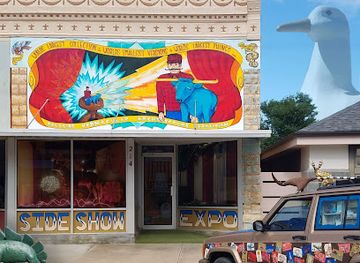
World's Largest Things, Inc.
Explore the quirky charm of the World's Largest Things in Lucas, Kansas, a delightful exhibit showcasing oversized attractions that inspire wonder and creativity.
Best landmarks in Southeast Kansas
Southeast Kansas brims with historical intrigue and natural beauty, offering visitors a captivating journey through time and nature. Begin your adventure at the stunning Big Brutus, the world's largest electric shovel, towering impressively against the Kansas sky and providing a glimpse into the area's mining heritage. Follow the trails to the Little House on the Prairie Museum in Independence, where the spirit of Laura Ingalls Wilder's classic tales comes alive amidst authentic log cabins and schoolhouses. Dive deeper into history at the Martin and Osa Johnson Safari Museum in Chanute, where the fascinating lives of early 20th-century explorers unravel through exotic artifacts and adventurous tales. For a touch of serenity, the verdant expanses of the Elk City State Park invite you to hike, camp, and immerse yourself in the tranquility of nature, while the Dalton Defenders Museum in Coffeyville recounts the gripping story of the infamous Dalton Gang's last stand. Each landmark in Southeast Kansas promises a unique story, inviting you to explore the rich tapestry of its past and the scenic beauty of its present.
-
War museum
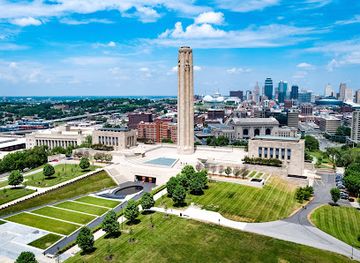
National WWI Museum and Memorial
Discover the profound history and honor the brave souls of World War I at the National WWI Museum and Memorial in Kansas City.
-
Tourist attraction
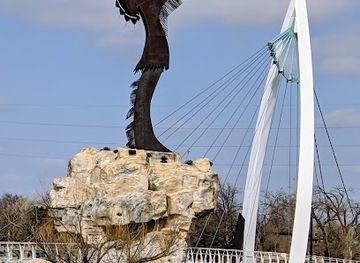
The Keeper of the Plains
Explore The Keeper of the Plains in Wichita, Kansas - a stunning tribute to Native American heritage surrounded by natural beauty.
-
Museum
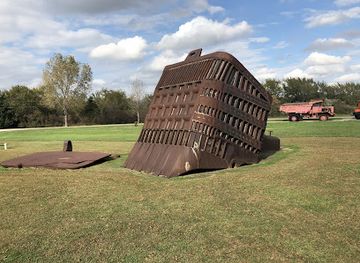
Big Brutus Inc
Discover the awe-inspiring Big Brutus Museum, home to the world's largest electric shovel and a captivating exploration of mining history in Kansas.
-
Zoo
Riverside Park and Ralph Mitchell Zoo
Experience the beauty and excitement of Riverside Park and Ralph Mitchell Zoo, a premier family-friendly destination in Independence, Kansas.
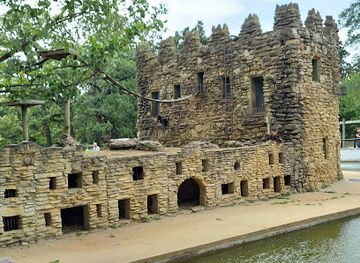
Explore Southeast Kansas on the map
Plan your trip on one map. See where the top cities, national parks and sights are, and book hotels and experiences in a few clicks.
Best hotels in Southeast Kansas
Best restaurants in Southeast Kansas
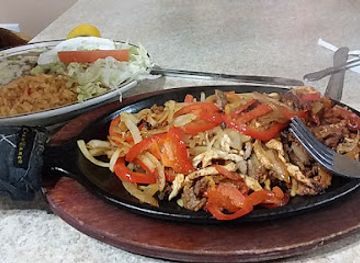
Southeast Kansas offers a surprising culinary tapestry that reflects its rich cultural heritage and agricultural bounty. Visitors can embark on a gastronomic journey through charming small towns where rustic diners serve up hearty Midwestern classics alongside farm-to-table eateries showcasing local produce. The region is a haven for barbecue enthusiasts, with smokehouses offering melt-in-your-mouth ribs and brisket, seasoned to perfection with secret family recipes. In the heart of this area, historic venues have been transformed into eclectic restaurants where you can savor everything from authentic Mexican dishes to soul-warming Italian pastas. Don’t miss the chance to visit the local breweries and distilleries, which offer a taste of Kansas craftsmanship in every sip, making Southeast Kansas a delightful destination for any food lover.
-
Mexican
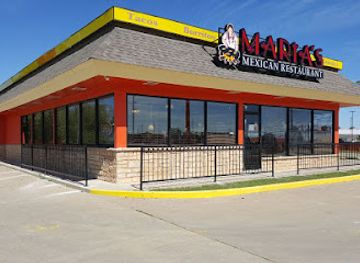
Maria Mexican Restaurant
Discover a slice of Mexico in Independence at Maria Mexican Restaurant - where every dish tells a story.
-
Mexican
El Pueblito Mexican Restaurant
Discover authentic Mexican flavors at El Pueblito Mexican Restaurant in Independence - where every meal feels like a fiesta!
-
American
The Grain Bin Restaurant
Discover the heart of American cuisine at The Grain Bin Restaurant in Chanute, KS – where delicious food meets warm hospitality.
-
Mexican
El Pueblito
Discover authentic Mexican cuisine at El Pueblito in Parsons, KS - where every dish tells a story of tradition and flavor.
Best bars in Southeast Kansas
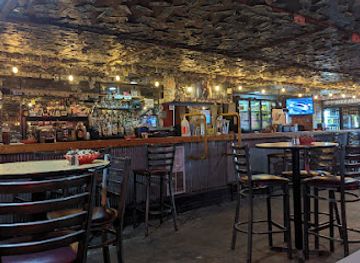
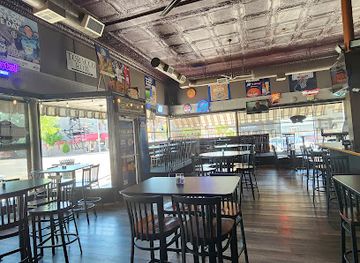
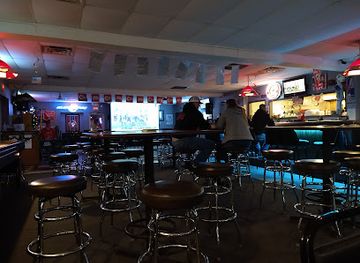
Southeast Kansas may not be the first place that springs to mind when thinking of nightlife, but this charming region offers a surprisingly vibrant and eclectic scene that caters to a variety of tastes. Visitors can enjoy a night out in the lively college town of Pittsburg, where bustling brewpubs and energetic music venues showcase local talent and craft beers that reflect the area's rich brewing tradition. For a more laid-back experience, small-town gems like Chanute and Iola provide cozy taverns with a warm, welcoming atmosphere, where you can sip on expertly-mixed cocktails and engage in friendly conversations with locals. Throughout the region, historic buildings have been transformed into quirky bars and speakeasies, offering both nostalgia and a touch of modernity, while events such as live music nights, open mic sessions, and themed parties ensure there's always something happening after dark. Whether you're in the mood for a relaxed drink or a night of dancing, Southeast Kansas promises a memorable and unique nightlife experience infused with the warmth and charm of the heartland.
-
Grill
Stoney's Grub and Pub
Experience the best of local cuisine and hospitality at Stoney's Grub and Pub in Independence, Kansas.
-
Grill
Uncle Jack's Bar & Grill
Discover the vibrant tastes of Independence, Kansas at Uncle Jack's Bar & Grill, where every meal is a celebration of local hospitality.
-
Grill
Ballers Sports Bar and Grill
Experience the excitement of sports and delicious grill fare at Ballers Sports Bar and Grill in Parsons, Kansas – a perfect gathering spot for all!
-
Grill
5th Street Bar & Grill
Discover the vibrant 5th Street Bar & Grill in Pittsburg, KS, where delicious food meets a lively atmosphere and live music creates unforgettable moments.

Best nightclubs in Southeast Kansas
Southeast Kansas may not be the first place that springs to mind when thinking of nightlife, but this charming region offers a surprisingly vibrant and eclectic scene that caters to a variety of tastes. Visitors can enjoy a night out in the lively college town of Pittsburg, where bustling brewpubs and energetic music venues showcase local talent and craft beers that reflect the area's rich brewing tradition. For a more laid-back experience, small-town gems like Chanute and Iola provide cozy taverns with a warm, welcoming atmosphere, where you can sip on expertly-mixed cocktails and engage in friendly conversations with locals. Throughout the region, historic buildings have been transformed into quirky bars and speakeasies, offering both nostalgia and a touch of modernity, while events such as live music nights, open mic sessions, and themed parties ensure there's always something happening after dark. Whether you're in the mood for a relaxed drink or a night of dancing, Southeast Kansas promises a memorable and unique nightlife experience infused with the warmth and charm of the heartland.
-
Night club
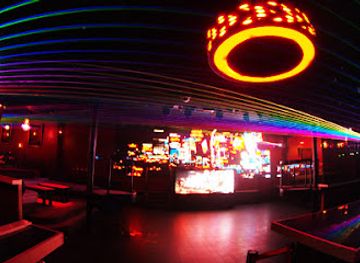
Aura
Discover the vibrant nightlife of Aura in Kansas City, where top DJs, stunning light shows, and an electrifying atmosphere await you.
-
Bar
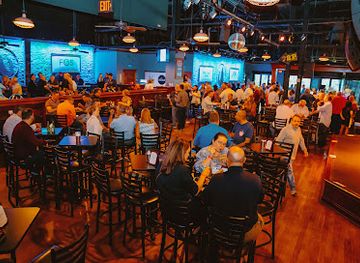
Howl at the Moon Kansas City
Discover the ultimate nightlife experience at Howl at the Moon Kansas City, where live music, cocktails, and fun come together for an unforgettable evening.
-
Night club
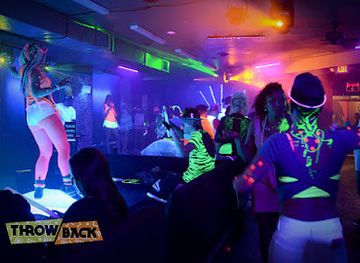
Throwback KC
Experience the vibrant nightlife at Throwback KC, where music, dancing, and socializing come together in Kansas City's historic Old Westport.
-
Night club
Nytro Bar & Grille
Experience the vibrant nightlife at Nytro Bar & Grille in Kansas City, where great food and live music create unforgettable evenings.

Best shops in Southeast Kansas
Southeast Kansas offers a delightful blend of unique shopping experiences that reflect the rich cultural tapestry and historical significance of the area. Visitors can explore charming boutiques nestled in picturesque small towns like Pittsburg and Parsons, where handcrafted goods and locally made artisanal products line the shelves, offering a tangible connection to the region's craft traditions. Antique lovers will revel in the treasure troves of vintage finds in the quaint antique shops scattered throughout the area, each piece telling a story of its own. Additionally, vibrant local markets and fairs provide a chance to mingle with friendly locals while discovering fresh produce, homemade delicacies, and one-of-a-kind souvenirs that capture the spirit of Southeast Kansas. Whether you're seeking a vintage keepsake, a handcrafted piece of art, or simply a taste of local flavor, the shopping scene in Southeast Kansas promises an immersive and memorable experience.
-
Shopping mall
Legends Outlets Kansas City
Discover top brands and exclusive deals at Legends Outlets Kansas City, your ultimate shopping destination in the heart of Kansas.
-
Shopping mall
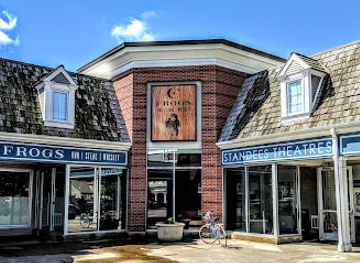
The Shops of Prairie Village
Discover unique shops and delightful dining at The Shops of Prairie Village, a charming shopping destination in Kansas.
-
Gift shop
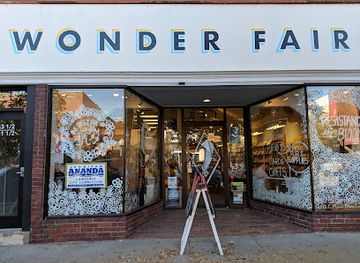
Wonder Fair
Discover a unique gift shop in Lawrence, KS, specializing in art supplies, stationery, and eclectic gifts that inspire creativity and joy.
-
Gift shop
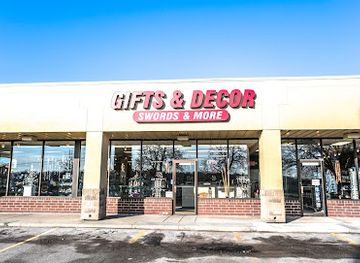
Gifts & Decor Swords & More
Explore a unique blend of gifts, herbs, and metaphysical items at Gifts & Decor Swords & More in Olathe, Kansas, a treasure trove for every visitor.
Get your free copy of our complete guide to Southeast Kansas, delivered straight to you.
Everything on this page, from attractions and restaurants to essentials and local phrases, in one PDF you can read offline, print or share.
Already have an account? Sign in
Your Southeast Kansas guide is ready.
We'll send it to · Not you? Sign out

Getting your guide ready…
We are putting together a fresh copy of the Southeast Kansas guide. This can take up to a minute.
This can take a few moments. If your browser asks, choose Allow so the download can start. You'll find the guide in your Downloads folder.
Nothing happened? Download it again
Sorry, the guide is taking longer than usual. Please try again in a minute, or get it by email instead.
Southeast Kansas essentials
Currency and Payment
Safety
Emergency Situations
Do's and Don'ts
Local Tips
From Eve
Local phrases worth knowing
You don't need to get them perfect. A few words go a long way, and locals appreciate the effort.
Basics
| English | Local | Say it |
|---|---|---|
| Hello | Howdy | [hau-dee] |
| Goodbye | See ya later | [see ya lay-ter] |
| Yes | Yep | [yehp] |
| No | Nope | [nohp] |
| Please/You're welcome | Please / No problem | [pleez / no prob-lum] |
| Thank you | Thanks a bunch | [thangs a bun-ch] |
| Excuse me/Sorry | Excuse me / My bad | [ex-kyoos me / my bad] |
| How are you? | How ya doin'? | [how ya do-in?] |
| Fine. And you? | I'm doin' good. How 'bout you? | [I'm do-in good. how bout you?] |
| Do you speak English? | Do ya speak English? | [do ya speek English?] |
| I don't understand | I ain't gettin' it | [I ain't get-tin it] |
Eating & Drinking
| English | Local | Say it |
|---|---|---|
| I'd like to see the menu, please | Can I see the menu, please? | [can I see the men-oo, pleez?] |
| I don't eat meat | I don't eat meat | [I don't eet meet] |
| Cheers! | Cheers! | [cheerz] |
| I would like to pay, please | Can I get the check, please? | [can I get the chek, pleez?] |
Emergencies
| English | Local | Say it |
|---|---|---|
| Help! | Help! | [help] |
| Go away! | Leave me be! | [leave me bee] |
| Call the Police! | Call the cops! | [call the cops] |
| Call a doctor! | Get a doc! | [get a doc] |
| I'm lost | I ain't got a clue where I'm at | [I ain't got a klew where I'm at] |
| I'm ill | I'm feelin' sick | [I'm feel-in sick] |
Shopping
| English | Local | Say it |
|---|---|---|
| I'd like to buy... | I wanna buy... | [I wanna bye...] |
| I'm just looking | Just browsin' | [just brow-zin] |
| How much is it? | What’s the price? | [what's the pryce?] |
| That's too expensive | That costs too much | [that kosts too much] |
| Can you lower the price? | Can ya bring it down a bit? | [can ya bring it down a bit?] |
Time & Numbers
| English | Local | Say it |
|---|---|---|
| What time is it? | What time is it? | [what time is it?] |
| It's one o'clock | It's one o'clock | [it's one o'clock] |
| Half past (10) | Half past ten | [half past ten] |
| Morning | Mornin' | [morn-in] |
| Afternoon | Afternoon | [af-ter-noon] |
| Evening | Evenin' | [eve-nin] |
| Yesterday | Yesterday | [yes-ter-day] |
| Today | Today | [to-day] |
| Tomorrow | Tomorrow | [to-mor-row] |
| 1 | One | [wun] |
| 2 | Two | [too] |
| 3 | Three | [three] |
| 4 | Four | [for] |
| 5 | Five | [fiv] |
| 6 | Six | [siks] |
| 7 | Seven | [sev-en] |
| 8 | Eight | [ayt] |
| 9 | Nine | [nin] |
| 10 | Ten | [ten] |
Transport & Directions
| English | Local | Say it |
|---|---|---|
| Where's a/the...? | Where's the...? | [where's the...?] |
| What's the address? | What's the address? | [what's the ad-dress?] |
| Can you show me (on the map)? | Can ya show me on the map? | [can ya show me on the map?] |
| When's the next (bus)? | When's the next bus? | [when's the next bus?] |
| A ticket (to ....) | A ticket to ... | [a tiket to ...] |
History of Southeast Kansas
Early Native American Inhabitants
Long before European settlers arrived, Southeast Kansas was home to several Native American tribes, including the Osage, Kansa, and Cherokee. These tribes lived in harmony with the land, relying on its rich resources for sustenance and trade. The Osage, known for their hunting prowess, played a significant role in the region's history, establishing trading routes that would later be used by European explorers.
The Louisiana Purchase
In 1803, the United States acquired a vast expanse of land from France in what is known as the Louisiana Purchase. This monumental event included the land that would become Southeast Kansas. The purchase opened the door for American exploration and settlement, leading to significant changes in the region's demographic and cultural landscape.
The Santa Fe Trail
The Santa Fe Trail, established in the early 19th century, was a critical trade route that passed through Southeast Kansas. This trail connected Missouri to Santa Fe, New Mexico, and facilitated the exchange of goods and culture between the United States and Mexico. Towns such as Baxter Springs became important waypoints for traders and travelers, leaving a lasting imprint on the region's development.
Bleeding Kansas
In the 1850s, Southeast Kansas was a battleground for the violent confrontations between pro-slavery and anti-slavery factions, a period known as Bleeding Kansas. This conflict was a precursor to the Civil War and highlighted the deep divisions within American society. Key locations such as Fort Scott played pivotal roles during this tumultuous time, serving as military outposts and centers of political activity.
The Civil War
During the Civil War, Southeast Kansas saw significant military activity. The Battle of Mine Creek, one of the largest cavalry engagements of the war, took place in this region. Union forces clashed with Confederate troops, and the outcome of such battles helped shape the course of the war. The region's strategic importance and the bravery of its inhabitants are well-documented in Civil War history.
Post-Civil War Development
Following the Civil War, Southeast Kansas experienced rapid growth and development. The arrival of the railroad in the late 19th century transformed the region, facilitating the movement of people and goods. Towns like Pittsburg and Parsons emerged as industrial centers, driven by the coal mining and rail industries. This period of economic expansion brought diverse communities and cultures to the area.
Coal Mining Boom
The late 19th and early 20th centuries saw a coal mining boom in Southeast Kansas. The rich coal deposits attracted thousands of immigrants, particularly from Europe, who sought employment in the mines. This influx of workers led to the establishment of vibrant, multicultural communities. The mining industry left a lasting legacy on the region's economy and landscape, with many former mining towns still bearing the marks of their industrial past.
The Legacy of the Dalton Gang
Southeast Kansas is also known for its connection to the infamous Dalton Gang, a group of outlaws active in the late 19th century. The gang's attempted double bank robbery in Coffeyville in 1892 ended in a deadly shootout, marking one of the most dramatic episodes in the region's history. Today, the Dalton Defenders Museum in Coffeyville commemorates this event and offers insights into the lawless days of the Old West.
Cultural Heritage and Festivals
The rich cultural heritage of Southeast Kansas is celebrated through numerous festivals and events. The Little Balkans Days Festival in Pittsburg, for example, honors the diverse immigrant communities that settled in the area. This event showcases traditional music, dance, and cuisine, reflecting the multicultural tapestry that defines the region. Such festivals are a testament to the enduring spirit and resilience of Southeast Kansas's communities.
Southeast Kansas in Photos
Browse through our photo collection highlighting the charm and character of the destination.
Neighbouring regions of Southeast Kansas
The closest regions to Southeast Kansas, if you have time for more than one.
-
 Cherokee Lowlands
Discover the serene beauty and rich history of the Cherokee Lowlands in Kansas, a perfect destination for nature lovers, outdoor enthusiasts, and history buffs.
Cherokee Lowlands
Discover the serene beauty and rich history of the Cherokee Lowlands in Kansas, a perfect destination for nature lovers, outdoor enthusiasts, and history buffs.
-
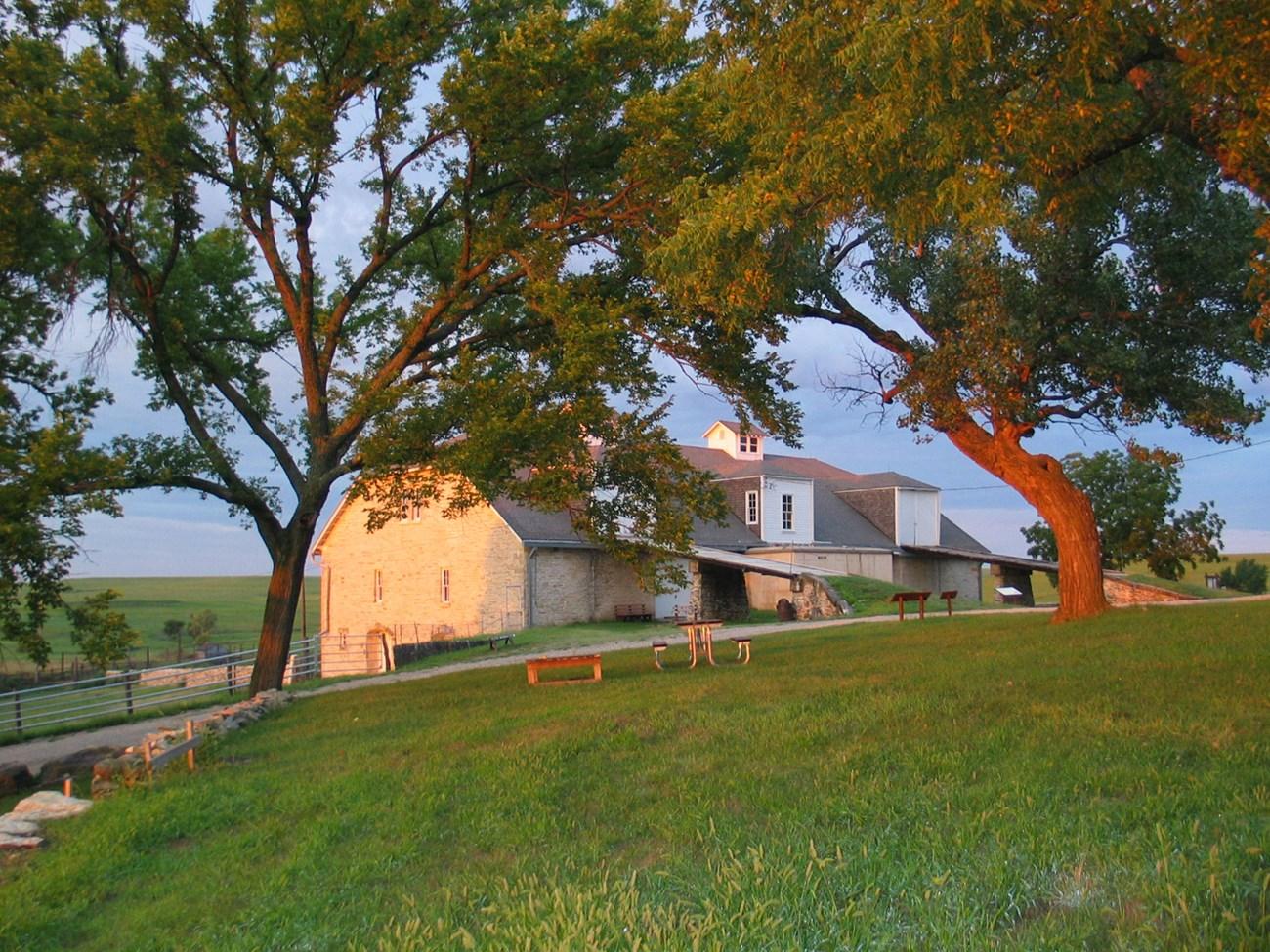 Cross Timbers
Explore the timeless beauty and rich biodiversity of the Cross Timbers in Kansas, where ancient forests and scenic prairies create an outdoor paradise for nature lovers.
Cross Timbers
Explore the timeless beauty and rich biodiversity of the Cross Timbers in Kansas, where ancient forests and scenic prairies create an outdoor paradise for nature lovers.
-
 Chautauqua Hills
Discover the serene beauty and rich heritage of the Chautauqua Hills in Kansas, where rolling landscapes and abundant wildlife create a perfect retreat for nature lovers.
Chautauqua Hills
Discover the serene beauty and rich heritage of the Chautauqua Hills in Kansas, where rolling landscapes and abundant wildlife create a perfect retreat for nature lovers.
-
 Osage Cuestas
Discover the serene beauty and rich history of Osage Cuestas in Kansas, where rolling hills, diverse wildlife, and cultural landmarks await.
Osage Cuestas
Discover the serene beauty and rich history of Osage Cuestas in Kansas, where rolling hills, diverse wildlife, and cultural landmarks await.
-
 Marais des Cygnes
Explore Marais des Cygnes, Kansas: A Sanctuary for Wildlife, History, and Tranquil Nature Escapes.
Marais des Cygnes
Explore Marais des Cygnes, Kansas: A Sanctuary for Wildlife, History, and Tranquil Nature Escapes.
Swipe for more regions

