

Free Chautauqua Hills Travel Guide & Mobile App
Explore Chautauqua Hills with free travel guides. Discover regional history, expert tips, proposed trips, and audio guides on web or mobile app.


Explore the Chautauqua Hills of southeastern Kansas for wooded prairie, sandstone country, small-town history, scenic drives and rural heritage.
Read more about Chautauqua Hills
When is the best time to visit Chautauqua Hills?
Best: April, September–October · 21–28°C| Month | High (°C) | Rainfall (mm) |
|---|---|---|
| January | 6 | 32 |
| February | 8 | 36 |
| March | 14 | 57 |
| April (best) | 21 | 76 |
| May | 26 | 122 |
| June | 31 | 124 |
| July | 33 | 105 |
| August | 33 | 104 |
| September (best) | 28 | 80 |
| October (best) | 21 | 73 |
| November | 14 | 54 |
| December | 8 | 38 |
Getting to and around Chautauqua Hills
How to get there
Transportation
Destinations in Chautauqua Hills
Resorts, valleys and scenic spots worth a trip of their own.

Swipe for more destinations
Best attractions in Chautauqua Hills
The Chautauqua Hills offer a low-key mix of rural scenery, local history and small-town cultural sites rather than a dense collection of major attractions. Sedan is the principal stop, with its courthouse square, historic commercial buildings and the Emmett Kelly Museum, which explores the life and legacy of the circus clown associated with the town. County and community museums in the surrounding towns preserve material relating to farming, schools, railways, oil production and domestic life, though opening arrangements can vary. Scenic drives through Chautauqua and Elk counties reveal wooded ridges, pasture, sandstone formations and creek valleys, while Elk Falls provides a focal point beside the Elk River. Birdwatching, photography, fishing where permitted and quiet walks are more characteristic outdoor activities than formal adventure tourism. Visitors should allow time for detours, check land access carefully and expect the landscape itself to be the principal attraction between settlements.
-
Riverside Park and Ralph Mitchell Zoo
Explore Riverside Park and Ralph Mitchell Zoo: A family-friendly attraction in Independence, Kansas, featuring diverse wildlife and fun outdoor activities.
-
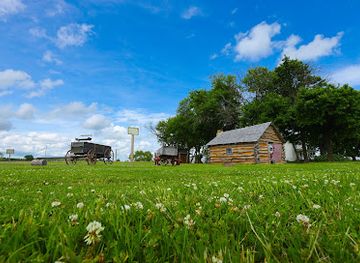
Little House on the Prairie Museum
Discover the spirit of American pioneering life at the Little House on the Prairie Museum, a unique open-air museum celebrating Laura Ingalls Wilder's legacy.
-
The Chautauqua Gemstone
Explore the Chautauqua Gemstone in Cedar Vale, Kansas – a stunning natural attraction showcasing geological beauty and serene landscapes.


Best landmarks in Chautauqua Hills
The most recognisable landmarks of the Chautauqua Hills are closely tied to its small towns, geology and waterways. Sedan's county courthouse square provides the clearest civic and architectural focal point, with the courthouse and surrounding historic commercial buildings illustrating the role of the town as Chautauqua County's administrative centre. The town's Emmett Kelly Museum is also a significant cultural marker because it preserves the connection between Sedan and one of America's best-known circus performers. Chautauqua itself gives the region its distinctive historical name and represents the continuing memory of the national educational movement that spread through American towns. Elk Falls, set beside the Elk River, is a natural and community landmark within the hill country, while wooded ridges, exposed sandstone and narrow river valleys define the wider visual character. Historic churches, cemeteries, oil-field traces and older farm buildings add local significance, although many lie on private land and should be viewed only from public roads or with permission.
-
History museum
Little House on the Prairie Museum
Discover the legacy of Laura Ingalls Wilder at the Little House on the Prairie Museum, where history comes alive in Independence, Kansas.
Explore Chautauqua Hills on the map
Plan your trip on one map. See where the top cities, national parks and sights are, and book hotels and experiences in a few clicks.
Best hotels in Chautauqua Hills
Best restaurants in Chautauqua Hills
-
Mexican
Maria Mexican Restaurant
Experience the authentic taste of Mexico at Maria Mexican Restaurant in Independence - where vibrant flavors meet warm hospitality.
-
Mexican
El Pueblito Mexican Restaurant
Experience vibrant flavors and warm hospitality at El Pueblito Mexican Restaurant in Independence, KS - A true taste of Mexico awaits!
-
American
The Grain Bin Restaurant
Discover The Grain Bin Restaurant: A family-friendly American eatery in Chanute serving hearty meals with genuine hospitality.
-
Fast Food
Toots Drive-In
Discover Toots Drive-In in Howard, Kansas - where delicious burgers meet classic Americana in a friendly fast food setting.


Best bars in Chautauqua Hills
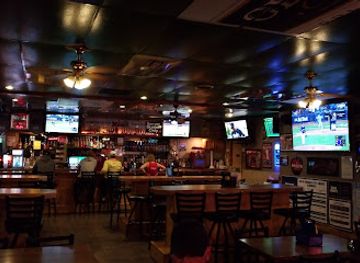
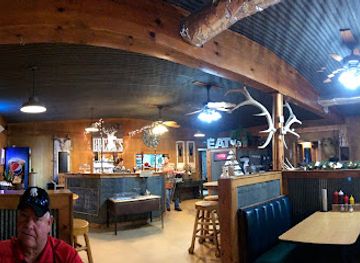
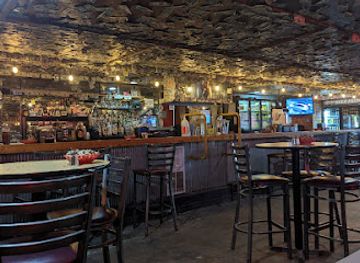
Evening life in the Chautauqua Hills is small-scale and community-based. Sedan and the other county-seat or service towns may have bars, cafés or casual restaurants where residents gather, while rural evenings generally centre on private homes, local events and quiet socialising rather than dedicated entertainment districts. Traditional American bars may serve beer, spirits and food, but opening arrangements and venues can change, so confirm locally rather than relying on outdated listings. There is no major nightclub scene across the hills, and visitors should plan entertainment around historic squares, museums, live community programmes, seasonal gatherings or an early dinner. Anyone drinking should arrange a sober driver because distances are long and public transport is limited. Larger nightlife options are found in regional cities outside the area.
-
Grill
Double Nickel
Experience vibrant dining and live entertainment at Double Nickel in Olathe, Kansas, where great food meets a fun atmosphere.
-
Barbecue
Buck's BBQ and Steakhouse & RV Park And Cabin Rental
Experience the authentic taste of Kansas at Buck's BBQ and Steakhouse, where mouth-watering barbecue and cozy cabin rentals await.
-
Grill
Stoney's Grub and Pub
Experience delicious grill favorites and a lively bar atmosphere at Stoney's Grub and Pub in Independence, Kansas.
-
Grill
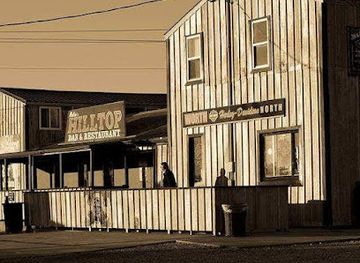
Hilltop Bar & Grill
Discover Hilltop Bar & Grill in Tonganoxie, KS - your go-to spot for delicious American food and a vibrant atmosphere.
Best nightclubs in Chautauqua Hills
-
 Ridge
Chautauqua Hills
Explore the natural beauty of Chautauqua Hills in Kansas, a serene escape perfect for hiking, wildlife watching, and breathtaking views.
Best shops in Chautauqua Hills
Shopping in the Chautauqua Hills is concentrated in the main streets and courthouse-square areas of towns such as Sedan, with smaller selections in other county communities. Independent shops, antique outlets, second-hand stores, local service businesses and occasional galleries reflect the region's modest rural retail economy. County museums and heritage organisations may sell books, postcards or locally relevant memorabilia, while seasonal markets and community events can provide homemade food, crafts and produce when scheduled. Useful regional purchases include Kansas food products, preserves, baked goods, books on local history and practical outdoor supplies rather than luxury goods or designer fashion. Retail hours can be limited, particularly in smaller settlements and outside regular weekday or Saturday periods, so plan shopping around museum visits and local events. Visitors should distinguish established shops from temporary stalls and confirm current arrangements before making a special journey.
-
History museum
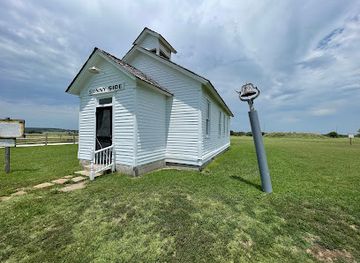
Little House on the Prairie Museum
Discover the authentic pioneer life and the legacy of Laura Ingalls Wilder at the Little House on the Prairie Museum in Independence, Kansas.
-
Animal feed store
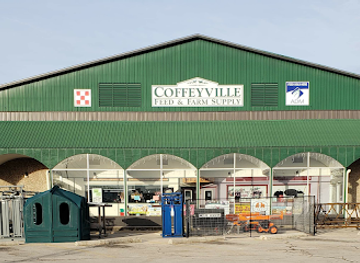
Coffeyville Feed & Farm Supply
Discover Coffeyville Feed & Farm Supply, your one-stop destination for animal feed, gardening supplies, and local meat products in Coffeyville, Kansas.
-
Liquor store
Gillham Retail Liquor
Discover a vast selection of liquors, wines, and craft beers at Gillham Retail Liquor in Coffeyville, KS, the perfect stop for every traveler.
-
Gift shop
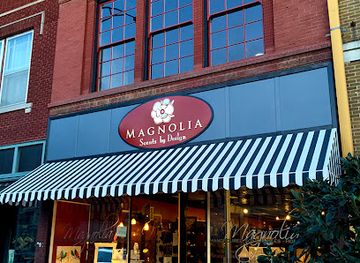
Magnolia Scents by Design
Explore Magnolia Scents by Design in Independence, KS for unique gifts, handcrafted candles, and local art to cherish forever.

Get your free copy of our complete guide to Chautauqua Hills, delivered straight to you.
Everything on this page, from attractions and restaurants to essentials and local phrases, in one PDF you can read offline, print or share.
Already have an account? Sign in
Your Chautauqua Hills guide is ready.
We'll send it to · Not you? Sign out

Getting your guide ready…
We are putting together a fresh copy of the Chautauqua Hills guide. This can take up to a minute.
This can take a few moments. If your browser asks, choose Allow so the download can start. You'll find the guide in your Downloads folder.
Nothing happened? Download it again
Sorry, the guide is taking longer than usual. Please try again in a minute, or get it by email instead.
Chautauqua Hills essentials
Currency and Payment
Safety
Emergency Situations
Do's and Don'ts
Local Tips
From Eve
Local phrases worth knowing
You don't need to get them perfect. A few words go a long way, and locals appreciate the effort.
Basics
| English | Local | Say it |
|---|---|---|
| Hello | Howdy | [Hau-dee] |
| Goodbye | See ya later | [See ya lay-ter] |
| Yes | Yep | [Yep] |
| No | Nope | [Nope] |
| Please/You're welcome | Sure thing | [Shur thing] |
| Thank you | Thanks a lot | [Thangs a lot] |
| Excuse me/Sorry | Pardon me | [Par-don mee] |
| How are you? | How ya doin'? | [How ya doin'?] |
| Fine. And you? | I’m doin' good, you? | [I’m doin' good, you?] |
| Do you speak English? | Do ya speak English? | [Do ya speak English?] |
| I don't understand | I ain't followin' | [I ain't followin'] |
Eating & Drinking
| English | Local | Say it |
|---|---|---|
| I'd like to see the menu, please | Can I see the menu? | [Can I see the menu?] |
| I don't eat meat | I don't do meat | [I don't do meat] |
| Cheers! | Cheers! | [Cheers!] |
| I would like to pay, please | Can I get the check? | [Can I get the check?] |
Emergencies
| English | Local | Say it |
|---|---|---|
| Help! | Help! | [Help!] |
| Go away! | Get lost! | [Get lost!] |
| Call the Police! | Call the cops! | [Call the cops!] |
| Call a doctor! | Get a doctor! | [Get a doctor!] |
| I'm lost | I'm turned around | [I'm turned around] |
| I'm ill | I'm not feelin' well | [I'm not feelin' well] |
Shopping
| English | Local | Say it |
|---|---|---|
| I'd like to buy... | I wanna buy... | [I wanna buy...] |
| I'm just looking | Just browsin' | [Just browsin'] |
| How much is it? | How much's this? | [How much's this?] |
| That's too expensive | That's a bit steep | [That's a bit steep] |
| Can you lower the price? | Can ya bring it down? | [Can ya bring it down?] |
Time & Numbers
| English | Local | Say it |
|---|---|---|
| What time is it? | What time ya got? | [What time ya got?] |
| It's one o'clock | It's one o'clock | [It's one o'clock] |
| Half past (10) | Half past ten | [Half past ten] |
| Morning | Mornin' | [Mornin'] |
| Afternoon | Afternoon | [Afternoon] |
| Evening | Evenin' | [Evenin'] |
| Yesterday | Yest'day | [Yest'day] |
| Today | Today | [Today] |
| Tomorrow | Tomorra | [Tomorra] |
| 1 | One | [One] |
| 2 | Two | [Two] |
| 3 | Three | [Three] |
| 4 | Four | [Four] |
| 5 | Five | [Five] |
| 6 | Six | [Six] |
| 7 | Seven | [Seven] |
| 8 | Eight | [Eight] |
| 9 | Nine | [Nine] |
| 10 | Ten | [Ten] |
Transport & Directions
| English | Local | Say it |
|---|---|---|
| Where's a/the...? | Where's the...? | [Where's the...?] |
| What's the address? | What's the address? | [What's the address?] |
| Can you show me (on the map)? | Can ya show me on the map? | [Can ya show me on the map?] |
| When's the next (bus)? | When's the next bus? | [When's the next bus?] |
| A ticket (to ....) | A ticket to... | [A ticket to...] |
History of Chautauqua Hills
Indigenous Homelands and the Osage Frontier
The Chautauqua Hills lie within a broader southeastern Kansas landscape shaped for centuries by Indigenous peoples, including the Osage and other nations whose territories, movements and trading networks extended across the central plains. The area's streams, wooded ridges and grasslands provided varied resources, while the open prairie also formed part of wider seasonal and hunting landscapes. During the nineteenth century, United States expansion, treaty-making, forced removals and the arrival of settlers transformed Indigenous control of the region. This history is essential context for understanding the later development of Chautauqua and Elk counties.
Settlement and County Formation in the Nineteenth Century
American settlement accelerated in southeastern Kansas during the second half of the nineteenth century as new counties, town sites and farms were established. Chautauqua County was organised in 1875 and named after the Chautauqua movement, while Elk County was created in the same period. Communities developed around courthouse functions, general stores, mills, churches and transport links. The hills and wooded valleys made settlement patterns more dispersed than on some of the region's open prairies, and agriculture, livestock and access to reliable water influenced the location of farms and towns.
The Chautauqua Movement and Public Education
The region's name reflects the national Chautauqua movement, which grew from an educational and cultural institution established at Chautauqua Lake in New York. Travelling Chautauqua programmes brought lecturers, musicians, religious speakers and entertainers to towns across the United States in the late nineteenth and early twentieth centuries. In communities such as Chautauqua, the name became associated with civic improvement, self-education and public culture. Although the movement later declined with the spread of radio, cinema and other forms of entertainment, its legacy remains unusually visible in the county's identity.
Railways, Markets and Agricultural Development
Railway construction and improved roads connected the small settlements of southeastern Kansas with larger markets, encouraging the shipment of livestock, grain and other agricultural goods. Towns such as Sedan and Moline gained commercial importance as service centres for surrounding farms and ranches. Rail access also supported the movement of people, mail and manufactured goods, helping establish the courthouse squares and commercial buildings that still characterise several communities. As passenger rail declined and road transport became dominant, the region's towns retained their local importance but served a more dispersed rural population.
Oil, Stone and the Rural Economy
Petroleum exploration became an important part of the economic history of southeastern Kansas, including areas of Chautauqua County. Oil production added another industry to a regional economy already based on farming and livestock, leaving traces in local employment, investment and the built environment. The hills themselves also reflect the importance of regional geology: sandstone, limestone and other rock formations influenced soils, streams, building materials and the appearance of the countryside. These industries did not replace agriculture, but they contributed to the varied economic history of the Chautauqua Hills.
Twentieth-Century Change and Local Preservation
During the twentieth century, mechanised agriculture, population movement, changing transport patterns and the consolidation of rural services reshaped the Chautauqua Hills. Many small communities lost businesses and residents, while county seats and larger towns continued to provide essential services. Local historical societies, museums and preservation groups subsequently became important custodians of community memory. Collections relating to farming, schools, railways, oil production, domestic life and entertainment help explain how the region changed while retaining its small-town identity and distinctive rural landscape.
Chautauqua Hills in Photos
Browse through our photo collection highlighting the charm and character of the destination.
Neighbouring regions of Chautauqua Hills
The closest regions to Chautauqua Hills, if you have time for more than one.
-
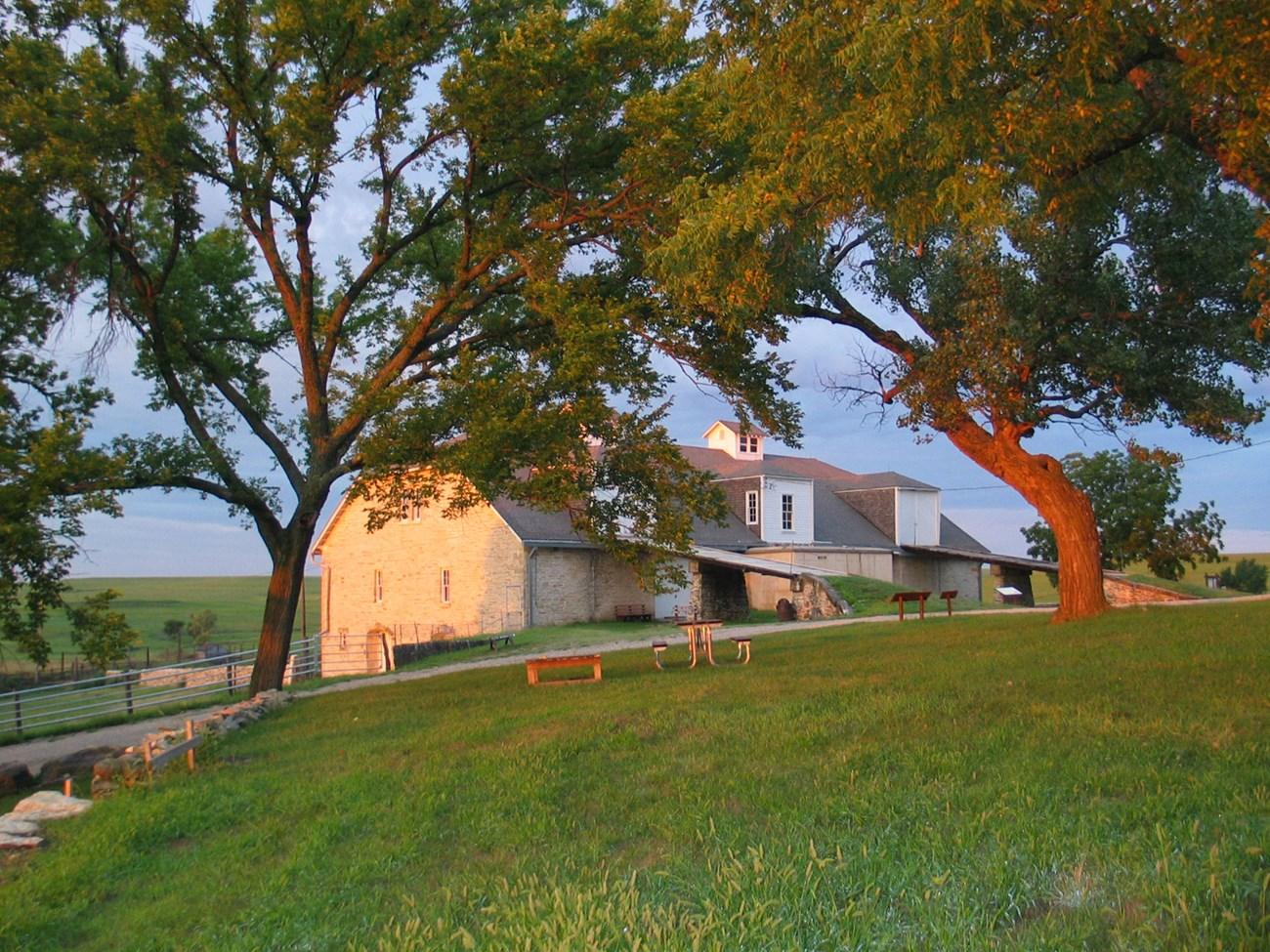 Cross Timbers
Explore Cross Timbers Kansas for oak woodland, reservoirs, small-town history, outdoor recreation and the layered heritage of southeastern Kansas.
-

-

-

-


Swipe for more regions
Explore more

Explore more of Kansas
Explore Kansas: Where history, nature, and small-town charm converge in the heart of America. Discover prairies, cultural landmarks, and delicious cuisine in the Sunflower State.
Explore Kansas