

Free Marais des Cygnes Travel Guide & Mobile App
Explore Marais des Cygnes with free travel guides. Discover regional history, expert tips, proposed trips, and audio guides on web or mobile app.


Explore Marais des Cygnes in eastern Kansas for river landscapes, wildlife refuges, prairie roads, historic towns and Civil War heritage.
Read more about Marais des Cygnes
Getting to and around Marais des Cygnes
How to get there
Transportation
Top city travel guides in Marais des Cygnes
The cities of Marais des Cygnes, and the easiest places to base yourself.
-

-

-

-


Swipe for more cities
Destinations in Marais des Cygnes
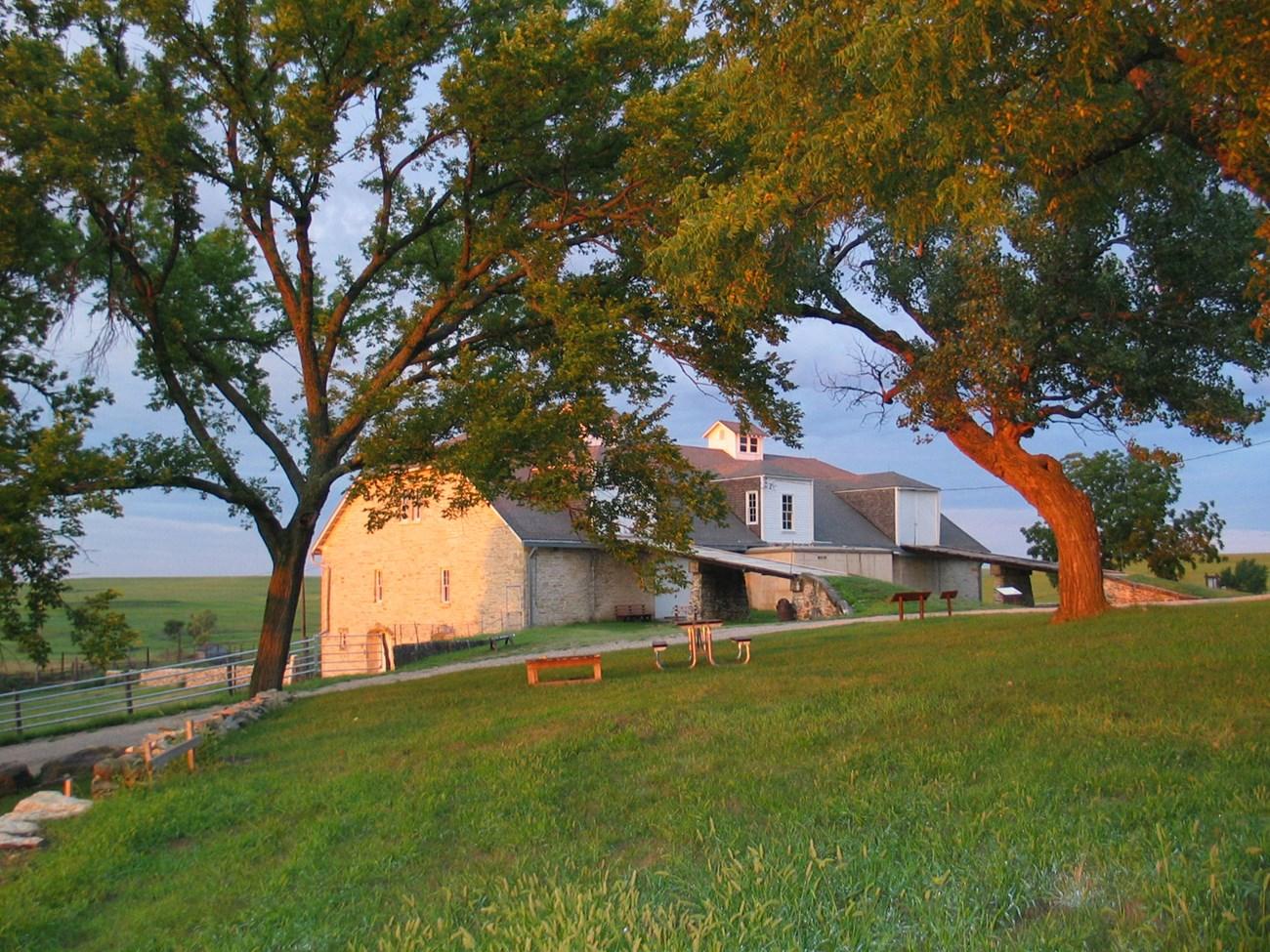
Resorts, valleys and scenic spots worth a trip of their own.
Swipe for more destinations
Best attractions in Marais des Cygnes
The Marais des Cygnes region’s attractions combine outdoor recreation with unusually concentrated political and military history. Marais des Cygnes National Wildlife Refuge near Pleasanton protects wetlands, prairie and woodland used by migratory birds, while Marais des Cygnes Wildlife Area near Trading Post offers further opportunities for wildlife observation, fishing and carefully planned walks. The landscape is seasonal and weather-dependent, with water levels, vegetation and access changing throughout the year. Historic attractions include the John Brown Museum and Adair Cabin in Osawatomie, which interpret the free-state struggle and John Brown’s role in Bleeding Kansas, and Mine Creek Battlefield State Historic Site near Pleasanton, where trails and interpretation explain a major 1864 Civil War engagement. The Marais des Cygnes Massacre National Historic Site provides a more sombre encounter with the territorial conflict. Paola’s courthouse square, Ottawa’s museums and historic buildings, and the region’s rural roads add smaller-scale cultural and architectural interest.
-
Tourist attraction
Kansas City Zoo & Aquarium
Discover the diverse wildlife and marine wonders at the Kansas City Zoo & Aquarium, a family-friendly destination in the heart of Missouri.
-
Theme park
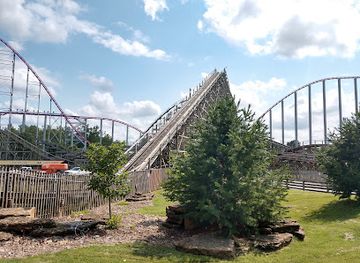
Worlds of Fun
Discover endless excitement and unforgettable memories at Worlds of Fun, Kansas City's premier theme park for thrills and family fun.
-
Children's farm
Deanna Rose Children's Farmstead
Experience the joy of farm life at Deanna Rose Children's Farmstead, a family-friendly attraction in Overland Park, Kansas, featuring interactive activities and animal encounters.
-
City park
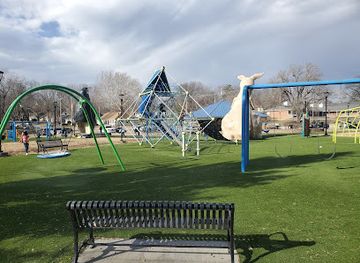
Penguin Park
Experience the playful spirit of Penguin Park in Kansas City, where large animal sculptures and expansive play areas create endless fun for the whole family.


Best landmarks in Marais des Cygnes
The Marais des Cygnes River is the region’s defining natural landmark, its wooded floodplain and wetlands giving eastern Kansas a landscape distinct from the open plains farther west. At Osawatomie, the John Brown Museum and Adair Cabin preserve a tangible connection with the abolitionist movement and the violent politics of Bleeding Kansas. The Marais des Cygnes Massacre National Historic Site near Trading Post marks the location of the 1858 attack on free-state settlers, one of the territory’s most significant and disturbing episodes. Mine Creek Battlefield State Historic Site near Pleasanton is another major landmark, where the setting of a 1864 cavalry battle remains legible in open fields and creek country. Paola’s courthouse square provides an important civic and architectural focus, while the wetland complexes at the national wildlife refuge and wildlife area represent the ecological heritage of the river corridor.
-
Park
Cave Spring Park
Explore the serene landscapes of Cave Spring Park, a hidden gem in Kansas City, perfect for nature lovers and families alike.
-
Historical landmark
Marais des Cygnes Massacre State Historic Site
Explore the Marais des Cygnes Massacre State Historic Site, a poignant tribute to American history and the struggle for freedom amidst serene landscapes.
-
Historical place
Trailside Center
Explore the Trailside Center in Kansas City: A historical museum showcasing the rich heritage of Missouri with engaging exhibits and serene surroundings.
-
Historical landmark
Santa Fe National Historic Trail Marker 1913
Discover the Santa Fe National Historic Trail Marker, a historical landmark that narrates the story of trade and migration in America's past.



Explore Marais des Cygnes on the map
Plan your trip on one map. See where the top cities, national parks and sights are, and book hotels and experiences in a few clicks.
Best hotels in Marais des Cygnes
Best restaurants in Marais des Cygnes
Dining in the Marais des Cygnes region is rooted in small-town cafés, family restaurants, bakeries, diners and traditional American fare rather than a single signature cuisine. Barbecue, burgers, fried chicken, steaks, sandwiches, homemade pies and breakfast dishes are common across eastern Kansas, while farm country supports seasonal produce and locally supplied ingredients. Ottawa, Paola and Osawatomie offer the broadest choice of casual meals, coffee shops and independent restaurants; in smaller communities, opening days and hours can be limited. Farmers’ markets and local festivals may provide fruit, vegetables, baked goods and preserves when in season. Visitors should also look for Kansas beers and other regional products, while remembering that the availability of alcohol and the range of dining options can be more restricted in rural areas than in nearby Kansas City.
-
Italian
Cinzetti's Italian Market
Experience authentic Italian cuisine at Cinzetti's Italian Market in Overland Park - A delightful buffet with something for everyone!
-
Restaurant
New Theatre & Restaurant
Discover exceptional dining and thrilling live performances at New Theatre & Restaurant – where every night becomes a memorable celebration.
-
Family-friendly
Carriage Crossing Restaurant and Bakery
Experience the warmth of home-cooked meals at Carriage Crossing Restaurant & Bakery in Yoder, KS – where every bite feels like family.
-
Italian
Garozzo's Downtown
Indulge in authentic Italian flavors at Garozzo's Downtown - where every meal is a celebration of culinary excellence.


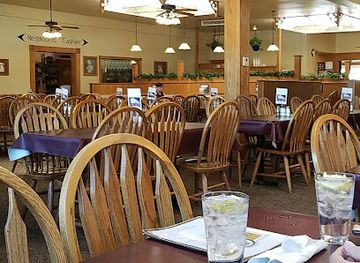
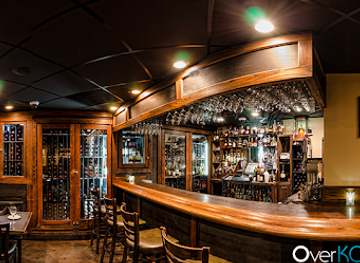
Best bars in Marais des Cygnes
Evening life in the Marais des Cygnes region is centred on local restaurants, traditional bars, breweries, community events and the social life of its historic town centres rather than a large nightclub scene. Paola and Ottawa generally provide the widest choice of places for an evening meal, drinks, live music or occasional cultural programming, while Osawatomie and smaller communities have a quieter selection of neighbourhood bars and gathering places. Rural evenings are often shaped by seasonal festivals, high-school or community events and dark-sky countryside rather than late-night entertainment. Visitors should check current arrangements locally, as smaller establishments may keep limited hours and venues can change. Alcohol is not essential to experiencing the region; an early dinner, a historic-town walk or a sunset drive may be more representative of its evening character.
-
Cocktail bar
Green Lady Lounge
Discover Kansas City's vibrant nightlife at the Green Lady Lounge, a premier cocktail bar and jazz club offering live music and exceptional drinks.
-
Grill
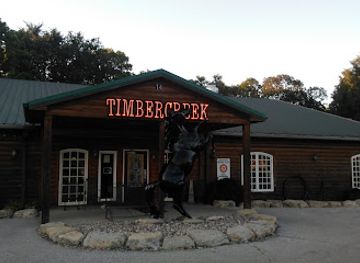
Timber Creek Bar & Grill
Experience the best grill and barbecue dishes at Timber Creek Bar & Grill, a vibrant dining destination in Louisburg, Kansas.
-
Grill
The Brew Top Pub and Patio
Discover The Brew Top Pub and Patio, where delicious grilled cuisine meets a vibrant atmosphere in Overland Park, Kansas.
-
Grill
Double Nickel
Experience the vibrant atmosphere and delicious offerings at Double Nickel, Olathe's go-to spot for food, drinks, and live entertainment.


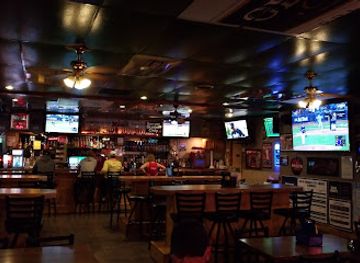
Best nightclubs in Marais des Cygnes
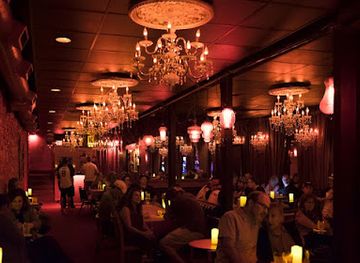
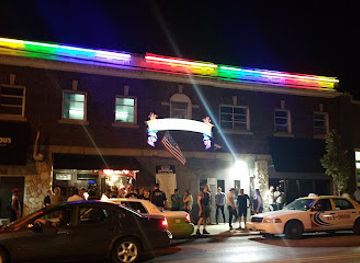
Evening life in the Marais des Cygnes region is centred on local restaurants, traditional bars, breweries, community events and the social life of its historic town centres rather than a large nightclub scene. Paola and Ottawa generally provide the widest choice of places for an evening meal, drinks, live music or occasional cultural programming, while Osawatomie and smaller communities have a quieter selection of neighbourhood bars and gathering places. Rural evenings are often shaped by seasonal festivals, high-school or community events and dark-sky countryside rather than late-night entertainment. Visitors should check current arrangements locally, as smaller establishments may keep limited hours and venues can change. Alcohol is not essential to experiencing the region; an early dinner, a historic-town walk or a sunset drive may be more representative of its evening character.
-
Cocktail bar
Green Lady Lounge
Discover the perfect blend of live jazz and exquisite cocktails at the Green Lady Lounge in Kansas City, an iconic spot for nightlife enthusiasts.
-
Night club
Missie B's
Discover the electrifying nightlife at Missie B's, Kansas City's premier club for dancing, drinks, and unforgettable entertainment.
-
Night club
Aura
Discover Kansas City's vibrant nightlife at Aura, the ultimate destination for electrifying music, signature cocktails, and unforgettable parties.
-
Lounge
Lotus
Experience the tranquility and elegance of Lotus, a premier lounge in Kansas City offering crafted cocktails and a vibrant nightlife.


Best shops in Marais des Cygnes
Shopping is concentrated in the historic town centres of Paola, Ottawa, Osawatomie and Pleasanton, where independent retailers, antique shops, gift shops, cafés, booksellers and locally oriented businesses are more characteristic than large shopping districts. Paola’s courthouse square provides a traditional setting for browsing, while Ottawa combines small-town retail with historic commercial architecture and services. Farmers’ markets and seasonal community events may offer produce, baked goods, preserves, flowers and handmade items, although dates and availability vary. Regional souvenirs often include Kansas-themed gifts, books on Bleeding Kansas and the Civil War, local art, practical country goods and food products made by small producers. Visitors heading to remote wildlife or battlefield sites should buy essentials in a larger town first, as retail services become sparse outside the principal communities.
-
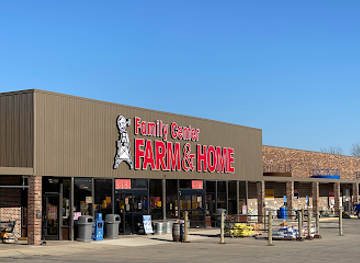
General store
Family Center Farm & Home of Paola
Experience the essence of Paola at Family Center Farm & Home, where local culture meets a diverse range of products for everyone.
-
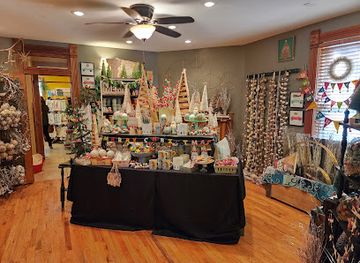
Boutique
Junque Drawer Boutique-Studio
Explore the eclectic charm of Junque Drawer Boutique-Studio in Olathe, Kansas – where every item tells a story and creativity abounds!
-
Gift shop
KPOP & GIFTS
Explore KPOP & GIFTS in Overland Park for the best K-Pop merchandise and unique gifts that celebrate Korean pop culture.
-
Antique store
Green Expressions
Explore a world of antiques at Green Expressions in Olathe, where every item has a story to tell.
Get your free copy of our complete guide to Marais des Cygnes, delivered straight to you.
Everything on this page, from attractions and restaurants to essentials and local phrases, in one PDF you can read offline, print or share.
Already have an account? Sign in
Your Marais des Cygnes guide is ready.
We'll send it to · Not you? Sign out

Getting your guide ready…
We are putting together a fresh copy of the Marais des Cygnes guide. This can take up to a minute.
This can take a few moments. If your browser asks, choose Allow so the download can start. You'll find the guide in your Downloads folder.
Nothing happened? Download it again
Sorry, the guide is taking longer than usual. Please try again in a minute, or get it by email instead.
Marais des Cygnes essentials
Currency and Payment
Safety
Emergency Situations
Do's and Don'ts
Local Tips
From Eve
Local phrases worth knowing
You don't need to get them perfect. A few words go a long way, and locals appreciate the effort.
Basics
| English | Local | Say it |
|---|---|---|
| Hello | Howdy | [Ha-dee] |
| Goodbye | See ya | [See ya] |
| Yes | Yep | [Yep] |
| No | Nah | [Nah] |
| Please/You're welcome | Please/No problem | [Pleez/No prob] |
| Thank you | Thanks | [Thangs] |
| Excuse me/Sorry | Excuse me/Sorry | [Ex-kyoos mee/Sor-ree] |
| How are you? | How ya doin'? | [How ya doin'?] |
| Fine. And you? | Good. And you? | [Good. An' ya?] |
| Do you speak English? | Do ya speak English? | [Do ya speak Ing-glish?] |
| I don't understand | I don’t get it | [I don’t get it] |
Eating & Drinking
| English | Local | Say it |
|---|---|---|
| I'd like to see the menu, please | Can I see the menu, please? | [Can I see thuh menu, pleez?] |
| I don't eat meat | I don’t eat meat | [I don’t eet meat] |
| Cheers! | Cheers! | [Cheers!] |
| I would like to pay, please | Can I get the bill, please? | [Can I get thuh bill, pleez?] |
Emergencies
| English | Local | Say it |
|---|---|---|
| Help! | Help! | [Help!] |
| Go away! | Leave me alone! | [Leave me uh-lone!] |
| Call the Police! | Call 911! | [Call nine-one-one!] |
| Call a doctor! | Get a doctor! | [Get a doc-tor!] |
| I'm lost | I’m lost | [I'm lost] |
| I'm ill | I’m not feelin' well | [I'm not feelin' well] |
Shopping
| English | Local | Say it |
|---|---|---|
| I'd like to buy... | I wanna buy... | [I wanna buy...] |
| I'm just looking | Just looking around | [Just lookin' around] |
| How much is it? | How much is this? | [How much is this?] |
| That's too expensive | That's too pricey | [That's too pry-see] |
| Can you lower the price? | Can you bring the price down? | [Can you bring thuh price down?] |
Time & Numbers
| English | Local | Say it |
|---|---|---|
| What time is it? | What time is it? | [What time is it?] |
| It's one o'clock | It's one o'clock | [It's one o'clock] |
| Half past (10) | Half past ten | [Half past ten] |
| Morning | Morning | [Mornin'] |
| Afternoon | Afternoon | [Af-ter-noon] |
| Evening | Evenin' | [Evenin'] |
| Yesterday | Yesterday | [Yes-ter-day] |
| Today | Today | [To-day] |
| Tomorrow | Tomorrow | [To-mor-row] |
| 1 | One | [One] |
| 2 | Two | [Two] |
| 3 | Three | [Three] |
| 4 | Four | [Four] |
| 5 | Five | [Five] |
| 6 | Six | [Six] |
| 7 | Seven | [Seven] |
| 8 | Eight | [Eight] |
| 9 | Nine | [Nine] |
| 10 | Ten | [Ten] |
Transport & Directions
| English | Local | Say it |
|---|---|---|
| Where's a/the...? | Where’s the...? | [Where’s thuh...?] |
| What's the address? | What’s the address? | [What’s thuh ad-dress?] |
| Can you show me (on the map)? | Can ya show me (on the map)? | [Can ya show me (on thuh map)?] |
| When's the next (bus)? | When's the next bus? | [When's thuh next bus?] |
| A ticket (to ....) | A ticket (to ....) | [A ticket (to ....)] |
History of Marais des Cygnes
Indigenous Homelands and the Osage River Landscape
The Marais des Cygnes valley and surrounding prairies were part of a larger Indigenous landscape long before American settlement. The Osage, whose name is reflected in the Osage River system, held important connections with the region, while other Native peoples were affected by changing alliances, pressure and government removal policies. Rivers, wooded floodplains and prairie provided routes, food and materials, and later influenced the location of roads and settlements. Visitors should understand the landscape not as empty frontier, but as a place shaped by Indigenous history before the arrival of towns, farms and railways.
French Naming and the Early Nineteenth Century
The name Marais des Cygnes reflects the French influence present in the wider Missouri and Kansas borderlands. Explorers, traders and mapmakers applied French names to rivers and natural features, sometimes translating or adapting names already used by Indigenous communities. During the nineteenth century, the river corridor became increasingly connected to American expansion, territorial administration and migration. Its wooded waterways and fertile bottomlands later attracted farmers and settlement, while the river itself became a defining geographical feature across the eastern Kansas landscape.
Bleeding Kansas, 1854–1861
The creation of the Kansas Territory in 1854 turned eastern Kansas into a battleground over whether slavery would expand westward. Pro-slavery and anti-slavery settlers, aided by political organisations and armed groups, contested elections and communities across the territory. Osawatomie became closely associated with the free-state cause and with abolitionist John Brown, who fought pro-slavery forces near the town in 1856. The violence left a deep local legacy, and surviving museums, historic sites and landscapes help explain why Kansas entered statehood amid extraordinary political conflict.
The Marais des Cygnes Massacre
In May 1858, pro-slavery raiders captured eleven unarmed free-state men near Trading Post before shooting them beside the Marais des Cygnes River. Five were killed and several others wounded. The event became one of the most notorious episodes of Bleeding Kansas and was widely reported beyond the territory, intensifying national attention to the conflict over slavery. The Marais des Cygnes Massacre National Historic Site preserves the setting and commemorates those involved. Its quiet rural appearance contrasts sharply with the political violence that made the place nationally significant.
Settlement, Farming and the Railroad Era
After Kansas statehood, communities such as Paola, Ottawa, Osawatomie and Pleasanton developed within an expanding network of farms, merchants, schools and transport links. Railways strengthened connections between eastern Kansas and markets in Missouri and beyond, encouraging agricultural production and town growth. The river bottoms supported crops and pasture, while upland areas were gradually converted to farmland. Many courthouse squares, commercial blocks, farmsteads and civic buildings in the region reflect this late nineteenth-century period of settlement and economic consolidation.
The Battle of Mine Creek, 1864
During the American Civil War, Confederate General Sterling Price’s 1864 Missouri Expedition moved westward before Union forces pursued it into eastern Kansas. The Battle of Mine Creek, fought near present-day Pleasanton on 25 October 1864, was a major Union victory and one of the largest cavalry battles of the war. The battlefield’s open terrain and creek crossings influenced the fighting. Today, Mine Creek Battlefield State Historic Site interprets the engagement and the wider military importance of the Kansas–Missouri border region.
Conservation of the River and Wetlands
Twentieth-century changes in farming, drainage and water management altered many eastern Kansas wetlands, but conservation work protected representative stretches of the Marais des Cygnes environment. Marais des Cygnes Wildlife Area and Marais des Cygnes National Wildlife Refuge now conserve wetlands, woodland, prairie and river habitat. These protected areas are important for migratory birds and local wildlife as well as for recreation. Their existence illustrates a modern shift from viewing floodplains chiefly as developable or agricultural land to recognising their ecological and flood-management value.
Marais des Cygnes in Photos
Browse through our photo collection highlighting the charm and character of the destination.
Neighbouring regions of Marais des Cygnes
The closest regions to Marais des Cygnes, if you have time for more than one.
-
 Eastern Kansas
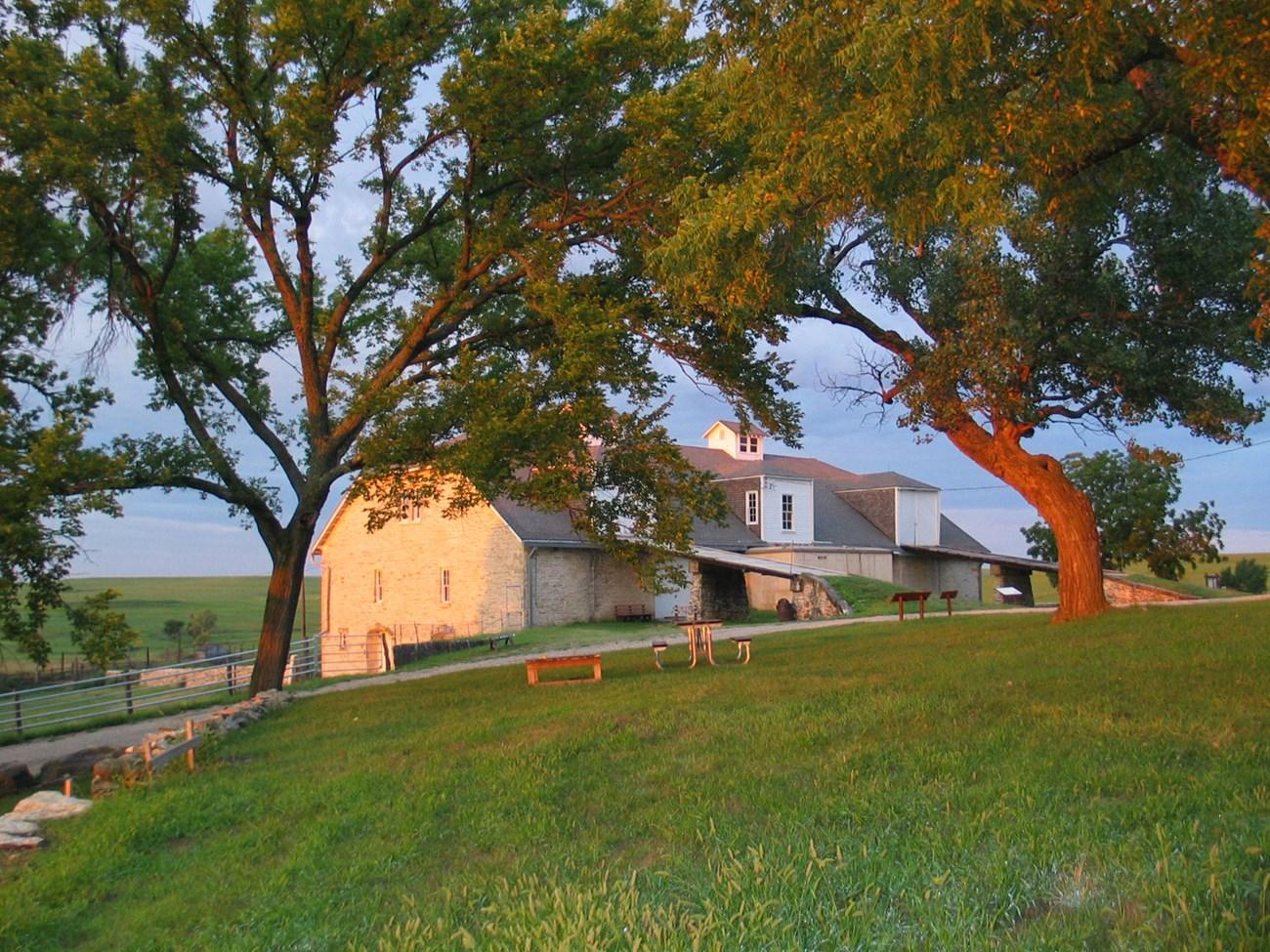
Explore Eastern Kansas for prairie landscapes, river towns, university culture, civil-rights history and historic roads connecting Kansas City, Topeka and Lawrence.
-

-
 Flint Hills
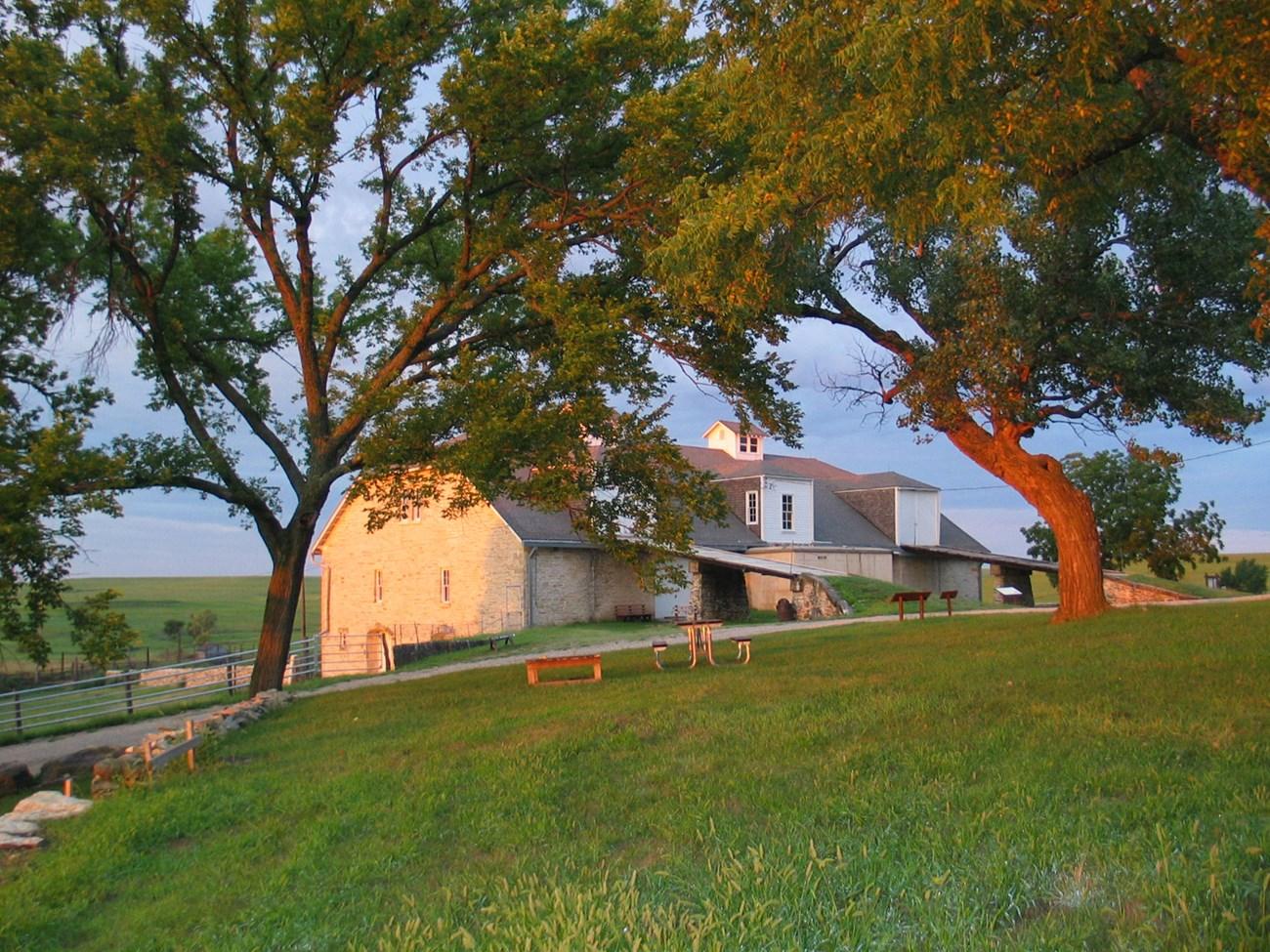
Explore Kansas's Flint Hills for tallgrass prairie, ranching heritage, scenic drives, Indigenous history and wide-open landscapes between Manhattan and Cassoday.
-
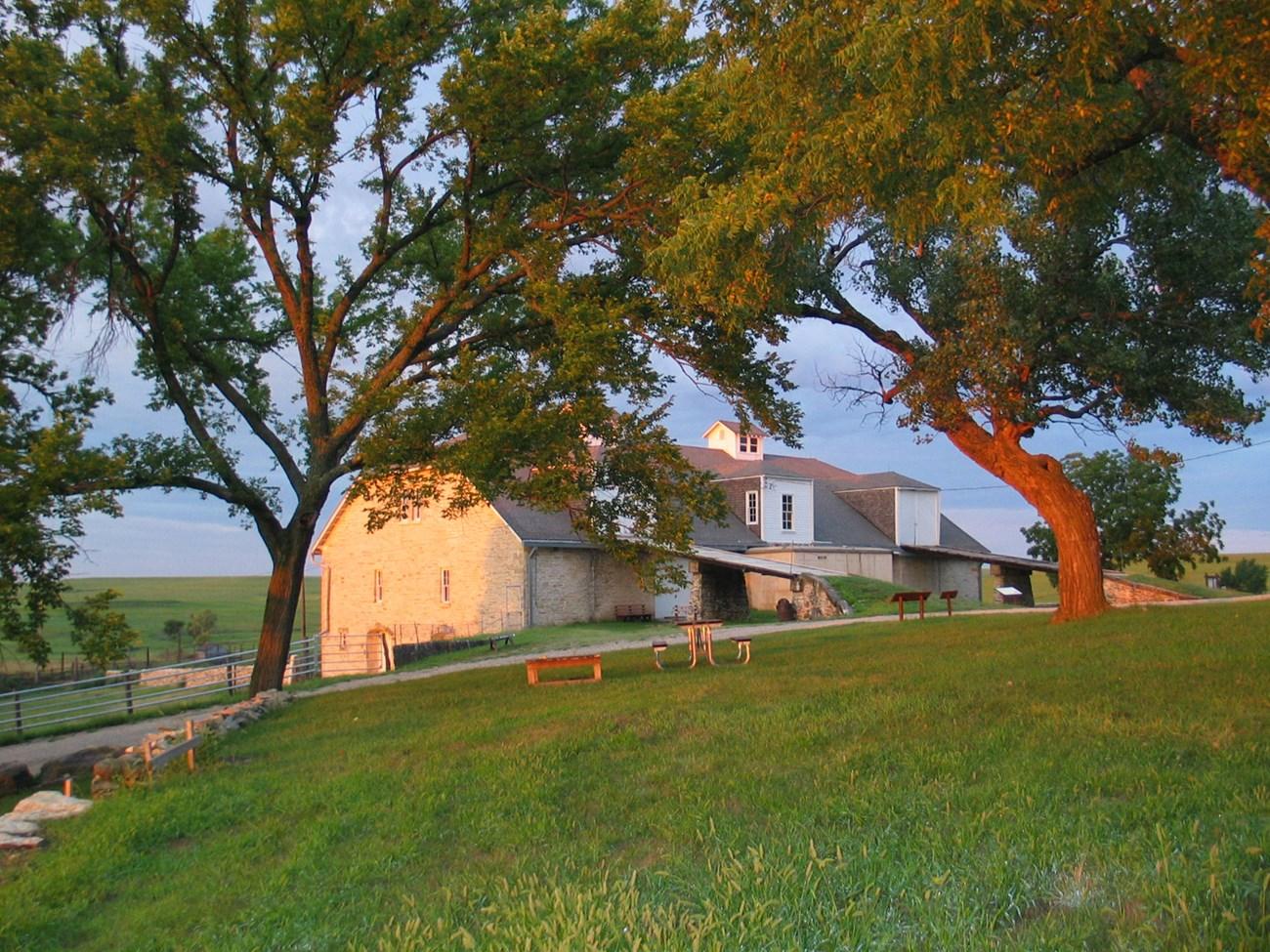 Bluestem Pasture
 evokes Kansas tallgrass country, where open horizons, native prairie and working ranch landscapes reward careful, self-guided travel.
-


Swipe for more regions
Explore more

Explore more of Kansas
Explore Kansas: Where history, nature, and small-town charm converge in the heart of America. Discover prairies, cultural landmarks, and delicious cuisine in the Sunflower State.
Explore Kansas