

Free Great Bend Sand Prairie Travel Guide & Mobile App
Explore Great Bend Sand Prairie with free travel guides. Discover regional history, expert tips, proposed trips, and audio guides on web or mobile app.


Explore Kansas's Great Bend Sand Prairie for river landscapes, wildlife wetlands, local history and wide-open central-plains scenery.
Read more about Great Bend Sand Prairie
Getting to and around Great Bend Sand Prairie
How to get there
Transportation
Best attractions in Great Bend Sand Prairie
The Great Bend Sand Prairie's attractions are primarily landscape-based and interpret the relationship between river, wildlife and working agriculture. Great Bend offers local museums and Brit Spaugh Zoo, providing accessible introductions to Barton County's natural and human history. Outside town, the Arkansas River corridor, sandy grasslands, farm country and wildlife areas reward slow driving and patient observation rather than a tightly scheduled sightseeing circuit. Cheyenne Bottoms, north-east of Great Bend, is a major nearby wetland destination for birdwatching and photography, while the nearby Central Kansas Wetlands region broadens the ecological picture. Fishing, hunting where authorised, hiking on suitable public routes and wildlife observation are seasonal activities. The Santa Fe Trail sites at Pawnee Rock and Fort Larned National Historic Site are worthwhile historical excursions west of the core region, but should be treated as separate destinations. The result is a low-density attraction landscape: less about a sequence of grand buildings than about reading prairie, water, migration, settlement and agriculture together.
-
Zoo
Great Bend Brit Spaugh Zoo
Explore the Great Bend Brit Spaugh Zoo: A family-friendly wildlife experience in the heart of Kansas, perfect for animal lovers and adventurers.
-
Park
Brit Spaugh Park
Explore Brit Spaugh Park in Great Bend, KS - A Serene Retreat with Nature Trails, Wildlife, and Family-Friendly Amenities.
-
Water park
Wetlands Waterpark
Discover a thrilling aquatic adventure at Wetlands Waterpark in Great Bend, KS, where family fun and relaxation meet in a vibrant summer paradise.
-
Playground
My BackYard Playground
Explore My BackYard Playground in Great Bend, KS - a family-friendly destination filled with fun, outdoor activities, and community spirit.


Best landmarks in Great Bend Sand Prairie
The defining landmark of the Great Bend Sand Prairie is not a single monument but the broad Arkansas River valley, whose sandy banks, cottonwoods, floodplain and agricultural margins explain the region's settlement and ecology. Great Bend's civic centre and historic streets express the railway-era growth of a central Kansas service town, while local museums preserve the stories attached to transport, farming and Indigenous history. The low, open terrain around the city is itself a strong geographical marker, contrasting with more elevated or heavily cultivated landscapes elsewhere in the state. Cheyenne Bottoms, north-east of Great Bend, is a major nearby natural landmark: its shallow wetland basin demonstrates the importance of water in an otherwise semi-arid prairie setting. Pawnee Rock State Historic Site and Fort Larned National Historic Site, both farther west and outside the core sand prairie, are significant regional landmarks linked to the Santa Fe Trail and frontier-era travel. They are best included as clearly separate excursions rather than treated as attractions within Great Bend.
-
Historical place
Pawnee Rock State Historic Site
Explore the historical significance and natural beauty of Pawnee Rock State Historic Site, a must-visit for history buffs and nature lovers in Kansas.
-
Museum
Barton County Historical Society
Explore the fascinating heritage of Great Bend, Kansas at the Barton County Historical Society Museum, where history and culture come alive.
-
Historical landmark
B-29 Memorial Plaza
Explore the rich aviation history at B-29 Memorial Plaza, a serene tribute to the Superfortress and its legacy in Great Bend, Kansas.


Explore Great Bend Sand Prairie on the map
Plan your trip on one map. See where the top cities, national parks and sights are, and book hotels and experiences in a few clicks.
Best hotels in Great Bend Sand Prairie
Best restaurants in Great Bend Sand Prairie
Dining in the Great Bend Sand Prairie is focused on Great Bend and the small communities along the surrounding highways, with practical restaurants, cafés, diners, bakeries and traditional American and Mexican-influenced cooking forming the everyday scene. Kansas beef, burgers, fried chicken, sandwiches and barbecue are common regional reference points, while the agricultural setting also supports grain products, seasonal produce and locally raised meat. Family-run establishments and informal counter-service restaurants are often more representative of local life than formal dining rooms. Visitors should expect generous portions and straightforward food, with menus reflecting the wider culinary culture of the central United States rather than a narrowly defined local cuisine. Farmers' markets and seasonal produce sales, where operating, offer a closer connection to the river valley's farming economy. Great Bend is the best place to find the broadest choice, while rural dining options may be limited and should not be assumed to operate late.
-
Restaurant
Perkins American Food Co.
Discover Perkins American Food Co., where hearty meals meet homemade goodness in Great Bend's favorite family-friendly restaurant.
-
Grill
HandleBar And Grill
Savor delicious grilled dishes and refreshing drinks at HandleBar And Grill in Great Bend - a family-friendly spot with a lively bar atmosphere.
-
Restaurant
Applebee's Grill + Bar
Experience delicious American cuisine at Applebee's Grill + Bar in Great Bend – where flavor meets friendly service.
-
Chinese
Great Wall Super Buffet
Experience an extensive selection of authentic Chinese cuisine at Great Wall Super Buffet in Great Bend, KS – where flavor meets variety.


Best bars in Great Bend Sand Prairie
Evenings in the Great Bend Sand Prairie are generally quiet and locally focused. Great Bend has the region's broadest choice of bars, casual restaurants and social venues, while smaller communities tend to rely on traditional taverns, restaurant bars and community events rather than dedicated nightclubs. Live music and informal entertainment may appear periodically, but schedules are changeable and should be checked locally. The area's rural character means that nightlife is not a principal reason to travel here: sunset drives, an early meal, stargazing and conversation in a local pub are more typical evening experiences. Alcohol-service rules and last-service times vary by establishment, and driving distances make planning a safe return especially important. Breweries, cocktail bars and late-night venues are less numerous than in Kansas's major cities, so visitors seeking a substantial club scene should use a larger urban centre outside the region.
-
Grill
HandleBar And Grill
Discover the vibrant culinary scene at HandleBar And Grill in Great Bend, KS - an ideal family restaurant and bar for every occasion.
-
Restaurant
Applebee's Grill + Bar
Discover Applebee's Grill + Bar in Great Bend, where American comfort food meets a warm atmosphere for a perfect dining experience.
-
Bistro
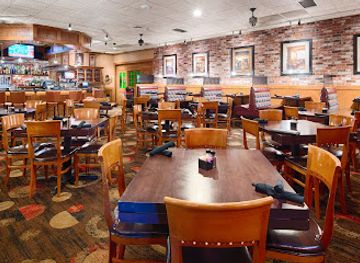
The Page An American Bistro
Discover The Page An American Bistro in Great Bend, a family-friendly destination serving diverse American dishes and a full bar in a warm atmosphere.
-
Bar
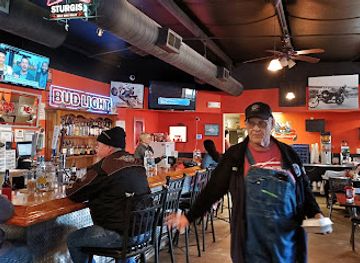
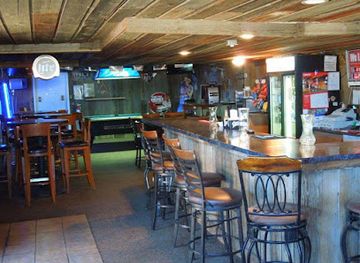
Sarge’s Saloon
Discover the warm atmosphere and vibrant nightlife at Sarge’s Saloon in Great Bend, Kansas, where every visit feels like coming home.
Best nightclubs in Great Bend Sand Prairie
Evenings in the Great Bend Sand Prairie are generally quiet and locally focused. Great Bend has the region's broadest choice of bars, casual restaurants and social venues, while smaller communities tend to rely on traditional taverns, restaurant bars and community events rather than dedicated nightclubs. Live music and informal entertainment may appear periodically, but schedules are changeable and should be checked locally. The area's rural character means that nightlife is not a principal reason to travel here: sunset drives, an early meal, stargazing and conversation in a local pub are more typical evening experiences. Alcohol-service rules and last-service times vary by establishment, and driving distances make planning a safe return especially important. Breweries, cocktail bars and late-night venues are less numerous than in Kansas's major cities, so visitors seeking a substantial club scene should use a larger urban centre outside the region.
-
Bar
Sarge’s Saloon
Discover the warm and inviting atmosphere of Sarge’s Saloon, a cozy bar in Great Bend, Kansas, perfect for drinks and camaraderie.
-
Bar
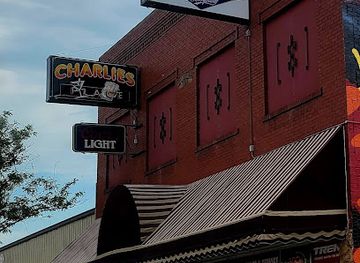
Charlies Place LLC
Experience the vibrant nightlife at Charlie's Place LLC in Great Bend, Kansas – where good drinks, live music, and great company await you!
-
Night club
Rodeo Disco
Discover the lively Rodeo Disco in Great Bend, KS - a premier night club offering unforgettable dance experiences and vibrant nightlife.
-
Night club
Gentleman's Club
Immerse yourself in the lively nightlife at Great Bend's Gentleman's Club, where entertainment and excitement await every visitor.



Best shops in Great Bend Sand Prairie
Shopping is concentrated in Great Bend, where visitors will find practical retail, supermarkets, independent services, small specialist shops and the everyday commercial facilities of a regional Kansas town. The most appropriate purchases are locally produced food, western and workwear items, books, crafts, artwork and souvenirs connected with the prairie, wetlands or Santa Fe Trail history. Seasonal farmers' markets and direct-from-farm sales can provide produce and baked goods, although availability changes with the agricultural calendar. Smaller communities have limited retail hours and fewer choices, so obtain supplies in Great Bend before a long countryside excursion. This is not a destination for extensive luxury or designer shopping; its appeal lies in useful regional goods, locally made items and the chance to support independent businesses serving a dispersed rural population.
-
Department store
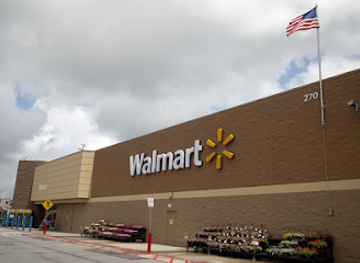
Walmart Supercenter
Explore the Walmart Supercenter in Great Bend, KS, for an all-in-one shopping experience offering groceries, electronics, clothing, and more at unbeatable prices.
-
Grocery store
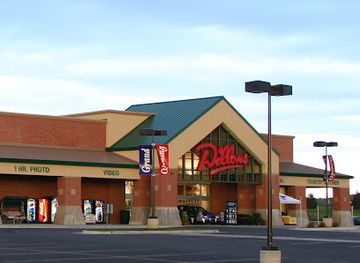
Dillons
Dillons in Great Bend: Your one-stop destination for fresh groceries, artisanal treats, and local flavors in Kansas.
-
Christian book store
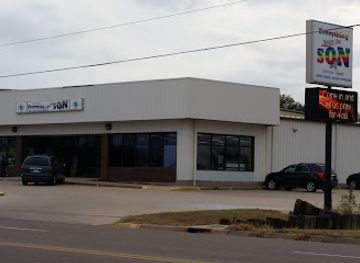
Everything Under The Son
Explore 'Everything Under The Son' in Great Bend, KS—a cozy Christian bookstore and gift shop brimming with faith, literature, and thoughtful gifts.
-
Clothing store
Buckle
Discover the latest fashion trends at Buckle in Great Bend, KS, featuring stylish clothing, shoes, and accessories for all ages.

Get your free copy of our complete guide to Great Bend Sand Prairie, delivered straight to you.
Everything on this page, from attractions and restaurants to essentials and local phrases, in one PDF you can read offline, print or share.
Already have an account? Sign in
Your Great Bend Sand Prairie guide is ready.
We'll send it to · Not you? Sign out

Getting your guide ready…
We are putting together a fresh copy of the Great Bend Sand Prairie guide. This can take up to a minute.
This can take a few moments. If your browser asks, choose Allow so the download can start. You'll find the guide in your Downloads folder.
Nothing happened? Download it again
Sorry, the guide is taking longer than usual. Please try again in a minute, or get it by email instead.
Great Bend Sand Prairie essentials
Currency and Payment
Safety
Emergency Situations
Do's and Don'ts
Local Tips
From Eve
Local phrases worth knowing
You don't need to get them perfect. A few words go a long way, and locals appreciate the effort.
Basics
| English | Local | Say it |
|---|---|---|
| Hello | Howdy | [haʊdi] |
| Goodbye | See ya later | [si jə ˈleɪtər] |
| Yes | Yup | [jʌp] |
| No | Nope | [noʊp] |
| Please/You're welcome | Please / No problem | [pliz / noʊ ˈprɑbləm] |
| Thank you | Thanks | [θæŋks] |
| Excuse me/Sorry | Excuse me / Sorry | [ɪkˈskjus mi / ˈsɔri] |
| How are you? | How are ya? | [haʊ ɑr jə] |
| Fine. And you? | I’m good. And you? | [aɪm ɡʊd. ənd jʊ] |
| Do you speak English? | Can ya speak English? | [kæn jə spiːk ˈɪŋɡlɪʃ] |
| I don't understand | I don’t get it | [aɪ doʊnt ɡɛt ɪt] |
Eating & Drinking
| English | Local | Say it |
|---|---|---|
| I'd like to see the menu, please | Can I see the menu, please? | [kæn aɪ si ðə ˈmɛnju, pliz] |
| I don't eat meat | I’m a vegetarian | [aɪm ə ˌvɛdʒəˈtɛriən] |
| Cheers! | Cheers! | [ʧɪrz] |
| I would like to pay, please | I’d like to settle up, please | [aɪd laɪk tə ˈsɛtl ʌp, pliz] |
Emergencies
| English | Local | Say it |
|---|---|---|
| Help! | Help! | [hɛlp] |
| Go away! | Get lost! | [ɡɛt lɔst] |
| Call the Police! | Call the cops! | [kɔl ðə kɑps] |
| Call a doctor! | Get a doctor! | [ɡɛt ə ˈdɑktər] |
| I'm lost | I’m lost | [aɪm lɔst] |
| I'm ill | I’m sick | [aɪm sɪk] |
Shopping
| English | Local | Say it |
|---|---|---|
| I'd like to buy... | I want to buy... | [aɪ wɑnt tə baɪ...] |
| I'm just looking | Just browsing | [dʒʌst ˈbraʊzɪŋ] |
| How much is it? | What’s the price? | [wʌts ðə praɪs] |
| That's too expensive | That’s too pricey | [ðæts tu ˈpraɪsi] |
| Can you lower the price? | Can ya knock down the price? | [kæn jə nɑk daʊn ðə praɪs] |
Time & Numbers
| English | Local | Say it |
|---|---|---|
| What time is it? | What time is it? | [wʌt taɪm ɪz ɪt] |
| It's one o'clock | It’s one o'clock | [ɪts wʌn əˈklɑk] |
| Half past (10) | Half past ten | [hæf pæst tɛn] |
| Morning | Morning | [ˈmɔrnɪŋ] |
| Afternoon | Afternoon | [ˌæftərˈnun] |
| Evening | Evening | [ˈivnɪŋ] |
| Yesterday | Yesterday | [ˈjɛstərdeɪ] |
| Today | Today | [təˈdeɪ] |
| Tomorrow | Tomorrow | [təˈmɔroʊ] |
| 1 | One | [wʌn] |
| 2 | Two | [tu] |
| 3 | Three | [θri] |
| 4 | Four | [fɔr] |
| 5 | Five | [faɪv] |
| 6 | Six | [sɪks] |
| 7 | Seven | [ˈsɛvən] |
| 8 | Eight | [eɪt] |
| 9 | Nine | [naɪn] |
| 10 | Ten | [tɛn] |
Transport & Directions
| English | Local | Say it |
|---|---|---|
| Where's a/the...? | Where’s the...? | [wɛrz ðə...] |
| What's the address? | What’s the address? | [wʌts ði əˈdrɛs] |
| Can you show me (on the map)? | Can ya point it out? | [kæn jə pɔɪnt ɪt aʊt] |
| When's the next (bus)? | When’s the next bus? | [wɛnʤ ðə nɛkst bʌs] |
| A ticket (to ....) | One ticket to... | [wʌn ˈtɪkɪt tə...] |
History of Great Bend Sand Prairie
Indigenous Arkansas River Landscapes
The Arkansas River corridor was used and inhabited by Indigenous peoples for centuries before American settlement. Its water, timber, grasslands and wildlife made the valley an important route through the central plains, while shifting channels and sandy ground shaped seasonal movement and resource use. The Great Bend area later became associated with the Pawnee and with other peoples whose presence and sovereignty were disrupted by westward expansion. Archaeological evidence and regional museums provide important reminders that the area's history begins long before the arrival of railways, farms and towns.
The Santa Fe Trail Era
During the nineteenth century, the Santa Fe Trail crossed the central Kansas plains, linking Missouri with New Mexico and carrying traders, military personnel, migrants and mail. The Arkansas River was a major geographical guide, although routes shifted according to water, terrain and political conditions. Historic sites west of Great Bend, including Pawnee Rock and Fort Larned, help explain the wider trail landscape; both are nearby excursions rather than central Great Bend landmarks. The trail brought commerce and strategic attention while also intensifying conflict and pressure on Indigenous communities.
Railway Settlement and Great Bend
Railway construction in the 1870s transformed the Arkansas valley. Great Bend developed as a regional centre because rail connections supported trade, agricultural shipment, cattle movement and the distribution of supplies. The town's growth formed part of a broader pattern in which railway corridors encouraged permanent Euro-American settlement and reshaped older travel routes. Streets, civic buildings, local museums and the continuing role of Great Bend as a service town reflect this period, even though much of the surrounding landscape remains rural.
Cattle, Grain and Irrigated Agriculture
Farming and ranching became the economic foundation of the region as settlers converted prairie and river-bottom land to crops and pasture. Wheat, grain sorghum, cattle and other agricultural products have remained important, while irrigation has allowed cultivation in a naturally dry climate. The sandy soils of the Great Bend area require careful management, and the river valley's agricultural pattern is closely connected with groundwater and water-conservation questions. Modern fields, grain facilities, cattle operations and shelterbelts are living parts of this economic history.
Water Development and the Great Bend Plain
Twentieth-century water development altered both the appearance and the economy of south-central Kansas. Wells, irrigation networks and regional water management supported dependable agricultural production, but also revealed the limits of groundwater reserves and the ecological importance of natural wetlands. The Great Bend Sand Prairie is therefore a useful place to understand the relationship between farming, river processes, wildlife habitat and water policy. These pressures continue to influence land use and conservation throughout the Arkansas River basin.
Wetland Conservation and Modern Wildlife Tourism
The protection of wetlands and river habitats has added a conservation dimension to the region's agricultural identity. Cheyenne Bottoms, north-east of Great Bend, is one of the most significant wetland complexes in the central United States and attracts migrating and resident birds. Nearby wildlife areas and the city's environmental institutions help interpret the importance of habitat restoration, managed water and responsible observation. This modern conservation story complements, rather than replaces, the region's older agricultural and transport histories.
Great Bend Sand Prairie in Photos
Browse through our photo collection highlighting the charm and character of the destination.
Neighbouring regions of Great Bend Sand Prairie
The closest regions to Great Bend Sand Prairie, if you have time for more than one.
-

-

-

-

-


Swipe for more regions
Explore more

Explore more of Kansas
Explore Kansas: Where history, nature, and small-town charm converge in the heart of America. Discover prairies, cultural landmarks, and delicious cuisine in the Sunflower State.
Explore Kansas