

Free Red Hills Travel Guide & Mobile App
Explore Red Hills with free travel guides. Discover regional history, expert tips, proposed trips, and audio guides on web or mobile app.


Explore Red Hills Kansas for red-rock scenery, prairie roads, Indigenous and frontier history, wildlife, fishing and small-town hospitality.
Read more about Red Hills
When is the best time to visit Red Hills?
Best: April–May, October · 21–27°C| Month | High (°C) | Rainfall (mm) |
|---|---|---|
| January | 7 | 25 |
| February | 9 | 28 |
| March | 16 | 36 |
| April (best) | 21 | 51 |
| May (best) | 27 | 76 |
| June | 32 | 92 |
| July | 35 | 87 |
| August | 34 | 77 |
| September | 29 | 66 |
| October (best) | 22 | 51 |
| November | 14 | 36 |
| December | 9 | 30 |
Getting to and around Red Hills
How to get there
Transportation
Top city travel guides in Red Hills
The cities of Red Hills, and the easiest places to base yourself.

Swipe for more cities
Best attractions in Red Hills
The Red Hills' attractions are primarily geological, historical and outdoor in character. Scenic drives around Medicine Lodge and along the Gypsum Hills landscape reveal red ridges, exposed rock, grassland and deeply eroded ravines, with changing views rather than a concentration of formal visitor facilities. The Medicine Lodge Peace Treaty site provides the essential historical context for the region's Indigenous and federal history, while Medicine Lodge's museums and the Carry Nation Home explore later settlement, reform and community life. Barber State Fishing Lake offers fishing, boating, birdwatching and a more structured setting for a picnic or nature stop. Rural roads and public grasslands are suited to photography, wildlife observation and quiet walking where access is permitted. The landscape is especially rewarding in spring and autumn, when temperatures are more comfortable and the prairie changes colour. Visitors should distinguish the Red Hills experience from that of Kansas's major urban attractions: here, the scenery, geological formation, local interpretation and long distances between communities are themselves the principal draw.
-
Tourist attraction
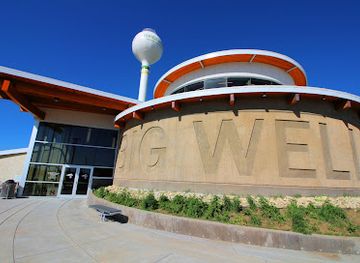
Big Well Museum
Explore the Big Well Museum in Greensburg, Kansas, and uncover the rich history behind the world's largest hand-dug well and its cultural significance.
Best landmarks in Red Hills
The landscape itself is the Red Hills' defining landmark, particularly the bands of red rock, gypsum and eroded earth visible around the scenic roads south and west of Medicine Lodge. These formations give the region a visual identity distinct from the flatter agricultural country nearby. The Medicine Lodge Peace Treaty site is the area's most significant historical landmark, marking the 1867 negotiations between the United States and representatives of several Plains nations; its meaning lies in both the meeting and the difficult consequences that followed. In Medicine Lodge, the Carry Nation Home provides a tangible link to the national temperance movement and one of Kansas's most recognisable reform figures. Barber State Fishing Lake is a notable human-made landscape feature, combining water, prairie and recreational access. County courthouses, churches and modest historic commercial buildings in Medicine Lodge complete a quieter architectural record of county government and small-town settlement.
-
Historical place
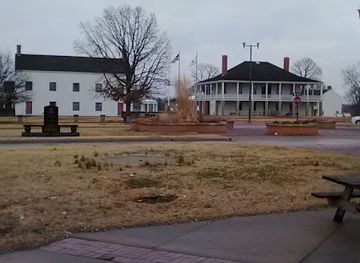
Fort Scott National Historic Site
Discover the rich history of the American frontier at Fort Scott National Historic Site, a beautifully preserved military fort in Kansas.
-
Historical place museum
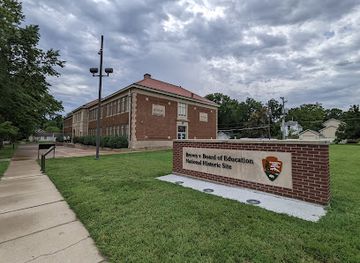
Brown v. Board of Education National Historical Park
Discover the impactful history of the Brown v. Board of Education National Historical Park, a key landmark in the civil rights movement, in Topeka, Kansas.
-
Historical landmark
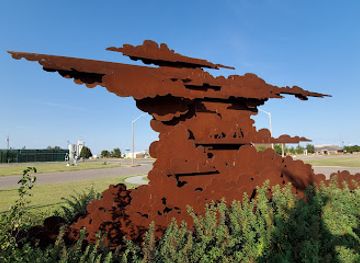
The Geographic Center of the United States
Explore the Geographic Center of the United States, a unique historical landmark in Kansas that highlights the central point of America.
-
Museum
Big Well Museum
Explore the Big Well Museum in Greensburg, KS - a unique blend of history and adventure at the world's largest hand-dug well.

Explore Red Hills on the map
Plan your trip on one map. See where the top cities, national parks and sights are, and book hotels and experiences in a few clicks.
Best hotels in Red Hills
Best restaurants in Red Hills
Dining in the Red Hills is centred on Medicine Lodge and other small communities, where cafés, diners, family restaurants and traditional bars provide practical meals rather than a large formal restaurant scene. Menus commonly reflect the wider Kansas and American Great Plains tradition: burgers, sandwiches, steaks, fried chicken, breakfast plates, pie and other straightforward comfort food. Visitors may also encounter locally sourced beef and seasonal produce, although availability varies by establishment. Rural cafés are useful places to learn about local routines and obtain supplies before heading into the countryside. Farmers' markets and community events, when operating, can offer baked goods, preserves and regional produce, but they are seasonal and should not be assumed to run daily. The region is not especially defined by a single signature dish; its culinary identity lies more in ranching country ingredients, generous homestyle cooking and the social role of small-town eating places.
-
Family-friendly
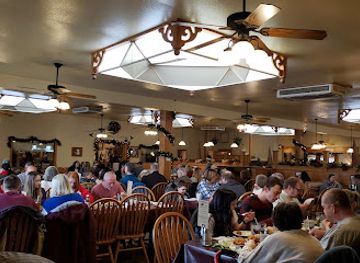
Carriage Crossing Restaurant and Bakery
Savor delicious home-cooked meals and irresistible baked goods at Carriage Crossing Restaurant and Bakery in Yoder, Kansas.
-
New American
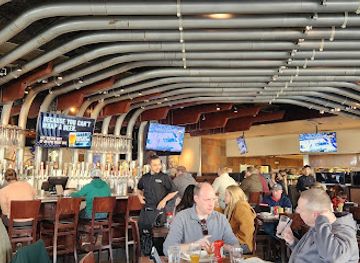
Yard House
Discover culinary excellence at Yard House in Kansas City—where great food meets an extensive selection of craft beers.
-
American
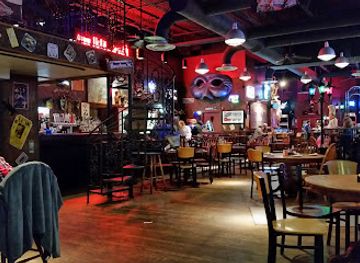
Jazz a Louisiana Kitchen
Discover Jazz a Louisiana Kitchen - where vibrant Southern flavors meet lively jazz music in Kansas City.
-
Italian
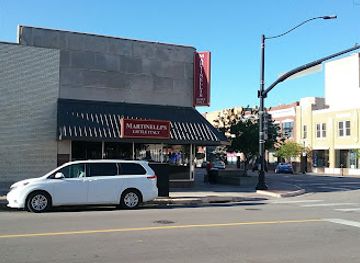
Martinelli's Little Italy
Experience authentic Italian cuisine at Martinelli's Little Italy in Salina, Kansas - where every dish tells a story.
Best bars in Red Hills
Evening life in the Red Hills is quiet and locally oriented. Medicine Lodge provides the region's most likely setting for a traditional bar, restaurant or community gathering, while smaller settlements may have limited evening provision. Expect conversation, televised sport, live music on occasional dates and early-closing rural routines rather than a concentrated nightclub district. Visitors should not rely on finding late-night food, entertainment or transport after leaving town. Local breweries, cocktail venues and large club scenes are not defining features of this sparsely populated region, and availability can change. A more characteristic evening involves dinner, a drink where available, an event at a community venue or time outdoors watching the sky over the prairie. Responsible drinking is especially important when distances are long and taxis or ride-hailing services may be unavailable.
-
Restaurant
The Pennant
Experience a delightful fusion of dining and entertainment at The Pennant, a must-visit destination in Topeka, Kansas, for families and friends.
-
Distillery
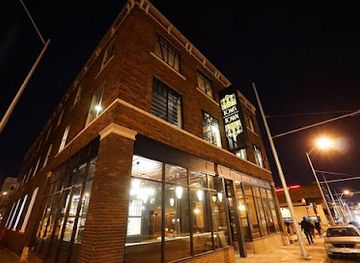
Tom's Town Distilling Co.
Discover the rich flavors of Kansas City's craft spirits at Tom's Town Distilling Co., featuring handcrafted cocktails in a charming speakeasy setting.
-
Wine bar
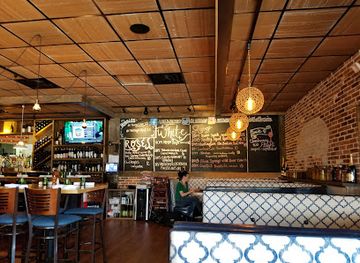
Louie's Wine Dive and Kitchen 119
Discover the perfect blend of American cuisine and exquisite wines at Louie's Wine Dive and Kitchen 119 in Overland Park, Kansas.
-
Grill
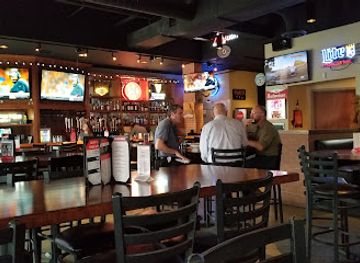
The Bar Mission
Discover the vibrant flavors of The Bar Mission, where delicious grilled dishes meet a welcoming atmosphere in the heart of Kansas.

Best nightclubs in Red Hills
Evening life in the Red Hills is quiet and locally oriented. Medicine Lodge provides the region's most likely setting for a traditional bar, restaurant or community gathering, while smaller settlements may have limited evening provision. Expect conversation, televised sport, live music on occasional dates and early-closing rural routines rather than a concentrated nightclub district. Visitors should not rely on finding late-night food, entertainment or transport after leaving town. Local breweries, cocktail venues and large club scenes are not defining features of this sparsely populated region, and availability can change. A more characteristic evening involves dinner, a drink where available, an event at a community venue or time outdoors watching the sky over the prairie. Responsible drinking is especially important when distances are long and taxis or ride-hailing services may be unavailable.
-
Cocktail bar
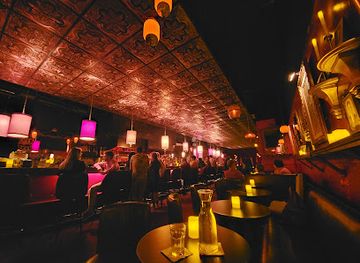
Green Lady Lounge
Discover the heartbeat of Kansas City nightlife at Green Lady Lounge, where exquisite cocktails meet live jazz in an inviting atmosphere.
-
Bar
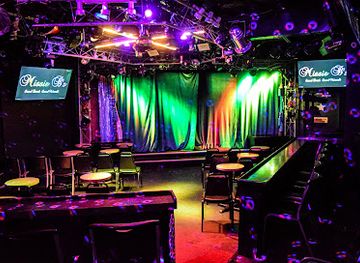
Missie B's
Discover Kansas City's lively nightlife at Missie B's, an inclusive bar and dance club offering great drinks and a vibrant atmosphere.
-
Night club
Aura
Experience the vibrant nightlife of Kansas City at Aura, a premier night club offering exceptional DJs, stunning light shows, and a lively atmosphere.
-
Night club
Virtue Night Club
Join the vibrant nightlife at Virtue Night Club in Grandview, MO, where electrifying beats and strong drinks create unforgettable memories.

Best shops in Red Hills
-
Department store
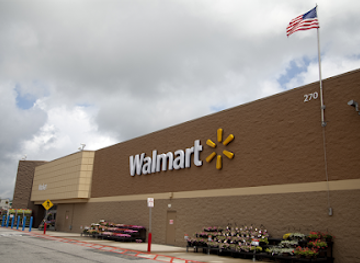
Walmart Supercenter
Explore the convenience of Walmart Supercenter in Dodge City, offering everything from groceries to electronics at affordable prices.
-
Furniture store
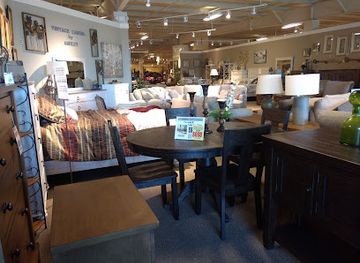
Weece Furniture
Discover quality and style at Weece Furniture in Dodge City, where your home decor dreams come to life with exceptional furniture choices.
-
Supermarket
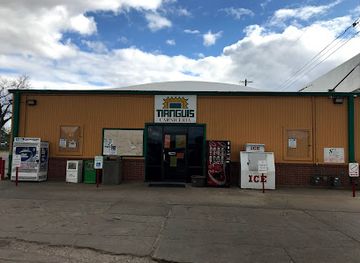
Tianguis Carniceria
Explore Tianguis Carniceria in Dodge City for a diverse selection of fresh produce and unique culinary delights that celebrate local and international flavors.
-
Department store
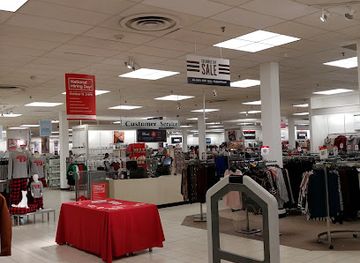
JCPenney
Discover a diverse shopping experience at JCPenney in Dodge City, offering clothing, furniture, jewelry, and shoes for the whole family.
Get your free copy of our complete guide to Red Hills, delivered straight to you.
Everything on this page, from attractions and restaurants to essentials and local phrases, in one PDF you can read offline, print or share.
Already have an account? Sign in
Your Red Hills guide is ready.
We'll send it to · Not you? Sign out

Getting your guide ready…
We are putting together a fresh copy of the Red Hills guide. This can take up to a minute.
This can take a few moments. If your browser asks, choose Allow so the download can start. You'll find the guide in your Downloads folder.
Nothing happened? Download it again
Sorry, the guide is taking longer than usual. Please try again in a minute, or get it by email instead.
Red Hills essentials
Currency and Payment
Safety
Emergency Situations
Do's and Don'ts
Local Tips
From Eve
Local phrases worth knowing
You don't need to get them perfect. A few words go a long way, and locals appreciate the effort.
Basics
| English | Local | Say it |
|---|---|---|
| Hello | Howdy | [HAW-dee] |
| Goodbye | See ya later | [SEE ya LAY-ter] |
| Yes | Yep | [YEP] |
| No | Nah | [NAH] |
| Please/You're welcome | Sure thing | [SHOOR thing] |
| Thank you | Thanks a lot | [THANX a LOT] |
| Excuse me/Sorry | Pardon me | [PAR-don me] |
| How are you? | How ya doin'? | [HOW ya DO-in?] |
| Fine. And you? | I'm good, you? | [I'M good, you?] |
| Do you speak English? | Can ya talk English? | [CAN ya TALK English?] |
| I don't understand | I ain't gettin' it | [I AIN'T GET-tin' it] |
Eating & Drinking
| English | Local | Say it |
|---|---|---|
| I'd like to see the menu, please | Can I see the menu? | [CAN I SEE the MENU?] |
| I don't eat meat | I don't eat no meat | [I DON'T EAT no MEAT] |
| Cheers! | Bottoms up! | [BOT-toms UP!] |
| I would like to pay, please | Can I get the check? | [CAN I GET the CHECK?] |
Emergencies
| English | Local | Say it |
|---|---|---|
| Help! | Help me! | [HELP me!] |
| Go away! | Beat it! | [BEAT it!] |
| Call the Police! | Call the cops! | [CALL the COPS!] |
| Call a doctor! | Get a doctor! | [GET a DOCTOR!] |
| I'm lost | I can't find my way | [I CAN'T FIND my WAY] |
| I'm ill | I'm feelin' sick | [I'M FEEL-in' SICK] |
Shopping
| English | Local | Say it |
|---|---|---|
| I'd like to buy... | I'm lookin' to buy... | [I'M LOOK-in' to BUY...] |
| I'm just looking | Just browsin' | [JUST BROW-zin'] |
| How much is it? | What’s the price? | [WHAT’S the PRICE?] |
| That's too expensive | That's too pricey | [THAT'S too PRICE-y] |
| Can you lower the price? | Can ya drop the price? | [CAN ya DROP the PRICE?] |
Time & Numbers
| English | Local | Say it |
|---|---|---|
| What time is it? | What’s the time? | [WHAT’S the TIME?] |
| It's one o'clock | It's one | [IT'S ONE] |
| Half past (10) | Half past ten | [HALF past TEN] |
| Morning | Mornin' | [MORN-in'] |
| Afternoon | Afternoon | [AFTER-noon] |
| Evening | Evenin' | [EVE-nin'] |
| Yesterday | Yesterday | [YES-ter-day] |
| Today | Today | [TO-day] |
| Tomorrow | Tomorrow | [TO-mor-row] |
| 1 | One | [ONE] |
| 2 | Two | [TWO] |
| 3 | Three | [THREE] |
| 4 | Four | [FOUR] |
| 5 | Five | [FIVE] |
| 6 | Six | [SIX] |
| 7 | Seven | [SEV-en] |
| 8 | Eight | [EIGHT] |
| 9 | Nine | [NINE] |
| 10 | Ten | [TEN] |
Transport & Directions
| English | Local | Say it |
|---|---|---|
| Where's a/the...? | Where's the nearest...? | [WHERE'S the NEAR-est...?] |
| What's the address? | What’s the address? | [WHAT’S the ADDRESS?] |
| Can you show me (on the map)? | Can ya point it out? | [CAN ya POINT it OUT?] |
| When's the next (bus)? | When's the next bus? | [WHEN'S the NEXT bus?] |
| A ticket (to ....) | A ticket to... | [A TICKET to...] |
History of Red Hills
Permian Rocks and the Making of the Red Hills
The Red Hills are built from Permian-age sedimentary rocks laid down roughly Permian 270 million years ago, when much of the region formed part of a shallow inland sea and periodically dry basin. Later erosion exposed red beds, gypsum and softer sediments, producing the area's ridges, bluffs and gullies. The geology is not merely scenic: it explains the sharp contrast between the Red Hills and the surrounding prairie and has influenced local roads, grazing patterns, agriculture and the region's modern interest in geology and landscape photography.
Plains Peoples and Indigenous Landscapes
Before Euro-American settlement, the wider southern Kansas plains were travelled and inhabited by Indigenous peoples, including Kiowa, Comanche, Cheyenne and Arapaho communities, among others. Rivers, springs, grasslands and bison country shaped movement and seasonal use of the land. The region's later history cannot be separated from the expansion of the United States, military campaigns, treaty negotiations and the forced restriction of Plains nations. Visitors should regard Indigenous history as a continuing part of the landscape, not simply as a prelude to settler history.
The Medicine Lodge Peace Treaties, 1867
In October 1867, representatives of the United States met with leaders of several Plains nations near Medicine Lodge Creek for treaty negotiations. The agreements attempted to move Native communities onto reservations and to open large areas of the southern plains to American settlement, railways and military control. Although often remembered locally as the Medicine Lodge Peace Treaty, the treaties did not create lasting peace and were followed by further conflict, land loss and coercive federal policies. The treaty site remains the region's most important historical reference point.
Settlement, Ranching and the County Seat
After the treaties and the opening of surrounding lands to non-Indigenous settlement, farms, ranches, trading businesses and county institutions developed around Medicine Lodge and other small communities. Barber County was organised in the late nineteenth century, and Medicine Lodge became its administrative centre. Rail connections and improved roads helped link the agricultural economy to wider Kansas markets, although the region remained relatively sparsely populated. The mature pattern of large fields, pasture, shelterbelts and dispersed settlements still reflects this period of rural development.
Kansas Reform and Carry Nation
Medicine Lodge is associated with Carry Nation, the forceful temperance campaigner who lived in the town during part of her early life. Nation later became nationally known for attacking bars and saloons with a hatchet during her campaign against alcohol. Her story belongs to the broader history of nineteenth- and early twentieth-century American reform, when temperance, women's activism and religious campaigning intersected. The Carry Nation Home interprets this local connection while also reminding visitors that national reform movements often emerged from small communities.
Modern Rural Landscapes and Conservation
During the twentieth century, mechanised agriculture, changing transport patterns and rural population decline altered the Red Hills without erasing their ranching and farming economy. Public fishing waters, wildlife areas and scenic-road interpretation have provided additional reasons to visit the region, while local heritage work preserves memories of Indigenous diplomacy, settlement and community life. Today the Red Hills are valued less for large urban development than for geology, open-space recreation, wildlife and the continuity of small-town institutions within a sparsely populated landscape.
Red Hills in Photos
Browse through our photo collection highlighting the charm and character of the destination.
Neighbouring regions of Red Hills
The closest regions to Red Hills, if you have time for more than one.
-

-

-

-

-


Swipe for more regions
Explore more

Explore more of Kansas
Explore Kansas: Where history, nature, and small-town charm converge in the heart of America. Discover prairies, cultural landmarks, and delicious cuisine in the Sunflower State.
Explore Kansas