

Free Gypsum Hills Travel Guide & Mobile App
Explore Gypsum Hills with free travel guides. Discover regional history, expert tips, proposed trips, and audio guides on web or mobile app.


Explore Kansas’s Gypsum Hills for red-rock scenery, open ranchland, quiet byways, local history and peaceful outdoor recreation.
Read more about Gypsum Hills
When is the best time to visit Gypsum Hills?
Best: May, September–October · 21–28°C| Month | High (°C) | Rainfall (mm) |
|---|---|---|
| January | 5 | 25 |
| February | 7 | 25 |
| March | 13 | 35 |
| April | 18 | 50 |
| May (best) | 24 | 70 |
| June | 30 | 80 |
| July | 34 | 70 |
| August | 32 | 70 |
| September (best) | 28 | 60 |
| October (best) | 21 | 40 |
| November | 13 | 30 |
| December | 7 | 25 |
Getting to and around Gypsum Hills
How to get there
Transportation
Best attractions in Gypsum Hills
The Gypsum Hills’ main attraction is the landscape itself: eroded red and ochre ridges, exposed sedimentary rock, wooded draws and broad ranch country encountered along the Gypsum Hills Scenic Byway. The route is suited to scenic driving, landscape photography and geology-focused stops rather than a packed sequence of formal visitor attractions. Medicine Lodge provides the region’s strongest concentration of interpretation, including the Medicine Lodge Peace Treaty site and local heritage resources connected with the 1867 treaty councils. Medicine Lodge State Park adds a lake, picnic areas, camping and opportunities for fishing, boating and walking. Across the wider hills, quiet roads reveal changing views between uplands and valleys, while grasslands offer chances to observe prairie birds and other wildlife. The area is especially appealing in spring and autumn, when temperatures are more comfortable and the vegetation changes colour, although summer and winter have their own visual character. Because services are widely spaced and much of the land is privately owned, visitors should distinguish public recreation areas and signed viewpoints from working ranches and should plan each outing around daylight, fuel, water and weather.
-
Science museum
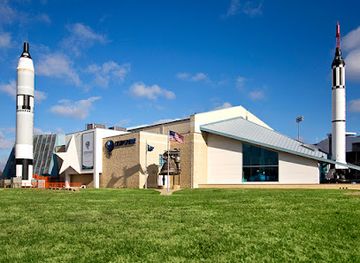
Cosmosphere
Discover the wonders of space at the Cosmosphere, a premier science museum in Hutchinson, Kansas, showcasing historic artifacts and interactive exhibits.
-
History museum
Strataca
Discover the fascinating history of salt mining at Strataca, a unique underground museum in Hutchinson, Kansas, where history meets adventure.
-
Museum
Big Well Museum
Discover the extraordinary Big Well Museum in Greensburg, Kansas, home to one of the largest hand-dug wells in the world, rich in history and engineering marvels.
-
Nature preserve
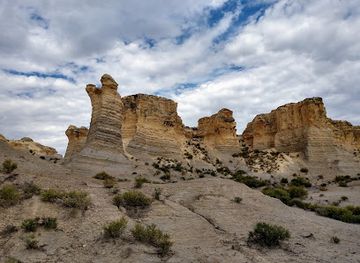
Little Jerusalem Badlands State Park
Explore the breathtaking landscapes and unique geological formations of Little Jerusalem Badlands State Park in Kansas, a must-visit destination for nature enthusiasts.

Best landmarks in Gypsum Hills
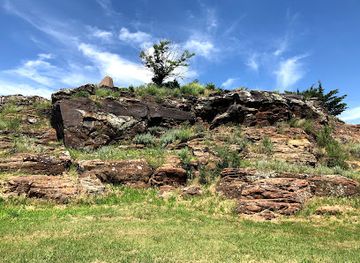
The coloured ridges and buttes along the Gypsum Hills Scenic Byway are the region’s defining natural landmarks, displaying layers of Permian rock shaped by erosion into an irregular chain of uplands and valleys. Their red and orange tones contrast with the surrounding prairie and become especially pronounced in low-angle light. In Medicine Lodge, the Medicine Lodge Peace Treaty site is an important historical landmark associated with the 1867 councils involving the United States and several Indigenous nations; its significance lies in the political consequences of the negotiations as well as in the local setting. Medicine Lodge State Park is a notable civic and recreational landmark, with its lake and wooded grounds offering a marked contrast to the exposed hills. Throughout the region, farmsteads, ranch roads, bridges and small-town public buildings form a quieter layer of cultural landscape, reflecting the settlement and working history of southern Kansas. These places are best understood together, as geological features and human history are closely connected across the rural scenery.
-
Museum
Big Well Museum
Explore the Big Well Museum in Greensburg, KS—home to the world's largest hand-dug well and rich local history.
-
Historical place
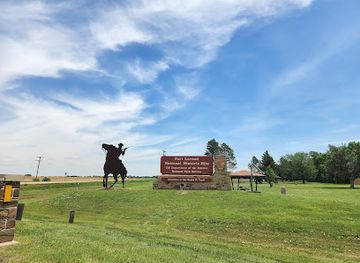
Fort Larned National Historic Site
Explore the historic Fort Larned National Historic Site for an enriching journey through America's frontier history, surrounded by stunning Kansas landscapes.
-
Historical place
Pawnee Rock State Historic Site
Discover the rich history and natural beauty of Pawnee Rock State Historic Site, a landmark of the Santa Fe Trail in Kansas, perfect for history lovers and nature enthusiasts.
-
Park
Mine Creek Civil War Battlefield State Historic Site
Discover the Mine Creek Civil War Battlefield, a vital historic site in Kansas showcasing trails, interpretive signs, and the rich legacy of American history.

Explore Gypsum Hills on the map
Plan your trip on one map. See where the top cities, national parks and sights are, and book hotels and experiences in a few clicks.
Best hotels in Gypsum Hills
Best restaurants in Gypsum Hills
Dining in the Gypsum Hills is centred on small-town cafés, family-run restaurants, diners and traditional American eateries rather than a large independent restaurant scene. Medicine Lodge is the most practical place to look for everyday meals and supplies, while travellers on the byway should not expect food service at every scenic stop. Menus commonly reflect the wider food culture of Kansas and the Great Plains, with burgers, steaks, barbecue, fried chicken, sandwiches, breakfast plates and homemade-style baking more prominent than a narrowly defined Gypsum Hills cuisine. Local beef and other farm products may appear on menus or at retailers, but availability varies. Pack provisions for longer drives, and ask locally about current opening arrangements in smaller communities, where service can be limited outside peak meal periods. Picnic facilities at recreation areas make a self-catered lunch a useful part of a scenic itinerary.
-
Family-friendly
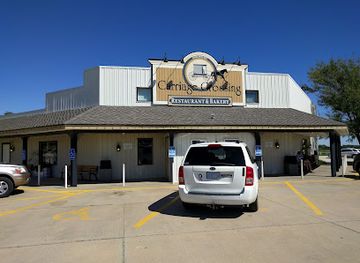
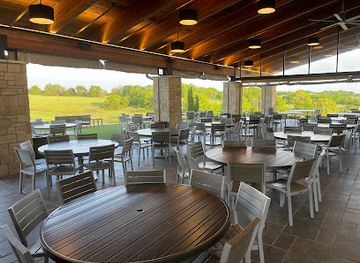
Carriage Crossing Restaurant and Bakery
Experience home-cooked meals and fresh-baked delights at Carriage Crossing Restaurant and Bakery in Yoder, Kansas – where family dining meets local charm.
-
Restaurant
Silo Modern Farmhouse
Experience exceptional American cuisine at Silo Modern Farmhouse in Lenexa - where innovation meets tradition in every bite.
-
Mexican
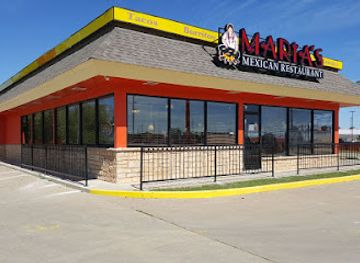
Maria Mexican Restaurant
Savor authentic Mexican flavors at Maria Mexican Restaurant in Independence - where every dish tells a story.
-
Restaurant
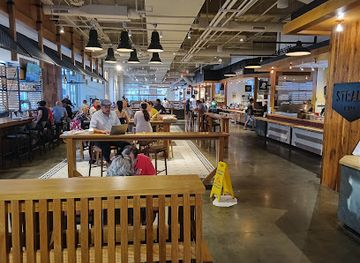
Strang Hall
Discover Strang Hall in Overland Park: A vibrant restaurant offering innovative cuisine and a welcoming atmosphere for every occasion.
Best bars in Gypsum Hills
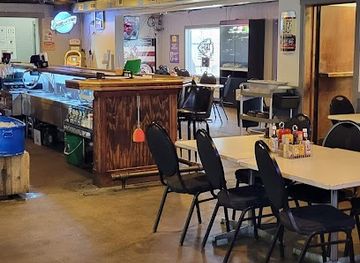
Evening life in the Gypsum Hills is low-key and concentrated in small communities, particularly Medicine Lodge, rather than organised around nightclubs or a major entertainment district. Traditional bars, casual restaurants and community venues provide the main opportunities for an evening out, and local social life may also revolve around seasonal events, school activities or civic gatherings. Travellers should expect early closing times and limited choices once they leave the larger towns, with little organised nightlife along the scenic byway itself. Any available live music or special event is likely to be occasional rather than a dependable nightly programme, so current local information is useful. The region’s evening appeal is often the quiet one: a meal after a day on the road, a rural sunset or a dark sky away from city lights, always with a responsible plan for driving.
-
Grill
The Bar Mission
Discover The Bar Mission, where delicious grilled flavors meet a lively bar atmosphere in the heart of Kansas.
-
Grill
Double Nickel
Discover the lively atmosphere and delicious offerings at Double Nickel, Olathe's favorite grill and bar for food, drinks, and live entertainment.
-
Sports bar
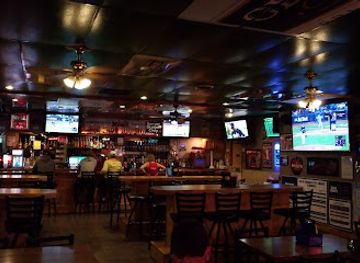
The Rusty Needle
Experience the ultimate sports bar atmosphere at The Rusty Needle, where delicious food and refreshing drinks are always on tap.
-
Grill
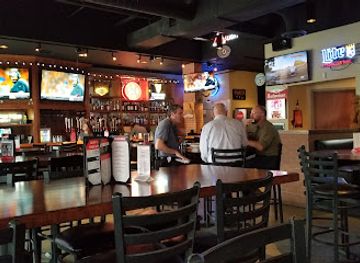
Uncle Jack's Bar & Grill
Experience the best of grilled cuisine and a lively atmosphere at Uncle Jack's Bar & Grill in Independence, Kansas.

Best nightclubs in Gypsum Hills
Evening life in the Gypsum Hills is low-key and concentrated in small communities, particularly Medicine Lodge, rather than organised around nightclubs or a major entertainment district. Traditional bars, casual restaurants and community venues provide the main opportunities for an evening out, and local social life may also revolve around seasonal events, school activities or civic gatherings. Travellers should expect early closing times and limited choices once they leave the larger towns, with little organised nightlife along the scenic byway itself. Any available live music or special event is likely to be occasional rather than a dependable nightly programme, so current local information is useful. The region’s evening appeal is often the quiet one: a meal after a day on the road, a rural sunset or a dark sky away from city lights, always with a responsible plan for driving.
-
Bar
Missie B's
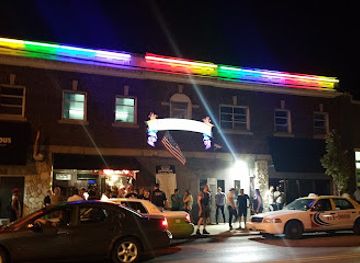
Discover Kansas City's nightlife at Missie B's, an inclusive bar and dance club with great atmosphere and affordable drinks.
-
Night club
Aura
Experience the electrifying nightlife at Aura, Kansas City's premier night club with top DJs, vibrant atmosphere, and unforgettable events.
-
Night club
Virtue Night Club
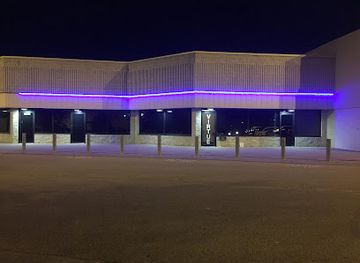
Experience the electrifying nightlife at Virtue Night Club in Grandview, Missouri, where exceptional DJs and vibrant dance floors await you.
-
Lounge
Dj mystery man
Experience the vibrant nightlife of Kansas City at Dj Mystery Man, a lively lounge and night club offering great drinks and unforgettable social moments.

Best shops in Gypsum Hills
Shopping in the Gypsum Hills is practical and small-scale, with Medicine Lodge serving as the main place for everyday supplies, gifts and local services. Travellers may find independent shops, antique or second-hand items, books, artworks, locally themed souvenirs and regional food products, although selection and opening times vary. Small communities along the wider scenic route are not full-time shopping destinations, so purchase fuel, provisions and outdoor essentials before setting out. Seasonal fairs, community events and farmers’ markets can provide opportunities to buy baked goods, preserves, crafts or produce when they are operating, but these are not daily fixtures and should be checked locally. The most appropriate souvenirs are often items connected with Kansas landscapes, local history, ranch country or regional geology rather than mass-produced claims about the hills. Visitors should also respect small businesses’ policies on photography, card payment and browsing, particularly where a shop combines retail with a working studio or local service.
-
Antique store
A Fabulous Find
Explore unique antiques and vintage treasures at A Fabulous Find, a charming store in Mission, Kansas that delights every treasure hunter.
-
Museum
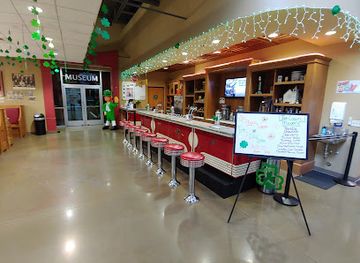
Kiowa County Historical Museum and Soda Fountain
Explore history and enjoy a sweet treat at Kiowa County Historical Museum and Soda Fountain in Greensburg, Kansas.
-
Consignment shop
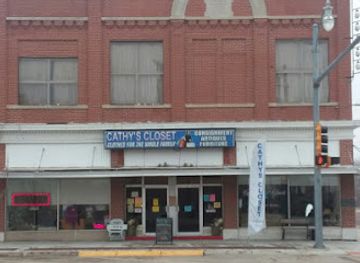
Cathy's Closet
Explore Cathy's Closet in Pratt, Kansas, for a unique consignment shopping experience filled with stylish clothing and accessories at affordable prices.
-
Gift shop
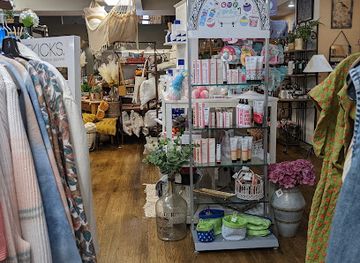
Simply Southwest
Explore the charm of Pratt, Kansas, at Simply Southwest, where unique gifts, children's clothing, and a cozy coffee shop await.

Get your free copy of our complete guide to Gypsum Hills, delivered straight to you.
Everything on this page, from attractions and restaurants to essentials and local phrases, in one PDF you can read offline, print or share.
Already have an account? Sign in
Your Gypsum Hills guide is ready.
We'll send it to · Not you? Sign out

Getting your guide ready…
We are putting together a fresh copy of the Gypsum Hills guide. This can take up to a minute.
This can take a few moments. If your browser asks, choose Allow so the download can start. You'll find the guide in your Downloads folder.
Nothing happened? Download it again
Sorry, the guide is taking longer than usual. Please try again in a minute, or get it by email instead.
Gypsum Hills essentials
Currency and Payment
Safety
Emergency Situations
Do's and Don'ts
Local Tips
From Eve
Local phrases worth knowing
You don't need to get them perfect. A few words go a long way, and locals appreciate the effort.
Basics
| English | Local | Say it |
|---|---|---|
| Hello | Howdy | [how-dee] |
| Goodbye | See ya later | [see ya lay-ter] |
| Yes | Yep | [yehp] |
| No | Nope | [nohp] |
| Please/You’re welcome | Sure thing | [shur thing] |
| Thank you | Thanks a bunch | [thanks a bunch] |
| Excuse me/Sorry | Pardon me | [par-dun mee] |
| How are you? | How ya doin'? | [how ya doin'?] |
| Fine. And you? | Good. And you? | [good. and you?] |
| Do you speak English? | You speakin' English? | [you speakin' English?] |
| I don't understand | I ain't got a clue | [I ain't got a clue] |
Eating & Drinking
| English | Local | Say it |
|---|---|---|
| I’d like to see the menu, please | Can I see the menu? | [can I see the menu?] |
| I don't eat meat | I don't do meat | [I don't do meat] |
| Cheers! | Cheers! | [cheers!] |
| I would like to pay, please | Can I get the check? | [can I get the check?] |
Emergencies
| English | Local | Say it |
|---|---|---|
| Help! | Help! | [help!] |
| Go away! | Leave me be! | [leave me bee!] |
| Call the Police! | Call the cops! | [call the cops!] |
| Call a doctor! | Get a doctor! | [get a doctor!] |
| I’m lost | I’m turned around | [I’m turned around] |
| I’m ill | I’m not feelin' well | [I’m not feelin' well] |
Shopping
| English | Local | Say it |
|---|---|---|
| I’d like to buy... | I want to buy... | [I want to buy...] |
| I’m just looking | Just browsing | [just browsing] |
| How much is it? | What’s the price? | [what’s the price?] |
| That’s too expensive | That's a bit pricey | [that's a bit pry-see] |
| Can you lower the price? | Can you make it cheaper? | [can you make it cheaper?] |
Time & Numbers
| English | Local | Say it |
|---|---|---|
| What time is it? | What time ya got? | [what time ya got?] |
| It’s one o’clock | It’s one | [it’s one] |
| Half past (10) | Half past ten | [half past ten] |
| Morning | Mornin' | [mornin'] |
| Afternoon | Afternoon | [afternoon] |
| Evening | Evenin' | [evenin'] |
| Yesterday | Yesterday | [yesterday] |
| Today | Today | [today] |
| Tomorrow | Tomorrow | [tomorrow] |
| 1 | One | [one] |
| 2 | Two | [two] |
| 3 | Three | [three] |
| 4 | Four | [four] |
| 5 | Five | [five] |
| 6 | Six | [six] |
| 7 | Seven | [seven] |
| 8 | Eight | [eight] |
| 9 | Nine | [nine] |
| 10 | Ten | [ten] |
Transport & Directions
| English | Local | Say it |
|---|---|---|
| Where's a/the...? | Where's the...? | [where's the...?] |
| What’s the address? | What’s the address? | [what’s the address?] |
| Can you show me (on the map)? | Can ya show me on the map? | [can ya show me on the map?] |
| When’s the next (bus)? | When's the next bus? | [when's the next bus?] |
| A ticket (to ....) | A ticket to... | [a ticket to...] |
History of Gypsum Hills
Indigenous Homelands and Plains Lifeways
Long before American settlement, the southern Kansas plains and the Gypsum Hills were used by Indigenous peoples for hunting, travel and seasonal occupation. Wichita, Kiowa, Comanche, Osage and other nations have historical connections with the wider region, although territorial patterns changed over time and should not be reduced to a single tribal story. Rivers, springs, grasslands and the natural corridors through the hills shaped movement across the landscape. Archaeological evidence and surviving Indigenous histories provide important context for understanding the region as a lived homeland rather than an empty frontier.
Early Encounters and the Santa Fe World
European and later American exploration brought the southern Kansas plains into wider imperial and commercial networks. Spanish expeditions travelled through parts of the Great Plains in the sixteenth century, while later traders, military parties and surveyors followed routes connecting the central plains with New Mexico and the wider Southwest. The Gypsum Hills were not a major urban centre, but their valleys and uplands formed part of a landscape crossed by Indigenous trade, hunting and diplomatic routes before sustained American settlement.
The Medicine Lodge Peace Treaty Councils, 1867
Medicine Lodge is associated with a major series of treaty councils held in October 1867. Representatives of the United States met with members of the Kiowa, Comanche, Kiowa-Apache, Southern Cheyenne and Arapaho nations in negotiations intended to establish reservation arrangements and reduce conflict on the plains. The agreements were made in a period of intense pressure on Indigenous lands and sovereignty, and their consequences were profound. The Medicine Lodge Peace Treaty site and local historical interpretation preserve the memory of an event central to the history of southern Kansas.
Settlement, Ranching and Town Building
After the Civil War, federal policy, land surveys and the expansion of American transport networks encouraged non-Indigenous settlement across southern Kansas. Cattle ranching, small-scale farming and the development of towns transformed the grasslands, while fencing altered older patterns of movement. Communities such as Medicine Lodge became centres for trade, government and services in a widely dispersed rural economy. The region’s present appearance—large skies, working ranches, cultivated patches and small communities—reflects this nineteenth- and early twentieth-century transition.
Gypsum, Agriculture and Mineral Development
The same sedimentary rocks that create the region’s coloured hills also contain gypsum, a mineral used in plaster, wallboard and other building materials. Gypsum extraction became part of the economic history of Kansas, alongside agriculture, livestock and other mineral industries. Industrial activity was generally more important in selected localities than across the entire scenic landscape, but it illustrates how the hills have been valued both for their visual character and for their geological resources. Roads, rail connections and improved machinery gradually linked local production to wider markets.
Modern Scenic Conservation and Rural Tourism
During the twentieth century, better roads and growing interest in Kansas landscapes made the Gypsum Hills more accessible to motorists and outdoor visitors. The designation and promotion of the Gypsum Hills Scenic Byway helped frame the area as a connected geological and cultural landscape rather than merely a collection of isolated rural roads. State recreation facilities, including Medicine Lodge State Park, added opportunities for boating, fishing, camping and walking. Tourism remains modest in scale, and the region’s appeal continues to depend on its open setting, geological character and local history.
Gypsum Hills in Photos
Browse through our photo collection highlighting the charm and character of the destination.
Neighbouring regions of Gypsum Hills
The closest regions to Gypsum Hills, if you have time for more than one.
-

-

-

-

-


Swipe for more regions
Explore more

Explore more of Kansas
Explore Kansas: Where history, nature, and small-town charm converge in the heart of America. Discover prairies, cultural landmarks, and delicious cuisine in the Sunflower State.
Explore Kansas