

Astana City (Nur-Sultan) Travel Guide - Free
Explore Astana City in Nur-Sultan with Evendo's free guide. Find the best shops, historic streets, restaurants, and gems on web or mobile.


Astana City in Nur-Sultan reveals Kazakhstan’s futuristic capital through Baiterek, riverfront walks, museums, grand avenues and steppe-shaped city life.
A Capital Shaped by the Steppe
Astana City, identified here with the capital formerly known as Nur-Sultan, is less a conventional neighbourhood than a broad urban setting of monumental avenues, new residential quarters and carefully planned civic spaces. The city stands on the flat northern steppe beside the Ishim River, where severe winters, open horizons and ambitious architecture have shaped an unmistakable sense of place. Kazakhstan restored the capital’s name to Astana in 2022, although the name Nur-Sultan remains relevant to recent history and some older travel references.Read more about Astana City
Old Bank and New Skyline
Everyday Astana
Best attractions in Astana City
Astana’s principal attractions are concentrated around the civic and cultural districts on both sides of the Ishim River. Baiterek is the city’s most recognisable observation monument, while the nearby Nurzhol Boulevard presents a sequence of landscaped spaces, contemporary buildings and public art. The National Museum of the Republic of Kazakhstan provides a broad introduction to the country’s archaeology, history and modern identity, and the Palace of Peace and Reconciliation adds a distinctive pyramid-shaped cultural venue to the skyline. On the right bank, Central Park and the Ishim embankment offer more relaxed urban scenery, with bridges, promenades and views towards the newer capital. The Astana Opera and the National Academic Library add cultural depth to the ceremonial landscape, while Khan Shatyr’s vast tent-like structure combines architecture, leisure and retail in a landmark that is particularly noticeable from the city’s major avenues.
-
Museum
The Museum of the First President of the Republic of Kazakhstan
Discover Kazakhstan's rich history and cultural heritage at the Museum of the First President, a must-visit attraction in Astana.
23 min drive · 7.7 km from neighbourhood centre

Best landmarks in Astana City
Astana’s landmarks reveal how architecture has been used to express the identity of Kazakhstan’s modern capital. Baiterek, with its golden sphere, stands on Nurzhol Boulevard as a visual emblem of the city and its planned central axis. The Palace of Peace and Reconciliation, designed in the form of a glass-and-steel pyramid, reflects Astana’s role as a venue for interfaith and international meetings. Nearby, the Ak Orda Presidential Palace and surrounding government buildings give the left bank a formal civic scale, while the National Museum anchors the cultural quarter with a monumental contemporary façade. Khan Shatyr is distinguished by its enormous tent-like roof, engineered for the capital’s severe climate. On the older side of the river, bridges, embankments, Central Park and surviving Soviet-era apartment districts provide a counterpoint to the newer skyline, showing the city as an evolving capital rather than a single architectural project.
-
Tourist attraction
Baiterek
Experience the grandeur of Kazakhstan at Baiterek, Astana's iconic monument that offers stunning views and rich cultural insights.
10 min drive · 3.4 km from neighbourhood centre
-
Mosque
Nur Astana Mosque
Explore the majestic Nur Astana Mosque, a stunning architectural gem in Astana, Kazakhstan, and a testament to the country's rich cultural heritage.
11 min drive · 3.8 km from neighbourhood centre
-
Park
Lovers Park
Experience the tranquil beauty of Lovers Park in Astana, a perfect blend of nature, leisure, and romance ideal for tourists.
14 min drive · 4.5 km from neighbourhood centre
-
National museum
National Museum of the Republic of Kazakhstan
Explore Kazakhstan's heritage at the National Museum, a modern cultural gem in Astana showcasing the nation's rich history and vibrant traditions.
7 min drive · 2.5 km from neighbourhood centre


Explore Astana City on the map
A handpicked selection of must-see spots in Astana City, mapped for you.
Best hotels in Astana City
Best restaurants in Astana City
Astana’s dining scene reflects the capital’s international population and its position between northern steppe traditions and wider Central Asian culinary cultures. Visitors can find restaurants serving beshbarmak, kuyrdak, baursak and other Kazakh dishes alongside Uzbek, Uyghur, Georgian, Russian, Turkish, Korean and international cooking. The older right bank has established cafés, bakeries and everyday eateries, while the newer left bank and major shopping centres provide a denser selection of contemporary restaurants and coffee shops. Traditional meals are often meat-led, with horsemeat and lamb appearing in some menus, though vegetarian and modern interpretations are increasingly available in larger venues. Food courts in shopping and entertainment complexes are useful for informal meals, particularly in winter, while markets offer a sense of local buying and eating habits without necessarily functioning as dedicated tourist food halls. Menus may appear in Kazakh and Russian, so translation tools can be helpful.
-
Kazakhstani
Saksaul
Discover authentic Kazakh cuisine at Saksaul in Astana, where tradition meets flavor in every dish.
11 min drive · 3.6 km from neighbourhood centre
-
Restaurant
Ocean Basket Kazakhstan
Discover the best seafood dining experience at Ocean Basket Kazakhstan in Astana - fresh flavors and vibrant atmosphere await you.
13 min drive · 4.3 km from neighbourhood centre
-
Restaurant
Чир Chic
Experience exquisite dining at Чир Chic in Astana - where tradition meets innovation in every dish.
15 min drive · 4.9 km from neighbourhood centre
-
Restaurant
The Kitchen
Experience contemporary Kazakh cuisine at The Kitchen in Astana—where tradition meets modern culinary artistry.
11 min drive · 3.8 km from neighbourhood centre


Best bars in Astana City
Astana’s evening life is dispersed rather than organised around one historic entertainment quarter. Restaurants, hotel lounges, specialist bars and late-opening venues are most concentrated around central commercial areas, the left-bank business district and large shopping or leisure complexes. The city also has established theatres and concert venues, including Astana Opera, where an evening performance offers a more characteristic cultural experience than moving between nightlife venues. Younger crowds gather in contemporary cafés and bars, while the older right bank retains a mixture of informal restaurants and local meeting places. Winter weather encourages indoor socialising, and the wide distances between districts make taxis practical after dark. Visitors should check current listings and entry arrangements directly, as programmes, opening patterns and venue identities can change more quickly than the city’s monumental architecture suggests.
-
Bar
The Leprechaun
Discover the charm of The Leprechaun in Astana, where vibrant atmosphere, delicious drinks, and friendly service await you.
9 min drive · 3.1 km from neighbourhood centre
-
Bar
KEGA MUSIC BAR
Discover KEGA Music Bar in Astana: where live music, delicious drinks, and a vibrant nightlife converge for an unforgettable experience.
17 min drive · 5.8 km from neighbourhood centre
-
Bar
Cocosbar
Discover the vibrant nightlife at Cocosbar in Astana, a trendy bar offering an extensive drink menu and lively atmosphere for an unforgettable evening.
23 min drive · 7.8 km from neighbourhood centre
-
Bar
DARK SIDE BAR
Experience the vibrant nightlife of Astana at Dark Side Bar, where innovative cocktails and a lively atmosphere await every visitor.
6 min drive · 1.9 km from neighbourhood centre


Best nightclubs in Astana City
Astana’s evening life is dispersed rather than organised around one historic entertainment quarter. Restaurants, hotel lounges, specialist bars and late-opening venues are most concentrated around central commercial areas, the left-bank business district and large shopping or leisure complexes. The city also has established theatres and concert venues, including Astana Opera, where an evening performance offers a more characteristic cultural experience than moving between nightlife venues. Younger crowds gather in contemporary cafés and bars, while the older right bank retains a mixture of informal restaurants and local meeting places. Winter weather encourages indoor socialising, and the wide distances between districts make taxis practical after dark. Visitors should check current listings and entry arrangements directly, as programmes, opening patterns and venue identities can change more quickly than the city’s monumental architecture suggests.
-
Bar
#Fest.425.
Discover the lively atmosphere of #Fest.425., a premier bar and cafe in Astana offering an eclectic mix of drinks, snacks, and nightlife fun.
19 min drive · 6.2 km from neighbourhood centre
-
Bar
DARK SIDE BAR
Experience the vibrant nightlife of Astana at Dark Side Bar, where innovative drinks and a lively atmosphere await you.
6 min drive · 1.9 km from neighbourhood centre
-
Night club
Icon Club Astana
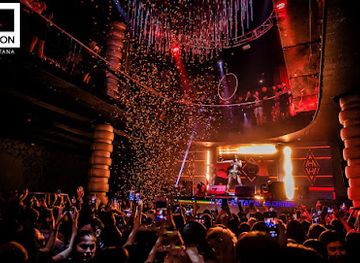
Discover the electrifying nightlife at Icon Club Astana, where exceptional music and a vibrant atmosphere await you in Kazakhstan's capital.
17 min drive · 5.6 km from neighbourhood centre
-
Lounge
Habibi Lounge
Experience the vibrant nightlife of Astana at Habibi Lounge, where stylish ambiance meets delightful drinks and lively entertainment.
19 min drive · 6.3 km from neighbourhood centre



Best shops in Astana City
Shopping in Astana ranges from practical local markets and established right-bank retail streets to large contemporary complexes on the newer side of the city. Markets are useful for observing everyday commerce and finding produce, bread, dried goods and regional food products, while specialist shops and department stores provide clothing, household goods and gifts. Khan Shatyr and other major shopping centres combine international retail with cafés, entertainment and indoor spaces that are particularly welcome during cold weather. Visitors looking for Kazakh-themed presents may find felt goods, ornaments, textiles, leather items and food products, although quality and provenance vary and should be assessed individually. The city is not primarily a traditional bazaar destination; its commercial identity is strongly shaped by modern malls, broad retail corridors and rapidly developing mixed-use districts. The older right bank generally offers a more practical, locally oriented shopping experience than the monumental government quarter.
-
Shopping mall
Khan Shatyr
Discover the grandeur of Khan Shatyr, a stunning shopping mall and cultural landmark in Astana, where modern architecture meets vibrant local experiences.
15 min drive · 4.8 km from neighbourhood centre
-
Shopping mall
Keruen
Discover the vibrant shopping experience at Keruen, Astana's premier shopping mall, offering fashion, dining, and entertainment for all ages.
11 min drive · 3.6 km from neighbourhood centre
-
Store
Nefor Shop - Аниме Магазин в Астане (Нур-Султане)
Explore Nefor Shop in Astana for a unique collection of anime merchandise and immerse yourself in the vibrant anime culture.
25 min drive · 8.4 km from neighbourhood centre
-
Clothing store
HYPE SHOP ASTANA
Discover the latest trends and unique styles at HYPE SHOP ASTANA, where fashion meets the heart of the city.
22 min drive · 7.3 km from neighbourhood centre


Astana City essentials
Getting There
Getting Around
Safety
Emergency Situations
Do's and Don'ts
Local Tips

From Eve
Local phrases worth knowing
You don't need to get them perfect. A few words go a long way, and locals appreciate the effort.
Basics
| English | Local | Say it |
|---|---|---|
| Hello | Сәлем | [Salem] |
| Goodbye | Қош келдіңіз | [Qosh keldiniz] |
| Yes | Ия | [Iya] |
| No | Жоқ | [Joq] |
| Please/You're welcome | Рахмет | [Rahmet] |
| Thank you | Рахмет сізге | [Rahmet sizge] |
| Excuse me/Sorry | Кешіріңіз | [Keshiriniz] |
| How are you? | Қалайсыздар? | [Qalaisyzdar?] |
| Fine. And you? | Жақсым. Сіз кім? | [Jaqsym. Siz kim?] |
| Do you speak English? | Сіз ағылшынша сөйлейсіз бе? | [Siz agylshynsha soylesiz be?] |
| I don't understand | Мен түсінбеймін | [Men tusinbeymin] |
Eating & Drinking
| English | Local | Say it |
|---|---|---|
| I'd like to see the menu, please | Менюмен танысу керек | [Menyumem tanysu kerek] |
| I don't eat meat | Мен қасап тамақтамын | [Men qasap tamaktamyn] |
| Cheers! | Тамшы! | [Tamshy] |
| I would like to pay, please | Төлеу керек | [Toleu kerek] |
Emergencies
| English | Local | Say it |
|---|---|---|
| Help! | Көмек! | [Komek!] |
| Go away! | Ауыр! | [Awr!] |
| Call the Police! | Полицияға қоңырау шақыру | [Politsiyaga qonyrau shaqyru] |
| Call a doctor! | Дәрігерге қоңырау шақыру | [Daregerge qonyrau shaqyru] |
| I'm lost | Мен алдым | [Men aldym] |
| I'm ill | Мен аурушымын | [Men aurushymyn] |
Shopping
| English | Local | Say it |
|---|---|---|
| I'd like to buy... | Сатып алу керек | [Satyp alu kerek] |
| I'm just looking | Көріп тұрмын | [Korip turmyn] |
| How much is it? | Бұл канша? | [Bul kansha?] |
| That's too expensive | Ол тым де арзан | [Ol tym de arzan] |
| Can you lower the price? | Бағаны төмендете ме? | [Bagany tomdete me?] |
Time & Numbers
| English | Local | Say it |
|---|---|---|
| What time is it? | Ұшқыш неше уақыт | [Ushqysh neshe uaqyt] |
| It's one o'clock | Бір жақ | [Bir zhaq] |
| Half past (10) | Онға жеткенді | [Ongha jetkendi] |
| Morning | Таң | [Tan] |
| Afternoon | Кеш | [Kesh] |
| Evening | Кешкі | [Keshki] |
| Yesterday | Кеше | [Keshe] |
| Today | Бүгін | [Bugyn] |
| Tomorrow | Ертең | [Erten] |
| 1 | Бір | [Bir] |
| 2 | Екі | [Eki] |
| 3 | Үш | [Ush] |
| 4 | Төрт | [Tort] |
| 5 | Бес | [Bes] |
| 6 | Алты | [Alty] |
| 7 | Жеті | [Jeti] |
| 8 | Сегіз | [Segiz] |
| 9 | Тоғыз | [Toghyz] |
| 10 | Он | [On] |
Transport & Directions
| English | Local | Say it |
|---|---|---|
| Where's a/the...? | ...қайда? | [...Qayda?] |
| What's the address? | Мекен-жайдың мекенжайын айта ма? | [Meken-zhaidyn mekenzhaiyn aita ma?] |
| Can you show me (on the map)? | Мені көрсете аласыз бе? | [Meni korsite alasiz be?] |
| When's the next (bus)? | Келесі(автобус) неше уақытта? | [Kelesi(avtobus) neshe uaqytta?] |
| A ticket (to ....) | Билет (....ға) | [Bilet (gha)] |
History of Astana City
From Akmola to a Regional Centre
The settlement that became Astana developed around Akmola, a Russian imperial-era outpost established in the nineteenth century near the Ishim River and established routes across the steppe. Its position made it useful for administration, trade and agricultural exchange, while the surrounding landscape remained predominantly open grassland. Under Soviet rule, the town became part of the wider transformation of northern Kazakhstan, and its name and role changed several times. The arrival of railway connections and increasing agricultural settlement strengthened its position as a regional centre, although the built environment remained modest compared with the monumental capital that would follow.
Soviet Growth and Tselinograd
During the Soviet Virgin Lands campaign from the 1950s, Akmolinsk became Tselinograd and expanded rapidly as an administrative and agricultural hub. New housing, schools, public institutions and industrial facilities reshaped the town, particularly around the established right-bank core and transport routes. The campaign brought workers, administrators and families from many parts of the Soviet Union, giving the city a more diverse social and architectural character. Although the project caused serious environmental and agricultural difficulties across the steppe, its investment in infrastructure helped create the urban base from which the later capital could grow.
Capital of Independent Kazakhstan
Kazakhstan selected Akmola as its capital in 1997, and the city was renamed Astana in 1998. The decision redirected national investment towards the northern steppe and triggered extensive construction on the south bank of the Ishim. Government offices, diplomatic facilities, housing and cultural institutions appeared alongside new highways and bridges, while the old centre continued to function as a commercial and residential part of the city. The planned capital was intended to express the sovereignty and future-oriented identity of independent Kazakhstan, making urban design and architecture central to its political symbolism.
A Changing Name and Expanding City
Astana was renamed Nur-Sultan in 2019 and reverted to Astana in 2022, reflecting shifts in the country’s recent political landscape. During the same period, rapid population growth spread development beyond the most recognisable civic core, producing new apartment districts, retail complexes and transport demands. The major landmarks of the left bank remain the city’s visual signature, but everyday life also depends on older neighbourhoods, local markets, schools and river crossings. Astana’s contemporary identity therefore combines a carefully composed capital image with the practical challenges of building a large city in a harsh, exposed climate.
Astana City in Photos
Browse through our photo collection highlighting the charm and character of the destination.
Neighbourhoods near Astana City
The closest neighbourhoods to Astana City, if you have time for more than one stop.
-

-

-


Swipe for more neighbourhoods
Explore more

Explore more of Nur-Sultan
Nur-Sultan, now officially Astana, pairs futuristic architecture with Kazakh culture, museums, grand avenues and steppe landscapes in Kazakhstan’s capital.
Explore Nur-Sultan