
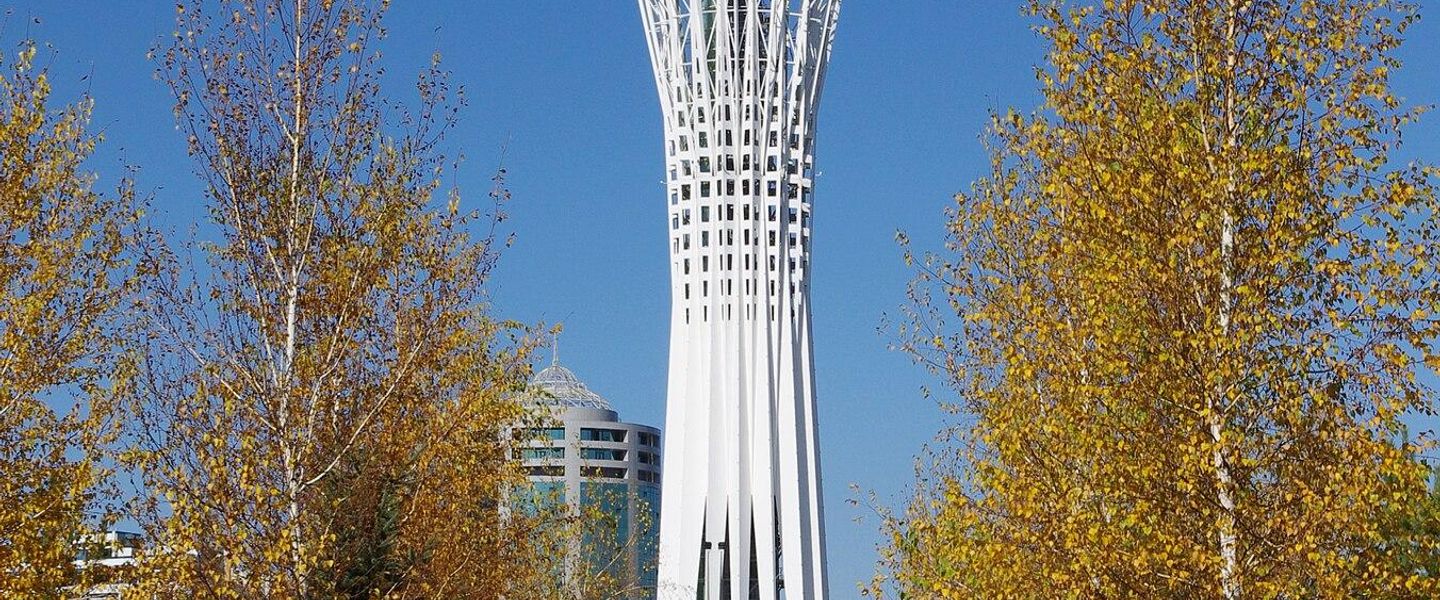
Nur-Sultan, Kazakhstan Travel Guide
Discover Nur-Sultan, Kazakhstan's capital, where modern architecture meets rich cultural history, offering a unique blend of experiences for every traveler.
Nur-Sultan, the capital of Kazakhstan, is a city that perfectly blends modernity with tradition. Located in the heart of Central Asia, this vibrant city offers a unique experience for travelers. Towering skyscrapers, futuristic architecture, and luxurious shopping malls stand alongside traditional markets, historical monuments, and scenic parks. One of the first things you'll notice is the Bayterek Tower, a symbol of the city. This impressive structure offers panoramic views of the cityscape and is a must-visit. The National Museum of the Republic of Kazakhstan provides an in-depth look into the country's rich history and culture. Don't miss the Palace of Peace and Reconciliation, a pyramid-shaped building that hosts various cultural events and exhibitions. Nur-Sultan is also known for its culinary delights. From traditional Kazakh dishes like Beshbarmak to international cuisine, the city's restaurants cater to every palate. Make sure to visit the local bazaars for fresh produce and handmade crafts. The city is easy to navigate with its efficient public transport system. Whether you're interested in arts, history, shopping, or dining, Nur-Sultan has something to offer everyone.

Know before you go
Hi, I'm Eve. Here are a few practical things to know before exploring Nur-Sultan.
- Visit the Bayterek Tower for stunning views of the city.
- Explore the National Museum for a comprehensive understanding of Kazakhstan's history.
- Try local Kazakh cuisine at traditional restaurants and street markets.
- Use the efficient public transport system to get around the city easily.
- Visit the local bazaars for unique souvenirs and fresh produce.


Explore Nur-Sultan: Things to Do, Places to Eat, Hotels & More
Handpicked recommendations for top attractions, local dining, accommodations, and more

Best attractions in Nur-Sultan
Top-rated picks
Best Attractions

Baiterek
Experience the breathtaking views and rich cultural heritage at Baiterek, Astana's iconic tower and a symbol of Kazakhstan's modern identity.

Hazrat Sultan Mosque
Discover the breathtaking Hazrat Sultan Mosque in Astana, a stunning architectural gem and cultural landmark that embodies Kazakhstan's rich heritage.

Astana Central Park
Discover the beauty and tranquility of Astana Central Park, a lush urban escape in Kazakhstan's vibrant capital city, perfect for relaxation and recreation.

Nur Astana Mosque
Discover the architectural splendor and spiritual essence of Nur Astana Mosque, a landmark of peace and beauty in Kazakhstan's capital city.

Best landmarks in Nur-Sultan
Top-rated picks
Best Landmarks

Baiterek
Discover the breathtaking views and rich symbolism of Baiterek, a landmark tower representing Kazakhstan's dreams and aspirations in the heart of Astana.

Hazrat Sultan Mosque
Explore the Hazrat Sultan Mosque, a stunning architectural marvel in Astana, showcasing the rich Islamic heritage of Kazakhstan.

Nur alemi pavilion EXPO 2017
Discover the stunning Nur Alemi Pavilion in Astana - a blend of modern architecture, sustainability, and innovative exhibitions in Kazakhstan.
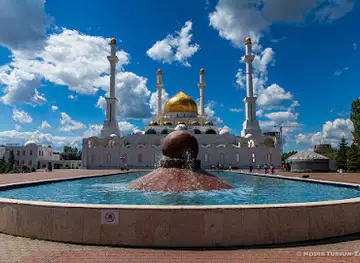
Nur Astana Mosque
Explore the breathtaking Nur Astana Mosque, a symbol of spiritual beauty and architectural grandeur in the heart of Kazakhstan's capital city.

Best restaurants in Nur-Sultan
Top-rated picks
Best Restaurants

Line Brew Astana
Experience top-tier steak dining at Line Brew Astana—where quality meets exquisite taste in a welcoming atmosphere.

Saksaul
Experience authentic Kazakhstani cuisine at Saksaul in Astana – where tradition meets taste in every delicious bite.

Turandot Сары Арка
Experience authentic Chinese cuisine at Turandot Сары Арка in Astana - where tradition meets modern culinary artistry.

Kishlak
Discover authentic Uzbek cuisine at Kishlak in Astana - a culinary journey filled with rich flavors and warm hospitality.

Best bars in Nur-Sultan
Top-rated picks
Best Bars

Draft
Experience the vibrant nightlife of Astana at Draft, a modern bar offering exquisite drinks and a lively atmosphere perfect for all visitors.

Brewery
Experience the vibrant flavors of Astana at this premier brewpub, where craft beer and exceptional dining create unforgettable moments.

The Bus Music Pub
Experience the vibrant music scene at The Bus Music Pub, a top live music venue in Astana with a lively atmosphere and moderate prices.

Fuller's Pub
Discover the lively ambiance of Fuller's Pub in Astana, where delicious food and a wide selection of drinks create the perfect night out.

Best nightclubs in Nur-Sultan
Top-rated picks
Best Nightclubs

#Fest.425.
Discover Astana's nightlife at #Fest.425., where vibrant energy meets delicious drinks and unforgettable moments.

DARK SIDE BAR
Experience the vibrant nightlife at Dark Side Bar in Astana, where great drinks and music come together for an unforgettable evening.

BLA BLA BAR
Discover the lively nightlife at BLA BLA BAR in Astana, where creative cocktails and vibrant music create unforgettable evenings.

Icon Club Astana
Discover the electrifying nightlife of Icon Club Astana, the ultimate destination for music, dancing, and unforgettable experiences in Kazakhstan's capital.

Best shops in Nur-Sultan
Top-rated picks
Best Shops

Mega Silk Way
Discover Mega Silk Way in Astana: A premier shopping destination blending modern luxury with cultural heritage, offering diverse retail, dining, and entertainment options.

Khan Shatyr
Discover the architectural wonder of Khan Shatyr, where shopping meets entertainment in Astana's most iconic mall.

Keruen
Discover the ultimate shopping experience at Keruen in Astana, where luxury meets local charm in a vibrant cultural hub.

Eurasia Shopping Mall
Explore the vibrant Eurasia Shopping Mall in Astana, where shopping, dining, and entertainment come together in a stunning modern setting.

Explore Nur-Sultan on the Map
A handpicked selection of must-see spots in Nur-Sultan, mapped for you.
Nur-Sultan Essentials
-
Nur-Sultan, the capital city of Kazakhstan, is served by Nursultan Nazarbayev International Airport (IATA: NQZ), located about 17 kilometers southeast of the city center. The airport hosts numerous international and domestic flights. You can get to Nur-Sultan by taxi, airport shuttle, or rental car. Taxis are readily available at the airport, and many hotels offer shuttle services for their guests.
-
Nur-Sultan has a well-developed public transportation system, including buses, minibuses (marshrutkas), and a modern light rail system. Taxis are also widely available and relatively inexpensive. For a more convenient option, ride-hailing services like Yandex.Taxi can be used. Renting a car is another option, but be aware of local traffic rules and driving conditions. The city is very walkable, with many attractions located close to each other.
-
The official currency in Kazakhstan is the Kazakhstani Tenge (KZT). Credit and debit cards are widely accepted in hotels, restaurants, and shops in Nur-Sultan. ATMs are plentiful and can be found throughout the city. It's advisable to carry some cash, especially for smaller establishments and markets where card payments may not be accepted.
-
Nur-Sultan is generally considered a safe city for tourists. However, like any metropolitan area, it is wise to take standard precautions. Avoid walking alone late at night in unfamiliar areas and be mindful of your belongings in crowded places. While crime rates are relatively low, areas around the train station and some outer neighborhoods may have higher incidents of petty crimes like pickpocketing. Stay vigilant and aware of your surroundings.
-
In case of emergency, dial 112 for quick access to police, fire, and medical services. Most emergency responders in Nur-Sultan speak some level of English. For medical emergencies, the city has several well-equipped hospitals and clinics. It's highly recommended to have travel insurance that covers medical emergencies. For minor health issues, pharmacies are widely available and can provide over-the-counter medications.
-
Fashion: Do dress modestly, especially when visiting religious sites. Avoid overly revealing clothing. Religion: Do respect local customs and traditions. Remove your shoes when entering mosques and cover your head if required. Public Transport: Do be respectful and give up your seat to elderly passengers. Don't be loud or disruptive. Greetings: Do greet people with a handshake. A slight bow of the head can be a sign of respect. Eating & Drinking: Do try local delicacies and accept food offerings graciously. Don't refuse hospitality, as it is considered impolite.
-
To experience Nur-Sultan like a local, visit the local markets such as the Green Bazaar, where you can buy fresh produce and traditional Kazakh goods. Engage with locals, as they are often friendly and willing to share stories about their culture and history. Don't miss visiting the Baiterek Tower for panoramic views of the city. For a unique experience, take a stroll along the Ishim River Esplanade, especially in the evening when the city lights up beautifully.
When is the best time to visit Nur-Sultan?
Useful Local Phrases for Nur-Sultan
You don't need to speak the language perfectly. Even learning a few simple words can make conversations warmer—and locals usually appreciate the effort.
— Eve

Here are the phrases I use most often in Nur-Sultan. Try a few—you'll be surprised how far they go! 😊
❤️
-
- HelloСәлем
[Salem] - GoodbyeҚоштау
[Qoshtau] - YesИя
[Iya] - NoЖоқ
[Jok] - Please/You're welcomeРахмет
[Rakhmet] - Thank youРахмет
[Rakhmet] - Excuse me/SorryКешіріңіз
[Keshiriniz] - How are you?Қалайсыз?
[Qalaisyz?] - Fine. And you?Жақсым. Сізді жақсы көремін.
[Jaqsym. Sizdi jaqsy köremin.] - Do you speak English?Сіз ағылшынша сөйлейсіз бе?
[Siz aghylynsa söyleisiz be?] - I don't understandМен түсінбедім
[Men tusinbedim]
- HelloСәлем
-
- I'd like to see the menu, pleaseМенюді көрейін деп жатам
[Menyudi köreyin dep zhatam] - I don't eat meatМен қасым тамақты жемеймін
[Men qasym tamakti zhemeimin] - Cheers!Тәртіпсіз!
[Tärtipsiz!] - I would like to pay, pleaseТөленуім керек
[Tölenwim kerek]
- I'd like to see the menu, pleaseМенюді көрейін деп жатам
-
- Help!Көмек!
[Kömek!] - Go away!Алыс!
[Alıs!] - Call the Police!Полицияға қоңырау шақырыңыз!
[Politsiyaga qoshyrau shaqyrynyz!] - Call a doctor!Дәрігерге қоңырау шақырыңыз!
[Därigerge qoshyrau shaqyrynyz!] - I'm lostМен ашықтым
[Men ashıqtım] - I'm illМен аурулым
[Men ayrulım]
- Help!Көмек!
-
- I'd like to buy...Сатып алғым келеді...
[Satyp alghym keledi...] - I'm just lookingЖақтыленемін
[Jaqtılenemin] - How much is it?Қаншаға болады?
[Qanshagha bolady?] - That's too expensiveОсы тым де арзан емес
[Osy tım de arzan emes] - Can you lower the price?Бағасын кемесіңіз бе?
[Bağasyn kemesiniz be?]
- I'd like to buy...Сатып алғым келеді...
-
- What time is it?Қанша уақыт?
[Qansha waqıt?] - It's one o'clockБір уақыт
[Bir waqıt] - Half past (10)Онда жарым
[Onda jarım] - MorningТаң
[Tań] - AfternoonКеш
[Kesh] - EveningКешкі кеш
[Keshki kesh] - YesterdayКеше
[Keshe] - TodayБүгін
[Bugın] - TomorrowЕртең
[Erten] - 1Бір
[Bir] - 2Екі
[Eki] - 3Үш
[Üsh] - 4Төрт
[Tört] - 5Бес
[Bes] - 6Алты
[Altı] - 7Жеті
[Jeti] - 8Сегіз
[Segiz] - 9Тоғыз
[Toğız] - 10Он
[On]
- What time is it?Қанша уақыт?
-
- Where's a/the...?Қайда...?
[Qayda...?] - What's the address?Мекен жайы қандай?
[Meken jaıı qanday?] - Can you show me (on the map)?Мені көрсете аласыз бе (картада)?
[Meni körsete alasız be (kartada)?] - When's the next (bus)?Келесі қайда?
[Kelesi qayda?] - A ticket (to ....)Билет (....ға)
[Bilet (....ğa)]
- Where's a/the...?Қайда...?
History of Nur-Sultan
-
Nur-Sultan, formerly known as Astana, was officially founded in 1830 as a small fortress named Akmolinsk. It was initially established as a regional center for the Russian Empire's expansion into Central Asia and served as a trading post and administrative hub.
-
During the Soviet era, Akmolinsk was renamed several times, becoming Tselinograd in 1961 as part of the Virgin Lands Campaign initiated by Nikita Khrushchev. This campaign aimed to boost agricultural production in Kazakhstan and involved a significant influx of Russian settlers, which led to rapid urban development.
-
Following Kazakhstan's independence from the Soviet Union in 1991, the city was renamed Akmola in 1992. In 1997, President Nursultan Nazarbayev declared Akmola the new capital of Kazakhstan, a move aimed at promoting economic development and political stability in the northern region of the country.
-
In 1998, Akmola was officially renamed Astana, which means 'capital' in Kazakh. The city underwent significant infrastructural development, with ambitious architectural projects and modern urban planning transforming it into a symbol of Kazakhstan's new national identity.
-
In 2019, following the resignation of long-time President Nursultan Nazarbayev, the city was renamed Nur-Sultan in his honor. This period saw continued growth and modernization, with Nur-Sultan becoming a hub for international diplomacy, business, and culture in Central Asia.
-
Nur-Sultan is home to several iconic landmarks that reflect its rich history and cultural heritage. The Baiterek Tower, symbolizing a mythical tree of life, and the Khan Shatyr Entertainment Center, a massive tent-like structure, are prime examples of the city's unique blend of traditional and futuristic architecture.
Cities near Nur-Sultan
The closest cities to Nur-Sultan, if you have time for more than one stop.
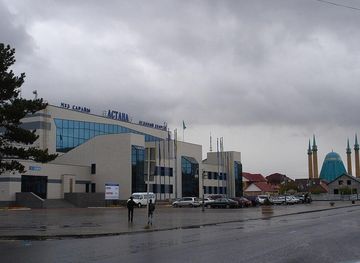


Your all‑in‑one travel companion app
Explore expert travel guides, compare and book tours, experiences, hotels, and more—all from the palm of your hand. Download now for seamless trip planning wherever your wanderlust takes you.


Nur-Sultan in Photos
Browse through our photo collection highlighting the charm and character of the destination.


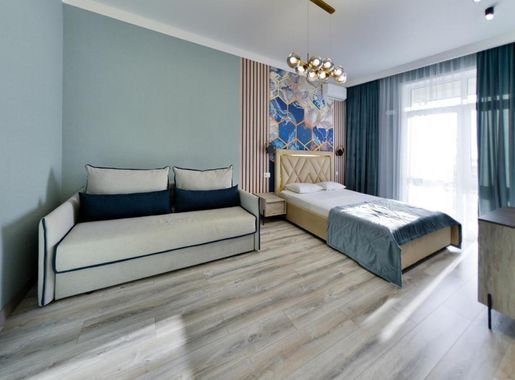


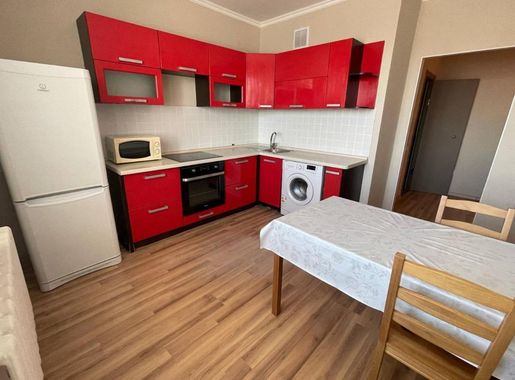


Nur-Sultan: The Modern Jewel of Kazakhstan
Nur-Sultan, the capital of Kazakhstan, is a city that perfectly blends modernity with tradition. Located in the heart of Central Asia, this vibrant city offers a unique experience for travelers. Towering skyscrapers, futuristic architecture, and luxurious shopping malls stand alongside traditional markets, historical monuments, and scenic parks. One of the first things you'll notice is the Bayterek Tower, a symbol of the city. This impressive structure offers panoramic views of the cityscape and is a must-visit. The National Museum of the Republic of Kazakhstan provides an in-depth look into the country's rich history and culture. Don't miss the Palace of Peace and Reconciliation, a pyramid-shaped building that hosts various cultural events and exhibitions. Nur-Sultan is also known for its culinary delights. From traditional Kazakh dishes like Beshbarmak to international cuisine, the city's restaurants cater to every palate. Make sure to visit the local bazaars for fresh produce and handmade crafts. The city is easy to navigate with its efficient public transport system. Whether you're interested in arts, history, shopping, or dining, Nur-Sultan has something to offer everyone.
Explore More of Central Kazakhstan
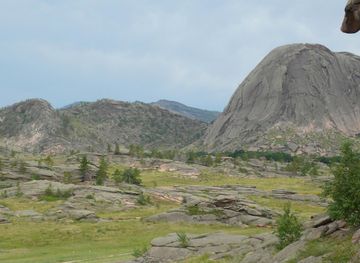
Looking beyond Nur-Sultan? Discover Central Kazakhstan for broader travel guides, local hot-spots, and regional highlights.
Explore Central KazakhstanExplore More of Kazakhstan

Looking beyond Nur-Sultan? Discover Kazakhstan for broader travel guides, local hot-spots, and regional highlights.
Explore Kazakhstan