

Free Banaba Island Travel Guide & Mobile App
Explore Banaba Island with free travel guides. Discover regional history, expert tips, proposed trips, and audio guides on web or mobile app.


Explore Banaba Island in Kiribati for raised coral cliffs, phosphate-mining history, Pacific culture and a landscape shaped by displacement.
Read more about Banaba Island
When is the best time to visit Banaba Island?
Best: January–March · 30°C| Month | High (°C) | Rainfall (mm) |
|---|---|---|
| January (best) | 30 | 150 |
| February (best) | 30 | 150 |
| March (best) | 30 | 150 |
| April | 30 | 150 |
| May | 30 | 150 |
| June | 30 | 150 |
| July | 30 | 150 |
| August | 30 | 150 |
| September | 30 | 150 |
| October | 30 | 150 |
| November | 30 | 150 |
| December | 30 | 150 |
Getting to and around Banaba Island
How to get there
Transportation
Best attractions in Banaba Island
Banaba's attractions are primarily cultural, geological and historical rather than purpose-built for tourism. The raised coral plateau and its steep coastal margins reveal how different the island is from Kiribati's low atolls, while the mined interior forms an extensive landscape of coral pinnacles, depressions and regrowth. Exploring it should be done with local permission and guidance, since tracks, former workings and privately held land are not a formal visitor circuit. Village areas offer insight into present-day Banaban life, church communities and the continuing relationship between residents and relatives in Fiji. Wartime remnants and places associated with phosphate extraction provide a sobering context for the island's twentieth-century history, although they may be weathered, scattered or difficult to identify. The coastline, reef environment and elevated viewpoints add natural interest, but swimming and boating require local advice. Banaba has no conventional museum complex, resort strip or extensive family-attraction infrastructure; its value lies in listening to local history, observing the consequences of resource extraction and understanding how a small Pacific community has maintained its identity through occupation, displacement and environmental change.
-
Park
Rainbow Park
Explore the serene landscapes and vibrant flora of Rainbow Park, a hidden natural retreat in the heart of Tabwakea, Kiribati.
Best landmarks in Banaba Island
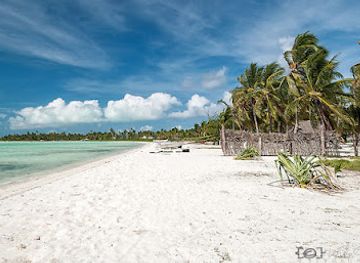
Banaba's defining landmark is the raised coral island itself, an elevated geological form that makes it unlike the low atolls dominating much of Kiribati. The exposed coral terraces and steep edges around the island frame views across the Pacific and help explain its historical importance as a source of phosphate. The mined plateau is an equally significant human-made landscape: its irregular pinnacles and hollows record decades of extraction and are a visible monument to the colonial phosphate economy. Remnants associated with the former loading and mining infrastructure may be encountered, but their condition and accessibility can vary, so they should be visited only with local permission. Wartime remains and commemorative places add a sombre historical dimension, linking Banaba to the Pacific conflict and the losses of 1945. Village churches, homes and community spaces are living landmarks rather than museum exhibits and should be approached respectfully. Together, these places express Banaba's central themes of geology, industry, war, displacement and continuing community life.
-
Atoll
Kiritimati
Explore the untouched beauty of Kiritimati, a stunning atoll rich in marine life and cultural heritage, perfect for adventure and relaxation.
-
Hotel
Captain Cook Hotel
Experience the heart of Kiribati at the Captain Cook Hotel, an ideal base for exploring the natural beauty and vibrant culture of Banana.
-
Restaurant
Bistro de Myrko
Discover the authentic taste of Poland at Bistro de Myrko, where traditional flavors meet a modern dining experience in a cozy atmosphere.
-
 Resort hotel
Lagoon View Resort
Discover the tranquility and beauty of Lagoon View Resort, a luxurious escape surrounded by nature's finest in London.

Explore Banaba Island on the map
Plan your trip on one map. See where the top cities, national parks and sights are, and book hotels and experiences in a few clicks.
Best hotels in Banaba Island
Best restaurants in Banaba Island
Banaba has no developed restaurant scene, and visitors should arrange meals with their accommodation or local host before arrival. Food is likely to be simple, home-prepared and dependent on supplies brought from elsewhere, with rice, tinned goods, fish and other imported staples forming a practical part of remote-island cooking. Where locally available, fish, coconut and seasonal island produce may appear in household meals, but availability cannot be assumed. There are no reliable dining districts, cafés or assured late-opening establishments, so travellers with medical, religious or dietary requirements should carry suitable provisions and explain their needs in advance. Sharing food is an important part of community hospitality, but visitors should accept invitations gracefully without treating private homes as public dining venues. The most appropriate approach is to agree the cost and arrangements for meals with a host, bring useful reserve snacks and avoid comparing Banaba's limited choices with the restaurant infrastructure found on South Tarawa or in Fiji.
-
Restaurant
Bistro de Myrko
Experience authentic Polish flavors at Bistro de Myrko - where every dish tells a story.
-
Restaurant
Sand Beach Restaurant
Experience tropical flavors at Sand Beach Restaurant in Banana - where delicious cuisine meets breathtaking ocean views.
-
Japanese
Restaurant "Boar Hat"
Experience authentic Japanese flavors at Restaurant 'Boar Hat' in Banana - where tradition meets taste in every delightful dish.

Best bars in Banaba Island
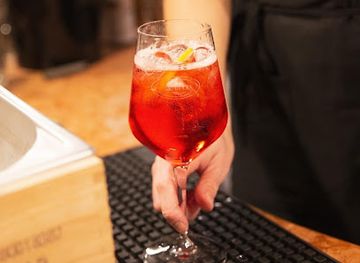
Banaba does not have a conventional bar, nightclub or organised late-night entertainment scene. Evening life centres on households, community relationships and church or village activities rather than commercial nightlife. Visitors may find informal social drinking, but alcohol should never be assumed to be available, appropriate in every setting or central to local culture. The island's remoteness also means that walking after dark requires care: lighting, roads and communications are limited, and guests should follow their host's advice. Evenings are better suited to conversation, listening to Banaban history, observing the night sky where conditions allow and resting ahead of travel or outdoor activities. Any community gathering should be approached by invitation or with local guidance, particularly around religious events and commemorations.
-
Atoll
Kiritimati
Discover the serene beauty of Kiritimati, a breathtaking atoll in the Pacific Ocean known for its stunning landscapes and vibrant marine life.
-
Hotel
Captain Cook Hotel
Experience the charm of Captain Cook Hotel in Banana, Kiribati—a perfect blend of comfort and adventure in a tropical paradise.
-
Restaurant
Bistro de Myrko
Experience the essence of local flavors at Bistro de Myrko, where every dish tells a story in a cozy, inviting atmosphere.
-
Resort hotel
Lagoon View Resort
Experience paradise at Lagoon View Resort, where breathtaking lagoon views meet exceptional hospitality in the heart of the Pacific Islands.
Best shops in Banaba Island
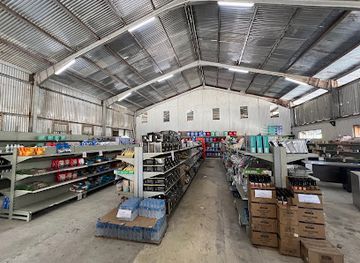
Shopping on Banaba is limited to everyday necessities rather than visitor retail. Small local outlets may have basic food, drinks and household supplies, but stock can be irregular and there are no established shopping streets, craft markets or large commercial centres. Visitors should purchase specialist equipment, medicines, snacks and spare batteries before travelling from South Tarawa or another well-served departure point. The most meaningful souvenirs are usually items obtained through a respectful local arrangement, such as community-made crafts or locally produced food, rather than objects taken from the landscape. Do not remove coral, phosphate fragments, wartime material or archaeological remains. If buying a handmade item, ask about its maker, agree the price clearly and understand whether the proceeds support a household or community project. Banaba's history is not a retail theme to be packaged casually, so thoughtful conversation and a contribution to local services may be more appropriate than searching for a conventional souvenir.
-
Dress store
Nina's Garment
Explore Nina's Garment in London for a unique fashion experience with personalized service and stylish designs perfect for every occasion.
-
Restaurant
Sand Beach Restaurant
Discover the exquisite flavors of the island at Sand Beach Restaurant, where culinary delights meet breathtaking beach views.
-
Supermarket
Wishing Star
Explore Wishing Star in London: Your ultimate destination for groceries, local delicacies, and everyday essentials.
-
Grocery store
JMB Store
Discover the flavors of Kiritimati at JMB Store, your local grocery destination for authentic Kiribati products and friendly service.

Get your free copy of our complete guide to Banaba Island, delivered straight to you.
Everything on this page, from attractions and restaurants to essentials and local phrases, in one PDF you can read offline, print or share.
Already have an account? Sign in
Your Banaba Island guide is ready.
We'll send it to · Not you? Sign out

Getting your guide ready…
We are putting together a fresh copy of the Banaba Island guide. This can take up to a minute.
This can take a few moments. If your browser asks, choose Allow so the download can start. You'll find the guide in your Downloads folder.
Nothing happened? Download it again
Sorry, the guide is taking longer than usual. Please try again in a minute, or get it by email instead.
Banaba Island essentials
Currency and Payment
Safety
Emergency Situations
Do's and Don'ts
Local Tips
From Eve
Local phrases worth knowing
You don't need to get them perfect. A few words go a long way, and locals appreciate the effort.
Basics
| English | Local | Say it |
|---|---|---|
| Hello | Mauri | [Mau-ri] |
| Goodbye | Kammu | [Kam-mu] |
| Yes | Ae | [Ae] |
| No | Tei | [Tei] |
| Please/You're welcome | Tama | [Ta-ma] |
| Thank you | Kereke | [Ke-re-ke] |
| Excuse me/Sorry | Baba | [Ba-ba] |
| How are you? | E na ta? | [E na ta?] |
| Fine. And you? | E aei. Ko na? | [E ae-i. Ko na?] |
| Do you speak English? | E na ta te English? | [E na ta te English?] |
| I don't understand | Te aei au | [Te ae-i au] |
Eating & Drinking
| English | Local | Say it |
|---|---|---|
| I'd like to see the menu, please | Ika au te menu, tama | [I-ka au te me-nu, ta-ma] |
| I don't eat meat | Te aei au te meat | [Te ae-i au te meat] |
| Cheers! | Mauri! | [Mau-ri!] |
| I would like to pay, please | Ika au te uri, tama | [I-ka au te u-ri, ta-ma] |
Emergencies
| English | Local | Say it |
|---|---|---|
| Help! | Aka! | [A-ka!] |
| Go away! | Kara mai! | [Ka-ra mai!] |
| Call the Police! | Tara te Police! | [Ta-ra te Po-lice!] |
| Call a doctor! | Tara te doctor! | [Ta-ra te doc-tor!] |
| I'm lost | Au te raoi | [Au te ra-oi] |
| I'm ill | Au te mauri | [Au te mau-ri] |
Shopping
| English | Local | Say it |
|---|---|---|
| I'd like to buy... | Ika au te bui... | [I-ka au te bui...] |
| I'm just looking | Au te raoi | [Au te ra-oi] |
| How much is it? | E na ta te aei? | [E na ta te ae-i?] |
| That's too expensive | E aei te aea | [E ae-i te ae-a] |
| Can you lower the price? | E aei a na te aei? | [E ae-i a na te ae-i?] |
Time & Numbers
| English | Local | Say it |
|---|---|---|
| What time is it? | E na ta te aei? | [E na ta te ae-i?] |
| It's one o'clock | E aei te taai | [E ae-i te ta-ai] |
| Half past (10) | E aei te aei i ten | [E ae-i te ae-i i ten] |
| Morning | Tera | [Te-ra] |
| Afternoon | Terawa | [Te-ra-wa] |
| Evening | Tera a na | [Te-ra a na] |
| Yesterday | Ika te taai | [I-ka te ta-ai] |
| Today | Ika te aei | [I-ka te ae-i] |
| Tomorrow | Ika te aei i taai | [I-ka te ae-i i ta-ai] |
| 1 | Tei | [Tei] |
| 2 | Rua | [Ru-a] |
| 3 | Toru | [To-ru] |
| 4 | Vake | [Va-ke] |
| 5 | Tano | [Ta-no] |
| 6 | Toru | [To-ru] |
| 7 | Vake | [Va-ke] |
| 8 | Ruai | [Rui] |
| 9 | Ika | [I-ka] |
| 10 | Tano | [Ta-no] |
Transport & Directions
| English | Local | Say it |
|---|---|---|
| Where's a/the...? | Tei e a? | [Tei e a?] |
| What's the address? | E na ta te address? | [E na ta te ad-dress?] |
| Can you show me (on the map)? | E aei a na te map? | [E ae-i a na te map?] |
| When's the next (bus)? | E na ta te next (bus)? | [E na ta te next (bus)?] |
| A ticket (to ....) | Tei e a ticket (to ...) | [Tei e a ti-ket (to ...)] |
History of Banaba Island
Early Banaban Settlement
Banaba was settled by Pacific peoples long before European vessels entered the region. Its elevated limestone terrain, freshwater resources and position in the western Pacific supported a distinctive island society, with communities organised through kinship, village life and customary authority. Oral traditions remain important to Banaban identity, although much of the physical landscape has been altered by later mining. The island's separate geology also helped distinguish it from the low-lying atolls of the Gilbert group, giving Banaba a cultural and environmental character that remains evident today.
European Contact and Colonial Rule
European navigators visited the central Pacific from the age of exploration, but Banaba became increasingly drawn into imperial and commercial networks during the nineteenth century. Britain administered the island within the Gilbert and Ellice Islands Colony, while Christian missions and colonial institutions influenced education, religion and public administration. Banaba's strategic importance grew sharply after its mineral resources were recognised. Colonial rule brought outside companies, labour systems and legal arrangements that would later shape disputes over land, compensation and control of the island's phosphate.
Phosphate Mining from 1900
High-grade phosphate was identified on Banaba around the beginning of the twentieth century, and commercial extraction soon transformed the island. Mining removed much of the fertile surface of the central plateau and generated wealth for external authorities and companies, while Banabans faced restrictions and received benefits that became the subject of long-running grievance. Imported labour and industrial infrastructure changed the island's economy and population. The jagged mined landscape visible today is the enduring physical consequence of this period.
Japanese Occupation, 1942–1945
Japanese forces occupied Banaba during the Second World War after the island's phosphate industry and position in the Pacific had acquired military significance. The occupation brought imprisonment, forced labour, shortages and severe hardship for the Banaban population. In 1945, shortly before the war ended, many Banabans were killed in a massacre. Military traces and wartime memories form an important, though sombre, layer of the island's heritage. Visitors should treat associated sites and local recollections with restraint and respect.
Dispersal to Rabi Island
After the war, the disruption of Banaba and the continuing effects of mining led most surviving Banabans to relocate to Rabi Island in Fiji in 1945. The move was presented as a practical resettlement solution, but it created a lasting separation between a large Banaban community in Fiji and its ancestral homeland. Banabans on Rabi have maintained cultural and political links with Banaba, and the island remains central to questions of identity, land and historical justice. This dispersal is essential context for understanding why Banaba has an international Pacific dimension.
The End of Mining and Kiribati Independence
Phosphate extraction continued through the colonial and self-government periods and ended in 1979, the year Kiribati became independent. Mining had provided a major source of revenue but left Banaba with damaged land, limited economic alternatives and a small resident population. Questions surrounding compensation, rehabilitation, ownership and Banaban autonomy continued after independence. Today Banaba is part of the Republic of Kiribati, while its history remains closely connected to the wider Banaban community in Fiji and to debates about the environmental costs of colonial resource extraction.
Banaba Island in Photos
Browse through our photo collection highlighting the charm and character of the destination.
Neighbouring regions of Banaba Island
The closest regions to Banaba Island, if you have time for more than one.
-

-

-


Swipe for more regions
Explore more

Explore more of Kiribati
Discover Kiribati: A Pacific paradise with breathtaking beaches, rich culture, and vibrant marine life. Perfect for those seeking tranquility and adventure off the beaten path.
Explore Kiribati