

Free Gilbert Islands Travel Guide & Mobile App
Explore Gilbert Islands with free travel guides. Discover regional history, expert tips, proposed trips, and audio guides on web or mobile app.


Explore Kiribati’s Gilbert Islands for coral atolls, lagoon life, World War Two history, village culture and Pacific landscapes shaped by the sea.
Read more about Gilbert Islands
When is the best time to visit Gilbert Islands?
Best: January–March · 31°C| Month | High (°C) | Rainfall (mm) |
|---|---|---|
| January (best) | 31 | 200 |
| February (best) | 31 | 150 |
| March (best) | 31 | 180 |
| April | 31 | 220 |
| May | 31 | 240 |
| June | 31 | 260 |
| July | 31 | 280 |
| August | 31 | 300 |
| September | 31 | 320 |
| October | 31 | 340 |
| November | 31 | 360 |
| December | 31 | 380 |
Getting to and around Gilbert Islands
How to get there
Transportation
Best landmarks in Gilbert Islands
The most recognisable landmarks of the Gilbert Islands are closely tied to coral-atoll geography, national administration and wartime history. South Tarawa's narrow chain of islets, linked by roads and causeways, illustrates how densely people and infrastructure occupy a fragile strip between lagoon and ocean. Bairiki is the seat of national government and an important civic centre, while Betio is marked by the surviving Japanese bunkers, gun positions, pillboxes and memorials associated with the Battle of Tarawa. These remains are historically significant but often stand beside homes, businesses and roads, so they should be viewed as part of a living community. Elsewhere, the defining landmarks are long reef edges, lagoon passages, coconut-lined shores and traditional maneaba, whose open communal architecture reflects the social importance of meeting and collective decision-making. Churches are also prominent features of many island settlements. Rather than isolated monuments, these places form a landscape in which ocean, settlement, memory and everyday activity are inseparable.
-
Atoll
Kiritimati
Explore Kiritimati, the largest coral atoll, where pristine beaches, rich marine life, and vibrant culture await in a tranquil Pacific paradise.

Explore Gilbert Islands on the map
Plan your trip on one map. See where the top cities, national parks and sights are, and book hotels and experiences in a few clicks.
Best hotels in Gilbert Islands
Best restaurants in Gilbert Islands
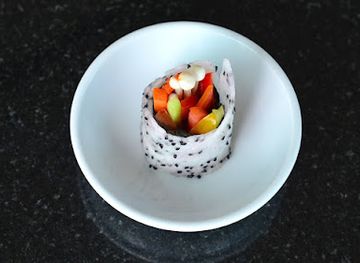
Dining in the Gilbert Islands reflects a maritime, tropical food culture and the practical limitations of importing supplies across a dispersed island nation. Fish and other seafood are central, often accompanied by coconut, breadfruit, taro, pandanus fruit or rice. Coconut milk, fresh fruit and locally prepared toddy may feature in home cooking, while South Tarawa restaurants, cafés and small eateries also serve Chinese, Asian and international-style dishes using imported ingredients. The capital offers the widest choice, ranging from informal meals and takeaway food to hotel dining, but commercial options become sparse on the outer islands. Visitors should ask hosts what is available locally and avoid expecting a fixed menu or extensive opening pattern beyond Tarawa. Markets and household cooking provide a more direct sense of local food traditions than formal restaurants, although purchasing food should be done respectfully and with awareness that supplies are important to residents. Bottled or treated drinking water is advisable, particularly when travelling away from established accommodation.
-
Restaurant
Bistro de Myrko
Experience authentic Polish cuisine at Bistro de Myrko - where every meal tells a story of flavor and tradition.
-
 Resort hotel
Lagoon View Resort
Discover tranquility and adventure at Lagoon View Resort – where stunning lagoon views meet exceptional hospitality.
-
Japanese
Restaurant "Boar Hat"
Discover authentic Japanese cuisine at Restaurant 'Boar Hat' in Banana - where tradition meets flavor in every dish.
Best bars in Gilbert Islands
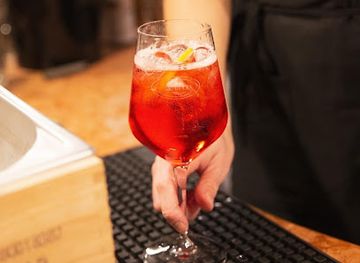
Nightlife in the Gilbert Islands is modest and concentrated mainly in South Tarawa, where hotel bars, informal drinking places, restaurants and occasional live music provide evening alternatives. Betio and the capital corridor have more activity than the outer islands, but Kiribati is not a destination for a large nightclub circuit or late-night entertainment economy. On smaller islands, evenings generally centre on family, church, community and village life rather than commercial venues. Alcohol is available in some licensed settings, yet visitors should follow local rules, drink discreetly and avoid behaviour that disturbs residential communities. Social events, music and cultural gatherings may occur, but dates and access are locally arranged rather than reliably advertised for international visitors. Ask accommodation staff about appropriate places to go after dark and arrange transport in advance, since lighting, taxis and public services are limited outside the main urban areas.
-
Resort hotel
Lagoon View Resort
Discover tranquility and adventure at Lagoon View Resort, where stunning lagoon views and warm hospitality await you in Kiribati.
Best nightclubs in Gilbert Islands
Nightlife in the Gilbert Islands is modest and concentrated mainly in South Tarawa, where hotel bars, informal drinking places, restaurants and occasional live music provide evening alternatives. Betio and the capital corridor have more activity than the outer islands, but Kiribati is not a destination for a large nightclub circuit or late-night entertainment economy. On smaller islands, evenings generally centre on family, church, community and village life rather than commercial venues. Alcohol is available in some licensed settings, yet visitors should follow local rules, drink discreetly and avoid behaviour that disturbs residential communities. Social events, music and cultural gatherings may occur, but dates and access are locally arranged rather than reliably advertised for international visitors. Ask accommodation staff about appropriate places to go after dark and arrange transport in advance, since lighting, taxis and public services are limited outside the main urban areas.
-
Resort hotel
Lagoon View Resort
Experience the enchanting beauty and tranquility of Lagoon View Resort, the perfect tropical getaway in the heart of the Kiribati islands.
Best shops in Gilbert Islands
Shopping is centred on practical markets, small shops and informal stalls rather than large retail complexes. South Tarawa has the widest selection, particularly around the main settlements and commercial areas, where visitors can look for fresh produce, fish, snacks, woven goods and basic supplies. Handcrafted items may include pandanus mats, baskets, fans, shell ornaments and other woven products, although availability and styles vary by island and community. Ask whether an item was made locally and seek permission before photographing craft workers or stalls. Imported food, clothing and household goods are common because the islands rely on external supply chains, while outer-island shops have a narrower and less predictable range. Regional food products such as dried or packaged coconut items may be available, but confirm airline and customs restrictions before carrying them overseas. Cash in Australian dollars remains useful for small purchases, and visitors should avoid bargaining aggressively where goods are produced by individual craftspeople or sold to support household income.
-
Resort hotel
Lagoon View Resort
Discover the tranquil beauty of Lagoon View Resort, where luxury meets nature for an unforgettable getaway experience.
Get your free copy of our complete guide to Gilbert Islands, delivered straight to you.
Everything on this page, from attractions and restaurants to essentials and local phrases, in one PDF you can read offline, print or share.
Already have an account? Sign in
Your Gilbert Islands guide is ready.
We'll send it to · Not you? Sign out

Getting your guide ready…
We are putting together a fresh copy of the Gilbert Islands guide. This can take up to a minute.
This can take a few moments. If your browser asks, choose Allow so the download can start. You'll find the guide in your Downloads folder.
Nothing happened? Download it again
Sorry, the guide is taking longer than usual. Please try again in a minute, or get it by email instead.
Gilbert Islands essentials
Currency and Payment
Safety
Emergency Situations
Do's and Don'ts
Local Tips
From Eve
Local phrases worth knowing
You don't need to get them perfect. A few words go a long way, and locals appreciate the effort.
Basics
| English | Local | Say it |
|---|---|---|
| Hello | Mauri | [Mau-ri] |
| Goodbye | Mauri n te ta | [Mau-ri n te ta] |
| Yes | Ae | [Ey] |
| No | Te kare | [Te ka-re] |
| Please/You're welcome | Kaua | [Ka-u-a] |
| Thank you | Mauri n te raoi | [Mau-ri n te ra-o-i] |
| Excuse me/Sorry | E na | [E na] |
| How are you? | Boin te na? | [Boin te na] |
| Fine. And you? | Te raoi. Ko na? | [Te ra-o-i. Ko na] |
| Do you speak English? | E aere te English? | [E a-e-re te English] |
| I don't understand | E na te aei | [E na te a-ei] |
Eating & Drinking
| English | Local | Say it |
|---|---|---|
| I'd like to see the menu, please | E aere n te menu, kau | [E a-e-re n te menu, ka-u] |
| I don't eat meat | E na te ai ni | [E na te ai ni] |
| Cheers! | Mauri! | [Mau-ri] |
| I would like to pay, please | E aere n te tebu, kau | [E a-e-re n te te-bu, ka-u] |
Emergencies
| English | Local | Say it |
|---|---|---|
| Help! | Teka! | [Te-ka] |
| Go away! | Aere n te moan! | [A-e-re n te mo-an] |
| Call the Police! | Aere n te Police! | [A-e-re n te Po-lice] |
| Call a doctor! | Aere n te taeka! | [A-e-re n te ta-e-ka] |
| I'm lost | E na te aei | [E na te a-ei] |
| I'm ill | E na te raoi | [E na te ra-o-i] |
Shopping
| English | Local | Say it |
|---|---|---|
| I'd like to buy... | E aere n te tangira... | [E a-e-re n te tan-gi-ra] |
| I'm just looking | E aere n te taetae | [E a-e-re n te ta-e-tae] |
| How much is it? | Boin te aei? | [Boin te a-ei] |
| That's too expensive | Te aei te aei naba | [Te a-ei te a-ei na-ba] |
| Can you lower the price? | E aere n te ababa n te aei? | [E a-e-re n te a-ba-ba n te a-ei] |
Time & Numbers
| English | Local | Say it |
|---|---|---|
| What time is it? | Boin te taian? | [Boin te ta-i-an] |
| It's one o'clock | Te aei n te taian | [Te a-ei n te ta-i-an] |
| Half past (10) | Te aei n te aei naba | [Te a-ei n te a-ei na-ba] |
| Morning | Mauri n te bun | [Mau-ri n te bun] |
| Afternoon | Mauri n te tebu | [Mau-ri n te te-bu] |
| Evening | Mauri n te tare | [Mau-ri n te ta-re] |
| Yesterday | Boin te aei | [Boin te a-ei] |
| Today | Boin te aei naba | [Boin te a-ei na-ba] |
| Tomorrow | Boin te aei n te taian | [Boin te a-ei n te ta-i-an] |
| 1 | Tera | [Te-ra] |
| 2 | Rua | [Ru-a] |
| 3 | Toru | [To-ru] |
| 4 | Mā | [Ma-a] |
| 5 | Nai | [Na-i] |
| 6 | Nai naba | [Na-i na-ba] |
| 7 | Tera naba | [Te-ra na-ba] |
| 8 | Rua naba | [Ru-a na-ba] |
| 9 | Toru naba | [To-ru na-ba] |
| 10 | Mā naba | [Ma-a na-ba] |
Transport & Directions
| English | Local | Say it |
|---|---|---|
| Where's a/the...? | Nare te ...? | [Na-re te ...?] |
| What's the address? | Nare te raoi? | [Na-re te ra-o-i?] |
| Can you show me (on the map)? | E aere n te aeo? | [E a-e-re n te a-eo?] |
| When's the next (bus)? | Boin te ... n te aeo? | [Boin te ... n te a-eo?] |
| A ticket (to ....) | Te aei n te ticket (n te ...) | [Te a-ei n te ti-ket (n te ...)] |
History of Gilbert Islands
Austronesian settlement and atoll societies
The Gilbert Islands were settled by Austronesian-speaking seafarers over many centuries, forming communities adapted to narrow coral atolls, limited soils and extensive lagoons. Navigation, fishing, coconut cultivation and exchange between islands shaped everyday life, while kinship, village leadership and the maneaba provided important social structures. Gilbertese, also known as te taetae ni Kiribati, developed as the principal language of the archipelago. The islands' oral traditions preserve memories of ancestral voyaging, local heroes and relationships between communities.
European contact and the nineteenth century
European ships began visiting the Gilbert Islands more regularly from the nineteenth century, bringing trade, Christianity, firearms and new political pressures. Traders, missionaries and labour recruiters altered established economic and social patterns. Christian missions became especially influential, although conversion occurred through complex local encounters rather than a single event. The growth of commercial coconut products connected the islands to wider Pacific markets, while foreign contact also exposed island communities to disease, coercive labour practices and rival imperial interests.
British protection and colonial administration, 1892–1979
Britain proclaimed a protectorate over the Gilbert Islands in 1892, later incorporating them into the Gilbert and Ellice Islands Colony. Colonial administration introduced new legal and educational systems and strengthened the importance of South Tarawa as an administrative centre. The colony also linked the islands more closely with neighbouring Pacific territories, although its remote atolls remained dependent on external shipping and supplies. The eventual separation of the mainly Micronesian Gilbert Islands from the Polynesian Ellice Islands reflected growing political differences and changing ideas of self-government.
The Pacific War and the Battle of Tarawa, 1943
Japanese forces occupied parts of the Gilbert Islands during the Pacific War, building defensive installations and airfields. In November 1943, United States forces attacked Betio on Tarawa Atoll in one of the war's most heavily contested amphibious operations. The battle caused severe military and civilian casualties and exposed the difficulty of assaulting fortified coral atolls. Bunkers, gun emplacements, wreckage and memorials remain visible in parts of South Tarawa, although they are interwoven with present-day neighbourhoods rather than preserved as a single battlefield landscape.
Late colonial development and self-government
After the war, the Gilbert Islands underwent gradual political and economic change within the British colony. Education, public administration, churches and wage employment expanded, while copra production remained important to the cash economy. South Tarawa grew as people moved towards government services, schools and employment. Constitutional development during the 1970s led to internal self-government and prepared the Gilbert Islands for independence. These changes also left a lasting contrast between the more urbanised capital area and the smaller, more locally self-reliant outer islands.
Independence and the Republic of Kiribati, 1979
The Gilbert Islands became the core of the independent Republic of Kiribati in July 1979, with the former Ellice Islands having become Tuvalu in 1978. The new state united the Gilbert, Phoenix and Line island groups under one national government, despite their vast ocean distances. South Tarawa developed further as the capital and principal gateway, while outer-island communities retained distinct local identities. Independence brought national control over institutions and resources, but also the continuing practical challenge of governing scattered, low-lying atolls.
Climate pressure and contemporary adaptation
In recent decades, the Gilbert Islands have become closely associated with the practical effects of climate change on low coral atolls. Coastal erosion, saltwater intrusion, freshwater stress, flooding and pressure on reefs affect housing, food production and infrastructure. These concerns build on older environmental vulnerabilities rather than replacing them. Communities, government agencies and external partners have pursued water, coastal protection and resilience measures, while migration and urban pressure have become important national questions. Visiting the islands provides context for understanding how environmental change intersects with everyday Pacific life.
Gilbert Islands in Photos
Browse through our photo collection highlighting the charm and character of the destination.
Neighbouring regions of Gilbert Islands
The closest regions to Gilbert Islands, if you have time for more than one.
-

-

-


Swipe for more regions
Explore more

Explore more of Kiribati
Discover Kiribati: A Pacific paradise with breathtaking beaches, rich culture, and vibrant marine life. Perfect for those seeking tranquility and adventure off the beaten path.
Explore Kiribati