

Free Phoenix Islands Travel Guide & Mobile App
Explore Phoenix Islands with free travel guides. Discover regional history, expert tips, proposed trips, and audio guides on web or mobile app.


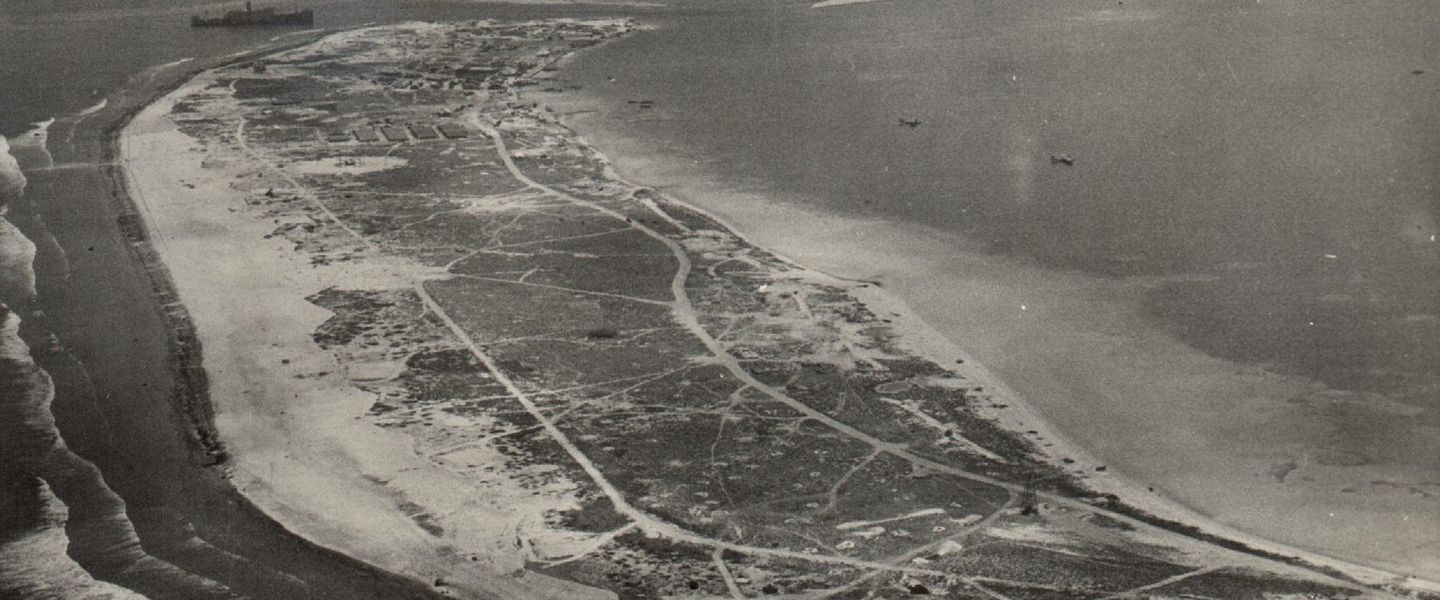


Explore Kiribati’s remote Phoenix Islands, where protected coral reefs, seabirds, wartime history and vast Pacific horizons define expedition travel.
Read more about Phoenix Islands
When is the best time to visit Phoenix Islands?
Best: June–August · 30°C| Month | High (°C) | Rainfall (mm) |
|---|---|---|
| January | 29 | 150 |
| February | 29 | 140 |
| March | 29 | 130 |
| April | 29 | 120 |
| May | 29 | 110 |
| June (best) | 30 | 100 |
| July (best) | 30 | 90 |
| August (best) | 30 | 100 |
| September | 30 | 110 |
| October | 30 | 120 |
| November | 30 | 130 |
| December | 30 | 140 |
Getting to and around Phoenix Islands
How to get there
Transportation
Best landmarks in Phoenix Islands
The most important landmark in the Phoenix Islands is the protected archipelago itself: a chain of low coral atolls whose reef rims, lagoons and isolated cays express the geography of central Pacific atoll formation. Kanton's airfield and harbour works are significant reminders of the island's role in trans-Pacific aviation, communications and Second World War logistics. Its former settlement and administrative remains also record the difficult history of attempts to maintain a permanent community on a dry, remote atoll. Nikumaroro's abandoned buildings, coconut groves and archaeological traces have acquired wider recognition through the unproven Amelia Earhart landing theory, although the island's historical value does not depend on that claim. Orona's lagoon and remnants of earlier settlement are similarly important evidence of the Phoenix Islands Settlement Scheme. Across the smaller atolls, seabird colonies, reef passages and exposed ocean horizons are natural landmarks rather than built monuments. Many sites are fragile, unstable or protected, so their significance is best understood from designated landing points and with authorised guidance.
-
Atoll
Kiritimati
Discover the pristine beauty and vibrant culture of Kiritimati, a stunning atoll in Kiribati, perfect for eco-tourism and adventure seekers.
Explore Phoenix Islands on the map
Plan your trip on one map. See where the top cities, national parks and sights are, and book hotels and experiences in a few clicks.
Best hotels in Phoenix Islands
Best restaurants in Phoenix Islands
The Phoenix Islands have no established restaurant scene, cafés, food markets or dependable tourist dining venues. Visitors travel with an expedition vessel, charter team or other authorised operator and should expect meals to be prepared from supplies brought from elsewhere, often in a communal shipboard or field setting. Fresh food may be limited by distance, refrigeration and resupply, while drinking water and dietary requirements must be confirmed before departure. Kanton's small resident and administrative presence should not be mistaken for a commercial hospitality infrastructure. The culinary experience is therefore logistical rather than destination-led: meals support long boat passages, shore landings and conservation work. Anyone requiring vegetarian, halal, allergy-safe or medically prescribed food should notify the operator well in advance and carry suitable contingency provisions. More conventional Kiribati food experiences, including local dishes and market fare, are found on populated islands such as Tarawa, outside the Phoenix Islands, rather than within the remote archipelago itself.
-
Restaurant
Bistro de Myrko
Discover the rich flavors of Poland at Bistro de Myrko - a culinary gem offering fresh, locally-sourced dishes in a warm and inviting atmosphere.
-
 Resort hotel
Lagoon View Resort
Experience luxury and serenity at Lagoon View Resort – your perfect escape in London surrounded by stunning lagoon views.
-
Japanese
Restaurant "Boar Hat"
Experience authentic Japanese cuisine at Boar Hat in Banana - where every dish tells a story and flavors come alive.

Best bars in Phoenix Islands
The Phoenix Islands have no bars, nightclubs, late-night entertainment districts or regular commercial evening venues. After dark, activity generally centres on an expedition vessel, an authorised camp or the limited facilities of a working settlement, with conversation, stargazing, wildlife observation and preparation for the following day's movements more realistic than nightlife. Alcohol policies vary by operator and vessel, and consumption can create additional safety risks during boat transfers, reef landings and isolated shore travel. Kanton's small population and administrative role do not support a conventional entertainment economy. Visitors seeking music venues, licensed bars or social nightlife should make those plans on a more populated Kiribati island, particularly Tarawa outside the region, rather than expecting services in the Phoenix group. Night-time shore activity should only take place with permission and proper lighting, since reefs, tidal channels, wildlife habitat and abandoned structures can be hazardous.
-
Resort hotel
Lagoon View Resort
Experience unparalleled relaxation and stunning lagoon views at Lagoon View Resort, the ultimate destination for a perfect getaway in London.
Best nightclubs in Phoenix Islands
The Phoenix Islands have no bars, nightclubs, late-night entertainment districts or regular commercial evening venues. After dark, activity generally centres on an expedition vessel, an authorised camp or the limited facilities of a working settlement, with conversation, stargazing, wildlife observation and preparation for the following day's movements more realistic than nightlife. Alcohol policies vary by operator and vessel, and consumption can create additional safety risks during boat transfers, reef landings and isolated shore travel. Kanton's small population and administrative role do not support a conventional entertainment economy. Visitors seeking music venues, licensed bars or social nightlife should make those plans on a more populated Kiribati island, particularly Tarawa outside the region, rather than expecting services in the Phoenix group. Night-time shore activity should only take place with permission and proper lighting, since reefs, tidal channels, wildlife habitat and abandoned structures can be hazardous.
-
Resort hotel
Lagoon View Resort
Discover paradise at Lagoon View Resort, where stunning lagoon vistas and tropical adventures await in the heart of the Pacific Islands.
Get your free copy of our complete guide to Phoenix Islands, delivered straight to you.
Everything on this page, from attractions and restaurants to essentials and local phrases, in one PDF you can read offline, print or share.
Already have an account? Sign in
Your Phoenix Islands guide is ready.
We'll send it to · Not you? Sign out

Getting your guide ready…
We are putting together a fresh copy of the Phoenix Islands guide. This can take up to a minute.
This can take a few moments. If your browser asks, choose Allow so the download can start. You'll find the guide in your Downloads folder.
Nothing happened? Download it again
Sorry, the guide is taking longer than usual. Please try again in a minute, or get it by email instead.
Phoenix Islands essentials
Currency and Payment
Safety
Emergency Situations
Do's and Don'ts
Local Tips
From Eve
Local phrases worth knowing
You don't need to get them perfect. A few words go a long way, and locals appreciate the effort.
Basics
| English | Local | Say it |
|---|---|---|
| Hello | Mauri | [Mau-ree] |
| Goodbye | Mauri na | [Mau-ree nah] |
| Yes | Ae | [Ih] |
| No | Te | [Tay] |
| Please/You're welcome | Ko na | [Koh nah] |
| Thank you | Kare ko na | [Kah-reh koh nah] |
| Excuse me/Sorry | Tera na | [Teh-rah nah] |
| How are you? | Ko na te aei? | [Koh nah teh ah-eh-ee?] |
| Fine. And you? | Keia. Te aei? | [Kay-ah. Teh ah-eh-ee?] |
| Do you speak English? | E taina te English? | [Eh tie-nah teh English?] |
| I don't understand | Aia n te aei | [Ah-ee-ah n teh ah-eh-ee] |
Eating & Drinking
| English | Local | Say it |
|---|---|---|
| I'd like to see the menu, please | E na taetae te menu, ko na | [Eh nah tie-tie teh menu, koh nah] |
| I don't eat meat | Aia n te kaina | [Ah-ee-ah n teh kai-nah] |
| Cheers! | Aroha! | [Ah-roh-hah] |
| I would like to pay, please | E na na tuai, ko na | [Eh nah nah too-eye, koh nah] |
Emergencies
| English | Local | Say it |
|---|---|---|
| Help! | Tera! | [Teh-rah!] |
| Go away! | Kau mauri! | [Kow mau-ree!] |
| Call the Police! | Tera te Police! | [Teh-rah teh Police!] |
| Call a doctor! | Tera te taetae! | [Teh-rah teh tie-tie!] |
| I'm lost | E na te aei | [Eh nah teh ah-eh-ee] |
| I'm ill | E na te aei te tita | [Eh nah teh ah-eh-ee teh tee-tah] |
Shopping
| English | Local | Say it |
|---|---|---|
| I'd like to buy... | E na taetae... | [Eh nah tie-tie...] |
| I'm just looking | E na taetae te taetae | [Eh nah tie-tie teh tie-tie] |
| How much is it? | Te aei te aei? | [Teh ah-eh-ee teh ah-eh-ee?] |
| That's too expensive | Te aei te aei e aei | [Teh ah-eh-ee teh ah-eh-ee eh ah-eh] |
| Can you lower the price? | E na te aei te tuai? | [Eh nah teh ah-eh-ee teh too-eye?] |
Time & Numbers
| English | Local | Say it |
|---|---|---|
| What time is it? | Te aei te aei? | [Teh ah-eh-ee teh ah-eh-ee?] |
| It's one o'clock | Te aei te taetae | [Teh ah-eh-ee teh tie-tie] |
| Half past (10) | Te aei te aei | [Teh ah-eh-ee teh ah-eh] |
| Morning | Maatia | [Mah-ah-tee-ah] |
| Afternoon | Maatia ni | [Mah-ah-tee-ah nee] |
| Evening | Maatia mo | [Mah-ah-tee-ah moh] |
| Yesterday | Te aei te aei | [Teh ah-eh-ee teh ah-eh-ee] |
| Today | Taei | [Tah-ay-ee] |
| Tomorrow | Ake | [Ah-keh] |
| 1 | Tera | [Teh-rah] |
| 2 | Rua | [Roo-ah] |
| 3 | Toru | [Toh-roo] |
| 4 | Mā | [Mah] |
| 5 | Toru mā | [Toh-roo mah] |
| 6 | Nai | [Nah-ee] |
| 7 | Nai mā | [Nah-ee mah] |
| 8 | Nai rua | [Nah-ee roo-ah] |
| 9 | Nai toru | [Nah-ee toh-roo] |
| 10 | Nai mā | [Nah-ee mah] |
Transport & Directions
| English | Local | Say it |
|---|---|---|
| Where's a/the...? | E aei te...? | [Eh ah-eh-ee teh...?] |
| What's the address? | Te aei te aei? | [Teh ah-eh-ee teh ah-eh-ee?] |
| Can you show me (on the map)? | E na te aei (i te map)? | [Eh nah teh ah-eh-ee (ee teh map)?] |
| When's the next (bus)? | Te aei te aei (bus)? | [Teh ah-eh-ee teh ah-eh-ee (bus)?] |
| A ticket (to ....) | Te aei (ki ....) | [Teh ah-eh-ee (kee ....)] |
History of Phoenix Islands
Early Micronesian and Polynesian Settlement
The Phoenix Islands were known and visited within the wider seafaring world of the central Pacific long before European mapping. Archaeological evidence and oral traditions indicate periods of Polynesian settlement or use on some atolls, although the islands' small land areas, scarce fresh water and irregular rainfall made permanent communities difficult to sustain. Human movement between atolls formed part of a much broader network linking the Gilbert, Tuvaluan, Tokelauan and Polynesian cultural spheres. The surviving archaeological traces are especially vulnerable to erosion, vegetation growth and later disturbance, making careful conservation important.
European Mapping and British Claims
European navigators charted the group progressively during the eighteenth and nineteenth centuries, assigning English names to many islands and reefs. Britain asserted authority over the Phoenix Islands during the late nineteenth century, incorporating them into the wider system of Pacific colonial administration that later centred on the Gilbert and Ellice Islands Colony. The islands were never densely settled or heavily urbanised, but their position was important to navigators crossing the central Pacific. Colonial mapping also imposed names and boundaries on a landscape already known through local voyaging knowledge.
The Phoenix Islands Settlement Scheme
During the 1930s, the colonial administration attempted to establish communities on several Phoenix Islands, moving people from the more crowded Gilbert Islands. Settlements were created or expanded on islands including Kanton, Orona and Nikumaroro. The scheme faced severe practical problems: rainfall was unreliable, soils were poor, groundwater was limited and transport links were infrequent. By the early 1960s, drought and economic difficulty had contributed to the abandonment of most of these communities. Ruins, planted coconuts and old tracks remain reminders of this ambitious but unsuccessful resettlement project.
Aviation, Radio and the Second World War
Kanton became strategically important as a mid-Pacific aviation and communications station. Its airfield and associated facilities supported trans-Pacific operations before and during the Second World War, when the United States and Britain both recognised the value of the atoll's location. Military activity altered the island's landscape through construction, supply operations and the movement of personnel. Remnants of runways, buildings, equipment and harbour works still contribute to Kanton's historical character, although isolated wartime structures may be deteriorating and should be approached only with permission.
Nikumaroro and the Earhart Theory
Nikumaroro, formerly known as Gardner Island, entered popular history through the disappearance of aviator Amelia Earhart and navigator Fred Noonan in 1937. One theory proposes that Earhart landed on the atoll's reef or shore after failing to reach Howland Island, but no conclusive evidence has established that explanation. The island's association with the case has encouraged expeditions and research, while also drawing attention to its archaeological remains and vulnerable wildlife. It is important to present the connection as an unproven historical theory rather than a confirmed event.
From Colonial Administration to the Republic of Kiribati
The Phoenix Islands were administered within the Gilbert and Ellice Islands Colony until constitutional change separated the Gilbert Islands from the Ellice Islands. The Gilbert Islands became independent as the Republic of Kiribati in 1979, and the Phoenix group forms one of the country's three broad island groups alongside the Gilbert and Line Islands. Its remoteness has limited permanent development, but the islands remain part of Kiribati's sovereign territory and are closely connected to national debates about climate, maritime resources, conservation and the future of low-lying atoll communities.
The Phoenix Islands Protected Area
Kiribati created the Phoenix Islands Protected Area in 2006 to conserve an exceptionally large and comparatively undisturbed marine ecosystem. The protected area safeguards coral reefs, lagoons, seamount environments, seabirds, turtles, sharks and migratory ocean species across a vast expanse of the central Pacific. Its management has become an important example of large-scale ocean conservation led by a small island state. In 2010, the Phoenix Islands Protected Area was inscribed on the UNESCO World Heritage List, giving international recognition to the archipelago's ecological and cultural significance.
Phoenix Islands in Photos
Browse through our photo collection highlighting the charm and character of the destination.
Neighbouring regions of Phoenix Islands
The closest regions to Phoenix Islands, if you have time for more than one.
-

-

-


Swipe for more regions
Explore more

Explore more of Kiribati
Discover Kiribati: A Pacific paradise with breathtaking beaches, rich culture, and vibrant marine life. Perfect for those seeking tranquility and adventure off the beaten path.
Explore Kiribati