

Hawally (Kuwait City) Travel Guide - Free
Explore Hawally in Kuwait City with Evendo's free guide. Find the best shops, historic streets, restaurants, and gems on web or mobile.


Hawally in Kuwait City blends electronics markets, cafés, apartment streets and everyday Kuwaiti life, with practical shopping and urban connections.
A Dense, Everyday Kuwaiti District
Hawally lies east of central Kuwait City, forming one of the capital’s most densely built-up and commercially active urban areas. It is not a traditional sightseeing quarter with a compact collection of monuments; its appeal is found instead in the rhythm of ordinary city life, from shopfronts and cafés to apartment buildings, service businesses and the constant movement along its main roads. The district is closely connected to nearby Salmiya, Jabriya and Rawda, while its location makes it a practical base for exploring the wider metropolitan area.Read more about Hawally
Shopping Streets and Street Life
Local Orientation
Best attractions in Hawally
Hawally’s attractions are closely tied to its commercial character and everyday urban life rather than to a large collection of formal museums or monumental sights. The retail corridors around Ibn Khaldoun Street offer a concentrated look at Kuwait’s electronics trade, with specialist shops, repair counters, mobile-phone businesses and dense illuminated signage creating a distinctly local shopping landscape. Tunis Street and adjoining roads add cafés, restaurants, groceries and practical services, while smaller public parks and neighbourhood mosques provide occasional breaks from the built-up streets. Visitors interested in contemporary city life can observe how apartment blocks, commercial frontages and multilingual businesses operate side by side. Hawally is also a useful starting point for visiting nearby Jabriya, Salmiya and other eastern districts, although attractions outside the neighbourhood should be treated as separate stops rather than presented as local sights.
-
Tourist attraction
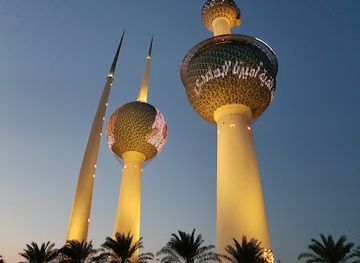
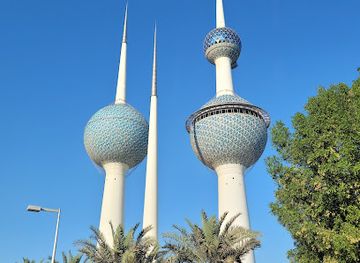
Kuwait Towers
Explore the breathtaking Kuwait Towers, a stunning blend of modern architecture and cultural heritage offering panoramic views of the Arabian Gulf.
21 min drive · 7.0 km from neighbourhood centre
-
Tourist attraction
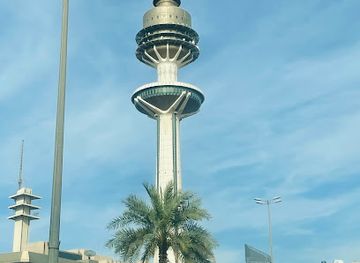
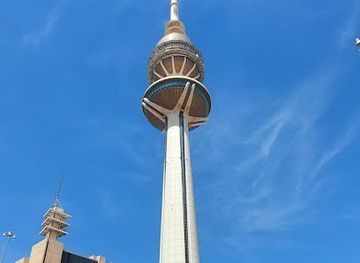
Liberation Tower
Explore the iconic Liberation Tower, a symbol of Kuwait's resilience with stunning views and rich historical insights.
21 min drive · 6.9 km from neighbourhood centre
-
Tourist attraction
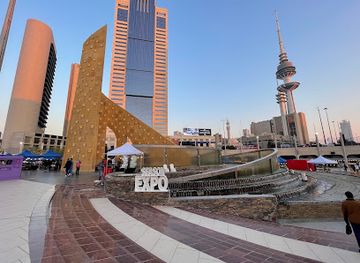
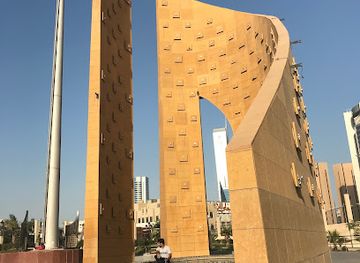
Safat Square
Experience the vibrant blend of modernity and tradition at Safat Square, Kuwait's iconic tourist attraction and historical landmark.
22 min drive · 7.2 km from neighbourhood centre
-
Tourist attraction
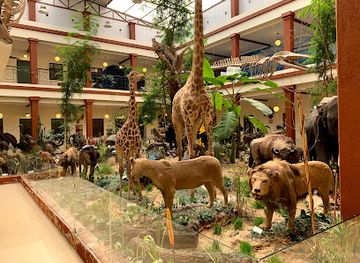
Bait Al Othman Museum
Explore the exquisite heritage and culture of Kuwait at Bait Al Othman Museum in Hawally, an essential stop for every traveler.
6 min drive · 2.1 km from neighbourhood centre
Best landmarks in Hawally
Hawally’s most recognisable landmarks are urban rather than monumental. Ibn Khaldoun Street functions as the district’s strongest commercial marker, distinguished by dense shopfronts, electronics signage and specialist retail buildings that express the neighbourhood’s economic identity. Tunis Street and its adjoining blocks form another useful point of reference, combining shops, services, cafés and apartment buildings in a characteristic Hawally streetscape. Small public parks and neighbourhood mosques provide local civic landmarks amid the dense development, although they are generally places used by residents rather than major visitor monuments. The district’s broad roads, closely spaced commercial buildings and multilingual signs are themselves significant, showing how a peripheral locality became part of Kuwait City’s continuous post-oil urban fabric. Hawally’s importance is therefore best read through its working streets and mixed-use blocks rather than through a single celebrated historic structure.
-
Park
Al Shaheed Park
Discover the natural beauty and cultural richness of Al Shaheed Park, an urban oasis in Kuwait City perfect for relaxation and exploration.
17 min drive · 5.6 km from neighbourhood centre
-
Tourist attraction
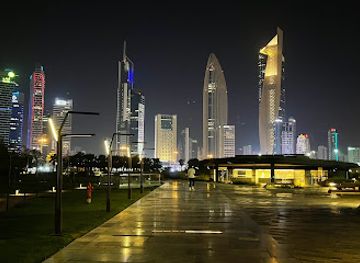
Kuwait Towers
Explore the iconic Kuwait Towers, a stunning blend of modern architecture and rich heritage, offering breathtaking views of the Arabian Gulf.
21 min drive · 7.0 km from neighbourhood centre
-
Government office
Liberation Tower
Discover the iconic Liberation Tower in Kuwait City, a symbol of resilience and a cultural hub offering stunning views and rich heritage.
21 min drive · 6.9 km from neighbourhood centre
-
Historical landmark
Safat Square
Explore the vibrant Safat Square in Kuwait City, a historical landmark showcasing culture, shopping, and dining in a lively atmosphere.
22 min drive · 7.2 km from neighbourhood centre
Explore Hawally on the map
A handpicked selection of must-see spots in Hawally, mapped for you.
Best hotels in Hawally
Best restaurants in Hawally
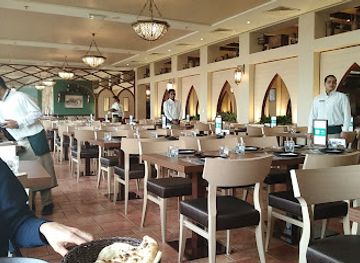
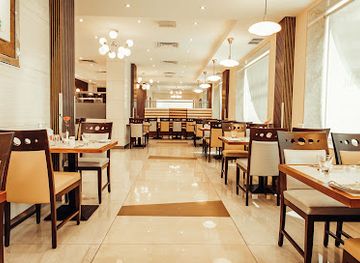
Hawally’s dining scene reflects its role as a dense commercial and residential district serving Kuwait’s varied workforce. Along Tunis Street, Ibn Khaldoun Street and the connecting roads, visitors encounter casual restaurants, cafés, bakeries, juice shops and takeaway counters rather than a single defining culinary style. South Asian, Arab and wider Middle Eastern influences are particularly visible in the range of rice dishes, grilled foods, breads, snacks and inexpensive everyday meals, while international grocery shops and cafés add further variety. Much of the appeal lies in convenience and breadth: a shopping trip can be combined with tea, coffee, a quick meal or a late snack. Restaurant identities and opening arrangements change, so visitors should judge venues by current local custom and visible activity rather than relying on old listings. Hawally is better suited to informal dining than to a concentrated fine-dining itinerary.
-
Lebanese
Mais Alghanim
Discover the authentic taste of Lebanon at Mais Alghanim - where every dish tells a story.
22 min drive · 7.2 km from neighbourhood centre
-
Indian
Mughal Mahal Sharq
Experience authentic Indian flavors at Mughal Mahal Sharq - where tradition meets culinary excellence in Kuwait City.
19 min drive · 6.3 km from neighbourhood centre
-
Restaurant
Cocoa Room
Experience the best breakfast in Kuwait City at Cocoa Room - where tradition meets innovation in every bite.
24 min drive · 8.0 km from neighbourhood centre
-
Restaurant
Mughal Mahal Hawally
Discover Mughal Mahal Hawally for an authentic Indian dining experience filled with rich flavors and warm hospitality.
5 min drive · 1.7 km from neighbourhood centre


Best bars in Hawally
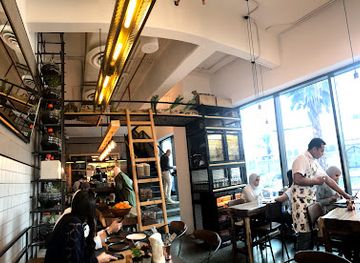
Hawally is not a bar-and-nightclub district, and Kuwait’s licensing rules mean that visitors should not expect an alcohol-led nightlife scene. After dark, activity centres on cafés, restaurants, dessert shops, tea houses and the retail streets where residents continue shopping after the daytime heat. The atmosphere is social but practical, with groups meeting over coffee or food rather than moving between licensed venues. Some commercial buildings remain busy into the evening, especially around the main shopping corridors, while nearby residential streets become quieter. Visitors seeking larger-scale cultural performances, waterfront evenings or a more destination-oriented night out should look to other parts of metropolitan Kuwait and confirm the location carefully. In Hawally, respectful dress, moderate noise and consideration for apartment residents are particularly important once the commercial footfall thins.
-
Restaurant
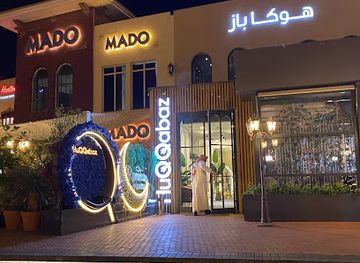
HuQQabaz
Experience the vibrant flavors of HuQQabaz, a premier restaurant in Al Bida'a offering a delightful fusion of local and international cuisine.
17 min drive · 5.5 km from neighbourhood centre
-
Fast Food
Eighty Six
Discover Eighty Six in Kuwait City, where fast food meets delightful breakfast and brunch options in a vibrant atmosphere.
22 min drive · 7.3 km from neighbourhood centre
-
Restaurant
Lunch Room Hawally
Experience authentic Kuwaiti cuisine at Lunch Room Hawally, a popular restaurant in the heart of Hawally, Kuwait, offering a diverse menu and inviting atmosphere.
7 min drive · 2.5 km from neighbourhood centre
-
Restaurant
Fish store
Discover the best seafood in Hawally at this vibrant restaurant, offering fresh catches and authentic flavors in a delightful setting.
6 min drive · 2.0 km from neighbourhood centre


Best nightclubs in Hawally
Hawally is not a bar-and-nightclub district, and Kuwait’s licensing rules mean that visitors should not expect an alcohol-led nightlife scene. After dark, activity centres on cafés, restaurants, dessert shops, tea houses and the retail streets where residents continue shopping after the daytime heat. The atmosphere is social but practical, with groups meeting over coffee or food rather than moving between licensed venues. Some commercial buildings remain busy into the evening, especially around the main shopping corridors, while nearby residential streets become quieter. Visitors seeking larger-scale cultural performances, waterfront evenings or a more destination-oriented night out should look to other parts of metropolitan Kuwait and confirm the location carefully. In Hawally, respectful dress, moderate noise and consideration for apartment residents are particularly important once the commercial footfall thins.
-
Hotel
Crowne Plaza Kuwait al Thuraya City, an IHG Hotel
Experience unparalleled luxury and comfort at Crowne Plaza Kuwait al Thuraya City, where business meets leisure in the heart of Kuwait City.
28 min drive · 9.4 km from neighbourhood centre
-
Hotel
Radisson Blu Hotel, Kuwait
Experience unparalleled luxury and comfort at Radisson Blu Hotel, Kuwait, featuring stunning views, exquisite dining, and exceptional service.
19 min drive · 6.3 km from neighbourhood centre
-
Sports club
Qadsia Sports Club
Discover the excitement of soccer and local sports culture at the vibrant Qadsia Sports Club in Hawally, Kuwait.
11 min walk · 0.9 km from neighbourhood centre
-
Fitness center
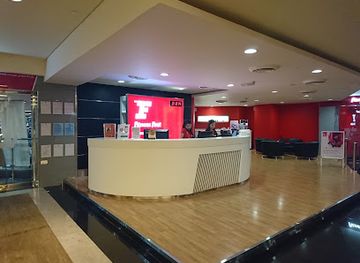
Fitness First 360 Mall (Ladies Only & Men Only)
Stay fit and active while visiting Kuwait at Fitness First 360 Mall, offering top-notch facilities and classes for everyone.
25 min drive · 8.2 km from neighbourhood centre


Best shops in Hawally
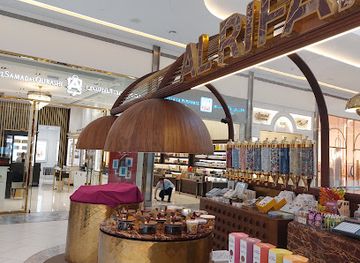
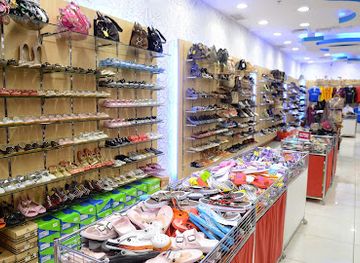
Shopping is Hawally’s clearest visitor interest, especially for electronics, mobile phones, computers, accessories, household equipment and repair services. Ibn Khaldoun Street is the principal reference point, with specialist retailers spread through a dense network of adjoining blocks rather than gathered in one enclosed mall. Tunis Street and nearby commercial roads add clothing, personal goods, groceries, cafés and everyday services, giving the area a practical retail character shaped by repeat local use. Shoppers should compare specifications, warranties and after-sales arrangements carefully, particularly when buying technical equipment, and should request a clear invoice. The district is less suited to leisurely luxury browsing than to targeted comparison and discovery of specialist stores. Its value lies in the concentration of independent and small-scale businesses and in the way retail, food and repair services are woven into ordinary apartment-district life.
-
Shopping mall
The Promenade Mall
Explore The Promenade Mall in Hawally, Kuwait - a vibrant shopping destination offering diverse retail, dining, and entertainment experiences.
8 min drive · 2.6 km from neighbourhood centre
-
Department store
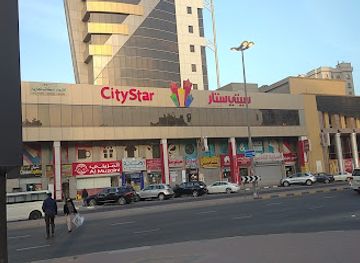
City Star
Explore City Star in Hawally for an unforgettable shopping experience, featuring a wide range of products and friendly service in a vibrant atmosphere.
6 min drive · 2.0 km from neighbourhood centre
-
Gift shop
Kuwait city
Discover the rich culture and unique shopping experiences in the heart of Kuwait City, a destination for every traveler seeking unforgettable memories.
19 min drive · 6.4 km from neighbourhood centre
-
Shopping mall
VIP Centre (Hawally)
Discover a shopping haven at VIP Centre in Hawally, featuring diverse clothing stores for every family member and a lively shopping atmosphere.
5 min drive · 1.7 km from neighbourhood centre
Hawally essentials
Getting There
Getting Around
Safety
Emergency Situations
Do's and Don'ts
Local Tips

From Eve
Local phrases worth knowing
You don't need to get them perfect. A few words go a long way, and locals appreciate the effort.
Basics
| English | Local | Say it |
|---|---|---|
| Hello | مرحبا | [marhaba] |
| Goodbye | وداعا | [wadaa'an] |
| Yes | نعم | [na'am] |
| No | لا | [la] |
| Please/You're welcome | من فضلك | [min fadlik] |
| Thank you | شكرا لك | [shukran lak] |
| Excuse me/Sorry | عذرا | [aadhra] |
| How are you? | كيف حالك؟ | [kayf halak?] |
| Fine. And you? | بخير. وأنت؟ | [bikhayr. wa'ant?] |
| Do you speak English? | هل تتحدث الإنجليزية؟ | [hal tatahadath al'injlizia?] |
| I don't understand | أنا لا أفهم | [ana la afham] |
Eating & Drinking
| English | Local | Say it |
|---|---|---|
| I'd like to see the menu, please | أرغب في رؤية القائمة، من فضلك | [urghib fi ru'ya alqaima, min fadlik] |
| I don't eat meat | أنا لا آكل اللحم | [ana la aakul allahm] |
| Cheers! | في صحتك! | [fi sahtak!] |
| I would like to pay, please | أرغب في الدفع، من فضلك | [urghib fi alduf, min fadlik] |
Emergencies
| English | Local | Say it |
|---|---|---|
| Help! | النجدة! | [alnajda!] |
| Go away! | انصرف! | [ansarf!] |
| Call the Police! | اتصل بالشرطة! | [atassil bialshurta!] |
| Call a doctor! | اتصل بالطبيب! | [atassil bialtabib!] |
| I'm lost | ضاعت طريقي | [da'at tariqi] |
| I'm ill | أنا مريض | [ana mareed] |
Shopping
| English | Local | Say it |
|---|---|---|
| I'd like to buy... | أرغب في شراء... | [urghib fi shira...] |
| I'm just looking | أنا فقط أتطلع | [ana faqat atatallu'] |
| How much is it? | كم سعره؟ | [kam sa'ruh?] |
| That's too expensive | هذا غالي جدا | [hatha ghali jiddan] |
| Can you lower the price? | هل يمكنك خفض السعر؟ | [hal yumkinuk khafd als'ur?] |
Time & Numbers
| English | Local | Say it |
|---|---|---|
| What time is it? | كم الساعة؟ | [kam alsaa'a?] |
| It's one o'clock | الساعة الواحدة | [alsaa'at alwahida] |
| Half past (10) | الساعة والنصف | [alsaa'at walnusf] |
| Morning | الصباح | [alsabah] |
| Afternoon | مساء | [masa'] |
| Evening | مساء | [masa'] |
| Yesterday | أمس | [ams] |
| Today | اليوم | [alyawm] |
| Tomorrow | غدا | [ghadan] |
| 1 | واحد | [wahid] |
| 2 | اثنان | [ithnan] |
| 3 | ثلاثة | [thalatha] |
| 4 | أربعة | [arba'a] |
| 5 | خمسة | [khamsa] |
| 6 | ستة | [sitta] |
| 7 | سبعة | [sab'a] |
| 8 | ثمانية | [thamania] |
| 9 | تسعة | [tis'a] |
| 10 | عشرة | [ashara] |
Transport & Directions
| English | Local | Say it |
|---|---|---|
| Where's a/the...? | أين ...؟ | [ayn ...?] |
| What's the address? | ما هو العنوان؟ | [ma huwa al'ainan?] |
| Can you show me (on the map)? | هل يمكنك عرضه لي (على الخريطة)؟ | [hal yumkinuk 'aradhuhu li (ala alkhariita)?] |
| When's the next (bus)? | متى يأتي الحافلة القادمة؟ | [mata ya'ti alhafilat alqadima?] |
| A ticket (to ....) | تذكرة (إلى ....) | [tadhkira (ila ....)] |
History of Hawally
From Peripheral Land to Suburb
Before Kuwait’s rapid post-war urban expansion, the area now known as Hawally lay beyond the historic core in a landscape associated with low-density settlement, wells and cultivated plots. The exact derivation of the name is not consistently explained in popular accounts, so it is best understood as an established local place-name rather than assigned a simplified origin story. As Kuwait’s population and built infrastructure expanded during the oil era, Hawally changed from a peripheral locality into part of the capital’s continuous eastern suburban belt.
Post-Oil Urban Growth
From the 1950s onwards, housing, roads, schools, shops and public services spread across Hawally as Kuwait invested in modern urban infrastructure. Detached homes and small-scale development were progressively joined, and in some places replaced, by apartment blocks and commercial buildings. Its position between central Kuwait City and the residential districts nearer the coast helped make it a useful location for families, workers and retailers. The resulting urban form is unusually mixed: commercial corridors sit beside ordinary residential streets, local services and religious institutions.
A Commercial District Takes Shape
As the metropolitan area matured, Hawally developed a strong identity as a destination for practical retail, particularly electronics, computers, telephones and household equipment. Streets such as Ibn Khaldoun became associated with specialist shops and repair businesses, while other corridors gathered restaurants, groceries, clothing retailers and professional services. The district’s commercial life was also shaped by Kuwait’s large expatriate workforce and by the movement of residents between Hawally, Salmiya, Jabriya and central Kuwait. This gave the neighbourhood a more internationally oriented everyday culture than its early suburban form might suggest.
Contemporary Hawally
Today Hawally is a mature, densely occupied district within Kuwait City’s wider urban fabric rather than a newly developing suburb. Older buildings, replacement construction, signage-heavy retail streets and apartment blocks coexist with small public spaces and local institutions. Its importance is primarily practical and metropolitan: people come for shopping, services, food and access to neighbouring districts. Ongoing changes in retail, traffic management and property development continue to alter the visual character of the area, while its established commercial role remains central to how residents experience Hawally.
Hawally in Photos
Browse through our photo collection highlighting the charm and character of the destination.
Neighbourhoods near Hawally
The closest neighbourhoods to Hawally, if you have time for more than one stop.
-

-

-


Swipe for more neighbourhoods
Explore more

Explore more of Kuwait City
Kuwait City blends Gulf history, striking modern architecture, museums, traditional markets and waterfront views with distinctive culture and cuisine.
Explore Kuwait City