

Arslanbob Walnut Forest, Kyrgyzstan Travel Guide
Discover the world's largest walnut forest in Arslanbob, Kyrgyzstan, where nature and culture intertwine amid ancient trees and stunning waterfalls.
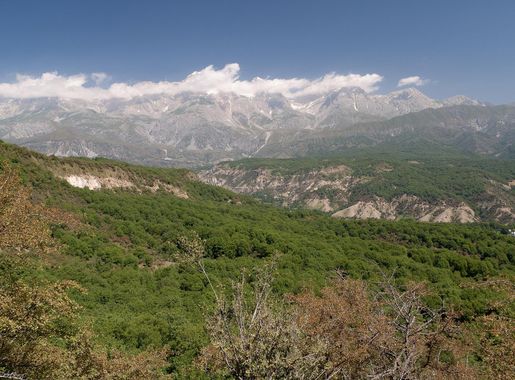
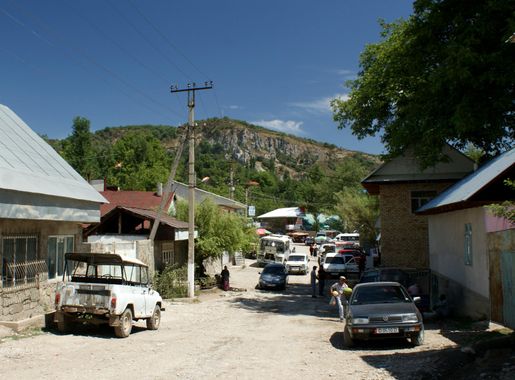
Arslanbob Walnut Forest in Kyrgyzstan is a natural wonder that beckons nature lovers and adventurers alike. This expansive forest, nestled in the scenic mountains of the Jalal-Abad region, is home to the world's largest walnut grove. Stretching over thousands of hectares, the forest is a living testament to the region's rich biodiversity and cultural heritage. Visitors to Arslanbob can enjoy a unique blend of nature and local culture. The forest is not only famed for its ancient walnut trees, some of which are over a thousand years old, but also for its picturesque waterfalls and serene landscapes. The two main waterfalls, Small and Large Arslanbob, offer breathtaking views and are perfect for a refreshing hike. The area is also dotted with quaint villages where you can experience the genuine hospitality of the Kyrgyz people. Arslanbob is a place where time seems to stand still. The air is filled with the scent of walnuts, and the gentle rustling of leaves creates a soothing backdrop for your adventures. Whether you are exploring the forest trails, picnicking by the waterfalls, or engaging with the local community, Arslanbob promises an unforgettable journey into nature's heart.

Know before you go
Hi, I'm Eve. Here are a few practical things to know before exploring Arslanbob Walnut Forest.
- Visit in late summer or early autumn to see the walnut harvest in full swing and enjoy fresh walnuts.
- Bring sturdy hiking shoes for exploring the forest trails and visiting the waterfalls.
- Stay in a local guesthouse to experience Kyrgyz hospitality and traditional meals.
- Hire a local guide to learn about the forest's history and the cultural significance of the walnut trees.
Explore Arslanbob Walnut Forest: Things to Do, Places to Eat, Hotels & More
Handpicked recommendations for top attractions, local dining, accommodations, and more

Best attractions in Arslanbob Walnut Forest
Top-rated picks
Best Attractions

Arstanbap CBT (Kyrgyz Community Based Tourism Association)
Explore the beauty of Kyrgyzstan at Arstanbap CBT - your gateway to adventure in Arslanbob's stunning landscapes and rich culture.

Arlanbab
Discover the cultural treasures of Kyrgyzstan at the Arlanbab Museum in Arslanbob, where history and artistry come alive.

AUK TUR
Explore AUK TUR, a breathtaking hiking area in Arslanbob, where nature, adventure, and local culture harmoniously converge.

Панорама - Жүрөк таш
Discover the breathtaking views at Panorama in Kyzylunkyur, a natural beauty that captivates travelers with its stunning landscapes and tranquil ambiance.

Best landmarks in Arslanbob Walnut Forest
Top-rated picks
Best Landmarks

Arstanbap CBT (Kyrgyz Community Based Tourism Association)
Explore the natural beauty and cultural richness of Arslanbob at Arstanbap CBT, your guide to the world's largest walnut forest.

Walnut forest
Explore the Walnut Forest in Arslanbob, a breathtaking hiking area with the world's largest walnut grove and stunning mountain views.

Aslanbob
Experience the tranquility of Aslanbob Lodge, surrounded by breathtaking landscapes and offering a unique blend of adventure and relaxation.

Arslanbob children's camping
Discover Arslanbob Children's Camping: An enchanting outdoor experience for families amidst stunning landscapes and cultural richness.

Best restaurants in Arslanbob Walnut Forest
Top-rated picks
Best Restaurants

Arstanbap CBT (Kyrgyz Community Based Tourism Association)
Explore Arslanbob's stunning walnut forests and vibrant culture at Arstanbap CBT – your gateway to unforgettable experiences in Kyrgyzstan.

Friendship Guesthouse
Discover authentic Kyrgyz hospitality at Friendship Guesthouse in Arslanbob - your gateway to nature's wonders and rich culture.

Walnut forest
Explore the world's largest walnut forest in Arslanbob – an enchanting hiking paradise surrounded by stunning natural beauty.

Aslanbob
Discover serenity at Aslanbob Lodge amidst breathtaking landscapes and rich cultural heritage in Kyrgyzstan's Arslanbob.

Best bars in Arslanbob Walnut Forest
Top-rated picks
Best Bars
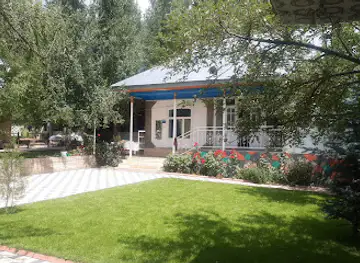
Forel'
Savor the freshest fish dishes in a picturesque setting at Forel', Arslanbob's must-visit restaurant for seafood lovers.

Kafe
Discover Kafe, a charming bar in Oogan-Talaa, perfect for unwinding with drinks and enjoying the local culture.

Kafe Istanbul
Discover Kafe Istanbul in Arslanbob, where succulent chicken dishes and warm hospitality meet amidst breathtaking Kyrgyz landscapes.

Нурландын үйү
Discover the vibrant nightlife and local flavors at Нурландын үйү in Belterek, a must-visit bar for an authentic experience.

Best nightclubs in Arslanbob Walnut Forest
Top-rated picks
Best Nightclubs

AUK TUR
Discover the breathtaking trails and stunning landscapes of AUK TUR in Arslanbob, a must-visit hiking area in Kyrgyzstan.

Walnut forest
Discover the serene beauty of the Walnut Forest in Arslanbob, one of the largest walnut forests globally, perfect for hiking and nature enthusiasts.

Arslanbob children's camping
Discover the beauty of nature at Arslanbob Children's Camping, a family-friendly retreat in the heart of Kyrgyzstan's stunning landscapes.

Kosimzhon
Explore the vibrant nightlife of Arslanbob at Kosimzhon, where music and culture come alive under the stars.

Best shops in Arslanbob Walnut Forest
Top-rated picks
Best Shops

Jannat dökoni
Discover the essence of Arslanbob at Jannat Dökoni, a vibrant produce market bursting with local flavors and cultural experiences.

Walnut forest
Explore the breathtaking Walnut Forest in Arslanbob, a hiker's paradise filled with towering trees and stunning landscapes.

Sharshen
Experience authentic Kyrgyz culture at Sharshen in Belterek, where local goods and unique souvenirs await every traveler.

LIDER
Discover LIDER, Arslanbob's premier shopping mall, where local culture meets modern retail in a vibrant atmosphere.

Explore Arslanbob Walnut Forest on the Map
A handpicked selection of must-see spots in Arslanbob Walnut Forest, mapped for you.
Arslanbob Walnut Forest Essentials
-
Arslanbob Walnut Forest is located in the Jalal-Abad Region of Kyrgyzstan. The nearest international airport is Osh International Airport, approximately 160 kilometers away. From Osh, you can take a taxi or a shared minibus (marshrutka) to Arslanbob. The journey typically takes around 3 to 4 hours by road. Alternatively, you can arrange for a private transfer or use local tour operators to reach Arslanbob directly from Osh.
-
Arslanbob is a small village, and many of its attractions are within walking distance. For longer trips, local taxis are available, though not abundant. Marshrutkas and shared taxis operate within the area and connect to nearby towns and villages. Renting a car can also be an option, but be prepared for mountainous roads. Bicycles can be rented locally for those who enjoy a more active mode of transport.
-
The official currency in Kyrgyzstan is the Kyrgyz Som (KGS). Credit cards are not widely accepted in Arslanbob, so it is advisable to carry cash. There are no ATMs in Arslanbob, so you should withdraw sufficient cash in Osh or another major city before traveling. Some local guesthouses and restaurants may accept USD or EUR, but it’s best to have local currency on hand.
-
Arslanbob is generally a safe destination for tourists. However, it is advisable to take standard precautions. Avoid walking alone at night in unfamiliar areas and keep an eye on your belongings in crowded places. While the crime rate is low, it’s always best to stay vigilant and aware of your surroundings. There are no specific high-crime areas targeting tourists in Arslanbob.
-
In case of emergency, dial 112 for immediate assistance. The village has a small medical facility, but serious medical conditions may require travel to a larger city such as Osh. It is recommended to have travel insurance that covers medical emergencies. For minor health issues, there are local pharmacies where you can purchase over-the-counter medications.
-
Fashion: Do dress modestly, especially in rural and religious areas. Avoid wearing revealing clothing. Religion: Do respect local customs and Islamic traditions. Always remove your shoes when entering a mosque. Public Transport: Do be respectful and offer your seat to elderly passengers. Don't eat or drink on public transport. Greetings: Do greet people with a warm smile and a handshake; using your right hand is customary. Eating & Drinking: Do try local delicacies and accept food offerings graciously. Don’t refuse hospitality, as it is considered impolite.
-
To experience Arslanbob Walnut Forest like a local, visit the local markets where you can buy fresh walnuts and other local produce. Engage with the local community, as they are often friendly and willing to share stories about the area’s history and culture. Don’t miss the chance to hike to the Arslanbob Waterfalls and panoramic viewpoints. For a unique experience, consider participating in a homestay to get a deeper understanding of local life and traditions.
When is the best time to visit Arslanbob Walnut Forest?
Useful Local Phrases for Arslanbob Walnut Forest
You don't need to speak the language perfectly. Even learning a few simple words can make conversations warmer—and locals usually appreciate the effort.
— Eve

Here are the phrases I use most often in Arslanbob Walnut Forest. Try a few—you'll be surprised how far they go! 😊
❤️
-
- HelloСаламатсызбы
[Salamatsyzby] - GoodbyeЖакшы калыңыз
[Jaqshy qalyńyz] - YesОоба
[Ooba] - NoЖок
[Jok] - Please/You're welcomeЭреже/Рахмат
[Ereje/Rahmat] - Thank youРахмат
[Rahmat] - Excuse me/SorryКечиресиз
[Kechiresiz] - How are you?Кандайсыз?
[Qandaisyz?] - Fine. And you?Жакшым. Сизди?
[Jaqshym. Sizdi?] - Do you speak English?Сиз инглизче сөйлөсүңүзбү?
[Siz inglizche söylösüŋüzbü?] - I don't understandМеним эмес
[Menim emes]
- HelloСаламатсызбы
-
- I'd like to see the menu, pleaseМенюнү карап жатам келеби
[Menyunü karap zhatam kelebi] - I don't eat meatМен көк жемис уюмам
[Men kök jemis uyumam] - Cheers!Тоңтойбыз!
[Toŋtoybyz!] - I would like to pay, pleaseТөлөм сурайм келеби
[Tölöm suraym kelebi]
- I'd like to see the menu, pleaseМенюнү карап жатам келеби
-
- Help!Жардам!
[Jardam!] - Go away!Артыңа бар
[Artyña bar] - Call the Police!Полицияга чакырыңыз!
[Politsiyaga çakırıŋız!] - Call a doctor!Докторга чакырыңыз!
[Doktorga çakırıŋız!] - I'm lostМен таңдалмаймын
[Men taŋdalmaymın] - I'm illМен ауруу менен жатам
[Men auruu menen zhatam]
- Help!Жардам!
-
- I'd like to buy...Сатып албайм
[Satıp albaym] - I'm just lookingМен тек карарайм
[Men tek kararaym] - How much is it?Бушунча канча?
[Buşunça kança?] - That's too expensiveБушунча көп болуп жатат
[Buşunça köp bolup zhatat] - Can you lower the price?Сиз баасын азайтасызбы?
[Siz baasın azaytasızby?]
- I'd like to buy...Сатып албайм
-
- What time is it?Саат канчада?
[Saat kançada?] - It's one o'clockБир саат
[Bir saat] - Half past (10)Он жети
[On jeti] - MorningТүн
[Tün] - AfternoonКүн
[Kün] - EveningКеч
[Keç] - YesterdayКече
[Keçe] - TodayБүгүн
[Bügün] - TomorrowЭртең
[Erteñ] - 1Бир
[Bir] - 2Эки
[Eki] - 3Үч
[Üch] - 4Төрт
[Tört] - 5Беш
[Beş] - 6Алты
[Altı] - 7Жети
[Jeti] - 8Сегиз
[Segiz] - 9Тогуз
[Toğuz] - 10Он
[On]
- What time is it?Саат канчада?
-
- Where's a/the...?...кайда?
[...kayda?] - What's the address?Корпусу канча?
[Korpusu kança?] - Can you show me (on the map)?Менен көрсөтсөңүзбү?
[Menen körsötsöŋüzbü?] - When's the next (bus)?Кийинки (автобус) кайда болот?
[Kiyinki (avtobus) kayda bolot?] - A ticket (to ....)Билет (....керек)
[Bilet (....kerek)]
- Where's a/the...?...кайда?
History of Arslanbob Walnut Forest
-
Arslanbob Walnut Forest, located in the Jalal-Abad Region of Kyrgyzstan, is believed to be over a thousand years old. According to local legends, the forest was named after Arslanbob, a man who was said to have discovered the area and planted the first walnut trees. The forest covers an extensive area of approximately 11,000 hectares and is one of the largest natural walnut forests in the world.
-
Historical accounts suggest that walnuts from the Arslanbob Forest were highly prized and were introduced to Europe by Alexander the Great. During his conquests, Alexander is said to have taken walnut saplings back to Macedonia, thus spreading the popularity of the walnut tree across the continent. This historical interaction highlights the ancient trade routes that connected Central Asia with Europe.
-
Arslanbob Walnut Forest's location near the ancient Silk Road trade routes played a crucial role in its historical significance. The forest served as a resting spot for traders and travelers who journeyed through Central Asia. The walnuts were often traded for goods such as spices, silk, and other valuable commodities, making the forest a vital economic hub in the region.
-
During the Soviet era, the Arslanbob Walnut Forest was incorporated into the collective farming system. The forest was managed by the state, and the walnuts were harvested collectively. This period saw significant changes in the management and conservation practices of the forest, as well as the introduction of scientific methods to enhance walnut production.
-
The Arslanbob Walnut Forest holds immense cultural significance for the local communities. The forest is not only a source of livelihood through walnut harvesting but also a symbol of natural heritage. Traditional festivals and events are often held in the forest, celebrating the walnut harvest and the natural beauty of the area. The local people have developed unique customs and practices around walnut cultivation and harvesting, which have been passed down through generations.
-
In recent years, there have been concerted efforts to conserve and protect the Arslanbob Walnut Forest. Environmental organizations, along with the Kyrgyz government, have implemented various projects aimed at sustainable management of the forest. These initiatives focus on balancing walnut production with ecological preservation, ensuring the forest's health and productivity for future generations.
Neighbouring destination travel guides
Browse our curated selection of top destinations, scenic points, and must-visit spots in the area.


Your all‑in‑one travel companion app
Explore expert travel guides, compare and book tours, experiences, hotels, and more—all from the palm of your hand. Download now for seamless trip planning wherever your wanderlust takes you.


Explore More of Jalal-Abad Region

Looking beyond Arslanbob Walnut Forest? Discover Jalal-Abad Region for broader travel guides, local hot-spots, and regional highlights.
Explore Jalal-Abad RegionExplore More of Kyrgyzstan
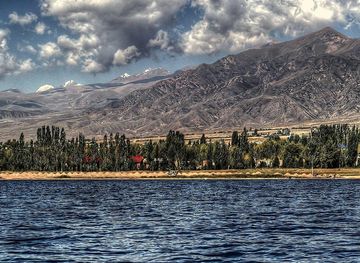
Looking beyond Arslanbob Walnut Forest? Discover Kyrgyzstan for broader travel guides, local hot-spots, and regional highlights.
Explore KyrgyzstanArslanbob Walnut Forest in Photos
Browse through our photo collection highlighting the charm and character of the destination.


The Enchanting Arslanbob Walnut Forest
Arslanbob Walnut Forest in Kyrgyzstan is a natural wonder that beckons nature lovers and adventurers alike. This expansive forest, nestled in the scenic mountains of the Jalal-Abad region, is home to the world's largest walnut grove. Stretching over thousands of hectares, the forest is a living testament to the region's rich biodiversity and cultural heritage. Visitors to Arslanbob can enjoy a unique blend of nature and local culture. The forest is not only famed for its ancient walnut trees, some of which are over a thousand years old, but also for its picturesque waterfalls and serene landscapes. The two main waterfalls, Small and Large Arslanbob, offer breathtaking views and are perfect for a refreshing hike. The area is also dotted with quaint villages where you can experience the genuine hospitality of the Kyrgyz people. Arslanbob is a place where time seems to stand still. The air is filled with the scent of walnuts, and the gentle rustling of leaves creates a soothing backdrop for your adventures. Whether you are exploring the forest trails, picnicking by the waterfalls, or engaging with the local community, Arslanbob promises an unforgettable journey into nature's heart.