

Chatyr-Kul Lake, Kyrgyzstan Travel Guide
Discover the tranquil beauty of Chatyr-Kul Lake in Kyrgyzstan, a high-altitude gem surrounded by the majestic Tian Shan mountains and rich in wildlife.
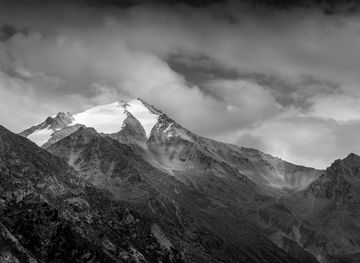
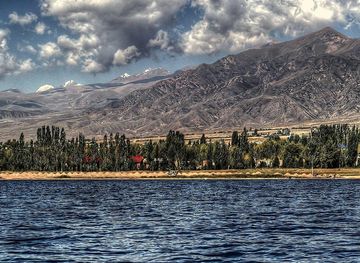
Chatyr-Kul Lake, nestled in the heart of Kyrgyzstan, is a breathtaking gem that offers a unique escape into nature. This high-altitude lake, located at an elevation of 3,530 meters, is surrounded by the dramatic peaks of the Tian Shan mountains. The name 'Chatyr-Kul' translates to 'Celestial Lake' in Kyrgyz, perfectly capturing its ethereal beauty. The lake is part of the Karatal-Japyryk State Nature Reserve, making it a haven for wildlife enthusiasts and bird watchers. During the summer months, the surrounding meadows burst into a tapestry of wildflowers, offering a vibrant contrast to the lake's tranquil blue waters. The area is home to a variety of bird species, including the rare black stork and the bar-headed goose. Visiting Chatyr-Kul Lake is like stepping into a different world. The remoteness of the location means it remains largely untouched by commercialization, providing a peaceful retreat for those looking to escape the hustle and bustle of city life. The crystal-clear waters and stunning landscapes make it a perfect spot for photography, hiking, and simply soaking in the natural beauty. Accessible via the Torugart Pass, the journey to Chatyr-Kul Lake itself is an adventure, offering panoramic views of the rugged terrain and glimpses of traditional nomadic life. While the altitude can be challenging, the serene and pristine environment of the lake rewards those who make the effort to visit.

Know before you go
Hi, I'm Eve. Here are a few practical things to know before exploring Chatyr-Kul Lake.
- Pack warm clothing, as temperatures can drop significantly, even in summer.
- Bring a good pair of hiking boots for exploring the rugged terrain around the lake.
- Don't forget your binoculars for bird watching.
- Ensure you have all necessary permits to enter the nature reserve.
- Acclimatize properly to the high altitude to avoid altitude sickness.
- Consider hiring a local guide for the best experience and insights.
Explore Chatyr-Kul Lake: Things to Do, Places to Eat, Hotels & More
Handpicked recommendations for top attractions, local dining, accommodations, and more

Best attractions in Chatyr-Kul Lake
Top-rated picks
Best Attractions

Tash Rabat
Explore Tash Rabat, a historical treasure of Kyrgyzstan nestled in the Tian Shan Mountains, where the Silk Road's legacy comes alive.

Koshoy Korgon
Discover the historical beauty and rich cultural tapestry of Koshoy Korgon in Kyrgyzstan, a must-visit tourist attraction steeped in history.

Chatyr Kol
Discover the breathtaking serenity of Chatyr Kol, a stunning lake in Kyrgyzstan surrounded by majestic mountain landscapes.

Shar Waterfall
Explore the stunning Shar Waterfall in Bash-Kaiyndy, Kyrgyzstan, where nature's beauty meets adventure in a breathtaking landscape.

Best landmarks in Chatyr-Kul Lake
Top-rated picks
Best Landmarks

Chatyr Kol
Experience the stunning natural beauty of Chatyr Kol Lake in Kyrgyzstan, a serene alpine paradise ideal for outdoor adventures and cultural exploration.

Mountain pass to Chatyr Kol lake
Discover the breathtaking Mountain Pass to Chatyr Kol Lake, a serene escape into Kyrgyzstan's stunning alpine landscapes, perfect for adventure and relaxation.


Best bars in Chatyr-Kul Lake
Top-rated picks
Best Bars

Chatyr Kol
Explore the breathtaking beauty of Chatyr Kol Lake, a serene high-altitude gem in Kyrgyzstan, perfect for hiking and nature photography.

Teplo bar
Discover the warmth and charm of Teplo Bar in Bishkek, where delightful drinks and a cozy atmosphere await every visitor.

Tash Rabat
Experience the authentic flavors of Kyrgyzstan at Tash Rabat, a charming restaurant in At-Bashi offering traditional dishes in a warm atmosphere.

Kulanak forel
Discover the finest seafood delights at Kulanak Forel in Ak-Talaa, where freshness meets tradition in a cozy setting.

Best nightclubs in Chatyr-Kul Lake
Top-rated picks
Best Nightclubs

Promzona Club
Immerse yourself in the electrifying nightlife at Promzona Club, Bishkek's premier destination for dancing, socializing, and unforgettable experiences.

Metro Pub
Experience the vibrant nightlife of Bishkek at Metro Pub, where great drinks and good times unite in a lively atmosphere.

Center Bar
Experience the vibrant nightlife of Bishkek at Center Bar, where dining meets entertainment in a lively atmosphere.

Suzie Wong
Discover the vibrant nightlife of Bishkek at Suzie Wong, where music and energy collide in an unforgettable night out.

Best shops in Chatyr-Kul Lake
Top-rated picks
Best Shops

Osh Bazaar
Explore Osh Bazaar in Bishkek for an authentic taste of Kyrgyz culture, vibrant spices, and unique crafts in a lively market atmosphere.

Asia Mall
Discover the vibrant shopping experience at Asia Mall in Bishkek, where local culture meets international brands for an unforgettable day out.

ZUM Aichurok
Experience the vibrant shopping culture at ZUM Aichurok in Bishkek, where modern retail meets local charm in a stunning mall atmosphere.

Bishkek Park
Discover a shopping paradise at Bishkek Park, where modern amenities meet local culture in the heart of Kyrgyzstan's capital.

Explore Chatyr-Kul Lake on the Map
A handpicked selection of must-see spots in Chatyr-Kul Lake, mapped for you.
Chatyr-Kul Lake Essentials
-
Chatyr-Kul Lake is located in the Naryn Region of Kyrgyzstan, near the Kyrgyz-Chinese border. The nearest major city is Bishkek, the capital of Kyrgyzstan, which is approximately 400 kilometers away. From Bishkek, you can take a domestic flight to Naryn or drive directly. The drive takes about 8-10 hours and involves traversing mountain passes, so it is advisable to hire a 4x4 vehicle. There are also marshrutkas (minibuses) available from Bishkek to Naryn, and from Naryn, you can hire a private vehicle to reach Chatyr-Kul.
-
Once you reach Naryn, the most convenient way to get to Chatyr-Kul Lake is by hiring a private car or joining a guided tour. Public transportation options are limited, and the terrain can be challenging. For exploring the area around the lake, a 4x4 vehicle is highly recommended due to the rugged landscape. Bicycles are also an option for the more adventurous travelers.
-
The official currency in Kyrgyzstan is the Kyrgyz Som (KGS). It is advisable to carry cash as credit cards are not widely accepted, especially in rural areas like Naryn and around Chatyr-Kul Lake. There are ATMs in Bishkek and Naryn where you can withdraw cash, but it is best to carry sufficient cash before heading to more remote areas.
-
Chatyr-Kul Lake and the surrounding areas are generally safe for tourists. However, it is advisable to take standard precautions such as not leaving your belongings unattended and avoiding isolated areas after dark. There are no specific high-crime areas targeting tourists, but always stay vigilant and aware of your surroundings.
-
In case of emergency, dial 112 for immediate assistance. The nearest medical facilities are located in Naryn, so it is crucial to have a well-stocked first aid kit when traveling to Chatyr-Kul Lake. Make sure you have travel insurance that covers medical emergencies and evacuation. For minor health issues, pharmacies in Naryn can provide over-the-counter medications.
-
Fashion: Do dress in layers and wear sturdy, comfortable footwear suitable for hiking. The weather can be unpredictable. Religion: Do show respect for local customs and traditions. When visiting religious sites, dress modestly and remove your shoes before entering. Public Transport: Do be polite and respectful to drivers and fellow passengers. Public transport is limited, so plan your trips accordingly. Greetings: Do greet people with a smile and a handshake. A traditional Kyrgyz greeting includes placing your right hand over your heart. Eating & Drinking: Do try local delicacies like beshbarmak and fermented mare's milk (kumis). Don't refuse food offerings, as it is considered impolite.
-
To experience Chatyr-Kul Lake like a local, try to engage with the nomadic herders who inhabit the region during the summer months. Participate in traditional yurt stays and learn about their way of life. Visit the local markets in Naryn to buy fresh produce and traditional Kyrgyz goods. Don't miss exploring the nearby Tash-Rabat caravanserai, a historical site that offers a glimpse into the Silk Road era.
When is the best time to visit Chatyr-Kul Lake?
Useful Local Phrases for Chatyr-Kul Lake
You don't need to speak the language perfectly. Even learning a few simple words can make conversations warmer—and locals usually appreciate the effort.
— Eve

Here are the phrases I use most often in Chatyr-Kul Lake. Try a few—you'll be surprised how far they go! 😊
❤️
-
- HelloСаламатсызбы?
[salamatsızbı?] - GoodbyeКалтырсыз
[kaltırsız] - YesОоба
[ooba] - NoЖок
[jok] - Please/You're welcomeКаржылыгыз
[karjılıgız] - Thank youРахмат
[rahmat] - Excuse me/SorryКечиресиз
[keçiresiz] - How are you?Кандайсыз?
[kandaysız?] - Fine. And you?Жакшы. Сиз кандайсыз?
[jaqşı. siz kandaysız?] - Do you speak English?Сиз англисче сүйлөсөңүзбү?
[siz angliçe süylösöñüzbu?] - I don't understandМенин менемин
[menin menemin]
- HelloСаламатсызбы?
-
- I'd like to see the menu, pleaseМенюгө карагып жатам келеби
[menyügö karagıp çatam kelebi] - I don't eat meatМен майытты каимайм
[men mayıttı kaymaym] - Cheers!Таратуу!
[taratuu] - I would like to pay, pleaseТөлөм кылгыма келеби
[tölöm kılgıma kelebi]
- I'd like to see the menu, pleaseМенюгө карагып жатам келеби
-
- Help!Жардам!
[jardam!] - Go away!Жүр
[jür] - Call the Police!Милицияга чакырыңыз
[militsiyaga çakırıñız] - Call a doctor!Дайырго чакырыңыз
[dayırgo çakırıñız] - I'm lostМен айыптым
[men ayyıptım] - I'm illМен кылымсызмын
[men kılımsızmın]
- Help!Жардам!
-
- I'd like to buy...Мен ... сатып алгым келеби
[men ... satıp algım kelebi] - I'm just lookingМен тек кара катам
[men tek kara katam] - How much is it?Бушатканда канча?
[buşatkanda kança?] - That's too expensiveБу канча чоң
[bu kança çoñ] - Can you lower the price?Сиз баасын кемеңизби?
[siz baasın kemeñizbi?]
- I'd like to buy...Мен ... сатып алгым келеби
-
- What time is it?Саат качан?
[saat kaçan?] - It's one o'clockБир саат
[bir saat] - Half past (10)Ондагы жарым
[ondagı jarım] - MorningКүн
[kün] - AfternoonТүс
[tüs] - EveningКеч
[keç] - YesterdayКече
[keçe] - TodayБүгүн
[bügün] - TomorrowЭрте
[erte] - 1Бир
[bir] - 2Эки
[eki] - 3Үч
[üç] - 4Төрт
[tört] - 5Беш
[beş] - 6Алты
[altı] - 7Жети
[jeti] - 8Сегиз
[segiz] - 9Тогуз
[toğuz] - 10Он
[on]
- What time is it?Саат качан?
-
- Where's a/the...?... ҕараганда?
[...ğaraganda?] - What's the address?Адрес кандай?
[adres kanday?] - Can you show me (on the map)?Картада көрсөтөбү?
[kartada körsötöbü?] - When's the next (bus)?Кийинки кача болот?
[kiyinki kaça bolot?] - A ticket (to ....)Билет ( ... -га)
[bilet ( ... -ga)]
- Where's a/the...?... ҕараганда?
History of Chatyr-Kul Lake
-
Chatyr-Kul Lake lies along the ancient trade routes of the Silk Road, which connected the East and West. Archaeological findings in the area reveal remnants of ancient caravans and trade posts, showcasing the lake's historical significance as a resting and trading point for merchants and travelers.
-
The region surrounding Chatyr-Kul Lake has been home to various nomadic tribes for centuries. These tribes, such as the Kyrgyz and other Turkic peoples, have left an indelible mark on the culture and traditions of the area. Their yurts, traditional clothing, and customs continue to be a living testament to their enduring presence.
-
In the late 19th and early 20th centuries, Russian explorers and cartographers ventured into the Tian Shan mountains and the Chatyr-Kul region. Their expeditions aimed to map the area and document its geographical features. The data collected during these missions contributed significantly to the understanding of Central Asia's topography.
-
During the Soviet period, the Chatyr-Kul area saw increased infrastructure development. Roads and scientific research stations were established to monitor the region's unique ecosystem and climatic conditions. The Soviet influence is still visible in some of the remaining architectural structures and historical landmarks.
-
In recent decades, efforts have been made to preserve the pristine environment of Chatyr-Kul Lake. It has been designated as part of the Karatal-Japyryk State Nature Reserve, aiming to protect its unique flora and fauna. These conservation initiatives highlight the ecological importance of the lake and its surrounding areas.
-
The lake is steeped in local legends and folklore. One popular tale speaks of a mythical creature said to inhabit the depths of Chatyr-Kul's waters. These stories have been passed down through generations, enriching the cultural tapestry of the region and attracting curious visitors.
Neighbouring destination travel guides
Browse our curated selection of top destinations, scenic points, and must-visit spots in the area.



Your all‑in‑one travel companion app
Explore expert travel guides, compare and book tours, experiences, hotels, and more—all from the palm of your hand. Download now for seamless trip planning wherever your wanderlust takes you.


Explore More of Naryn Region

Looking beyond Chatyr-Kul Lake? Discover Naryn Region for broader travel guides, local hot-spots, and regional highlights.
Explore Naryn RegionExplore More of Kyrgyzstan
Looking beyond Chatyr-Kul Lake? Discover Kyrgyzstan for broader travel guides, local hot-spots, and regional highlights.
Explore KyrgyzstanChatyr-Kul Lake in Photos
Browse through our photo collection highlighting the charm and character of the destination.


Chatyr-Kul Lake: The Serene Jewel of Kyrgyzstan
Chatyr-Kul Lake, nestled in the heart of Kyrgyzstan, is a breathtaking gem that offers a unique escape into nature. This high-altitude lake, located at an elevation of 3,530 meters, is surrounded by the dramatic peaks of the Tian Shan mountains. The name 'Chatyr-Kul' translates to 'Celestial Lake' in Kyrgyz, perfectly capturing its ethereal beauty. The lake is part of the Karatal-Japyryk State Nature Reserve, making it a haven for wildlife enthusiasts and bird watchers. During the summer months, the surrounding meadows burst into a tapestry of wildflowers, offering a vibrant contrast to the lake's tranquil blue waters. The area is home to a variety of bird species, including the rare black stork and the bar-headed goose. Visiting Chatyr-Kul Lake is like stepping into a different world. The remoteness of the location means it remains largely untouched by commercialization, providing a peaceful retreat for those looking to escape the hustle and bustle of city life. The crystal-clear waters and stunning landscapes make it a perfect spot for photography, hiking, and simply soaking in the natural beauty. Accessible via the Torugart Pass, the journey to Chatyr-Kul Lake itself is an adventure, offering panoramic views of the rugged terrain and glimpses of traditional nomadic life. While the altitude can be challenging, the serene and pristine environment of the lake rewards those who make the effort to visit.