

Jalal-Abad Region, Kyrgyzstan Travel Guide
Discover the breathtaking landscapes, rich history, and warm hospitality of Jalal-Abad Region, Kyrgyzstan's hidden gem in the heart of Central Asia.
Nestled in the southwestern part of Kyrgyzstan, Jalal-Abad Region is a captivating destination rich in natural beauty and cultural heritage. This region is known for its stunning landscapes, from the majestic mountains and serene lakes to expansive forests and bustling valleys. Travelers are often drawn to its unspoiled nature, making it a haven for outdoor enthusiasts. Hiking, mountaineering, and bird watching are just a few of the activities that can be enjoyed here, with the Pamir-Alay mountain range providing a picturesque backdrop. Jalal-Abad Region is also home to several historical and cultural landmarks. The ancient city of Uzgen, with its towering minaret and mausoleums, offers a glimpse into the region's storied past. The region's hot springs, particularly the ones in the town of Jalal-Abad, are said to have healing properties and attract visitors looking for relaxation and rejuvenation. In addition, the local markets brim with vibrant textiles, handcrafted goods, and delicious regional cuisine, providing a sensory experience unlike any other. One of the highlights of visiting Jalal-Abad Region is the opportunity to immerse oneself in the local culture. The people of this region are known for their hospitality and warmth. Tourists can participate in traditional festivals, try their hand at local crafts, or simply enjoy the rich flavors of Kyrgyz cuisine. The region's blend of natural wonders and cultural treasures makes it a must-visit destination for those seeking an authentic and enriching travel experience.

Know before you go
Hi, I'm Eve. Here are a few practical things to know before exploring Jalal-Abad Region.
- Visit the hot springs in Jalal-Abad for a relaxing and therapeutic experience.
- Explore the ancient city of Uzgen to see its historic minaret and mausoleums.
- Bring comfortable hiking gear to fully enjoy the scenic trails and mountain paths.
- Try local dishes like Beshbarmak and Lagman to savor authentic Kyrgyz flavors.
- Engage with local artisans at markets to buy unique handcrafted souvenirs.
Top City Travel Guides in Jalal-Abad Region
The cities of Jalal-Abad Region, and the easiest places to base yourself.


Destinations in Jalal-Abad Region
Resorts, valleys and scenic spots worth a trip of their own.


Explore Jalal-Abad Region: Things to Do, Places to Eat, Hotels & More
Handpicked recommendations for top attractions, local dining, accommodations, and more

Top Attractions & Sightseeing in Jalal-Abad Region
Top-rated picks
Best Attractions

Osh Bazaar
Explore the vibrant Osh Bazaar in Bishkek, where local culture, delicious food, and unique handicrafts come together in a colorful marketplace.

Asanbai Park
Explore Asanbai Park, a captivating amusement park in Bishkek, offering fun rides, scenic beauty, and unforgettable family experiences.

Kara-Jygach Park
Experience the natural beauty and tranquility of Kara-Jygach Park in Bishkek, a perfect spot for relaxation and outdoor activities.

Love Park
Explore Love Park in Bishkek, a tranquil urban oasis perfect for leisure, recreation, and cultural experiences amidst stunning natural beauty.

Best landmarks in Jalal-Abad Region
Top-rated picks
Best Landmarks

Ala Too Square
Explore the vibrant Ala Too Square in Bishkek, a historical landmark that embodies Kyrgyz culture and community spirit, surrounded by stunning architecture.

Ala Archa National Park
Discover the breathtaking beauty of Ala Archa National Park, a premier destination for outdoor adventures and stunning mountain landscapes in Kyrgyzstan.

Jalal-Abad Airport
Explore Central Asia through Jalal-Abad Airport, your entry point to the stunning natural beauty and rich cultural experiences of Kyrgyzstan.

Jalalabad Mayor's Office
Explore Jalalabad's civic heart at the Mayor's Office, where local culture and governance intertwine in a vibrant community setting.

Best restaurants in Jalal-Abad Region
Top-rated picks
Best Restaurants

Frunze restaurant
Experience the fusion of traditional Kyrgyz cuisine and modern culinary artistry at Frunze Restaurant in Bishkek.

CHICKEN STAR
Experience the best of Korean cuisine at Chicken Star in Bishkek—where every dish tells a story of flavor and tradition.

Jalal-Abad chaikhana
Experience authentic Kyrgyz cuisine at Jalal-Abad Chaikhana in Bishkek - a culinary gem reflecting rich traditions and flavors.

Jalal-Abad
Explore Jalal-Abad: A Culinary Haven Offering Authentic Kyrgyz Flavors Amidst Breathtaking Scenery.

Best bars in Jalal-Abad Region
Top-rated picks
Best Bars

Jalal-Abad
Experience the rich culinary traditions and vibrant dining culture of Jalal-Abad, Kyrgyzstan's hidden gem for food lovers.

karavan.lounge bar
Discover the lively ambiance of Karavan Lounge Bar in Jalal-Abad, offering a diverse drink menu and a perfect place to unwind and socialize.

Досмат Бар
Experience the lively atmosphere and local flavors at Досмат Бар, a must-visit bar and cafe in Sherali.

Saltanat
Experience the authentic flavors of Kyrgyzstan at Saltanat Restaurant in Jalal-Abad, a culinary haven for every traveler.

Best nightclubs in Jalal-Abad Region
Top-rated picks
Best Nightclubs

Promzona Club
Discover the electrifying nightlife at Promzona Club, Bishkek's premier destination for dancing, cocktails, and unforgettable memories.

Suzie Wong
Discover the vibrant nightlife of Bishkek at Suzie Wong, an upscale night club offering energetic music, stylish ambiance, and unforgettable experiences.

karavan.lounge bar
Discover the lively ambiance of Karavan Lounge Bar in Jalal-Abad, where local culture meets vibrant nightlife and delightful drinks.

ZHARA Strip Show Bar
Discover the excitement of Bishkek's nightlife at ZHARA Strip Show Bar, where captivating performances and a lively atmosphere await you.

Best shops in Jalal-Abad Region
Top-rated picks
Best Shops

Aigul Shopping Center
Discover a bustling shopping experience at Aigul Shopping Center, where variety meets local culture in Jalal-Abad.

Azyk Ordo
Explore Azyk Ordo in Jalal-Abad, a 24/7 supermarket offering a diverse range of groceries and local products for travelers and locals alike.

Market Azyk-Ordo 2
Experience the local flavors and vibrant atmosphere of Market Azyk-Ordo 2, the 24/7 grocery store in Jalal-Abad that has it all.

Supermarket Globus 31
Experience local flavors and international products at Supermarket Globus 31 in Abdraimov, your shopping destination for essentials and unique finds.

Explore Jalal-Abad Region on the Map
A handpicked selection of must-see spots in Jalal-Abad Region, mapped for you.
Jalal-Abad Region Essentials
-
Jalal-Abad Region is located in southwestern Kyrgyzstan. The nearest international airports are Osh International Airport and Manas International Airport in Bishkek. From Osh, you can take a shared taxi or a marshrutka (minibus) to Jalal-Abad city, which takes about 2-3 hours. From Bishkek, the journey by road can take 8-10 hours, but there are also domestic flights to Osh that significantly reduce travel time.
-
Within Jalal-Abad Region, marshrutkas and taxis are the most common forms of transportation. Marshrutkas are affordable and cover most local routes. Taxis are readily available and can be hired for short and long distances. For more remote areas, renting a car or hiring a local guide may be necessary. Bicycles can also be rented in some towns for a more eco-friendly way to explore.
-
The official currency in Kyrgyzstan is the Kyrgyzstani Som (KGS). Credit cards are accepted in larger hotels and restaurants, but cash is king, especially in smaller towns and rural areas. ATMs are available in Jalal-Abad city, but it is advisable to carry enough cash when traveling to more remote areas. Currency can be exchanged at banks and official exchange offices.
-
Jalal-Abad Region is generally safe for tourists, but standard precautions should be taken. Avoid walking alone at night in unfamiliar areas and be cautious of your belongings in crowded places. While crime rates are low, petty theft can occur. Areas around the border with Uzbekistan can be sensitive; it is best to avoid these regions without proper local guidance.
-
In case of emergency, dial 112 for immediate assistance. Jalal-Abad city has a main hospital with emergency services. Smaller towns have basic medical facilities, so it is advisable to have travel insurance that covers medical emergencies. Pharmacies are available in most towns for minor health issues. Always carry a copy of your identification and emergency contact details.
-
Fashion: Do dress modestly, especially in rural areas and religious sites. Avoid wearing revealing clothing. Religion: Do respect local customs and traditions. Remove your shoes when entering mosques and homes. Public Transport: Do be respectful and offer your seat to elderly passengers. Don't eat or drink on public transport. Greetings: Do greet people with a handshake. For closer acquaintances, a light kiss on the cheek is common. Eating & Drinking: Do try local dishes like plov and laghman. Don't refuse food or drink offerings, as it is considered impolite.
-
To experience Jalal-Abad Region like a local, visit the bazaars where you can buy fresh produce and traditional goods. Engage with locals, who are often very hospitable and willing to share their culture. Don’t miss the stunning Arslanbob Walnut Forest and the sacred water springs of Kurmanbek. For a unique experience, join a local yurt stay program to immerse yourself in traditional Kyrgyz nomadic culture.
When is the best time to visit Jalal-Abad Region?
Useful Local Phrases for Jalal-Abad Region
You don't need to speak the language perfectly. Even learning a few simple words can make conversations warmer—and locals usually appreciate the effort.
— Eve

Here are the phrases I use most often in Jalal-Abad Region. Try a few—you'll be surprised how far they go! 😊
❤️
-
- HelloСалам
[Salam] - GoodbyeКош келиңиз
[Kosh keliniz] - YesОоба
[Ooba] - NoЖок
[Jok] - Please/You’re welcomeСуранам
[Suranam] - Thank youРахмат
[Rahmat] - Excuse me/SorryКечиресиз
[Kechiresiz] - How are you?Сиз кандайсыз?
[Siz kandaysiz?] - Fine. And you?Жакшы. Ал сиз?
[Jakshy. Al siz?] - Do you speak English?Сиз англисче сүйлөйсүзбү?
[Siz anglische süylöysüzbü?] - I don’t understandМен түшүнбөйм
[Men tushunboym]
- HelloСалам
-
- I’d like to see the menu, pleaseМени меню менен тааныштырып коюңуз
[Meni menyu menen tanishtirip koyunuz] - I don’t eat meatМен эт жебейм
[Men et jebeym] - Cheers!Саламаттык үчүн!
[Salamattyk üchün!] - I would like to pay, pleaseМен төлөйм, суранам
[Men tölöym, suranam]
- I’d like to see the menu, pleaseМени меню менен тааныштырып коюңуз
-
- Help!Жардам бериңиз!
[Jardam beriniz!] - Go away!Жоголуп кет!
[Jogolup ket!] - Call the Police!Полицияны чакырыңыз!
[Politsiyany chakyryңыз!] - Call a doctor!Докторду чакырыңыз!
[Doktordy chakyryңыз!] - I’m lostМен жоголуп калдым
[Men jogolup kaldym] - I’m illМен ооруп жатам
[Men oorup zhatam]
- Help!Жардам бериңиз!
-
- I’d like to buy...Мен сатып алгым келет...
[Men satyp algym kelet...] - I’m just lookingМен жөн гана карап жатам
[Men zhon gana karap zhatam] - How much is it?Бул канча турат?
[Bul kancha turat?] - That’s too expensiveБул өтө кымбат
[Bul öto kymbat] - Can you lower the price?Баасын төмөндөтсөңүз болобу?
[Baasyn tömöndötsöngüz bolobu?]
- I’d like to buy...Мен сатып алгым келет...
-
- What time is it?Саат канча?
[Saat kancha?] - It’s one o’clockБир саат
[Bir saat] - Half past (10)Он беш
[On besh] - MorningТаң
[Tang] - AfternoonТүш
[Tüsh] - EveningКеч
[Kech] - YesterdayКечээги
[Kechegi] - TodayБүгүн
[Bügün] - TomorrowЭртең
[Erteñ] - 1Бир
[Bir] - 2Эки
[Eki] - 3Үч
[Üch] - 4Төрт
[Tört] - 5Беш
[Besh] - 6Алты
[Alty] - 7Жети
[Zheti] - 8Сегиз
[Segiz] - 9Тогуз
[Toguz] - 10Он
[On]
- What time is it?Саат канча?
-
- Where's a/the...?Эмне жерде...?
[Emne zherde...?] - What's the address?Адреси канча?
[Adresi kancha?] - Can you show me (on the map)?Маған көрсөтүп бере аласызбы (картадан)?
[Mаган körsötüp bere alasyzby (kartadan)?] - When's the next (bus)?Кийинки (автобус) качан?
[Kiyinki (avtobus) kachan?] - A ticket (to ....)Билет (.... үчүн)
[Bilet (.... üchün)]
- Where's a/the...?Эмне жерде...?
History of Jalal-Abad Region
-
The Jalal-Abad Region has a rich history dating back to ancient times, influenced significantly by its location along the historic Silk Road. This ancient trade route facilitated cultural and commercial exchange between the East and West, bringing prosperity and a blend of various cultures to the region. Archaeological finds suggest settlements in the area as early as the Bronze Age, with relics of trade goods indicating extensive interaction with other civilizations.
-
In the 18th and early 19th centuries, the Jalal-Abad Region fell under the control of the Khanate of Kokand. The Khanate was a Central Asian state that controlled a significant portion of what is now Kyrgyzstan. During this period, the region saw the construction of various fortifications and the growth of Jalal-Abad as a strategic trade and military center. The influence of the Kokand rulers is still evident in some of the region’s architectural remnants.
-
The late 19th century saw the annexation of the Jalal-Abad Region by the Russian Empire. This period brought about significant changes, including the introduction of new administrative systems and infrastructure development. Following the Russian Revolution, the region became part of the Soviet Union in 1924. The Soviet era brought industrialization and agricultural projects, transforming the economic landscape of Jalal-Abad. Collective farms and factories were established, and the region became known for its mineral springs and sanatoria.
-
Following the dissolution of the Soviet Union in 1991, Kyrgyzstan declared its independence, and Jalal-Abad became one of the key regions of the newly established republic. The transition period was marked by economic challenges and efforts to develop a national identity. The region has since been focusing on tourism, leveraging its natural beauty, mineral springs, and historical sites to attract visitors. The revival of traditional crafts and cultural practices is also a significant post-independence development.
-
Jalal-Abad Region is a melting pot of diverse ethnic groups, including Kyrgyz, Uzbeks, Tajiks, and Russians, each contributing to the rich tapestry of local culture. Traditional festivals such as Nowruz (the Persian New Year) and local celebrations of harvest and nomadic heritage are vibrant events that showcase the region's cultural diversity. Handicrafts, music, dance, and cuisine are integral parts of these festivals, offering a glimpse into the region's unique cultural identity.
-
The natural landscape of Jalal-Abad is dotted with stunning mountains, rivers, and mineral springs. Places like the Arslanbob walnut forest, Sary-Chelek Biosphere Reserve, and the therapeutic mineral waters of the Jalal-Abad sanatorium are key attractions. Efforts to promote eco-tourism and sustainable travel have been gaining momentum, drawing nature enthusiasts and adventurers to explore the region's pristine beauty and engage with its rural communities.
Neighbouring Regions of Jalal-Abad Region
The closest regions to Jalal-Abad Region, if you have time for more than one.


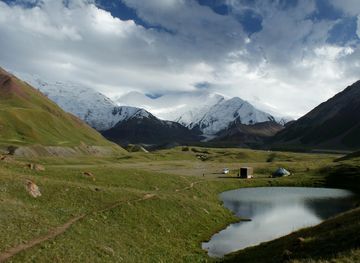

Your all‑in‑one travel companion app
Explore expert travel guides, compare and book tours, experiences, hotels, and more—all from the palm of your hand. Download now for seamless trip planning wherever your wanderlust takes you.


Explore More of Kyrgyzstan
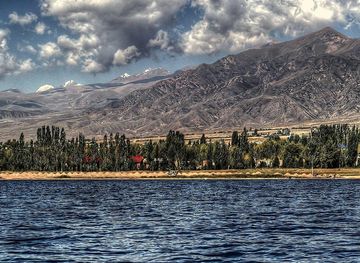
Looking beyond Jalal-Abad Region? Discover Kyrgyzstan for broader travel guides, local hot-spots, and regional highlights.
Explore KyrgyzstanJalal-Abad Region in Photos
Browse through our photo collection highlighting the charm and character of the destination.


The Enchanting Jalal-Abad Region: A Gem in Kyrgyzstan
Nestled in the southwestern part of Kyrgyzstan, Jalal-Abad Region is a captivating destination rich in natural beauty and cultural heritage. This region is known for its stunning landscapes, from the majestic mountains and serene lakes to expansive forests and bustling valleys. Travelers are often drawn to its unspoiled nature, making it a haven for outdoor enthusiasts. Hiking, mountaineering, and bird watching are just a few of the activities that can be enjoyed here, with the Pamir-Alay mountain range providing a picturesque backdrop. Jalal-Abad Region is also home to several historical and cultural landmarks. The ancient city of Uzgen, with its towering minaret and mausoleums, offers a glimpse into the region's storied past. The region's hot springs, particularly the ones in the town of Jalal-Abad, are said to have healing properties and attract visitors looking for relaxation and rejuvenation. In addition, the local markets brim with vibrant textiles, handcrafted goods, and delicious regional cuisine, providing a sensory experience unlike any other. One of the highlights of visiting Jalal-Abad Region is the opportunity to immerse oneself in the local culture. The people of this region are known for their hospitality and warmth. Tourists can participate in traditional festivals, try their hand at local crafts, or simply enjoy the rich flavors of Kyrgyz cuisine. The region's blend of natural wonders and cultural treasures makes it a must-visit destination for those seeking an authentic and enriching travel experience.