

Chimgan Mountains Travel Guide - Free Web & App
Your ultimate guide to Chimgan Mountains. Discover top landmarks, proposed trips, and local tips. Free on the web or via the Evendo companion app.


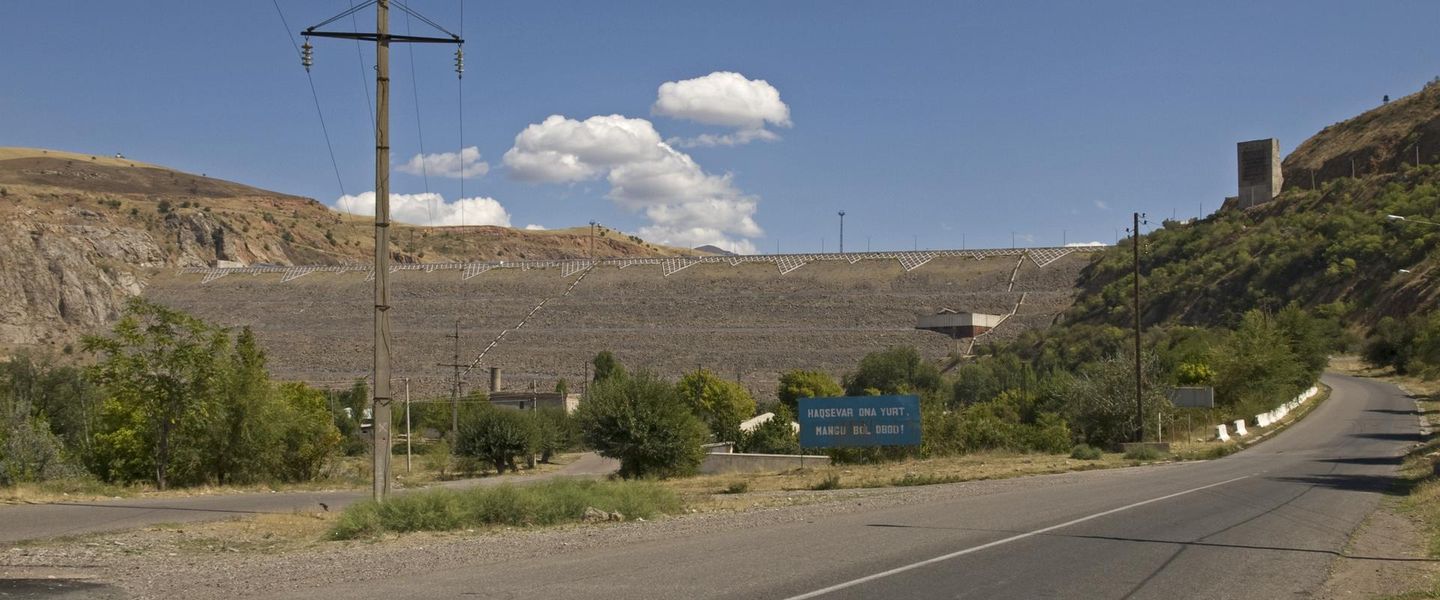


Chimgan Mountains, Uzbekistan: alpine valleys, Charvak Reservoir, hiking, skiing, cable cars and village escapes in the Western Tien Shan near Tashkent.
Mountain Landscape
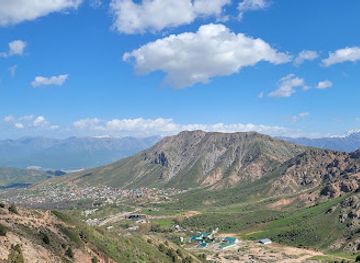
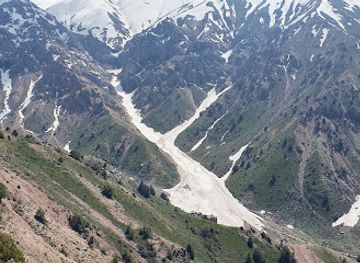
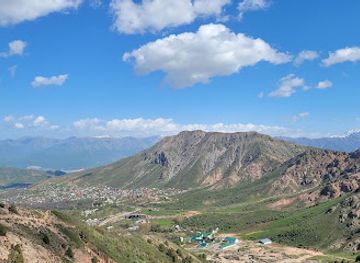
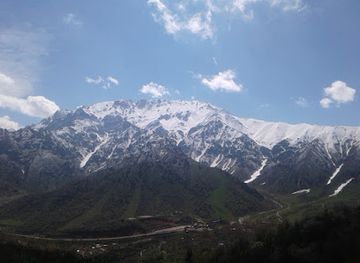
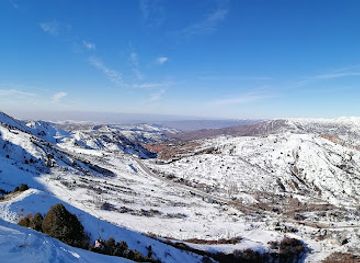
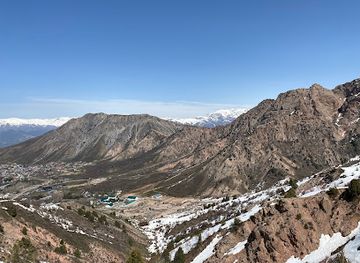
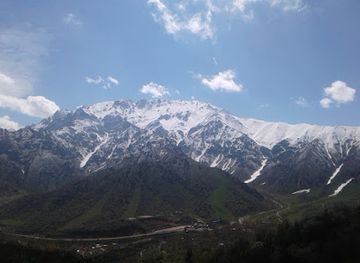
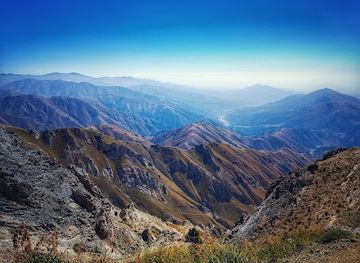
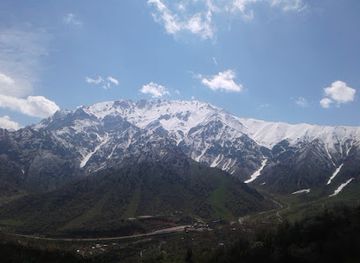
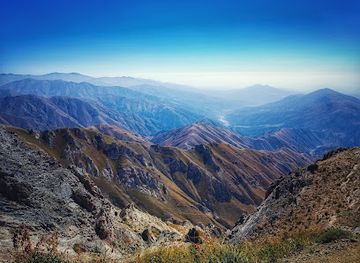
The Chimgan Mountains rise in the western Tien Shan of north-eastern Uzbekistan, within reach of Tashkent but possessing a markedly alpine character. The area is centred on the Chimgan valley and the village of Chimgan, with the Greater Chimgan peak reaching about 3,309 metres. Rocky summits, open mountain slopes, juniper-covered valleys and seasonal streams create a landscape that changes sharply with altitude. The mountains form part of the wider Ugam-Chatkal region, an important protected area known for its varied habitats and rugged scenery.Read more about Chimgan Mountains
Charvak and the Mountain Gateways
Outdoor Life and Local Character
When is the best time to visit Chimgan Mountains?
Best: May–June, September · 22–30°C| Month | High (°C) | Rainfall (mm) |
|---|---|---|
| January | -1 | 30 |
| February | 2 | 25 |
| March | 8 | 20 |
| April | 15 | 15 |
| May (best) | 22 | 10 |
| June (best) | 30 | 10 |
| July | 36 | 10 |
| August | 34 | 10 |
| September (best) | 27 | 10 |
| October | 18 | 15 |
| November | 10 | 20 |
| December | 4 | 25 |
Getting to and around Chimgan Mountains
How to get there
Transportation
Best attractions in Chimgan Mountains
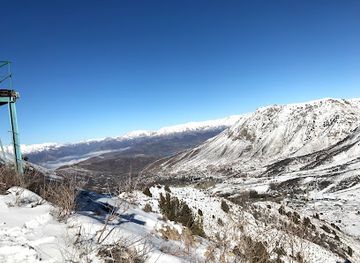
The central attraction is the Chimgan valley, where the village provides access to mountain scenery beneath the Greater Chimgan massif. Walking routes lead through open slopes and valleys, while more demanding outings head towards higher ridges and summits under appropriate conditions. Beldersay is known for its ski facilities, chairlift access and views across the surrounding ranges, and the Amirsoy resort offers a newer concentration of cable-car and mountain recreation infrastructure. Below the highland resorts, Charvak Reservoir spreads through a broad basin framed by the Ugam, Pskem and Chatkal ranges; its shores and viewpoints are popular for seasonal leisure, though they are geographically distinct from the upper Chimgan valleys. The wider Ugam-Chatkal protected landscape adds forests, rocky gorges, mountain streams and opportunities for nature observation. Rural settlements, roadside viewpoints and routes around Chorvoq and Gazalkent help reveal how the mountain environment connects with everyday life in the Tashkent Region.
-
Chimgan Cable Car
Discover the stunning views and thrilling adventures at Chimgan Cable Car in Uzbekistan's breathtaking Tashkent Region.
-
Resort hotel
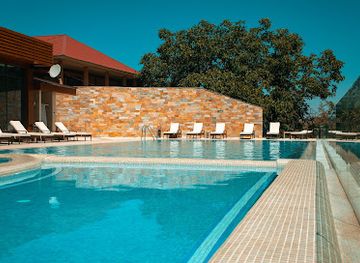
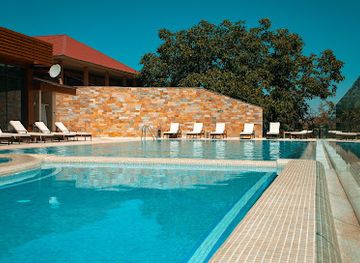
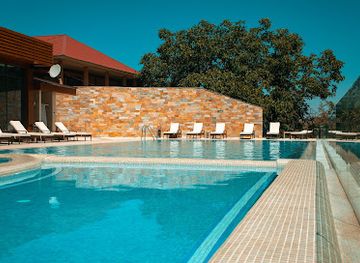
Archazor Mountain Resort
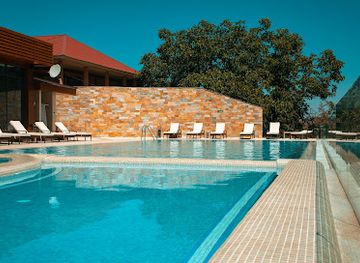
Discover a serene escape at Archazor Mountain Resort, where stunning landscapes and modern amenities create the perfect getaway in Uzbekistan.
-
Mountain peak
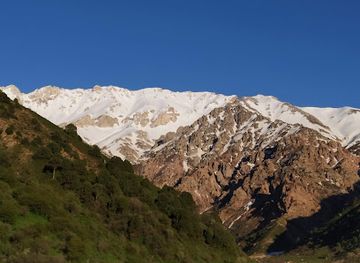
Greater Chimgan
Explore the breathtaking landscapes and thrilling adventures of Greater Chimgan, a mountain paradise in Uzbekistan's Tashkent Region.
-
Tourist attraction
Chimyon kanat
Explore the breathtaking beauty of Chimyon Kanat in Uzbekistan's Tashkent Region, a paradise for nature lovers and adventure seekers.
Best landmarks in Chimgan Mountains
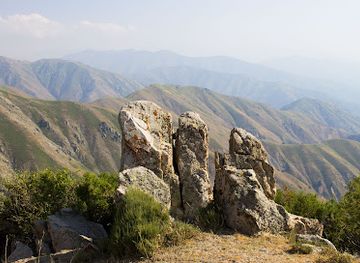
Greater Chimgan, rising to about 3,309 metres, is the defining natural landmark of the area and gives the surrounding valley its visual identity. The ridges and steep slopes around Beldersay and Amirsoy form a secondary highland focus, with resort lifts providing access to elevated viewpoints where operating conditions allow. Charvak Reservoir is the region's most prominent engineered landmark: formed by the Charvak hydroelectric project, it occupies a large mountain basin below the main Chimgan slopes and is surrounded by the ranges of the western Tien Shan. The Chimgan valley and its village provide an important human landscape landmark, linking mountain recreation with local settlement and pastoral traditions. Across the wider Ugam-Chatkal protected area, juniper-covered slopes, rocky gorges and high passes are significant natural features, although access and protection arrangements differ between individual sites.
-
Tourist attraction
Chimgan Cable Car
Experience breathtaking views and thrilling adventures at the Chimgan Cable Car in Uzbekistan’s stunning Tashkent Region, where nature meets excitement.
-
Resort hotel
Archazor Mountain Resort
Experience the ultimate mountain retreat at Archazor Mountain Resort in Uzbekistan, where adventure meets tranquility amidst stunning landscapes.
-
Mountain peak
Greater Chimgan
Explore Greater Chimgan, an enchanting mountain peak in Uzbekistan's Tashkent Region, perfect for nature lovers and adventure seekers alike.
-
Tourist attraction
Chimyon kanat
Explore the breathtaking beauty and thrilling adventures at Chimyon Kanat in the stunning Chimgan mountains of Uzbekistan.
Explore Chimgan Mountains on the map
Plan your trip on one map. See where the top attractions, landmarks, restaurants and hotels are, and book hotels and experiences in a few clicks.
Best hotels in Chimgan Mountains
Best restaurants in Chimgan Mountains
Dining in the Chimgan area is centred on resort restaurants, village guesthouses, roadside establishments and the settlements around Charvak, Chorvoq and Gazalkent rather than on a large independent restaurant scene in the mountains. Visitors may encounter Uzbek staples such as plov, somsa, shashlik, lagman, manti, bread and seasonal salads, often accompanied by tea and locally sourced produce. Restaurants and cafés at developed resorts provide a more organised setting, while family-run guesthouses may offer home-style meals when arranged in advance. Around the reservoir and mountain roads, food availability can be seasonal and dispersed, so self-catering supplies are useful for longer walks or journeys between settlements. Local markets and shops in larger towns are better places to buy fruit, bread, snacks and drinks before heading into more remote valleys.
-
Resort hotel
Archazor Mountain Resort
Experience luxury amidst nature at Archazor Mountain Resort in Chimyon, Uzbekistan - your gateway to adventure and relaxation.
-
Mountain peak
Greater Chimgan
Explore Greater Chimgan: A breathtaking mountain peak in Uzbekistan offering stunning views, thrilling adventures, and serene natural beauty.
Best bars in Chimgan Mountains
The Chimgan Mountains do not have a substantial nightclub culture or a concentrated evening entertainment district. After dark, activity is generally centred on resort restaurants, hotel lounges, guesthouse dining rooms and the quieter atmosphere of village hospitality. Larger resort developments may provide more structured evening facilities, but opening arrangements and seasonal programming can vary. Around Charvak and the mountain settlements, evenings are better suited to shared meals, tea, conversation and views of the darkened valleys than to late-night commercial entertainment. Visitors seeking a wider choice of bars or urban nightlife will find it in Tashkent rather than within the mountain destination, while rural areas should be approached as places for an early start and low-key evenings.
-
Tourist attraction
Chimgan
Experience the breathtaking landscapes and outdoor adventures at Chimgan, Uzbekistan's premier mountain destination for nature lovers and thrill-seekers.
Best nightclubs in Chimgan Mountains
The Chimgan Mountains do not have a substantial nightclub culture or a concentrated evening entertainment district. After dark, activity is generally centred on resort restaurants, hotel lounges, guesthouse dining rooms and the quieter atmosphere of village hospitality. Larger resort developments may provide more structured evening facilities, but opening arrangements and seasonal programming can vary. Around Charvak and the mountain settlements, evenings are better suited to shared meals, tea, conversation and views of the darkened valleys than to late-night commercial entertainment. Visitors seeking a wider choice of bars or urban nightlife will find it in Tashkent rather than within the mountain destination, while rural areas should be approached as places for an early start and low-key evenings.
-
Tourist attraction
Chimgan Cable Car
Soar high above the stunning landscapes of Uzbekistan at Chimgan Cable Car, your gateway to breathtaking views and unforgettable adventures.
-
Resort hotel
Archazor Mountain Resort
Experience the beauty of Uzbekistan at Archazor Mountain Resort, a serene retreat surrounded by stunning landscapes and adventure.
-
Mountain peak
Greater Chimgan
Experience the breathtaking beauty and adventurous spirit of Greater Chimgan, a mountain peak in Uzbekistan's Tashkent Region, perfect for nature lovers and thrill-seekers.
-
Tourist attraction
Chimgan
Discover the breathtaking landscapes and thrilling adventures in Chimgan, the premier mountain resort of Uzbekistan.
Best shops in Chimgan Mountains
Shopping within the Chimgan Mountains is limited and practical, with small village shops, resort outlets and roadside sellers providing basic food, drinks and outdoor necessities rather than a broad retail selection. More varied supplies are available in Gazalkent, Chorvoq and Tashkent before travelling into the highland valleys. Visitors may find locally produced honey, dried fruit, nuts, bread and other agricultural goods, while guesthouses and regional sellers sometimes offer handmade items or products associated with rural life. Larger resort areas may stock winter-sports or hiking equipment, but specialist gear and a wider choice of clothing are more reliably found in Tashkent. Bargaining customs vary by seller, and visitors should distinguish genuinely local products from generic souvenirs sold along busy tourist routes.
-
Mountain peak
Greater Chimgan
Discover the breathtaking beauty of Greater Chimgan, a mountain paradise in Uzbekistan perfect for adventure seekers and nature lovers.
-
Tourist attraction
Chimgan
Discover the breathtaking beauty of Chimgan, a mountain paradise in Uzbekistan, perfect for adventure and relaxation amidst stunning landscapes.
-
Tourist attraction
Chimgan.
Discover Chimgan: A Hiking Paradise in Uzbekistan's Stunning Tashkent Region, Perfect for Nature Lovers and Adventure Seekers.
Get your free copy of our complete guide to Chimgan Mountains, delivered straight to you.
Everything on this page, from attractions and restaurants to essentials and local phrases, in one PDF you can read offline, print or share.
Already have an account? Sign in
Your Chimgan Mountains guide is ready.
We'll send it to · Not you? Sign out

Getting your guide ready…
We are putting together a fresh copy of the Chimgan Mountains guide. This can take up to a minute.
This can take a few moments. If your browser asks, choose Allow so the download can start. You'll find the guide in your Downloads folder.
Nothing happened? Download it again
Sorry, the guide is taking longer than usual. Please try again in a minute, or get it by email instead.
Chimgan Mountains essentials
Currency and Payment
Safety
Emergency Situations
Do's and Don'ts
Local Tips
From Eve
Local phrases worth knowing
You don't need to get them perfect. A few words go a long way, and locals appreciate the effort.
Basics
| English | Local | Say it |
|---|---|---|
| Hello | Салом | [Salom] |
| Goodbye | Хайр | [Hayr] |
| Yes | Ҳа | [Ha] |
| No | Йўқ | [Yo'q] |
| Please/You're welcome | Марҳамат | [Marhamat] |
| Thank you | Раҳмат | [Rahmat] |
| Excuse me/Sorry | Кечиринг | [Kechiring] |
| How are you? | Қалсизмиз? | [Qalsizmiz?] |
| Fine. And you? | Жуда яхши. Сизни? | [Juda yaxshi. Sizni?] |
| Do you speak English? | Инглиз тилини билисизми? | [Ingliz tilini bilisizmi?] |
| I don't understand | Мени тушунмадим | [Meni tushunmadim] |
Eating & Drinking
| English | Local | Say it |
|---|---|---|
| I'd like to see the menu, please | Менюни кўрмоқчиман, марҳамат | [Menyuni ko'rmoqchiman, marhamat] |
| I don't eat meat | Мен гўсфур мева емасман | [Men go'sfur meva emasman] |
| Cheers! | Чоқ чиқаринг! | [Choq chiqaring!] |
| I would like to pay, please | Тўламоқчиман, марҳамат | [Tolamoqchiman, marhamat] |
Emergencies
| English | Local | Say it |
|---|---|---|
| Help! | Ёрдам! | [Yordam!] |
| Go away! | Ёлдаш! | [Yoldash!] |
| Call the Police! | Полицияни чақиринг! | [Poliyani chaqiring!] |
| Call a doctor! | Докторни чақиринг! | [Doktorni chaqiring!] |
| I'm lost | Мен йўллардан ўтганман | [Men yo'llardan otganman] |
| I'm ill | Мен касалман | [Men kasalman] |
Shopping
| English | Local | Say it |
|---|---|---|
| I'd like to buy... | Қидируман... | [Qidiruman...] |
| I'm just looking | Фақат кўрмоқчиман | [Faqat ko'rmoqchiman] |
| How much is it? | Нега қадар? | [Nega qadar?] |
| That's too expensive | Ушбу очиқ | [Ushbu ochiq] |
| Can you lower the price? | Нархни тўғритасизми? | [Narxni to'g'ritasizmi?] |
Time & Numbers
| English | Local | Say it |
|---|---|---|
| What time is it? | Соат қачон? | [Soat qachon?] |
| It's one o'clock | Бир соат | [Bir soat] |
| Half past (10) | Ўн ўтти (10) | [On otii (10)] |
| Morning | Тун | [Tun] |
| Afternoon | Кечаси | [Kechasi] |
| Evening | Кеч | [Kech] |
| Yesterday | Кеча | [Kecha] |
| Today | Бугун | [Bugun] |
| Tomorrow | Эртага | [Ertaga] |
| 1 | Бир | [Bir] |
| 2 | Икки | [Ikki] |
| 3 | Уч | [Uch] |
| 4 | Тўрт | [To'rt] |
| 5 | Беш | [Besh] |
| 6 | Олти | [Olti] |
| 7 | Ётти | [Yetti] |
| 8 | Саккиз | [Sakkiz] |
| 9 | Тўққиз | [To'qqiz] |
| 10 | Он | [On] |
Transport & Directions
| English | Local | Say it |
|---|---|---|
| Where's a/the...? | ... қайда? | [... qayda?] |
| What's the address? | Манзили қандай? | [Manzili qanday?] |
| Can you show me (on the map)? | (Харитада) кўрсатасизми? | [(Xaritada) ko'rsatisizmi?] |
| When's the next (bus)? | Кейингиси (автобус) қачон? | [Keyingisi (avtobus) qachon?] |
| A ticket (to ....) | (... га) чипта | [(... ga) chipta] |
History of Chimgan Mountains
Formation of the Western Tien Shan
The Chimgan Mountains belong to the western Tien Shan, a major mountain system shaped by long-term tectonic uplift and subsequent erosion. Valleys, ridges and exposed rock reflect the interaction of geological structure, running water, frost and seasonal snow rather than a single recent event. The surrounding Ugam-Chatkal landscape contains marked changes in altitude and habitat, which help explain the area's varied vegetation and wildlife. This geological and ecological setting forms the foundation for the region's later human use, from pasture and travel through the valleys to modern recreation.
Pastoral Landscapes and Mountain Communities
For centuries, the valleys and adjoining uplands of the western Tien Shan have been used by communities whose livelihoods included farming, livestock keeping and seasonal movement between lower settlements and mountain pastures. The Chimgan area lies within a wider cultural landscape of Uzbek and other Central Asian rural traditions, where water, grazing land and mountain routes shaped settlement patterns. The villages around the Charvak basin and Chimgan remain more important to daily life than isolated high slopes, while local hospitality, agricultural produce and horse-based activities continue to influence the visitor experience.
Soviet Recreation and the Charvak Basin
During the Soviet period, the mountains north-east of Tashkent were developed as a nearby recreation zone for the capital and surrounding region. The construction of the Charvak hydroelectric complex created the reservoir in the 1960s, transforming the basin and adding a major water-based destination below the mountain slopes. Chimgan and Beldersay became associated with skiing, climbing, walking and organised holidays, supported by roads and resort infrastructure. This period established the area's enduring role as one of Uzbekistan's principal mountain escapes rather than solely a landscape of pastoral use.
Protected Landscapes and Contemporary Tourism
Conservation in the wider area has developed through protected landscapes including the Ugam-Chatkal State National Park, created to safeguard mountain ecosystems and biodiversity in the western Tien Shan. The Chimgan region now combines conservation interests with expanding domestic and international tourism. Established winter-sports facilities at Chimgan and Beldersay have been joined by newer resort development around Amirsoy, bringing cable-car access and a broader range of visitor services. Modern tourism remains concentrated in particular valleys and resort zones, while much of the surrounding mountain terrain retains a remote, natural character.
Chimgan Mountains in Photos
Browse through our photo collection highlighting the charm and character of the destination.
Neighbouring destination travel guides
The closest destinations to Chimgan Mountains, if you have time for more than one.
-

-

-

-

-


Swipe for more destinations
Explore more

Explore more of Tashkent Region
Explore Tashkent Region for western Tian Shan mountains, Charvak Reservoir, Uzbek villages, vineyards and accessible Silk-Road landscapes.
Explore Tashkent Region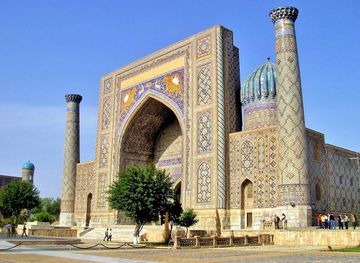
Explore more of Uzbekistan
Discover Uzbekistan: A land of ancient cities, vibrant culture, and breathtaking landscapes, where history comes alive along the legendary Silk Road.
Explore Uzbekistan